The country’s regulators are stepping up their earlier restrictions from mobile apps to websites, targeting unregistered exchanges before investors report financial losses.
South Korea is aggressively expanding its regulatory net over the digital asset industry, blocking access to the websites of 27 unregistered cryptocurrency exchanges—including major global platforms like KuCoin, BitMart, and MEXC. This latest move marks a significant escalation in Seoul’s ongoing efforts to curb unauthorized foreign trading platforms, extending restrictions that previously focused strictly on mobile applications.
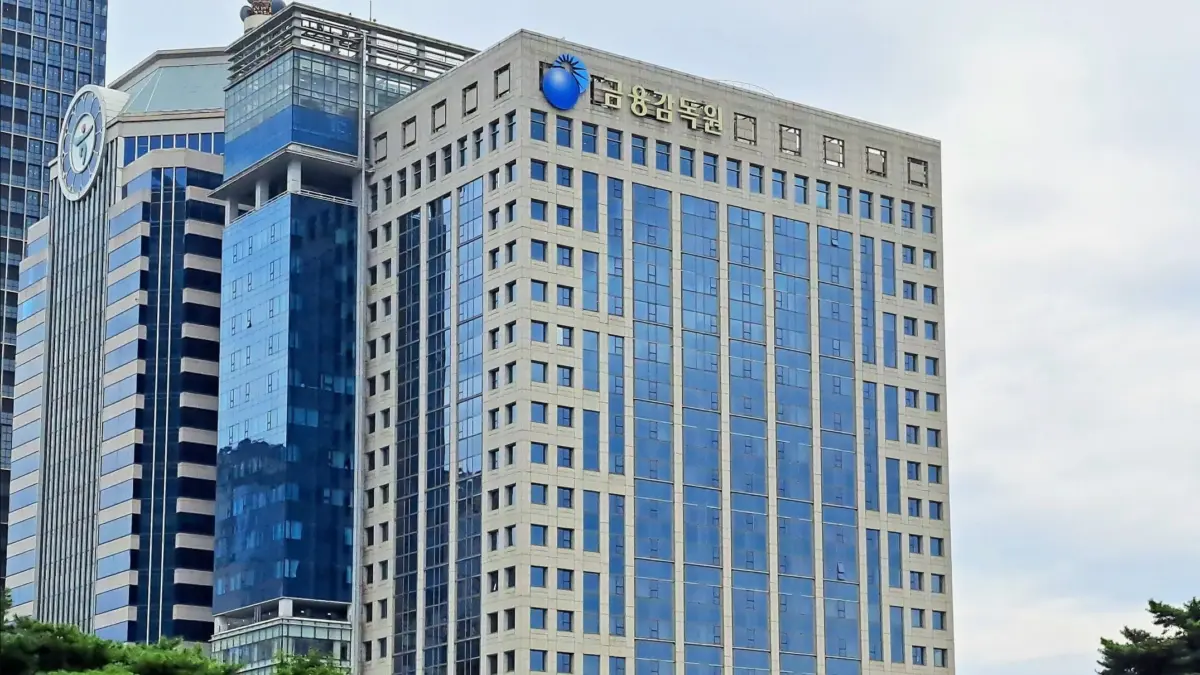
The country’s Financial Intelligence Unit (FIU) announced the enforcement action following comprehensive reviews conducted by regulators. The sweeping web restrictions were officially approved by the Korea Communications Standards Commission. According to the FIU’s directives, websites operated from overseas jurisdictions will be blocked outright at the network level, while any entities attempting to run operations from within domestic borders will face immediate service termination.
This aggressive regulatory posture effectively closes another vital loophole that South Korean retail and institutional investors have utilized to access unregistered international exchanges. Last year, authorities restricted mobile application downloads for many of these same platforms across both Google’s Play Store and Apple’s App Store. Under the newly empowered regulatory framework, watchdogs can now proactively seek website blocks the moment they detect unauthorized financial activity, bypassing the need to wait for a protracted court ruling or concrete evidence that local consumers have already suffered financial losses.
While the FIU did not specify a timeline for how long these network restrictions will remain in place, nor did it establish a definitive grace period or deadline for the targeted exchanges to seek compliance, the path forward for legal operation is clear. Any cryptocurrency exchange wishing to legally service South Korean customers must formally register with the FIU and fully comply with the nation’s stringent security mandates and anti-money laundering (AML) frameworks.

Industry responses to the sweeping enforcement have begun to materialize. A spokesperson for KuCoin emphasized the platform’s dedication to global compliance, noting that the exchange respects applicable laws and regulations across all operational jurisdictions. The representative added that the company continuously strengthens its internal compliance frameworks to adapt to evolving regulatory expectations worldwide, while assuring users that their digital assets remain completely safe and secure and that further operational updates will be communicated through official channels. Meanwhile, other prominent platforms affected by the block, including BitMart, Phemex, and MEXC, did not immediately respond to requests for comment from international media.
The website blocks form part of a broader, highly disciplined legislative and regulatory overhaul taking place across South Korea’s financial sector. The country’s proposed Digital Asset Basic Law, which is advancing through legislative channels, is designed to establish a comprehensive legal framework for the broader digital asset economy. This foundational legislation addresses critical areas such as asset issuance, secondary market trading, secure custody services, and rigorous regulatory supervision. Furthermore, the Financial Services Commission and the Financial Supervisory Service implemented stricter mandates earlier in the year, removing the discretionary powers that individual exchanges previously held to let users bypass mandatory holding periods during withdrawals.
As part of its ongoing enforcement campaign, the FIU disclosed that it has already referred 44 distinct unregistered operators to law enforcement investigators. The agency also signaled that it will aggressively pursue additional website blocks against any blocked operators attempting to resurface under alternative web addresses or mirrored domains. To date, only 28 virtual asset service providers have successfully cleared the regulatory hurdles required to register with the financial watchdog.
With access channels rapidly closing, the financial watchdog issued direct warnings to domestic traders, emphasizing that individuals utilizing unauthorized platforms face severe difficulties in recovering lost funds or seeking legal recourse in the event of platform insolvency or security breaches. To mitigate potential fallout, the FIU announced it is actively collaborating with the Digital Asset eXchange Alliance, a prominent domestic industry association, to assist affected consumers in successfully withdrawing their funds where sudden access restrictions have created administrative hurdles. Regulators have strongly urged all investors to verify the registration status of their preferred trading venues and proactively withdraw their assets from any unauthorized operators.
The regulatory squeeze arrives against a backdrop of significant capital flight from South Korea’s strictly regulated domestic market. Driven by tighter local trading rules and rigorous compliance checks, domestic investors have increasingly routed capital abroad. Industry estimates indicate that an impressive $110 billion in cryptocurrency left South Korean exchanges over the course of the previous year, highlighting the ongoing friction between local regulatory ambition and the global, borderless nature of digital asset trading.