WASHINGTON — As Democrats steadily climb in their potential to take back a Senate majority ahead of the upcoming legislative cycle, Senator Richard Blumenthal is digging deeply into Tether’s U.S. financial partnership, sharpening his focus on the intersection of traditional Wall Street institutions and the digital asset economy.
The top Democrat on the Senate Permanent Subcommittee on Investigations is currently demanding extensive answers regarding the intricate and lucrative ties between financial services giant Cantor Fitzgerald and Tether, the global leader in stablecoins. With Democratic momentum steadily building toward the November midterm elections, Blumenthal and his congressional colleagues may soon wield significantly more authority behind such probes, transforming preliminary oversight inquiries into legally binding investigations backed by full committee subpoena power.
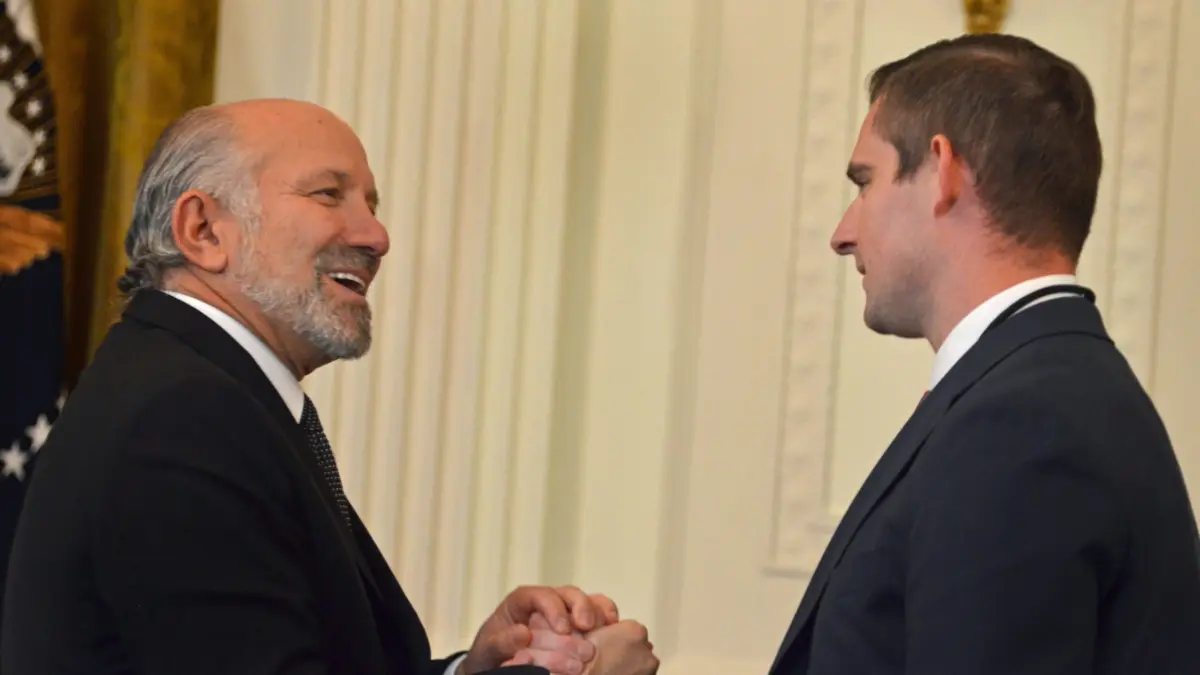
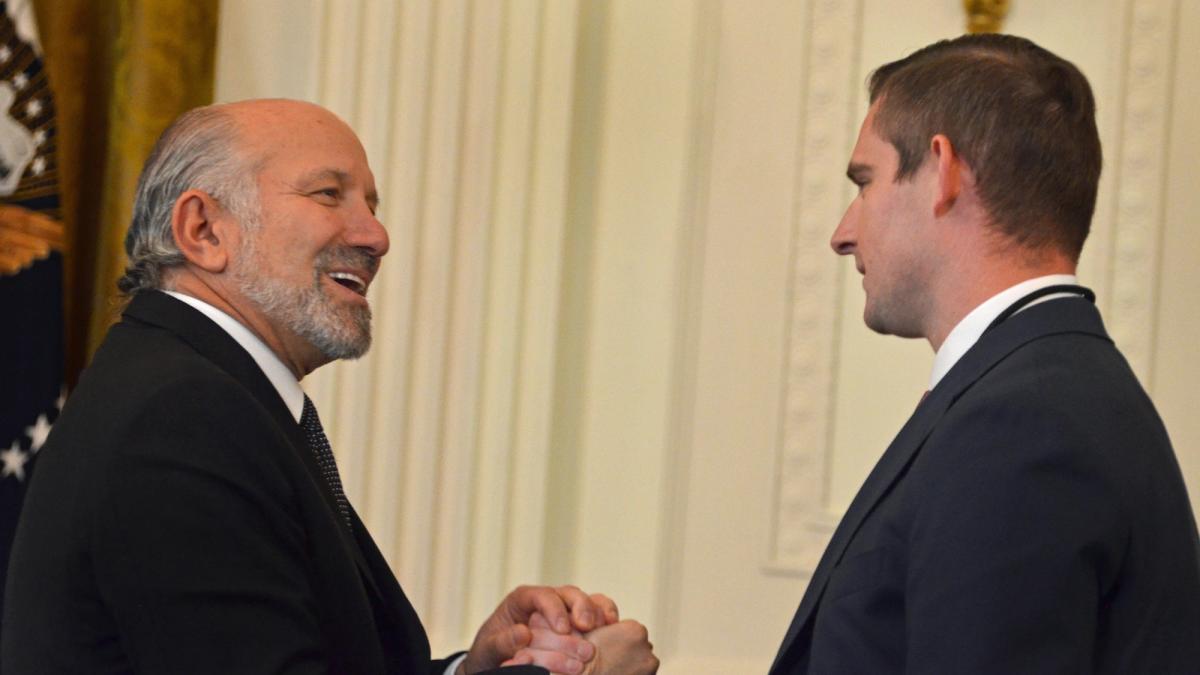
Blumenthal formalized this ongoing scrutiny by sending a sharply worded letter to Cantor Fitzgerald CEO Brandon Lutnick. The firm’s executive leadership brings high-profile political connections to the forefront, as Brandon Lutnick took over the reins of the company from his father, Howard Lutnick, when the elder Lutnick left private enterprise to join President Donald Trump’s administration as the U.S. Secretary of Commerce.
For months, Senator Blumenthal has been actively scrutinizing Tether’s alleged role within Iran’s financial system and broader shadow banking networks. In his latest communication, he flagged the deeply intertwined business relationship between the issuer of USDT—the world’s most dominant stablecoin—and Cantor Fitzgerald, the prominent Wall Street firm tasked with handling and managing the digital token’s massive U.S. reserves.
"Just as Tether has made untold millions in interest and investments from the stablecoins used in these illicit activities, so has Cantor Fitzgerald profited from its relationship with Tether," Blumenthal wrote in the Thursday correspondence. In the letter, he pressed the younger Lutnick for detailed explanations concerning the company’s internal banking procedures, anti-money laundering compliance, sanctions safeguards, and his father’s historical and financial involvement with Tether during his tenure at Cantor Fitzgerald.
The inquiry underscores a central vulnerability that congressional investigators have increasingly highlighted: while offshore issuers often distance themselves from domestic regulatory jurisdictions, their physical assets and financial lifelines remain firmly anchored within the United States.
"While Tether claims to operate out of El Salvador, the vast majority of its assets reside in the United States under your custodianship," the Connecticut lawmaker wrote, emphasizing the systemic importance of the arrangement. "As Congress considers how to best regulate digital assets, your partnership with Tether will provide important insights into the inner workings of this industry."
Among the numerous specific demands outlined in the congressional letter, Blumenthal asked the firm to detail the exact measures it has implemented. "Please describe all steps Cantor Fitzgerald has taken to investigate allegations that Tether’s stablecoin has been used in illicit finance and money laundering, including within Iran’s shadow banking network and for purposes of Russia sanctions evasion," the letter states.
To date, neither Cantor Fitzgerald nor Tether has immediately responded to multiple requests for comment sent to their respective corporate spokespeople regarding the senator’s allegations and demands for documentation.
The timing of Blumenthal’s aggressive inquiry coincides with a broader shifting political landscape in Washington. For years, aggressive congressional critics of the cryptocurrency industry—including prominent progressive lawmakers like Senator Elizabeth Warren and Senator Blumenthal himself—have operated with limited legislative and investigative authority as members of the minority party. Under minority status, congressional panels lack the unilateral ability to compel document production or force reluctant corporate executives to testify under oath.
However, securing a Democratic majority in the upcoming congressional elections would fundamentally alter that dynamic. If Democrats manage to pick up several more seats in the upper chamber, lawmakers like Blumenthal could find themselves securing committee chairmanships equipped with robust subpoena power. This institutional leverage would allow them to legally compel information, subpoena internal corporate communications, and demand high-profile testimony from leaders across both the traditional financial sector and the digital asset industry.
Current political forecasts and prediction markets suggest that Democrats enjoy a better-then-even mathematical probability of returning to the majority in the Senate. According to data tracking platforms, prediction market Kalshi currently prices the likelihood of a Democratic Senate majority at 61%, while competitor Polymarket places the odds slightly higher at 64%. These figures represent a notable tightening and upward swing for Democrats compared to the roughly even 50-50 predictions registered just several weeks prior.
Meanwhile, the political outlook in the U.S. House of Representatives appears even more advantageous for Democrats seeking to reclaim legislative control. Both Kalshi and Polymarket show that the likelihood of a majority shift in the lower chamber has surged to more than 90%, pointing toward a potentially sweeping reconfiguration of congressional oversight committees heading into the next legislative session. As these political winds shift toward Capitol Hill, oversight into crypto-traditional finance hybrids like the Cantor-Tether partnership is positioned to become a central battleground in American financial regulation.