The BNB Foundation has completed its 37th quarterly token burn, permanently removing over 1.64 million BNB from circulation. While the actual increase in the number of tokens destroyed was modest compared to the previous quarter, a sharp rise in the implied valuation per coin pushed the total disclosed dollar value up significantly.
According to the official announcement published on Oct. 19, the latest quarterly event retired 1,646,196.44 BNB. Based on the figures provided in the disclosure, the destroyed tokens carried an approximate aggregate value of $1.197 billion at the time of execution.
This latest supply reduction follows the network’s 36th quarterly burn disclosure on July 15, which reported the removal of 1,615,827.795 BNB with an estimated value of about $931.7 million. For market participants, cryptocurrency analysts, and token holders assessing long-term scarcity, the absolute token count remains the most reliable measure of the scale of each retirement event.
A side-by-side comparison of the two disclosures reveals a modest increase in the physical quantity of coins removed alongside a much higher implied valuation per coin. The July 15 announcement accounted for 1,615,827.795 BNB valued at $931,702,464, which translates to an implied valuation of approximately $576.61 per token. By contrast, the Oct. 19 announcement covered 1,646,196.44 BNB valued at $1,197,344,519.40, bringing the implied valuation per BNB to roughly $727.34.
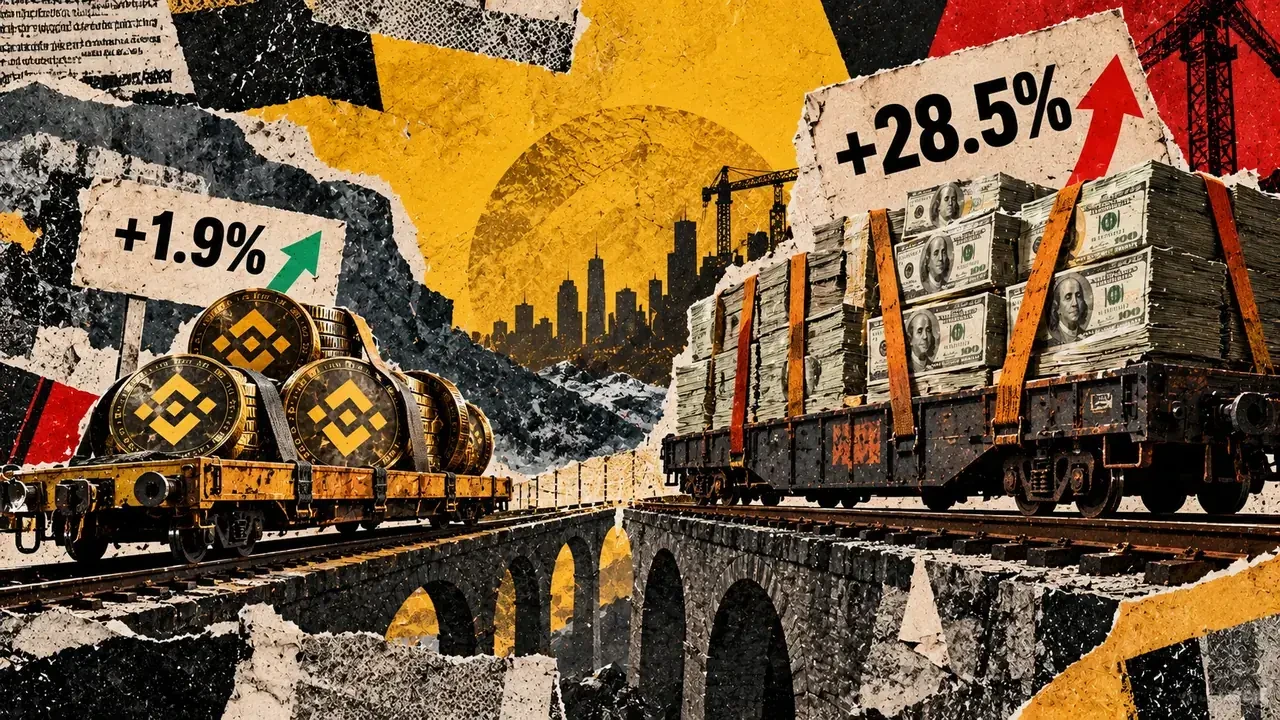
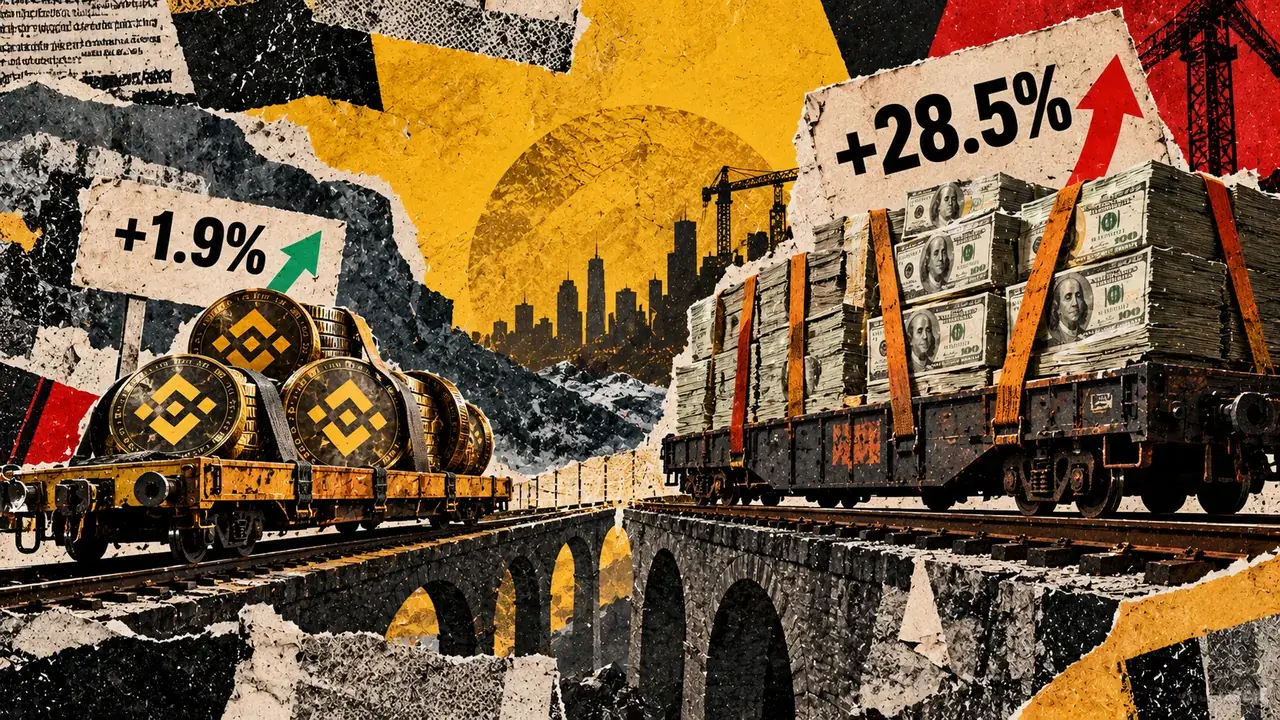
This represents a 1.9% increase in the number of BNB tokens burned quarter-over-quarter, contrasted with a 28.5% rise in the disclosed dollar value. The implied valuation per coin climbed by 26.1% over the same period.
Dividing each disclosed dollar total by its respective token amount produces these implied per-coin figures. Consequently, the vast majority of the roughly $265.6 million increase in the total dollar label reflects the higher market valuation attached to each BNB during the October execution window rather than a massive surge in the volume of tokens retired. The actual token quantity rose by 30,368.645 BNB based on the published amounts, representing a much smaller variance than the dollar figures initially imply.
Understanding this dynamic requires looking at how the mechanism operates. A quarterly price measure helps determine how much BNB is scheduled for retirement under the protocol’s rules, while the final announcement assigns a specific dollar value to the amount actually burned at that moment. A higher asset valuation at that second step can significantly enlarge the overall dollar label without requiring a proportional increase in the physical quantity of tokens.
These ratios, however, do not serve as evidence of the exact price paid to acquire the burned coins on the open market, nor do they establish the specific quarterly price inputs used to calculate the Auto-Burn schedule. A value assigned around the time of execution and a price measure sampled across an entire quarter are designed to answer fundamentally different questions regarding the network’s tokenomics.
Why the Dollar Value Grew Much Faster
The quarterly Auto-Burn mechanism determines the precise quantity of BNB to be removed from circulation using a formula based on underlying asset prices and block production data on the BNB Smart Chain (BSC). When Binance originally introduced the automated burning framework in December 2021, the company explicitly designed the mechanism to operate independently of any revenue generated through BNB utility on its centralized exchange platform.
Block production metrics also require a consistent basis for calculation, particularly when network upgrades or protocol adjustments alter processing speeds. According to published methodologies from ecosystem trackers like BBNBurn, each block-time era is converted into units equivalent to the network’s original three-second blocks. The calculation typically discards any fractional remainder from each converted segment before adding the resulting integer counts together.
Because shorter block intervals can artificially increase raw block counts over the same elapsed calendar period, this normalization process provides the calculation with a common, stable basis across structural network changes.
Ecosystem tracking tools describe their underlying price input as a quarterly median, which aligns with the sampling methodology outlined in the original 2021 announcement. However, neither the implied per-coin valuations nor the final event totals provide sufficient information for external observers to independently reconstruct the complete quarterly calculation or forecast precisely when the ultimate long-term supply target will be reached.
What the Burn Establishes About Supply and Demand
The quarterly announcements describe the process of transferring BNB on the BNB Smart Chain to a designated, unspendable dead address, effectively removing those assets from the circulating supply. However, neither disclosure provides the historical acquisition background of the specific coins used in the process, nor do they document a fresh, contemporaneous open-market purchase to fund the event.
A formal token burn transfer records the permanent removal of tokens from usable supply, whereas a true buyback operation would require verifiable evidence of both the initial acquisition and the subsequent retirement. The dollar valuation attached to the execution step cannot supply the missing evidence for how those specific tokens were originally sourced.
The broader market effect depends largely on whether the retired coins could realistically have been sold into active markets, alongside prevailing metrics for demand and liquidity. Removing an existing holding can successfully reduce total supply without necessarily demonstrating that an equal quantity disappeared from active exchange order books on that particular day.
The October notice reported a remaining total supply of 131,512,085 BNB at the time of its writing, while reiterating the long-term goal of reducing the total supply down to 100 million BNB through the Auto-Burn program. The announcement does not quantify the precise volume of tokens immediately available for public trading, nor does it establish how much short-term selling pressure the burn event successfully neutralized.
In addition to the quarterly events, BEP-95 operates as a separate, continuous mechanism connecting ongoing BNB destruction directly to network gas fees. The implemented specification for BEP-95 outlines a process where a validator-governed portion of the gas fees collected in each BSC block is systematically burned.
The proposal’s initial parameter set a destruction ratio of 10%, though network validators retain the governance authority to adjust the share of fees destroyed over time. Any direct comparisons of fee-based burns depend heavily on the total volume of collected fees, the applicable ratio during the period, and the specific timeframe measured. Assessing whether fee-funded destruction strengthened between July and October requires examining comparable windows of gas-fee generation and BEP-95 burn data alongside the active burn ratios.
Ultimately, October’s completed quarterly burn delivered approximately 30,369 BNB in additional retirement compared to the July event, steadily advancing the protocol’s stated supply-reduction objectives. This represents the core measurable change in the quarter-over-quarter comparison: 1.9% more tokens destroyed, accompanied by a 28.5% larger dollar valuation attached to the overall event.