A severe market-wide sell-off involving Bitcoin and various altcoins has swept across the digital asset ecosystem, triggering more than $1 billion in forced position closures within a 24-hour window. The sudden market downturn was further amplified as short-term market participants rushed to deposit tens of thousands of Bitcoin onto centralized exchanges at a definitive loss, reacting impulsively to mounting macroeconomic and structural pressures.
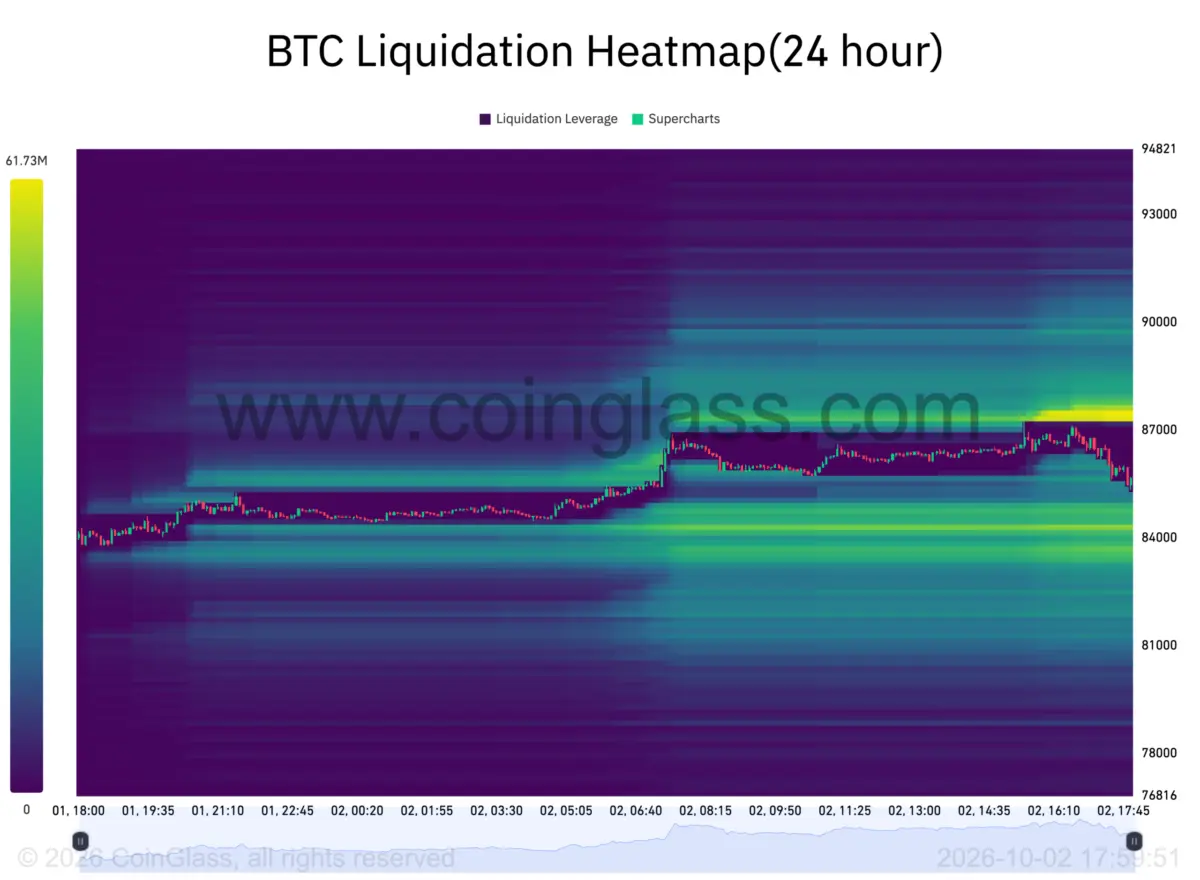
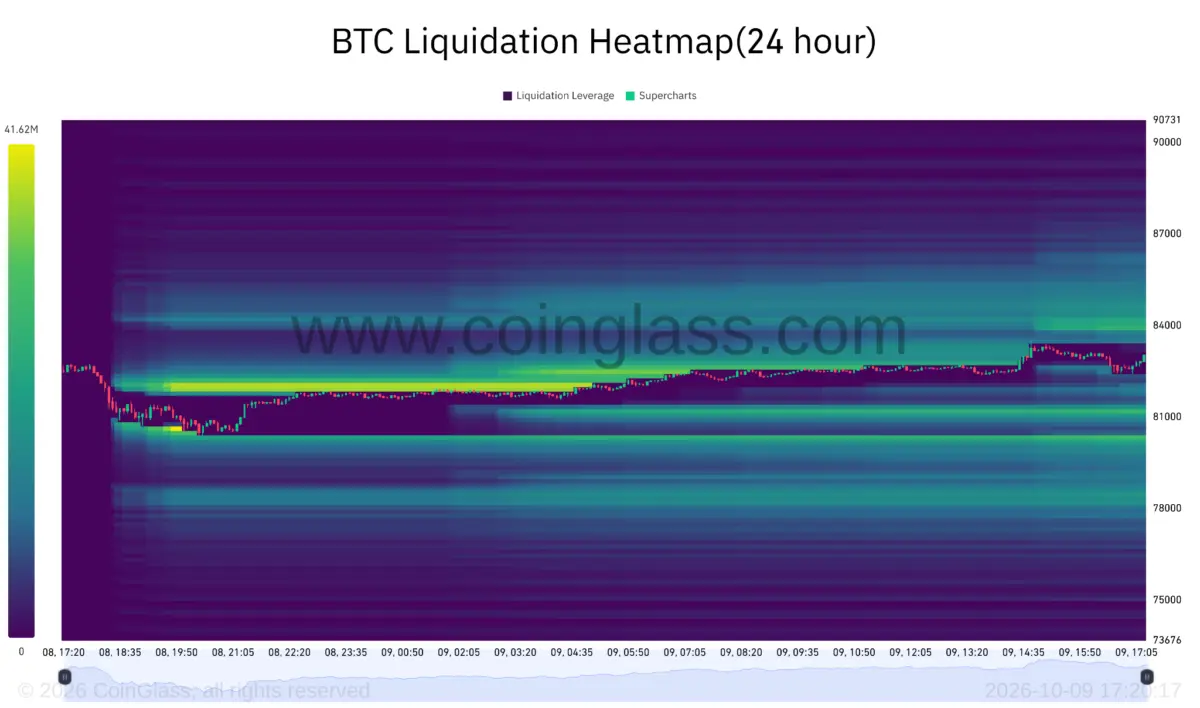
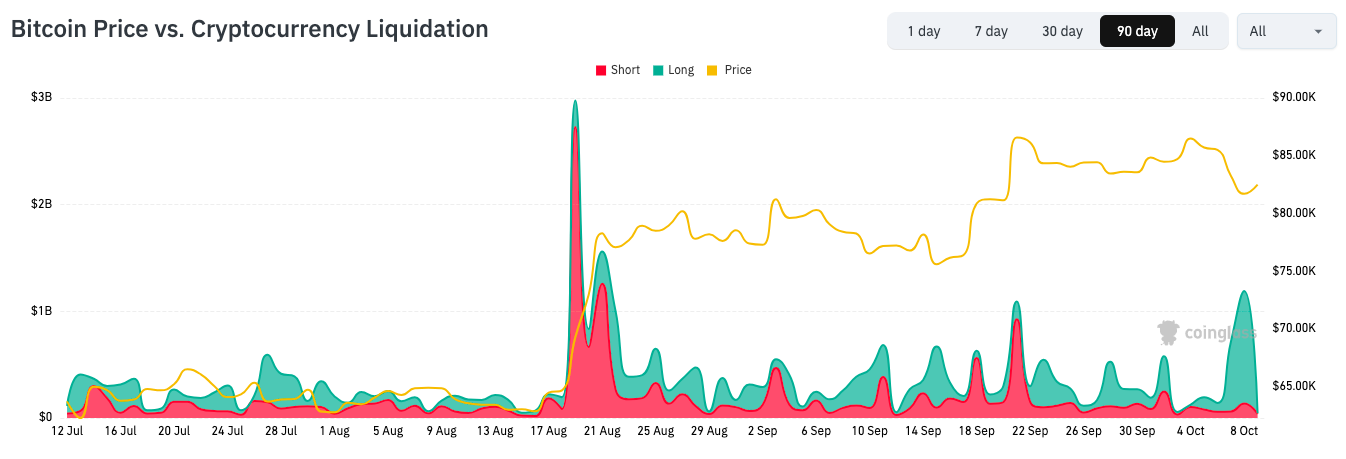
Data compiled by analytics platform CoinGlass revealed that total cryptocurrency market liquidations surged to $1.09 billion for the 24-hour period leading up to 10 am UTC on Friday. This dramatic flush-out marked the largest single-day tally of forced liquidations since August 21. During that late-summer event, the BTC/USD trading pair had climbed aggressively from $73,000 to $79,500, printing fresh two-month highs and subsequently triggering $1.3 billion in short liquidations as bearish traders were caught off guard by the upside momentum.
However, the dynamics of Friday’s liquidation event proved to be starkly different. Long positions bore the brunt of the market reversal, accounting for an overwhelming $1.05 billion of Thursday’s total liquidations. As leveraged bullish bets were systematically wiped out across derivatives exchanges, the broader market structure experienced a sharp reminder of the volatility inherent in digital asset trading.

The sudden downward spiral was initially catalyzed by reports that the United States government had executed a notable transfer involving more than 12,000 Bitcoin that had been previously confiscated by federal authorities. Historically, large-scale movements of government-controlled digital assets tend to fuel widespread speculation and selling fears among retail and institutional investors alike, as market participants grow apprehensive about the potential for these coins to be dumped onto the open market.
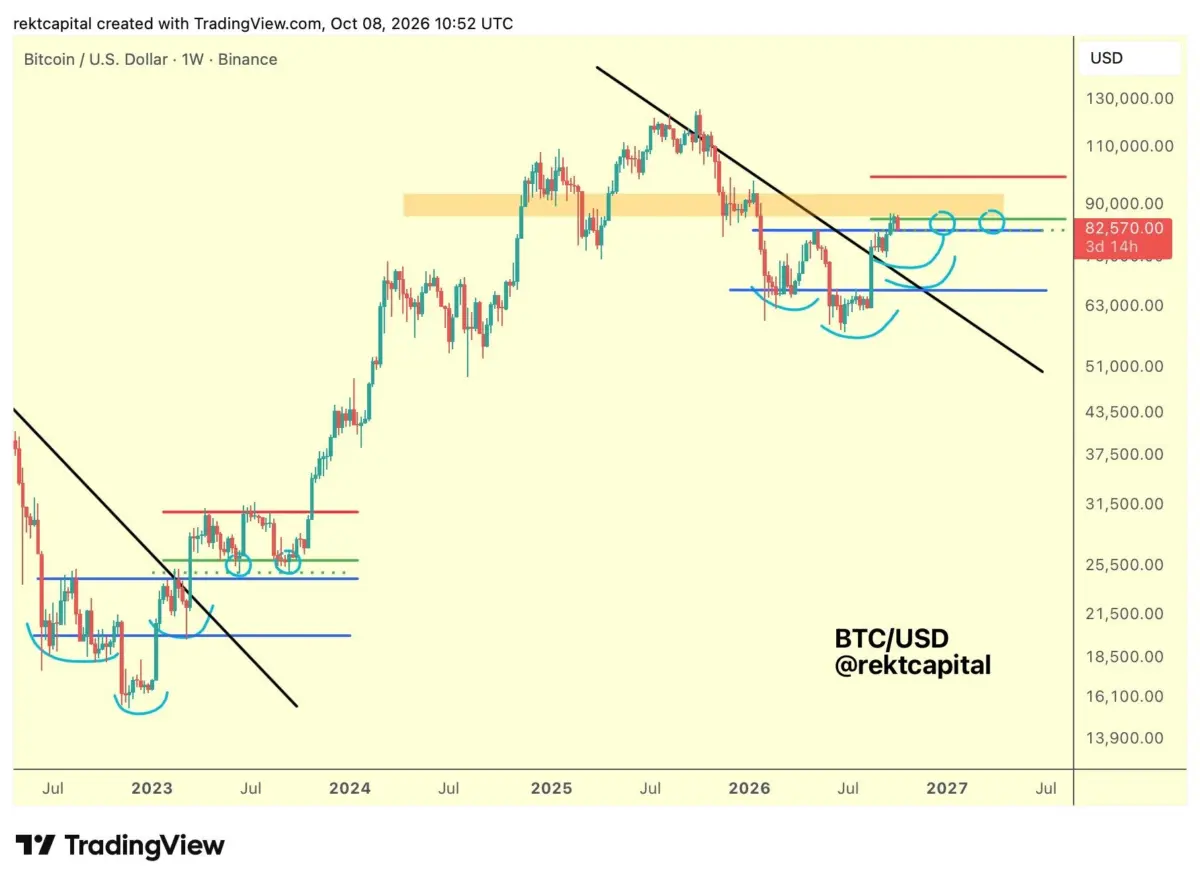
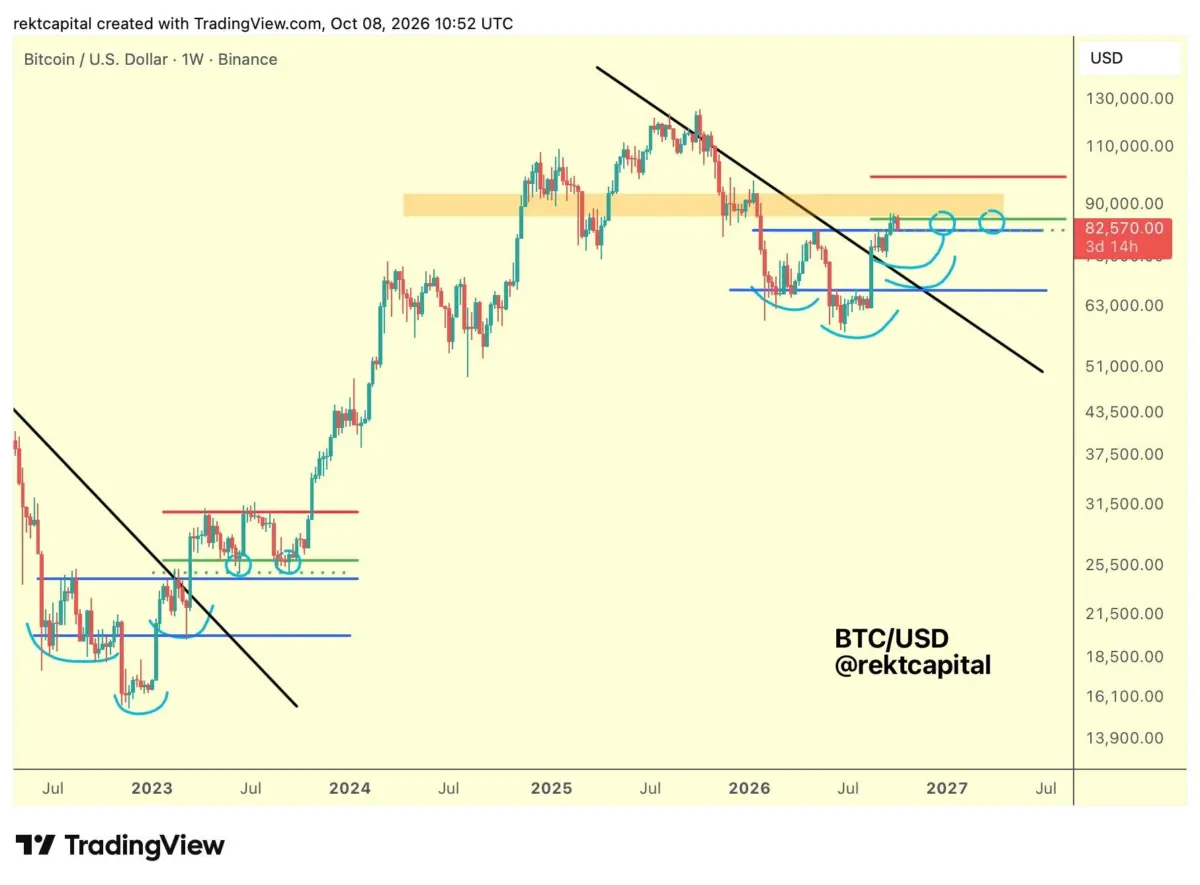
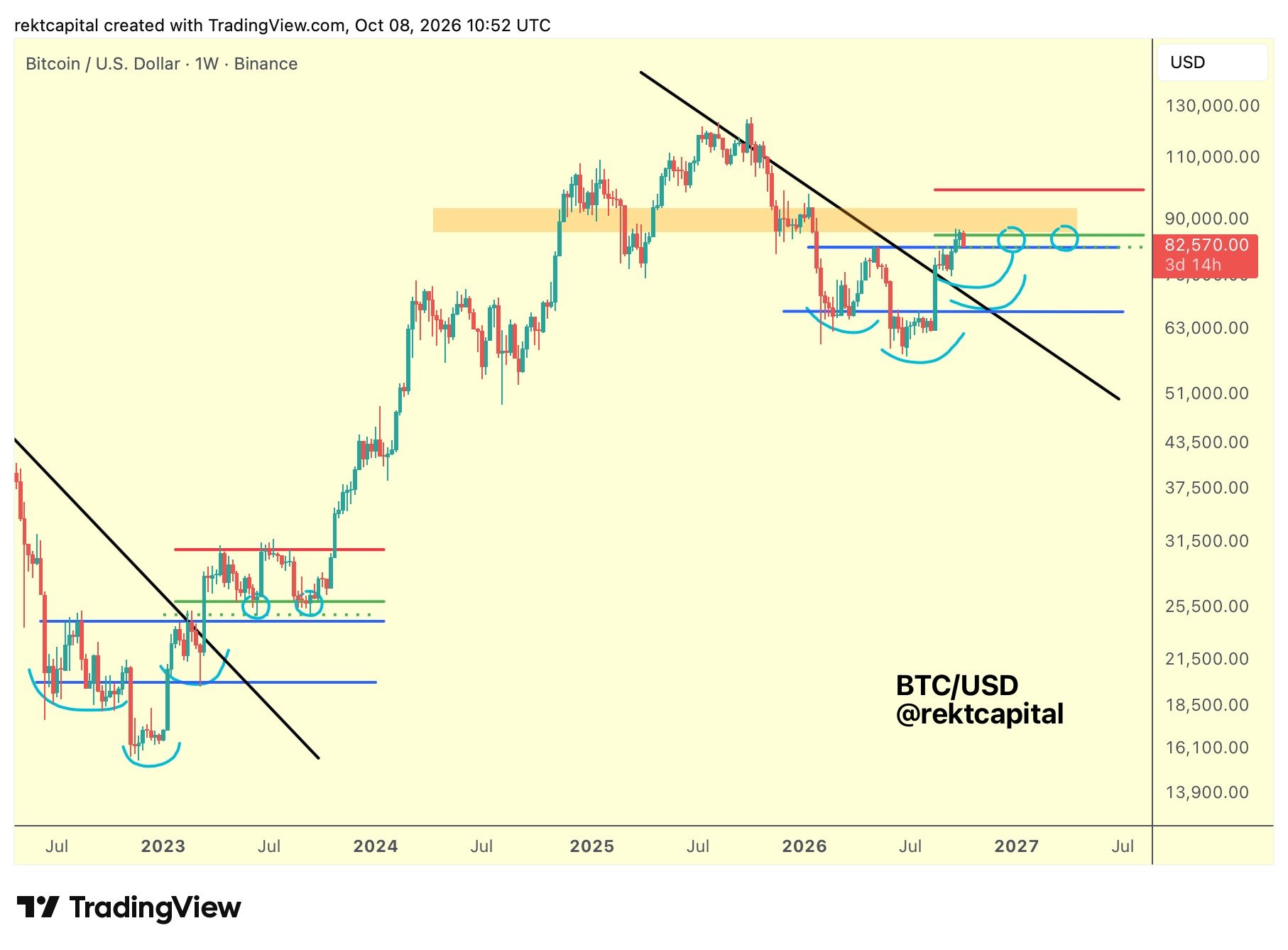
Following the circulation of these transfer reports, the BTC/USD pair slumped to $80,350 on the Bitstamp exchange, marking its lowest valuation since September 18. While the asset managed a modest recovery back toward the $82,500 threshold on Friday, this price level holds immense technical significance. The $82,500 mark had served as a crucial pillar during Bitcoin’s broader upward trajectory since early July, acting as the breakout point for an inverse head-and-shoulders technical pattern. For the bullish reversal to maintain credibility and strength, market analysts emphasize that Bitcoin needs to successfully reclaim and hold this specific zone as solid support.
Prominent trader and cryptocurrency analyst Rekt Capital, who has been closely monitoring the development of this reversal pattern and drawing parallels to Bitcoin’s notable 2023 recovery, pointed to the impending weekly candle close as the ultimate litmus test for the market’s near-term direction.
"Bitcoin is currently failing its retest of ~$82,500," Rekt Capital observed on social media platform X on Thursday. He added that if the asset records a definitive weekly close below the $82,500 threshold and successfully flips that historical support level into resistance, Bitcoin will likely return to its broader macro accumulation range.
Short-Term Holders Send 55,600 BTC to Exchanges at a Loss
Beneath the derivative market liquidations and shifting price charts, onchain data revealed deep psychological stress and capitulation among newer, less seasoned Bitcoin investors as the market correction deepened.
According to metrics highlighted by Amr Taha, a contributor to the onchain analytics platform CryptoQuant, short-term holders—defined as entities that have held their Bitcoin supply for up to six months without moving it—poured an astonishing 55,600 BTC onto centralized exchanges at a loss on Thursday alone.
In blockchain analytics, transactions executed at a loss signify that the coins are being transferred to trading venues at a lower price point than when they were acquired during their previous onchain movement. Such behavior is frequently indicative of an emotional, impulsive reaction by retail or speculative investors attempting to cut their losses and exit their positions out of fear of even greater downside if they delay their sales.
CryptoQuant noted that Thursday’s single-day loss tally exceeded the volume observed on June 26, when Bitcoin dropped below the $60,000 threshold for the second consecutive day during an earlier summer market slump.
"Notably, Bitcoin was trading above $81,000, compared with $59,300 in June — a price difference exceeding 36%," the contributor wrote in an analytical breakdown. He also noted that while users transferred substantial sums to exchange accounts, it remains possible that not every investor chose to liquidate the entirety of their holdings immediately upon arrival.
Despite the immediate pain inflicted on retail portfolios, historical market precedents suggest that intense bouts of loss-driven selling by short-term participants often coincide with localized capitulation phases. When weaker hands are thoroughly exhausted and washed out of the market through forced liquidations and panic-selling, it frequently clears the psychological overhang necessary to pave the way for a subsequent structural price recovery.