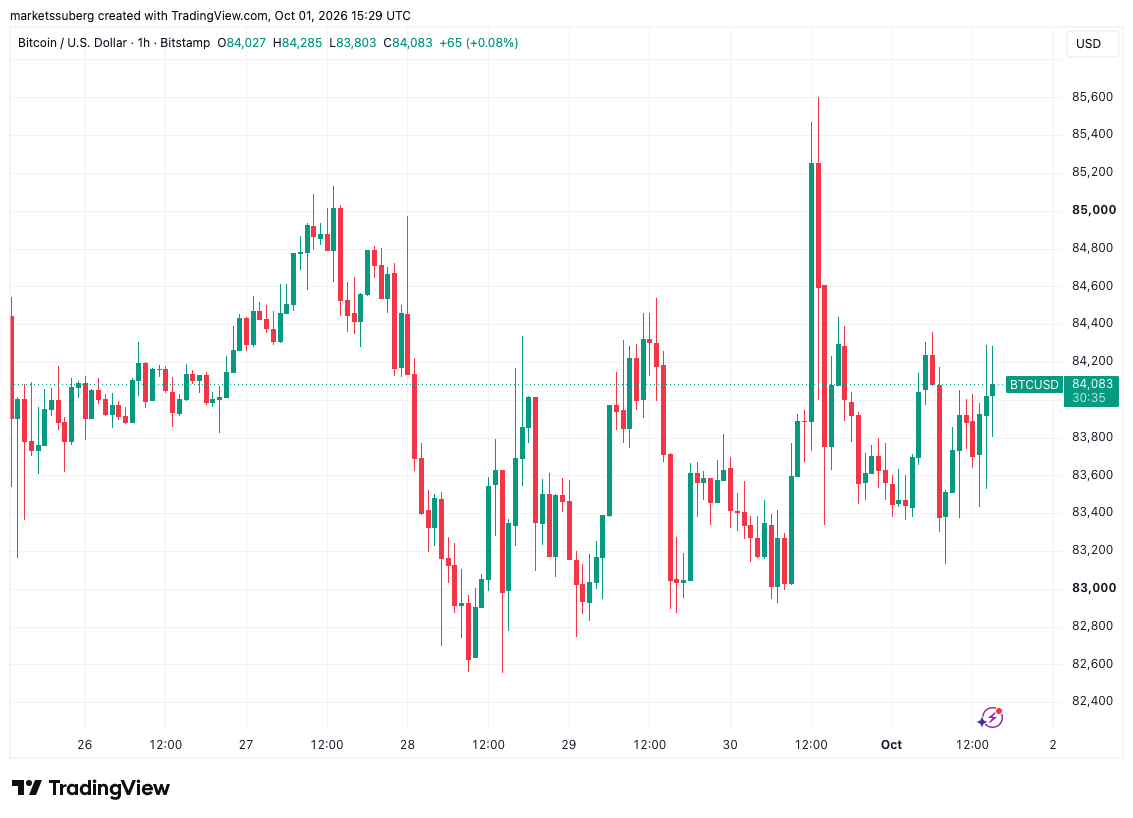
Bitcoin pushed above $84,000 around Thursday’s Wall Street opening bell, finding temporary relief as United States bond yields retreated from fresh multi-decade highs. The flagship cryptocurrency registered steady price action, maintaining a constructive technical pattern on lower timeframes as broader macroeconomic headwinds continued to dictate market sentiment across traditional and digital asset classes alike.
Data from TradingView highlighted that BTC/USD managed to preserve a consistent pattern of higher lows on hourly timeframes, trading up approximately 0.6% on the day. This resilient posture emerged amidst a turbulent macroeconomic backdrop defined by dramatic shifts in the fixed-income market, where soaring government bond yields have recently captured the undivided attention of global investors.
US Bond Yields Head Lower After Fresh Macro Highs
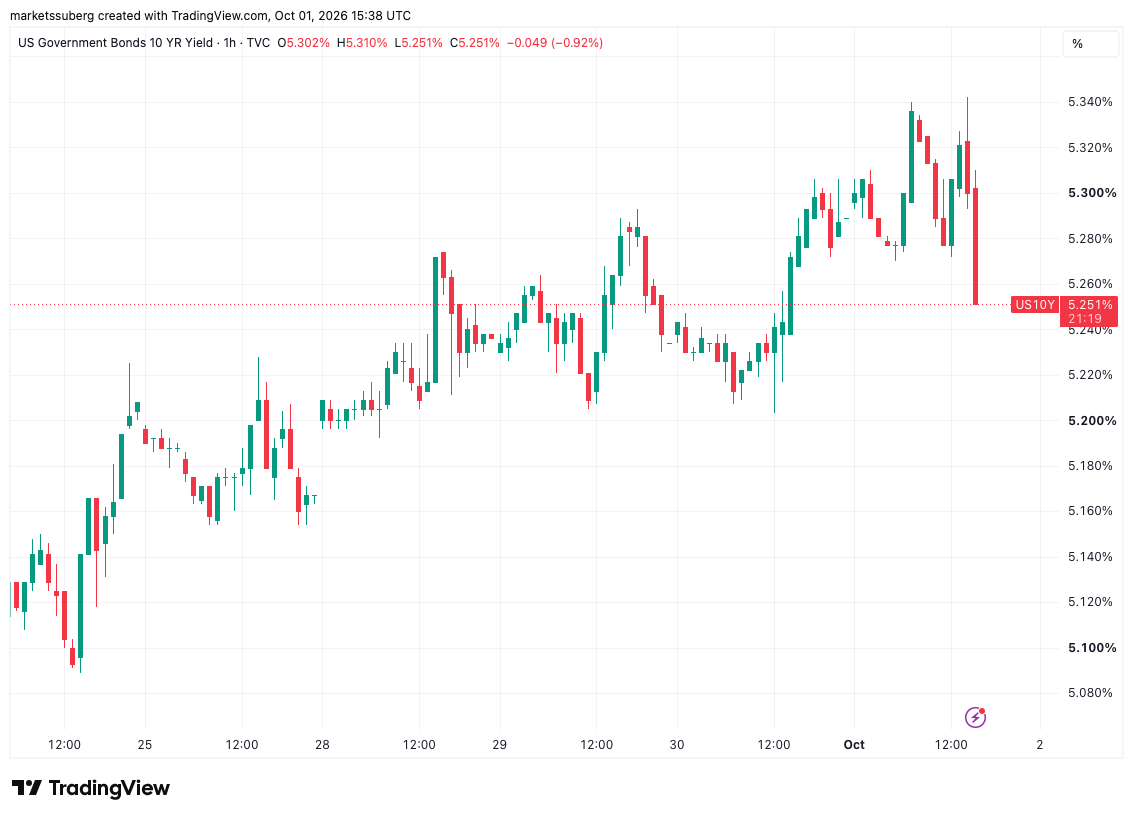
The primary catalyst driving market volatility earlier in the session stemmed from the US Treasury market, where both the 30-year and 10-year yields surged to striking new macro highs. Most notably, the US 10-year Treasury yield climbed to 5.342%, a critical milestone representing a level not witnessed since April 2002. However, following this dramatic ascent, the yield experienced a retreat, dropping back to 5.251% by the time of writing, which offered a brief window of stabilization for risk-on assets, including cryptocurrencies.

The forces fueling this ongoing and intense bond-market sell-off have drawn deep concern from veteran economists and financial analysts. Discussing the macroeconomic drivers behind the phenomenon, Mahmood Pradhan, former deputy director of the European department at the International Monetary Fund, observed in comments to the New York Times that financial markets worldwide have grown "very nervous" regarding mounting public debt levels. He pointed out that as yields climb higher, the immediate consequence is a severe escalation in borrowing and interest costs for sovereign governments.
Adding to the complexity of the global economic climate, Pradhan emphasized that geopolitical friction has severely compounded these financial pressures. "The Middle East war has really turned everything around," he stated, noting that the resulting escalation in oil prices has already begun to feed directly into stubborn domestic inflation data.
This persistent inflationary pressure continues to complicate the path forward for monetary policymakers. As previously reported, the August reading of the US Personal Consumption Expenditures (PCE) index—widely recognized as the Federal Reserve’s preferred gauge for measuring inflation—came in slightly below expectations at 3.4% on a year-on-year basis. Despite the softer reading, financial markets demonstrated a remarkably muted reaction. Market analysts largely attributed the headline decline to a technical adjustment in how the PCE index was calculated rather than a genuine cooling of underlying economic pressures.
The disconnect between official inflation metrics and market reality has not gone unnoticed by digital asset commentators. Sharing his perspective on the ongoing fixed-income turmoil, crypto analyst Benjamin Cowen pointed directly to institutional skepticism regarding central bank policy. "Yields have gone up rapidly since the market became concerned that the Fed was no longer taking inflation seriously," Cowen told his followers on the social media platform X. He added bluntly: "Well the bond market has revolted, and until the Fed gets a proper handle on inflation, this will likely continue."
Analysis: Bitcoin Support Retest ‘Could Get Messy’
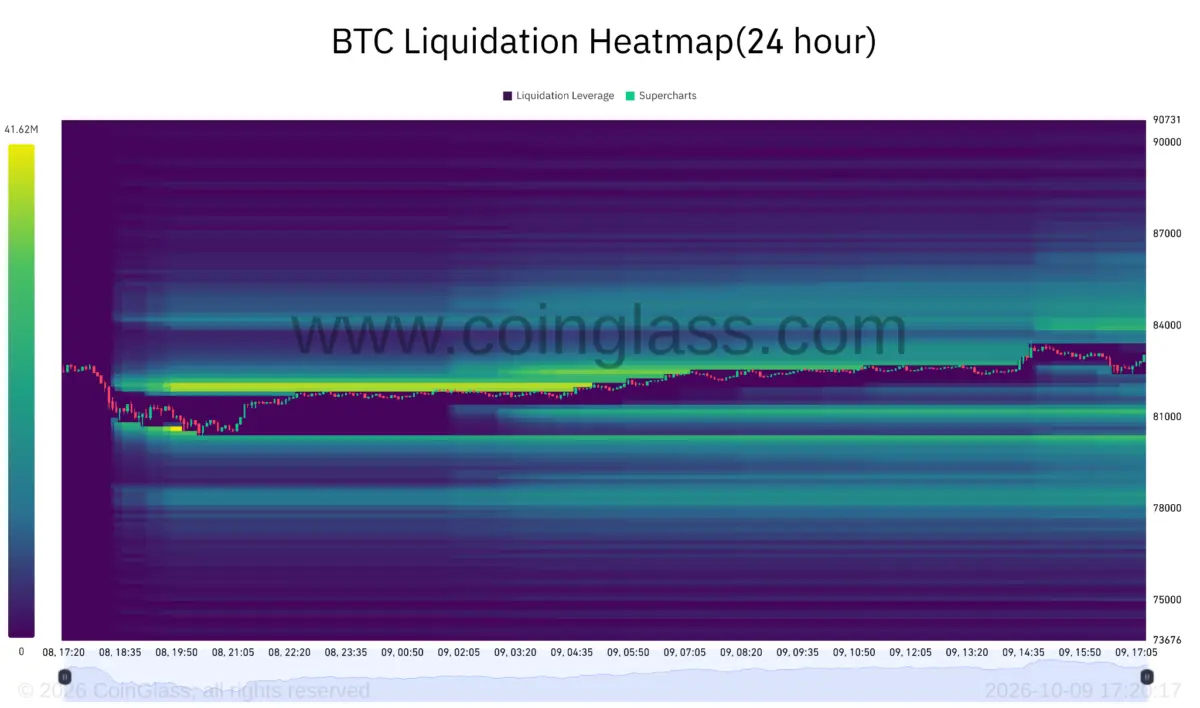
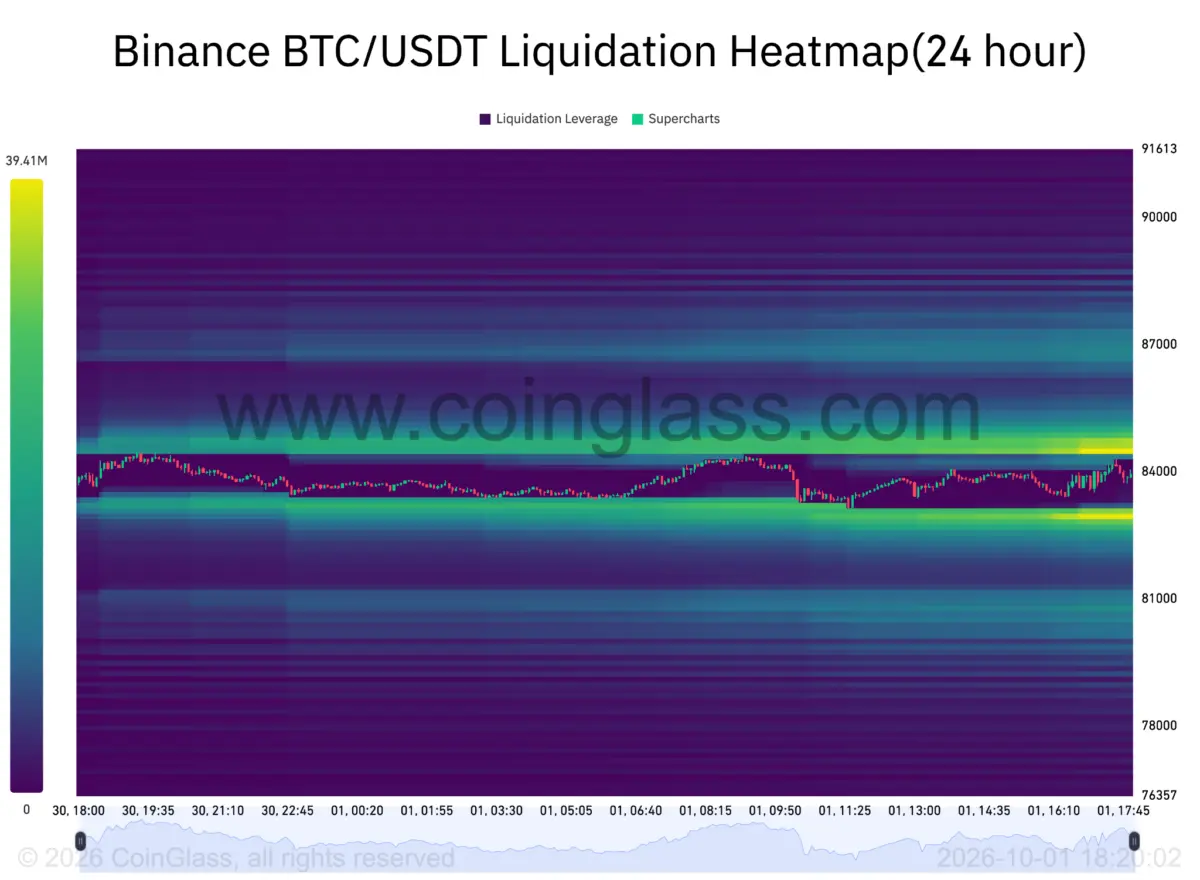
Against this backdrop of macro-driven uncertainty, Bitcoin’s immediate spot price has been oscillating between thick layers of liquidity resting on exchange order books both above and below current market valuations. According to data provided by CoinGlass, key liquidity clusters around $84,500 and $82,900 have emerged as primary areas of interest, acting as magnetic forces pulling price action in either direction as traders gauge market direction.
Intraday market dynamics remained relatively balanced, with total liquidations across the broader cryptocurrency market reaching $25 million over the preceding 24-hour window. This flushing out of leveraged positions helped preserve tightly rangebound conditions as spot prices hovered around the mid-$84,000 threshold.
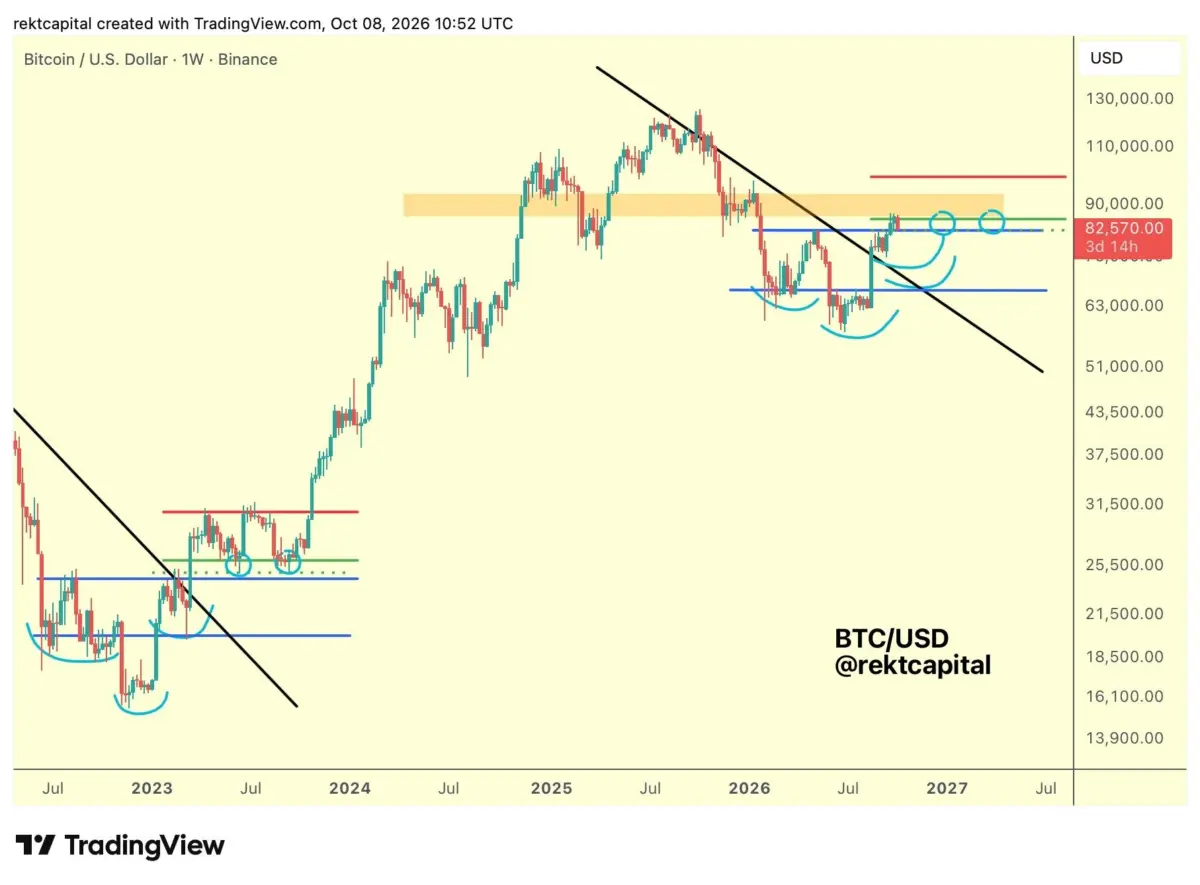
Evaluating the current structural setup, prominent trader and analyst Rekt Capital offered a cautious outlook regarding Bitcoin’s immediate technical path, forecasting a potential fresh dip toward crucial support situated around the $82,500 region. "A successful retest there could set up the next trend continuation," Rekt Capital wrote in a post on X. "History suggests this retest could get messy, but let’s take it one level at a time and not look too far ahead."
This perspective aligns with earlier assessments from the analyst, who previously stressed that the ability of market bulls to successfully defend and hold the $82,500 level as a firm support floor will ultimately dictate the broader trajectory of Bitcoin’s ongoing market rebound. As the traditional financial markets continue to digest shifting bond yields and geopolitical tensions, digital asset participants remain vigilant, watching critical support and resistance levels for the next definitive market move.