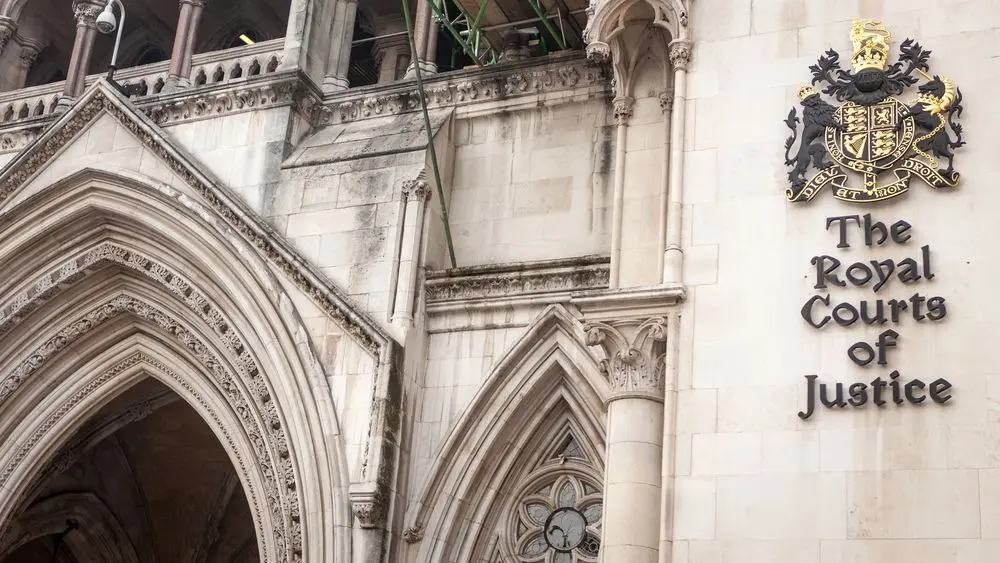
Two investment subsidiaries of prominent digital asset market maker DWF Labs have launched legal action against major cryptocurrency custodian BitGo, filing a high-stakes lawsuit in London’s High Court. According to a report published by the Financial Times, the legal dispute centers on allegations that BitGo breached the contractual lock-up terms of a private token sale, a move that the plaintiffs claim directly precipitated a severe decline in asset valuations and resulted in millions of dollars in financial damages.
The lawsuit has been initiated by British Virgin Islands-registered DWF Maas and Panama-registered Falcon Digital, both operating under the broader umbrella of DWF Labs. The core of the legal complaint involves an agreement wherein the DWF subsidiaries agreed to sell Falcon Finance (FF) tokens and ESPORTS tokens to BitGo at a discounted rate. In exchange for the discounted entry price, the transaction was subject to a strict three-month lock-up period designed to ensure market stability and prevent immediate liquidations that could depress market prices.
Private token sales and over-the-counter discounted arrangements are standard practices within the broader cryptocurrency and digital asset industry. Issuers and early-stage project developers frequently utilize these mechanisms to raise essential capital for ecosystem development, marketing, and operational runways without inviting immediate downward market pressure. The foundational premise of these agreements relies on the good faith and contractual obligation of buyers and custodians to restrict circulation, ensuring that tokens cannot be freely dumped onto open public exchanges immediately following a purchase.
However, the legal filings submitted to London’s High Court allege that BitGo violated these core contractual parameters by liquidating or moving the digital tokens before the agreed-upon lock-up periods had officially expired. DWF Maas and Falcon Digital argue that this premature release of assets into circulation exerted significant downward pressure on the tokens, severely destabilizing their market values and causing direct financial losses to the investment firms.
Market data cited in the legal proceedings illustrates the steep declines experienced by both assets during the periods in question. The Falcon Finance token, trading under the ticker FF, experienced a downward slide from approximately 8 cents per token at the onset of the lock-up period in early March, descending to roughly 7 cents by late April. The trajectory for the ESPORTS token was even more pronounced, falling from an estimated 28 cents per token in mid-March down to a mere 7 cents by early June.
As a direct consequence of these price erosions, DWF is seeking a staggering $114 million in damages from BitGo. The plaintiffs maintain that this monetary figure accurately reflects the direct losses suffered as a result of the collapse in market valuation brought about by the alleged unauthorized token sales.
Elaborating on the contractual violations, representatives for DWF underscored that the pricing structure of the deal was inextricably linked to the restriction periods. "The discount BitGo received was conditional on the tokens remaining locked, and they were moved to exchanges roughly two months before the first unlock," DWF stated, according to the Financial Times report. The firm added that efforts to resolve the matter privately yielded no results, noting, "We raised this with BitGo in April and May, and with no undertaking forthcoming, court action became necessary."
The legal battle arrives at a time of heightened scrutiny for DWF Labs and its leadership figures within the global cryptocurrency ecosystem. The market maker and its associated entities have frequently found themselves at the center of high-profile industry transactions and political intersections. Notably, DWF made headlines last year when it executed a $25 million investment into WLFI tokens, the native digital asset associated with World Liberty Financial, a decentralized finance cryptocurrency project backed by United States President Donald Trump and members of his family.
That high-profile investment drew immediate scrutiny and concern from several lawmakers and regulatory observers in Washington, D.C. Critics raised questions regarding DWF’s corporate history and the background of its founder, Andrei Grachev. Regulatory and legislative inquiries specifically highlighted Grachev’s prior professional associations, including his tenure as the CEO of the Russian arm of cryptocurrency exchange Huobi between 2018 and 2019. Huobi and associated entities have faced severe regulatory headwinds, including being subjected to sanctions in various international jurisdictions for allegedly assisting Russian financial networks in evading Western sanctions.
Despite the gravity of the allegations brought forward in the London High Court and the broader regulatory background surrounding its leadership, the immediate fallout of the lawsuit remains to be seen. Representatives for both DWF Labs and BitGo did not immediately respond to requests for comment from industry media outlets regarding the specifics of the ongoing litigation or the likelihood of an out-of-court settlement. As the case proceeds through the British legal system, it is expected to draw close attention from digital asset custodians, institutional investors, and market participants alike, potentially setting a significant legal precedent for the enforcement of token lock-up agreements and the fiduciary responsibilities of crypto custodians.