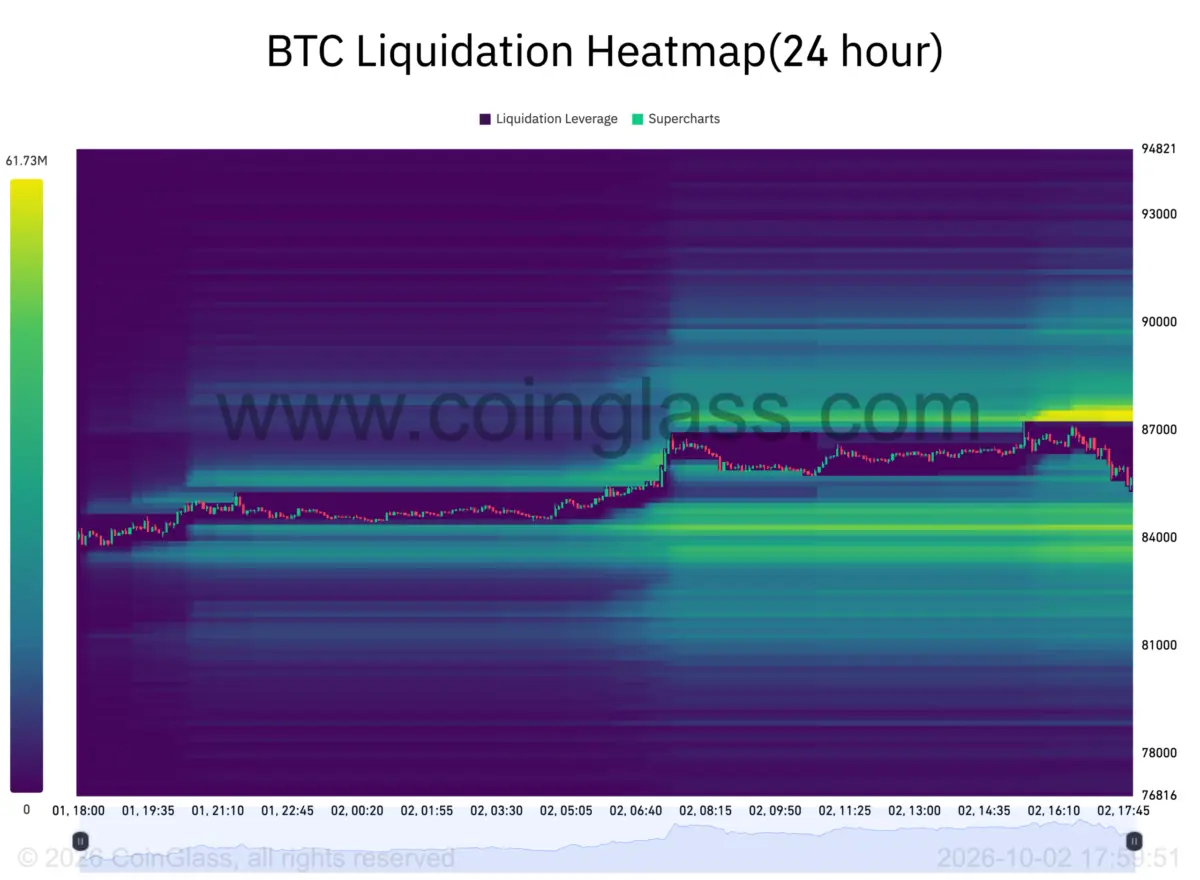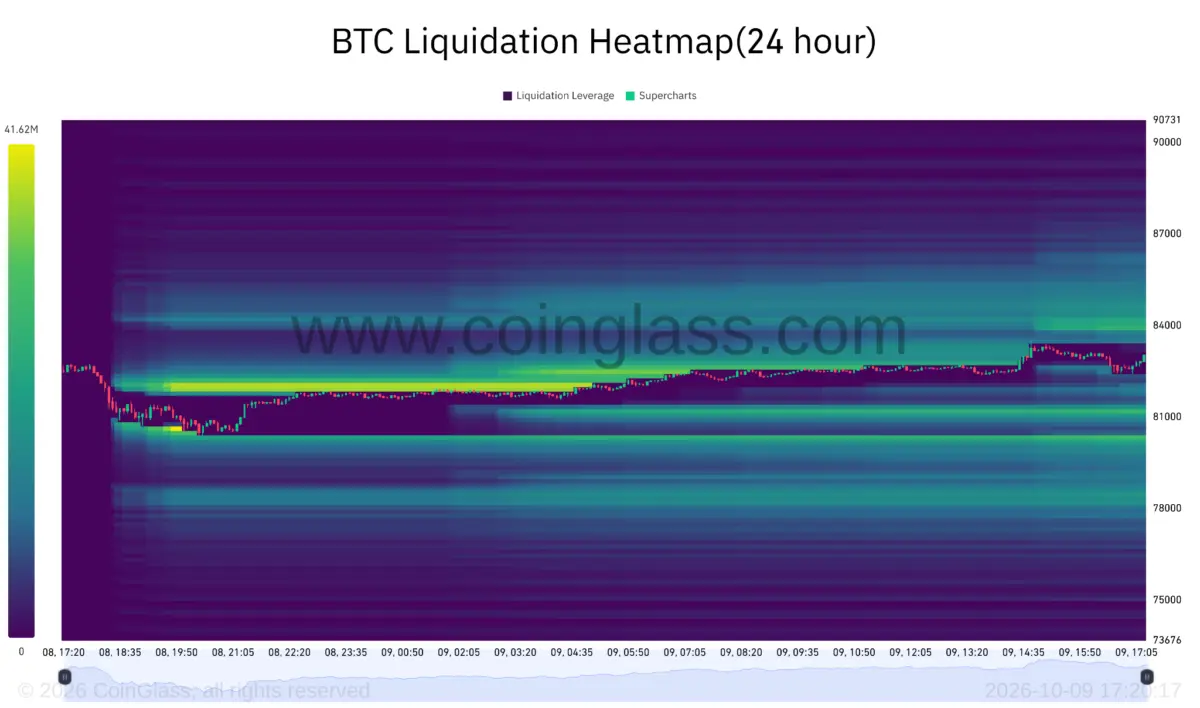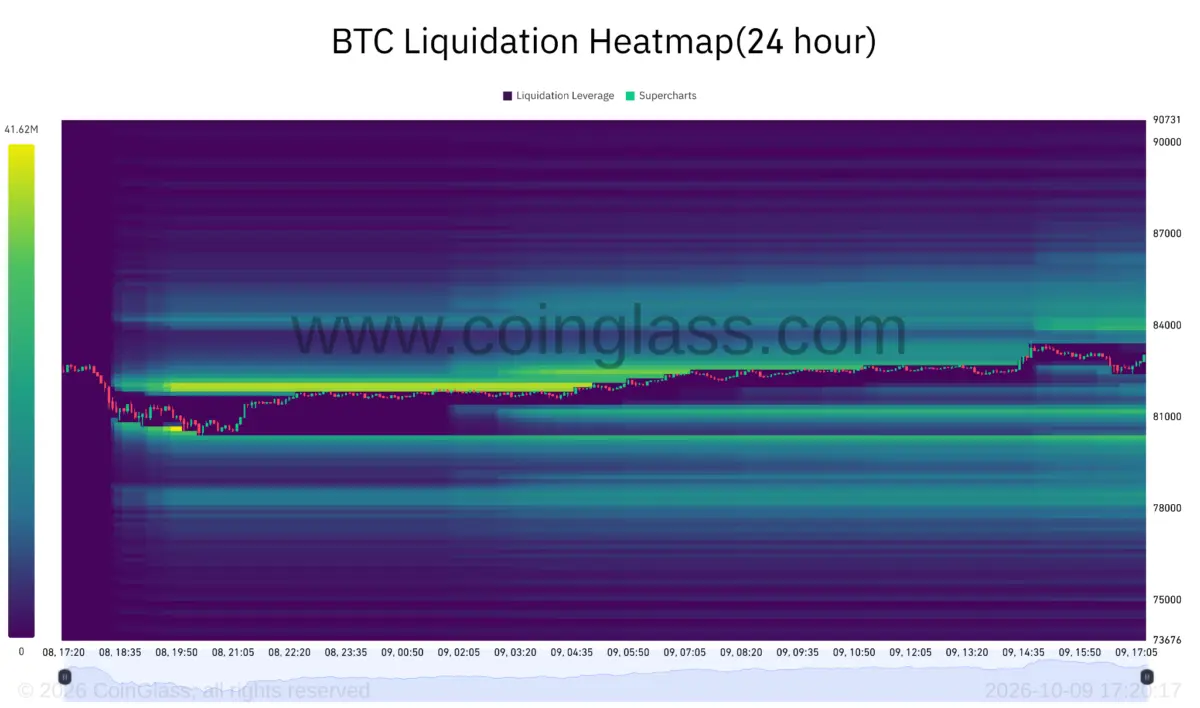
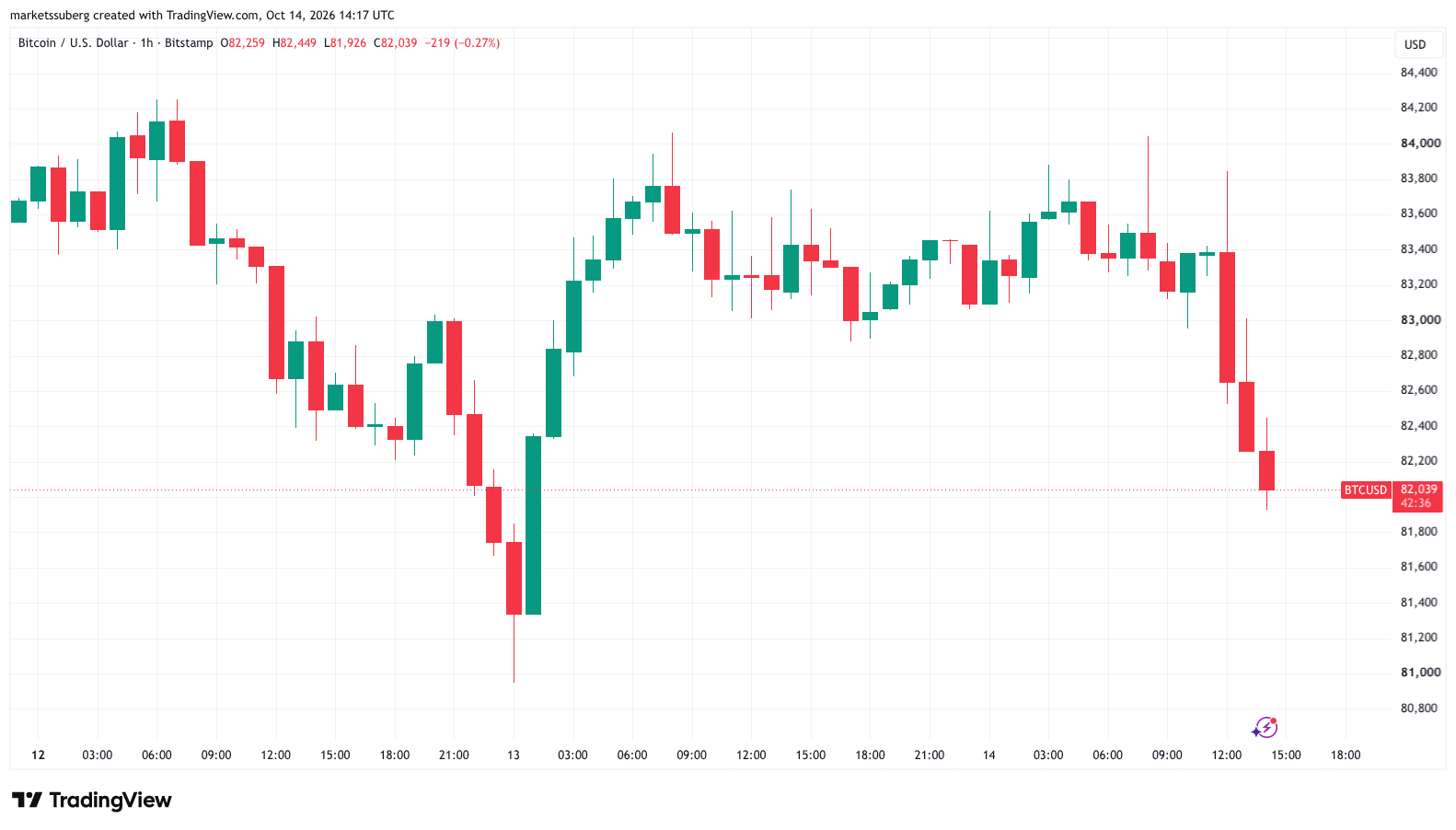
Bitcoin (BTC) dropped beneath the crucial $82,000 threshold following Wednesday morning’s Wall Street opening bell, reacting swiftly to hotter-than-expected United States consumer inflation data for September.
Market data from TradingView captured an immediate, broad-based sell-off across multiple asset classes. Alongside cryptocurrency, gold and stock-market futures experienced downward pressure as the macroeconomic landscape shifted in response to the latest Consumer Price Index (CPI) report released by the Bureau of Labor Statistics (BLS).

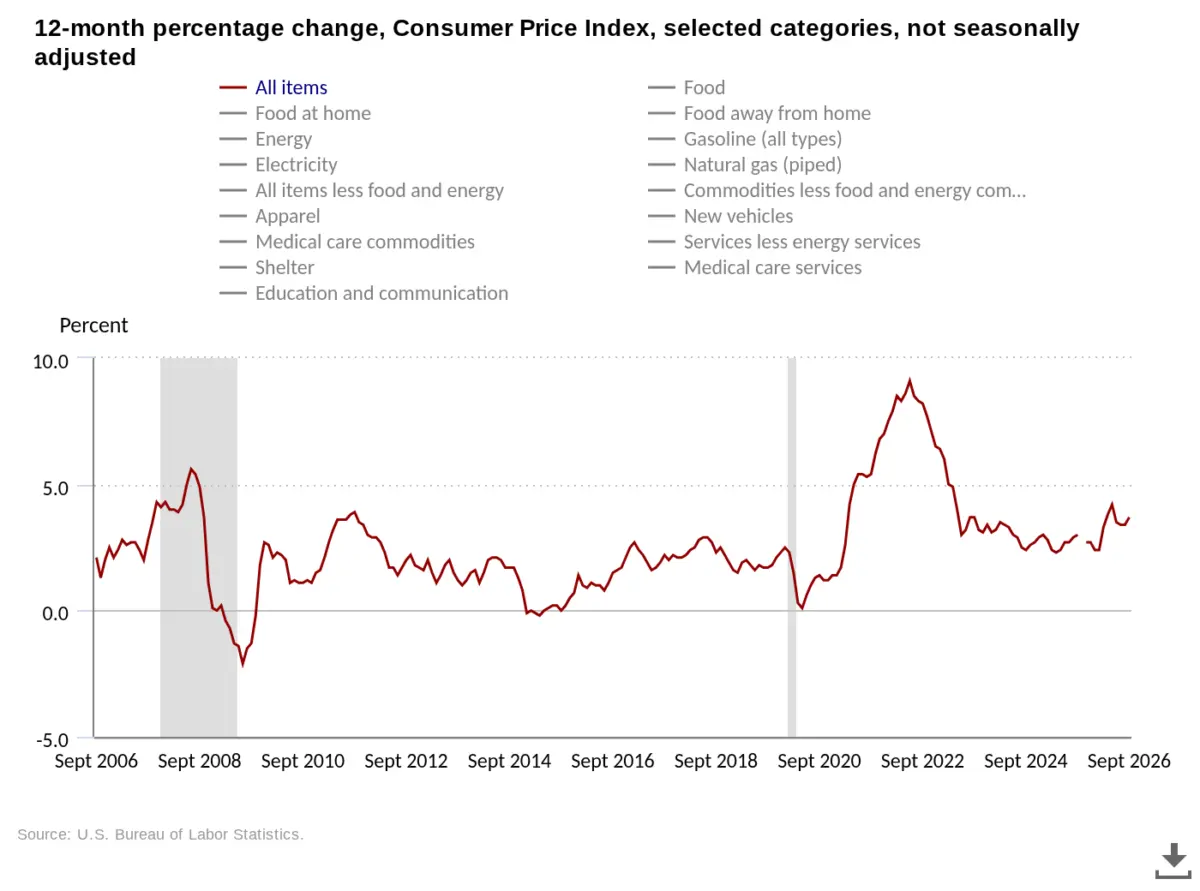
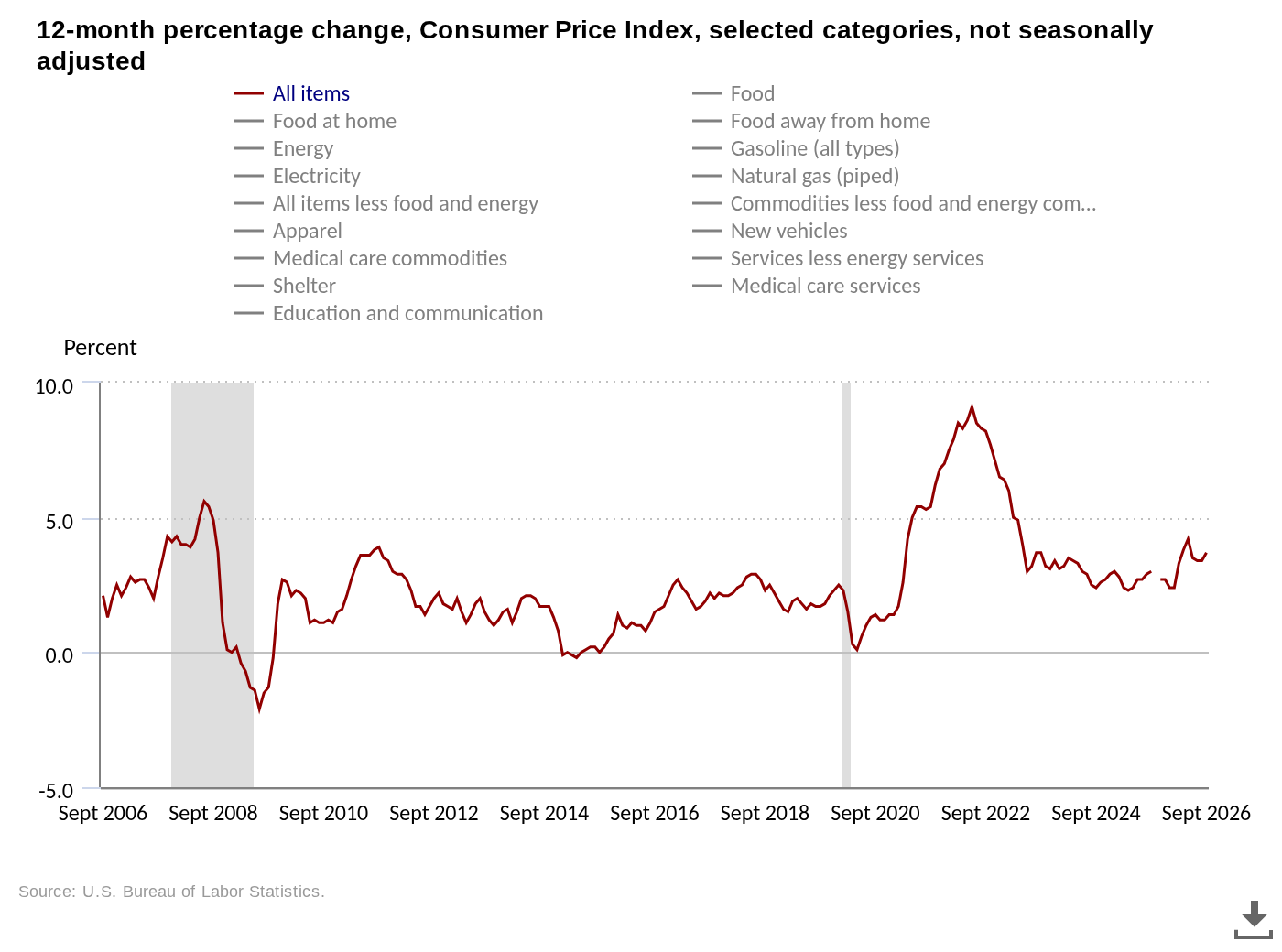
According to the official government release, the headline Consumer Price Index rose 3.7% year-on-year for September. This reading came in 0.1% higher than the majority market consensus, catching several investors off guard. Analysts pointed out that the overarching upward pressure was heavily driven by surging fuel costs stemming from geopolitical tensions in the Middle East and a wider oil-supply crisis.
The BLS report specifically highlighted the impact on transportation and energy expenses, noting that the index for gasoline climbed 9.1% in September alone. This single component accounted for over half of the monthly increase across all tracked items. Furthermore, the broader energy index surged 5.2% over the month, marking a significant acceleration following a 2.1% increase in August.
Inflationary pressures extended well beyond volatile energy markets. Core CPI—a vital economic gauge that strips out volatile food and energy prices—also outpaced forecasts. Core inflation came in at 2.6% year-on-year, likewise exceeding expectations by 0.1%.
The persistent stickiness of consumer prices drew immediate commentary from macroeconomic analysts. Sonu Varghese, chief macro strategist at the Carson Group, suggested that elevated inflation figures ought to have been anticipated by the wider investment community. Speaking to financial media, Varghese remarked that the only true surprise is that investors continue to be caught off guard by broad-based inflation, adding that the market has yet to fully absorb the lagged impacts of climbing diesel prices and the broader artificial intelligence infrastructure boom.
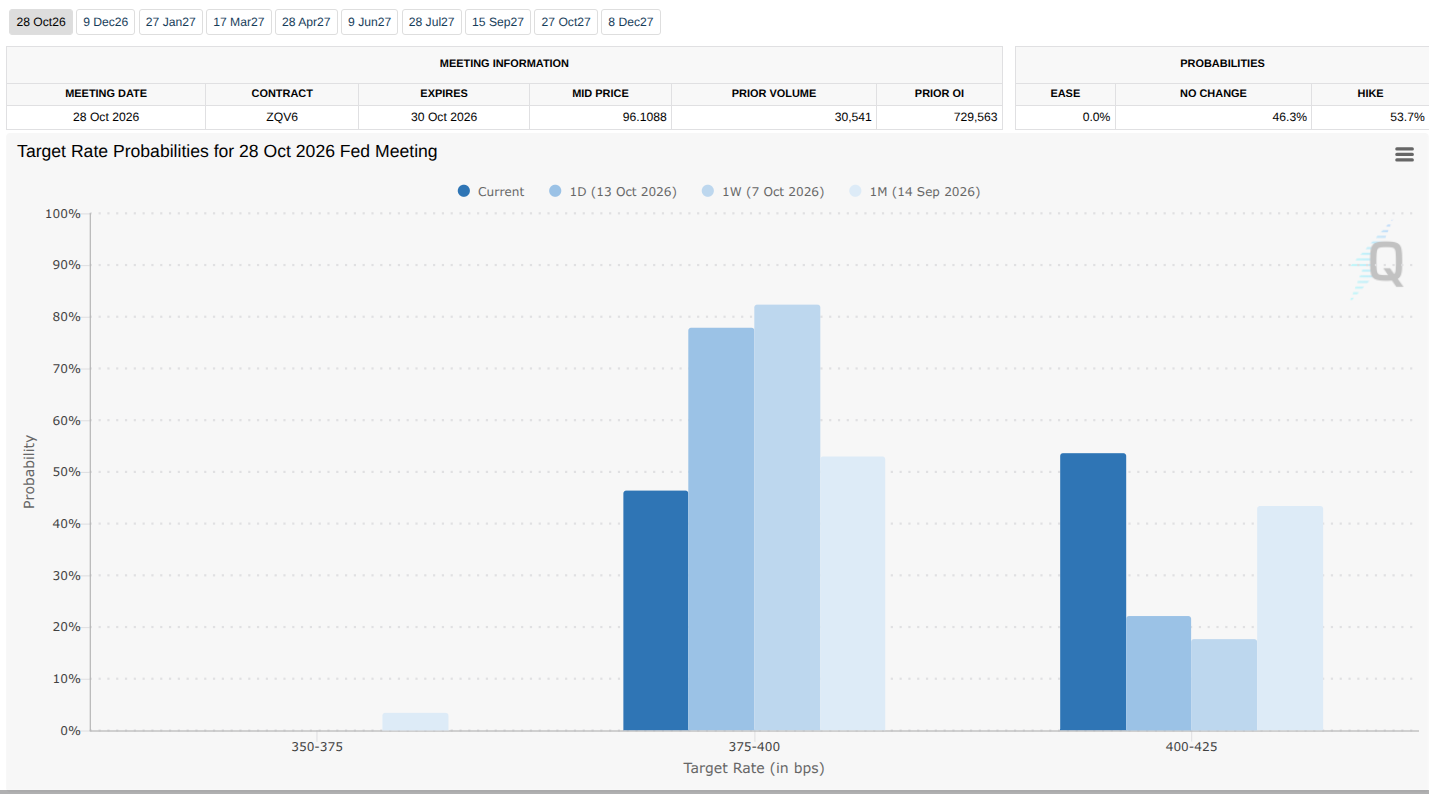
Following the inflation print, interest rate expectations underwent a rapid recalibration. CME Group’s FedWatch Tool data indicated that market participants began adjusting their forecasts regarding the trajectory of Federal Reserve monetary policy. The majority of market participants shifted toward favoring a 25-basis-point interest-rate hike at the central bank’s upcoming policy meeting scheduled for October 28. Odds for this outcome spiked to 53.7%, a sharp jump from just 22.1% recorded the previous day. Meanwhile, expectations for a subsequent 25-basis-point rate hike in December also stood firmly at 50%.
Economic analysts offered nuanced takes on how the Federal Reserve might balance these competing economic signals. Theresa Sheehan, an economic analyst at Econoday, noted that when taken in combination with the softer payroll numbers recorded in the September employment report, the Federal Open Market Committee (FOMC) will likely remain on hold regarding any immediate rate adjustments at the late-October meeting, though maintaining a definite bias toward a policy tightening move in December.
Financial markets are already looking ahead to the next tranche of macroeconomic data. As previous market reports outlined, the September Producer Price Index (PPI)—another critical indicator of wholesale pipeline inflation—is slated for release on Friday, providing further clarity on price trends working their way through the economy.
Analysis: High CPI “Last Thing Global Bond Markets Needed”
The hotter-than-anticipated CPI figures sent immediate shockwaves through traditional safe-haven assets and fixed-income markets. Gold prices suffered a notable pullback, falling as low as $4,079 per ounce in the immediate aftermath of the data release. Simultaneously, US Treasury bond yields experienced a sharp upward spike.
The benchmark 10-year Treasury yield, which is exceptionally sensitive to energy price shocks and shifting inflation outlooks, climbed to 5.329%. This put the yield roughly three basis points away from touching new 24-year highs, intensifying concerns over borrowing costs across the broader financial system.
The renewed turbulence in sovereign debt markets drew stark warnings from market observers. Economist Robin Brooks captured the sentiment in a published commentary, stating that the high inflation print was precisely what global bond markets did not need. Brooks noted that prior to the data release, there were tentative signs that the global bond sell-off was beginning to stabilize, but the latest figures effectively reignited pressures across fixed-income sectors.
Against this complex macroeconomic backdrop, Bitcoin price action continued to hover within a critical consolidation zone. BTC prices circulated tightly between $82,500 and $83,400, leaving market analysts and technical traders waiting for a decisive breakout to confirm whether this multi-week price band will successfully hold as firm macro support.