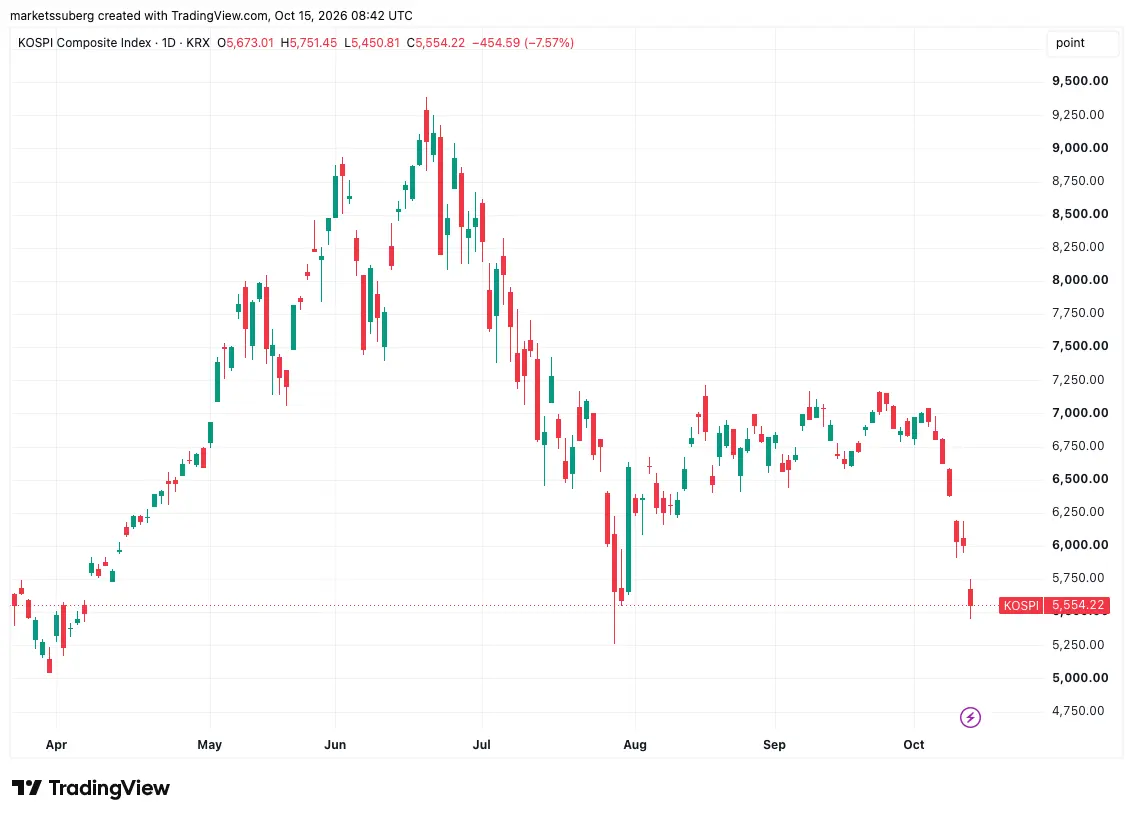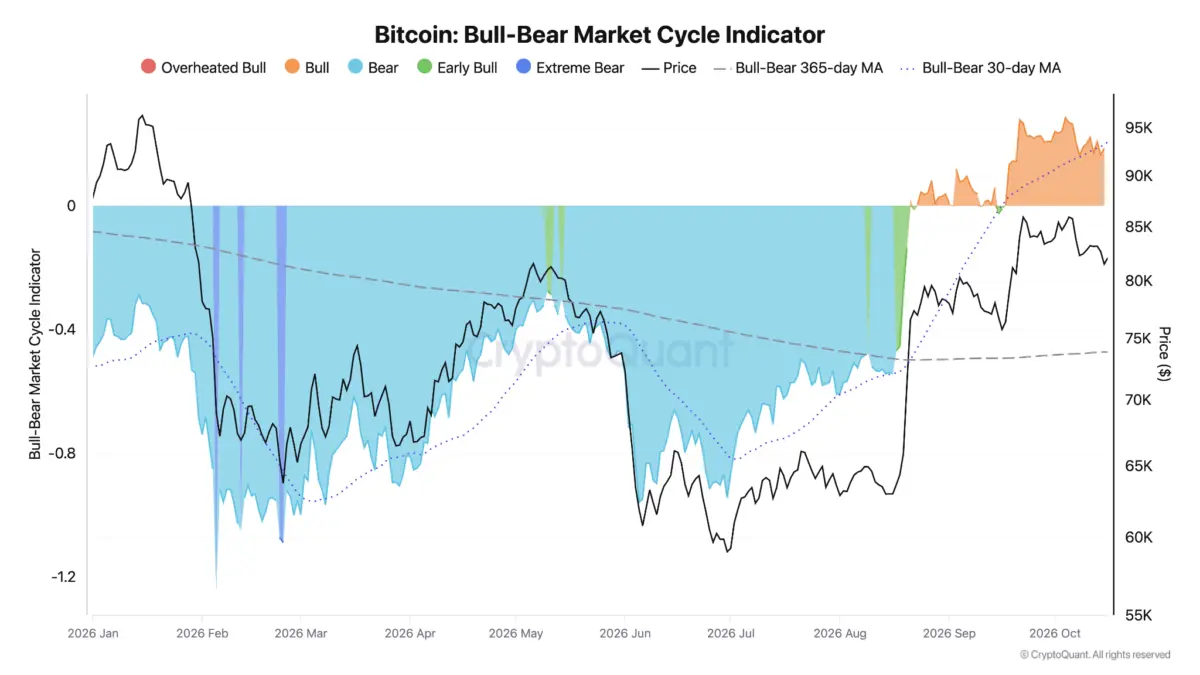
Bitcoin staged a decisive recovery on Tuesday, climbing back toward the $84,000 threshold and successfully retracing the losses sustained during the previous session. The upward price action unfolded as global cryptocurrency markets managed to decouple from a fresh wave of panic across South Korean equity markets, where a steep technology sell-off dragged major indices to critical technical lows.
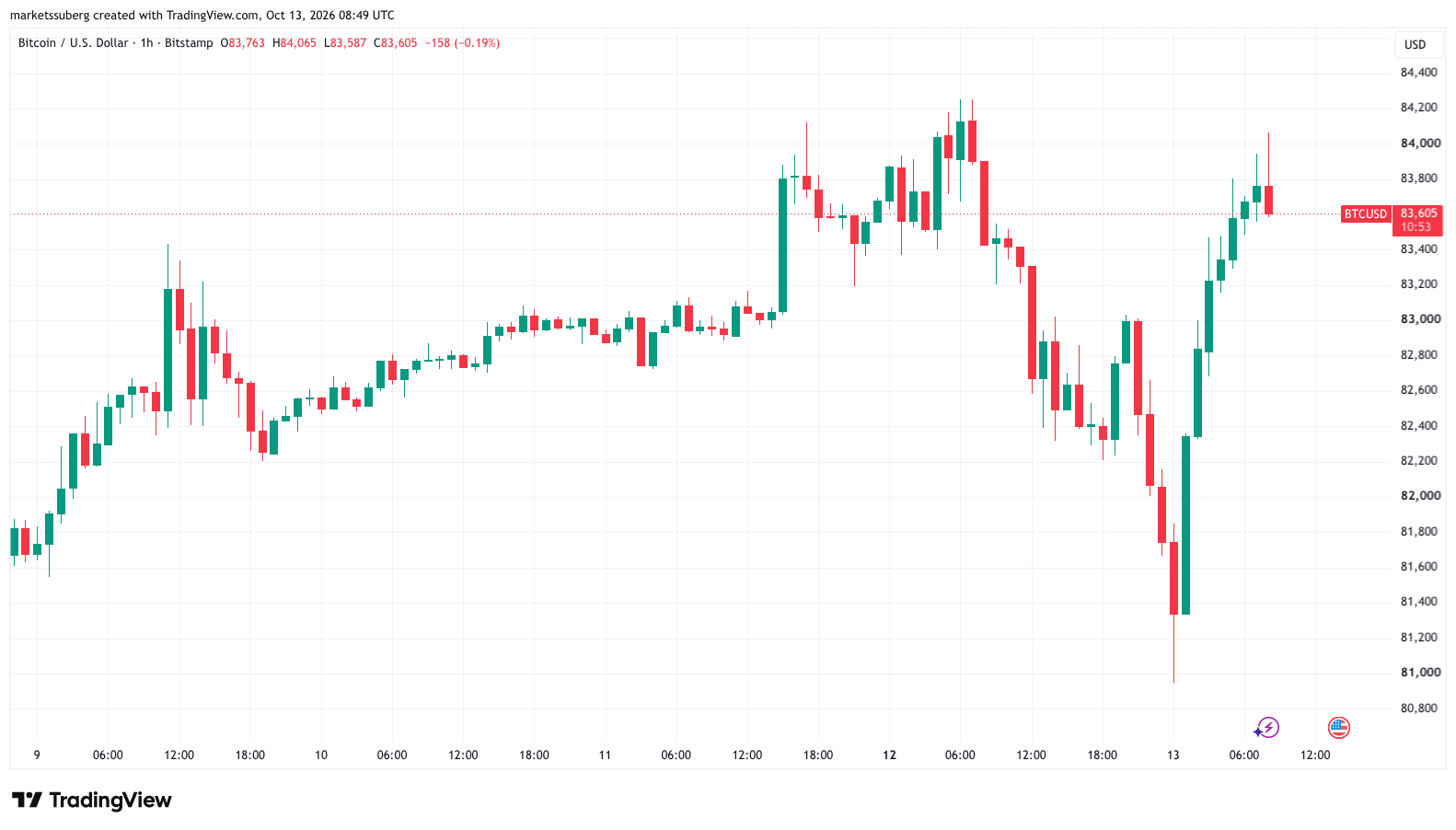
Data from TradingView indicated that BTC/USD gained more than 2.5% over the course of the day, touching an intraday high of $83,944 on Bitstamp. This recovery helped neutralize Monday’s downward pressure, which had been exacerbated by broader geopolitical tensions, including localized strikes in Ukraine and Iran that briefly pushed oil prices toward a one-month high. Despite macroeconomic uncertainties and shifting sentiment across traditional financial sectors, Bitcoin demonstrated notable resilience, continuing to test the upper boundaries of its established local trading range between $80,000 and $87,000.

South Korea’s KOSPI Loses 200-Day Trend Line as Panic Returns
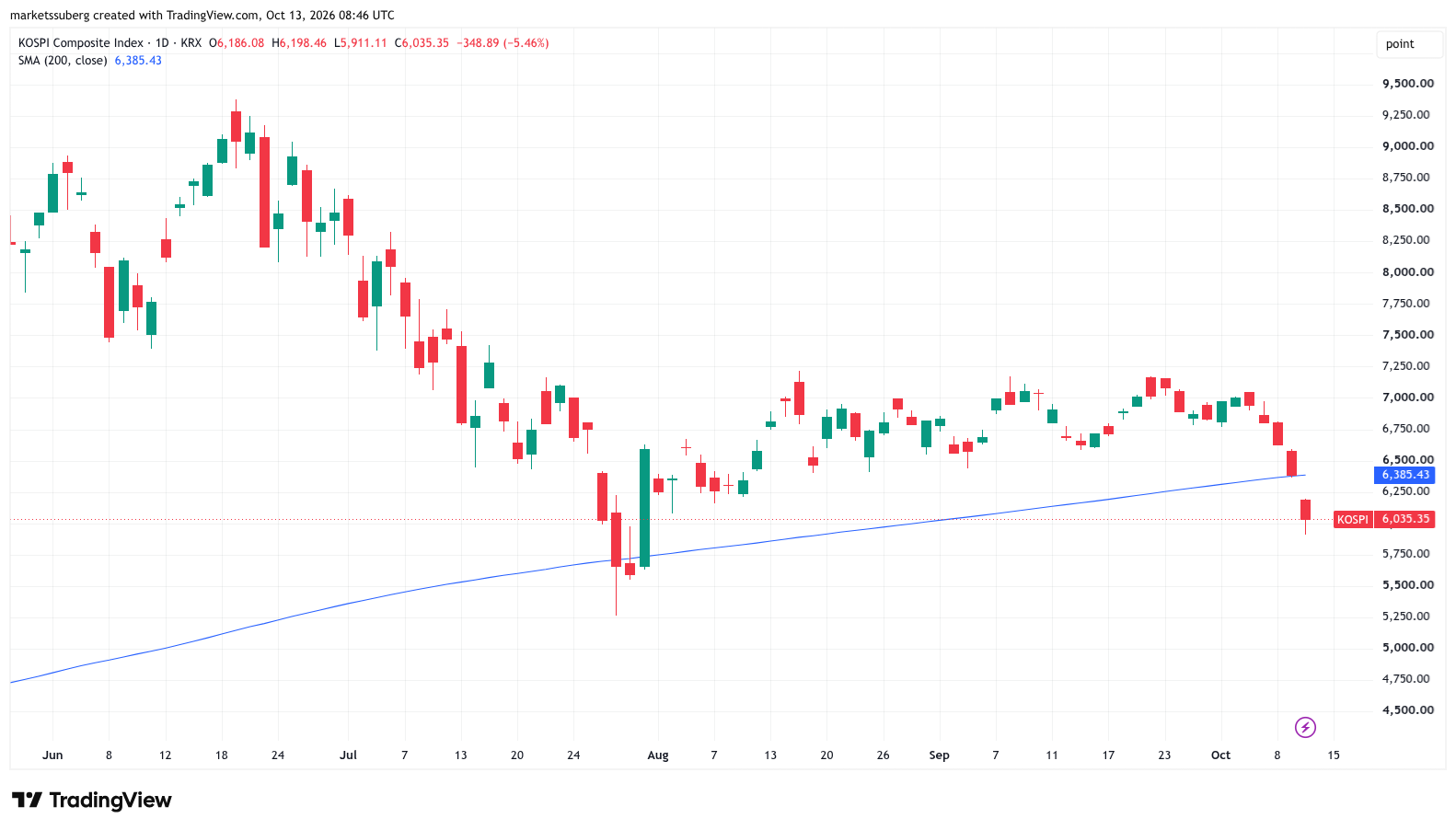
The broader financial backdrop on Tuesday was defined by intense selling pressure in Asia, centered primarily on South Korea’s benchmark KOSPI Composite Index. The index extended its weekly losses to 7.4%, driven by an aggressive tech sell-off that breached its closely watched 200-day moving average for the first time since late July. The violation of this critical long-term trend line sent shockwaves through regional trading desks, reviving memories of the severe market correction witnessed in August.
Semiconductor and memory stocks bore the brunt of the downward momentum. SK Hynix closed the session down more than 10%, compounding the corporate challenges facing Samsung Electronics, which was already grappling with weaker-than-expected third-quarter earnings reported the previous week. Market data indicates that foreign investors have offloaded approximately 173 trillion Korean won—equivalent to roughly $129 billion—in SK Hynix and Samsung shares since the beginning of the year. These massive capital outflows account for the vast majority of total net selling across the KOSPI year-to-date.
Financial analysts noted that the current market jitters share striking similarities with the August rout, during which mounting concerns over the sustainability of the artificial intelligence boom and heavily leveraged corporate debt obligations triggered a wave of liquidations that quickly bled into international markets.
Speaking to CNBC on Monday, Vey-Sern Ling, senior equity advisor at Union Bancaire Privée (UBP), highlighted the psychological fragility of market participants. Investors are feeling increasingly jittery and are actively seeking opportunities to secure profits on high-flying artificial intelligence-related equities that have significantly outperformed broader markets this year, particularly within the memory chip sector. Ling also pointed to intensifying competition from mainland China as an escalating concern for Korean market participants, even while acknowledging that Chinese competitors still face substantial technological hurdles before they can fully close the gap.
Bitcoin Price Rebounds Despite Waning ETF Demand and Lower-Time-Frame Resistance
In sharp contrast to the August market correction—when digital assets closely mirrored the panic seen in traditional equities—Bitcoin avoided a copycat sell-off this week. Analysts have attributed this relative strength to shifting macroeconomic expectations, particularly regarding potential monetary policy easing by major global central banks. Investors are currently looking ahead to crucial United States inflation data due later in the week, which precedes the Federal Reserve’s upcoming interest rate decision scheduled for October 28. Current consensus expectations suggest that central bank officials will opt to keep interest rates steady at their present range of 2.75% to 4%.
What makes Bitcoin’s latest bounce particularly noteworthy is that it occurred against a backdrop of waning institutional demand in the spot market. October has seen a noticeable cooling of investor appetite for digital asset exposure, highlighted by persistent outflows from United States spot Bitcoin exchange-traded funds. Collectively, these investment products have registered $451 million in net outflows since the beginning of the month, including an additional $69 million in net redemptions recorded on Monday alone.
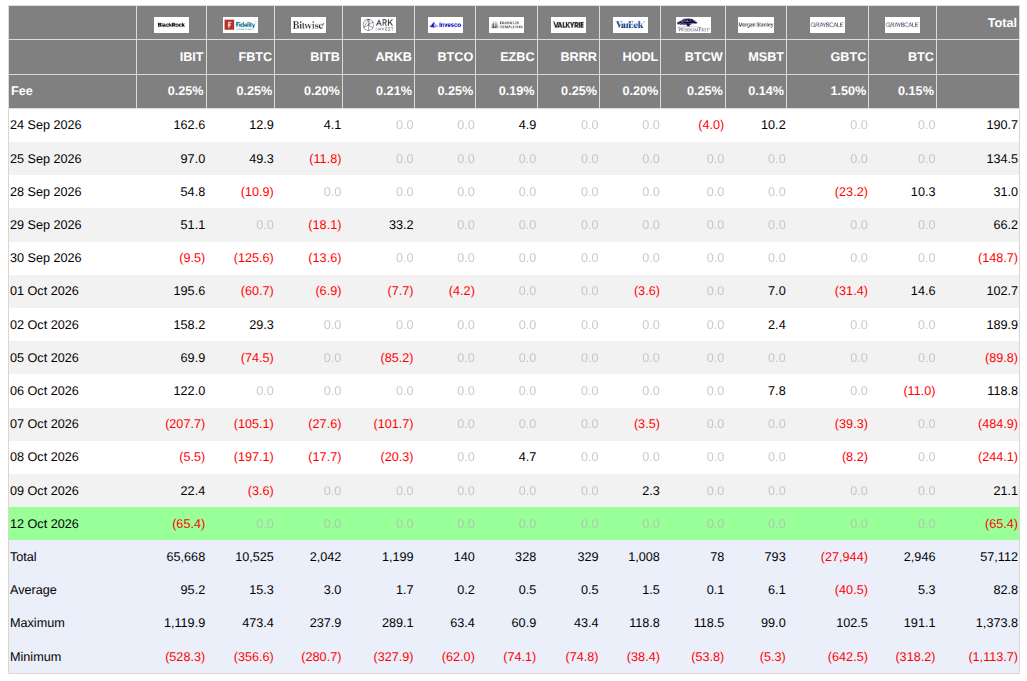
On-chain metrics and exchange order book data reveal that bulls are still facing formidable obstacles as they attempt to sustain momentum above the $84,000 level on lower time frames. According to liquidity metrics provided by CoinGlass, a dense and thickening concentration of ask liquidity has accumulated on exchange order books near the $84,000 mark. This heavy cluster of sell orders highlights a strong overhead barrier that buyers must actively absorb if Bitcoin is to break out of its current range and establish a more durable path toward higher price discovery in the weeks ahead.