
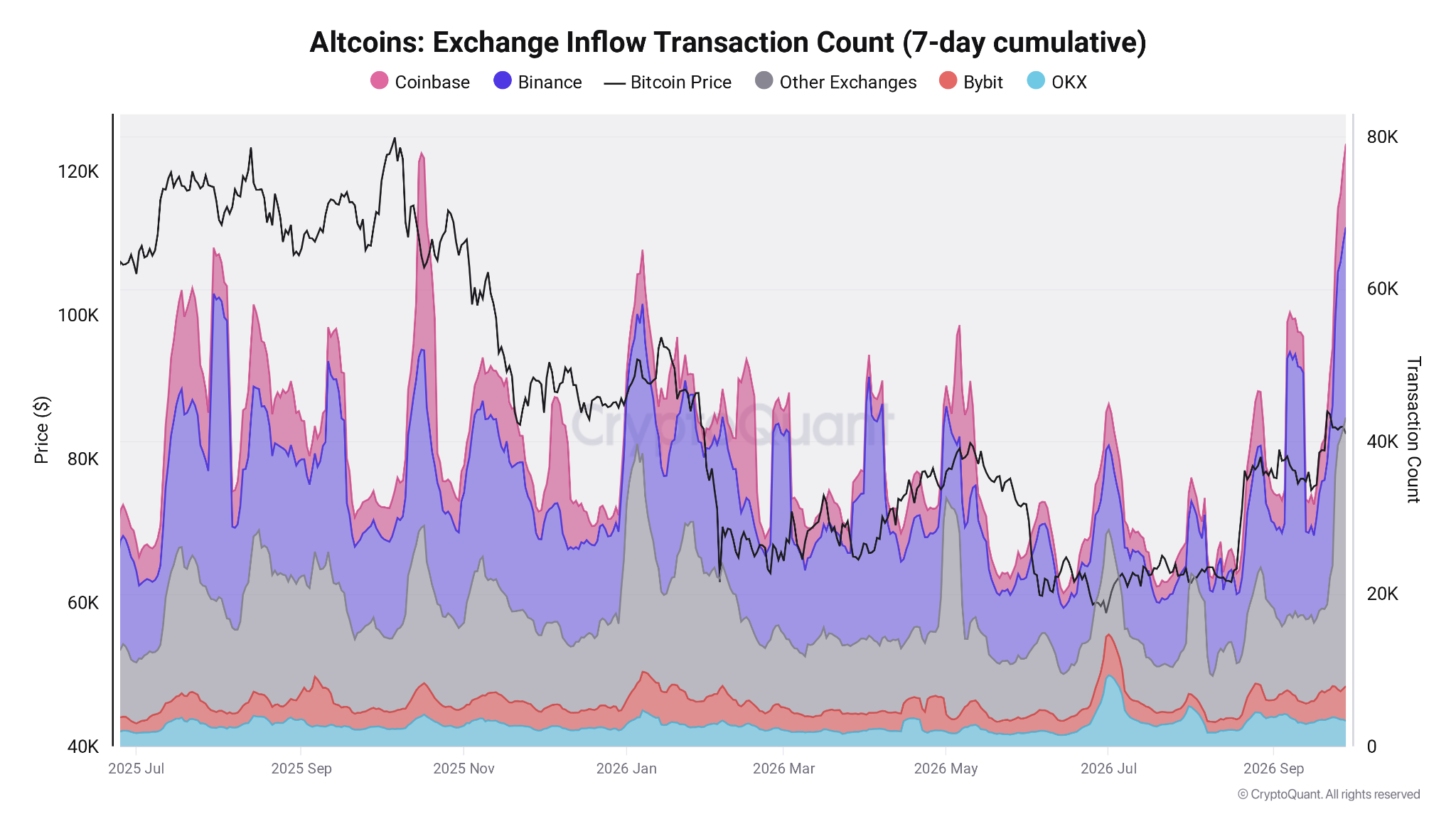
Altcoin exchange deposits have surged to their highest transaction count since October 2025, according to new data from onchain analytics platform CryptoQuant, signaling that digital asset holders may be positioning themselves to lock in profits amid a shifting market landscape.

In its weekly report released on Tuesday, CryptoQuant highlighted a dramatic expansion in exchange deposits involving altcoins. The seven-day count of altcoin deposit transactions across crypto exchanges tracked by the platform climbed to 78,000 on September 28. This figure represents an increase of approximately 160% compared to just two weeks prior on September 14, when the weekly deposit count hovered around 29,800.
"Altcoin exchange inflows have exploded to their highest levels since Bitcoin’s last all-time high," CryptoQuant noted in its research publication, pointing to an aggressive shift in user behavior across the broader cryptocurrency ecosystem.
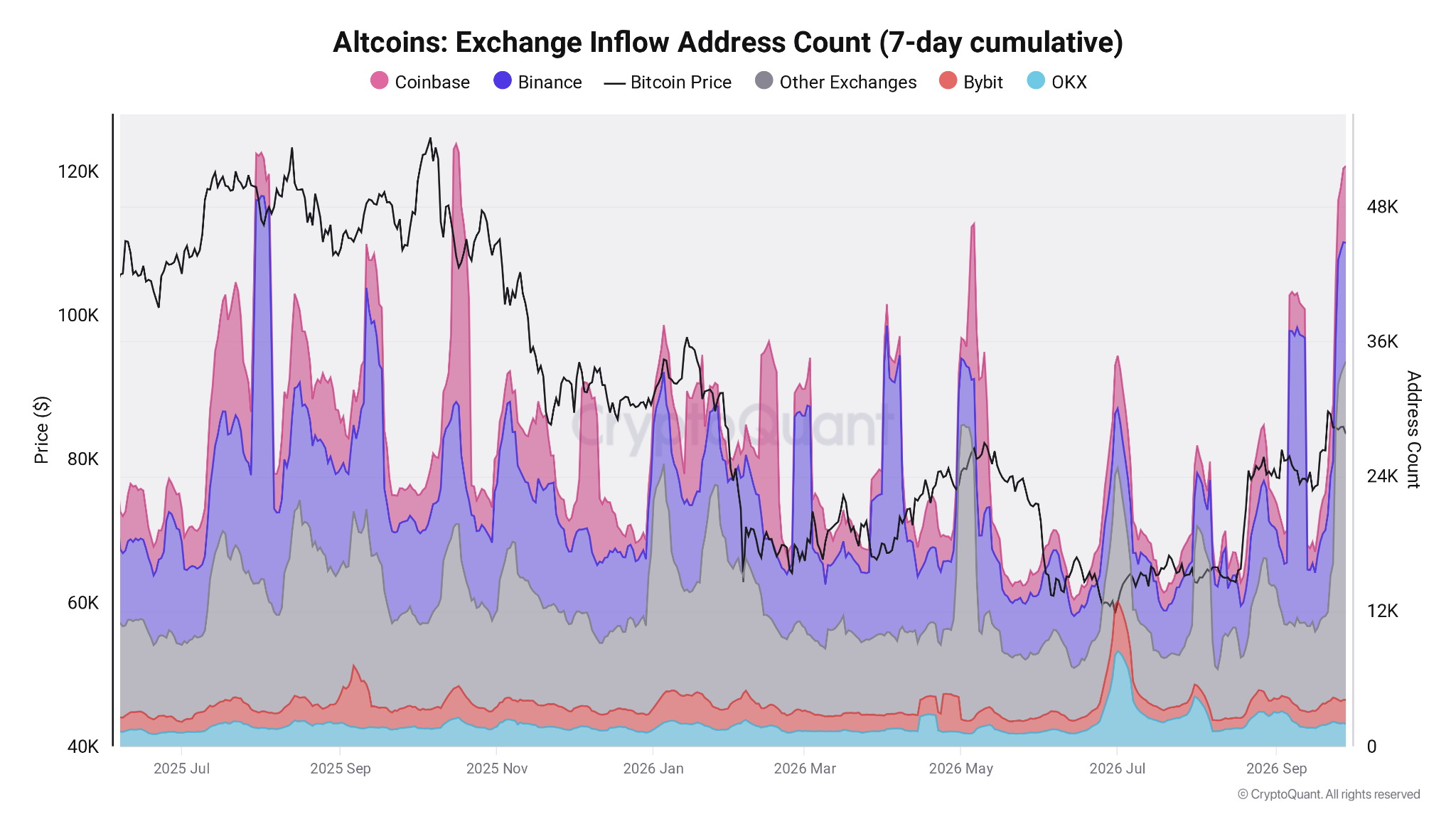
The surge in transactional activity was mirrored by a sharp expansion in the number of unique participant addresses moving funds. Between September 14 and September 28, the number of distinct blockchain addresses depositing altcoins to centralized and decentralized exchanges almost tripled, rising from approximately 17,600 to 51,600. CryptoQuant confirmed that this address count has similarly reached its highest level since October 2025, characterizing the upward movement in exchange inflows as broad-based rather than isolated to a handful of large holders or specific speculative tokens.
In the mechanics of cryptocurrency market analysis, a sudden influx of assets moving from private self-custodial wallets onto trading platforms is historically interpreted as a precursor to liquidations or trading activity. CryptoQuant reinforced this interpretation in its report, stating plainly that when token holders actively move their coins to exchanges, their primary intent is typically to prepare for a sale.
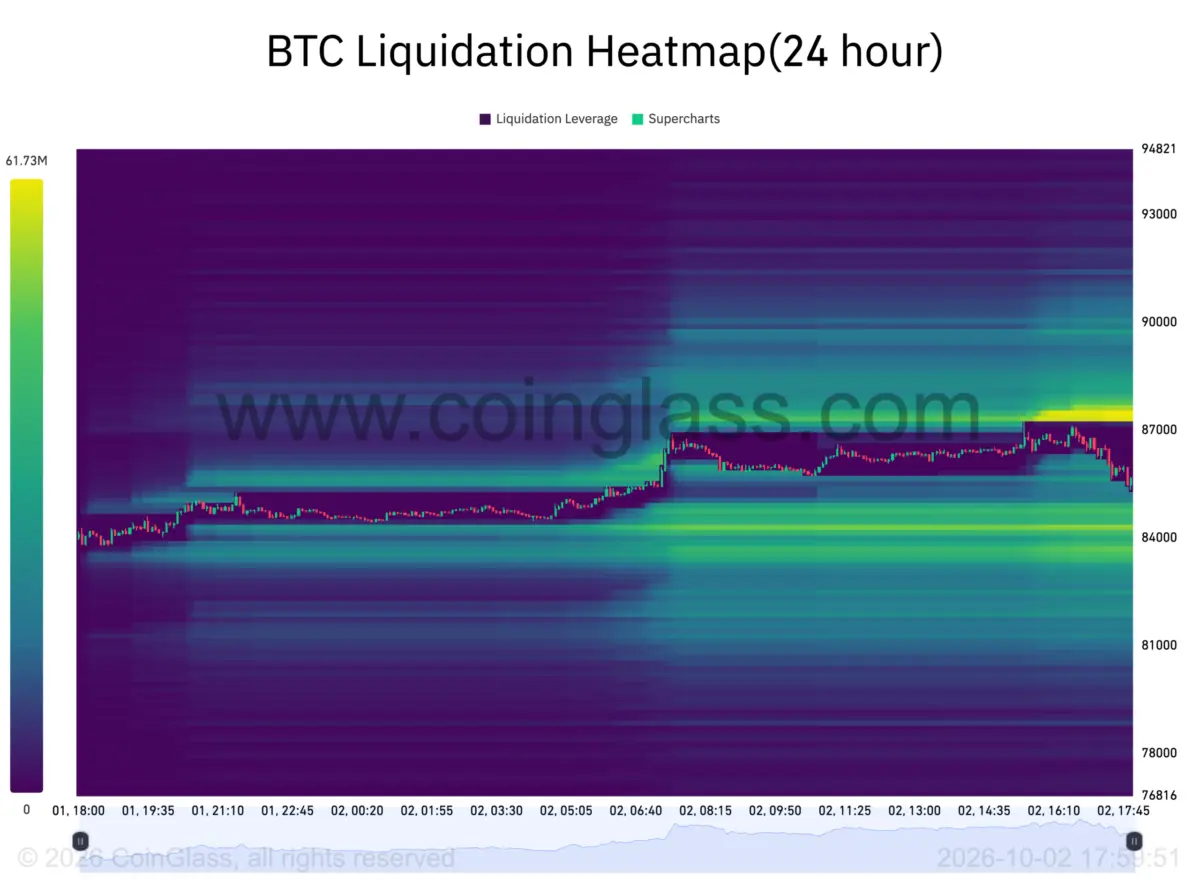
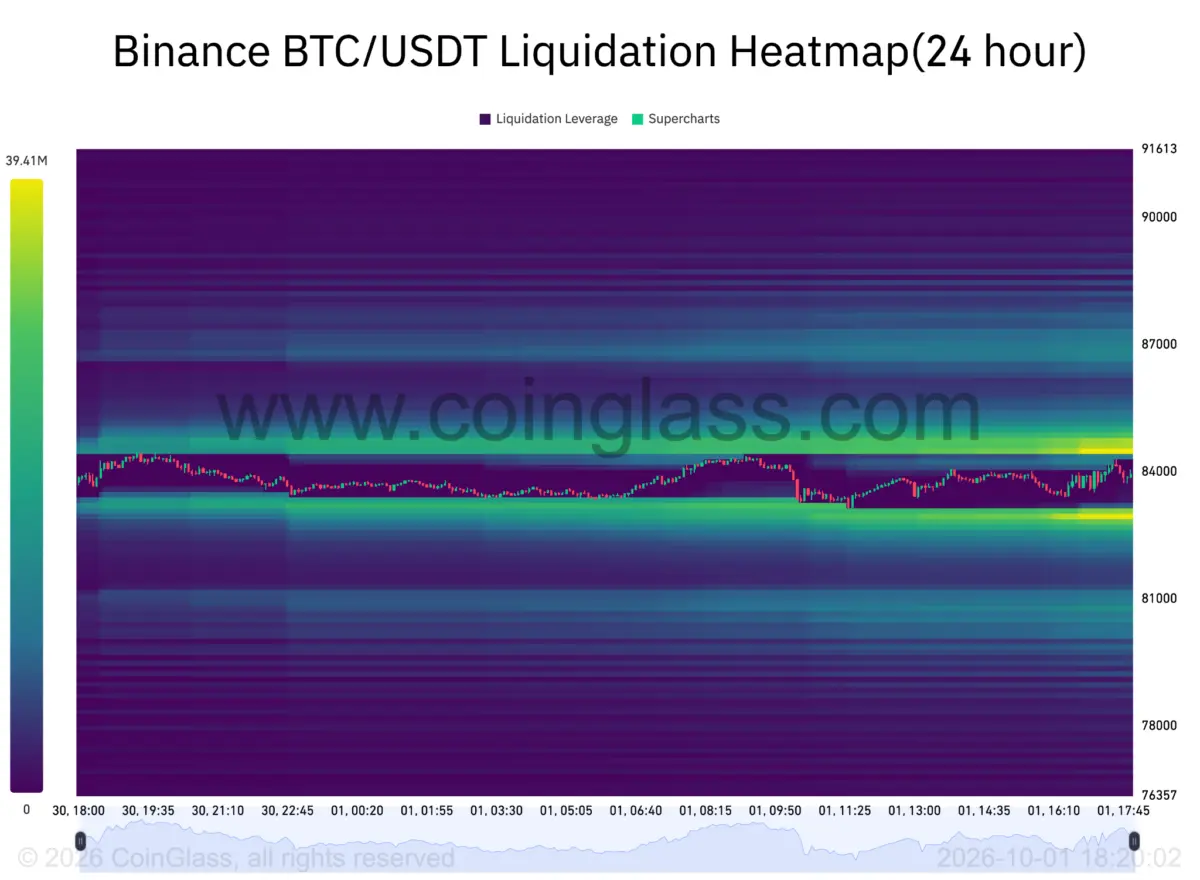
This wave of potential profit-taking arrives as the wider cryptocurrency market navigates a period of consolidation. Bitcoin, the industry’s bellwether asset, has experienced a noticeable pullback after briefly breaking past the $87,000 threshold last week for the first time since January. Market analysts have pointed to various structural obstacles hindering further immediate upside for Bitcoin, including shifts in exchange order-book liquidity and lingering selling pressure from long-term holder supply, which has consistently kept ambitious price targets out of reach in the short term.
The spike in altcoin exchange deposits also follows a wave of positive momentum that favored alternative cryptocurrencies over Bitcoin. Last week, dedicated analytical tools such as Glassnode’s Altcoin Cycle Signal metric flashed signs pointing toward an emerging "altseason," favoring altcoin outperformance as market participants rotated capital. This specialized metric evaluates price performance relative to a basket consisting of the 250 largest altcoins by market capitalization, purposely excluding stablecoins to provide a clearer picture of speculative appetite and risk-on behavior.
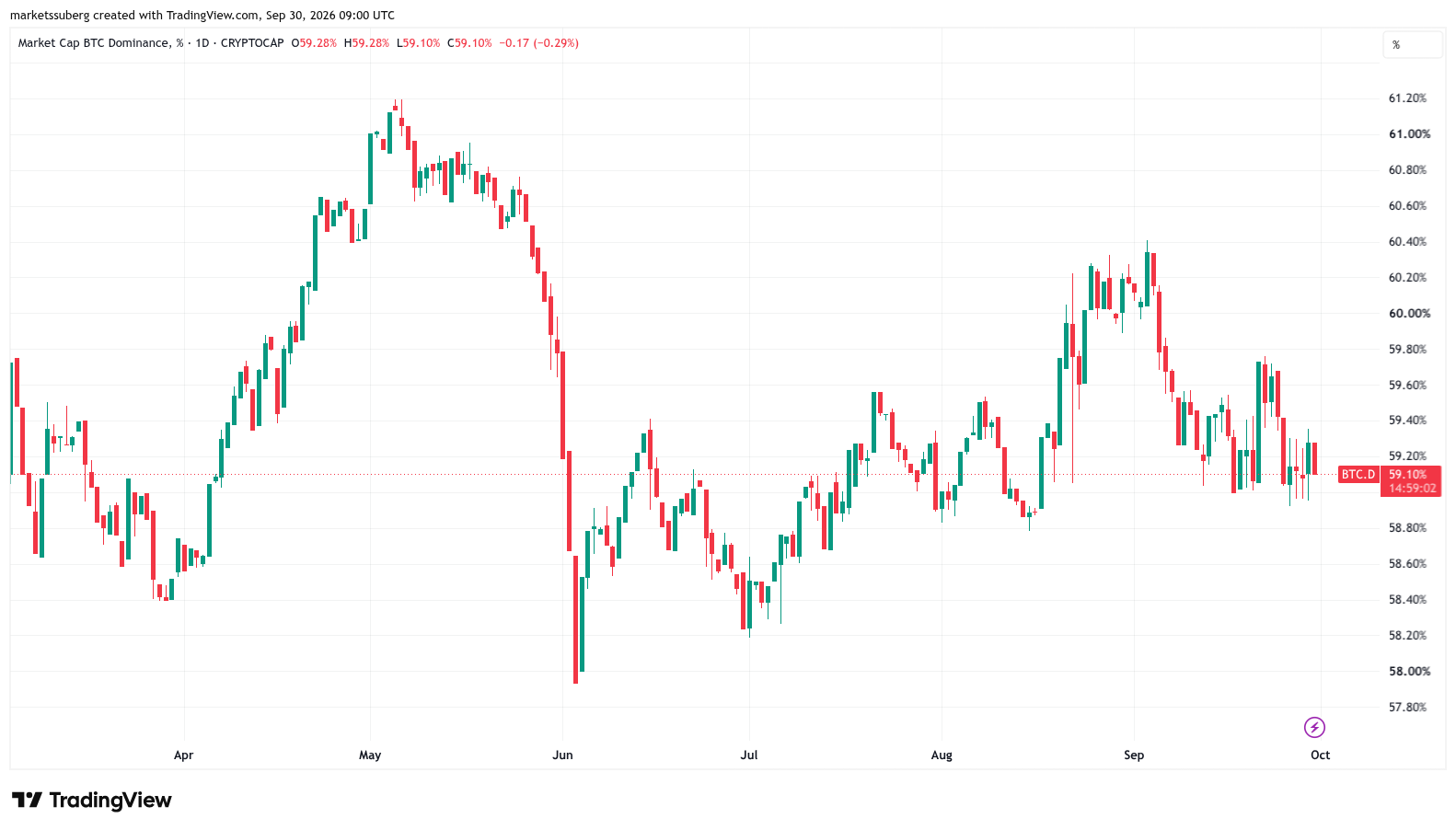
Despite the enthusiasm surrounding smaller digital assets, Bitcoin’s market dominance—its share of the total cryptocurrency market capitalization—has remained relatively contained below the 60% threshold. According to data provided by TradingView, Bitcoin dominance has fluctuated within a narrow band between 58% and 60.4% since late May, giving alternative tokens crucial breathing room to capture capital inflows and expand their collective footprint within the digital economy.
Further illustrating this diversification of capital, smaller-cap digital assets have managed to secure notable gains in market share. Crypto assets positioned outside of the top ten tokens by market capitalization accounted for roughly 9% of the total cryptocurrency market on September 27. This metric marks the highest market share achieved by this segment of lower-cap altcoins since February, underscoring a persistent market appetite for riskier, high-beta assets even as overarching macroeconomic conditions and broader market liquidity trends remain closely watched by institutional and retail participants alike.