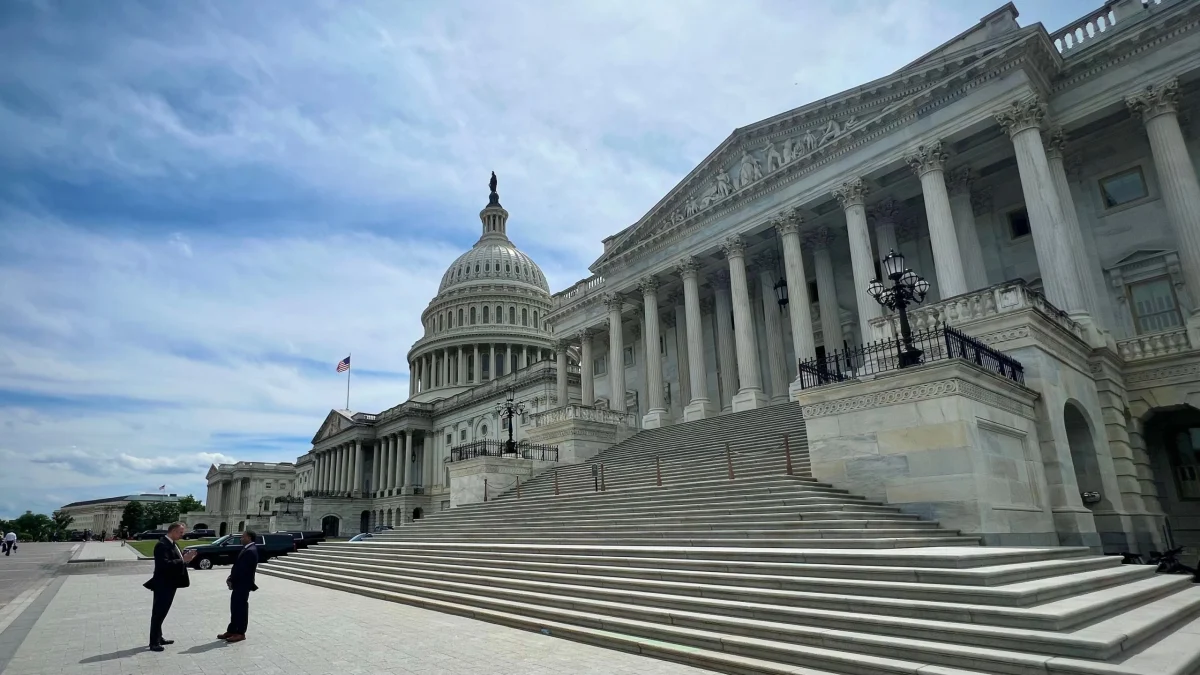
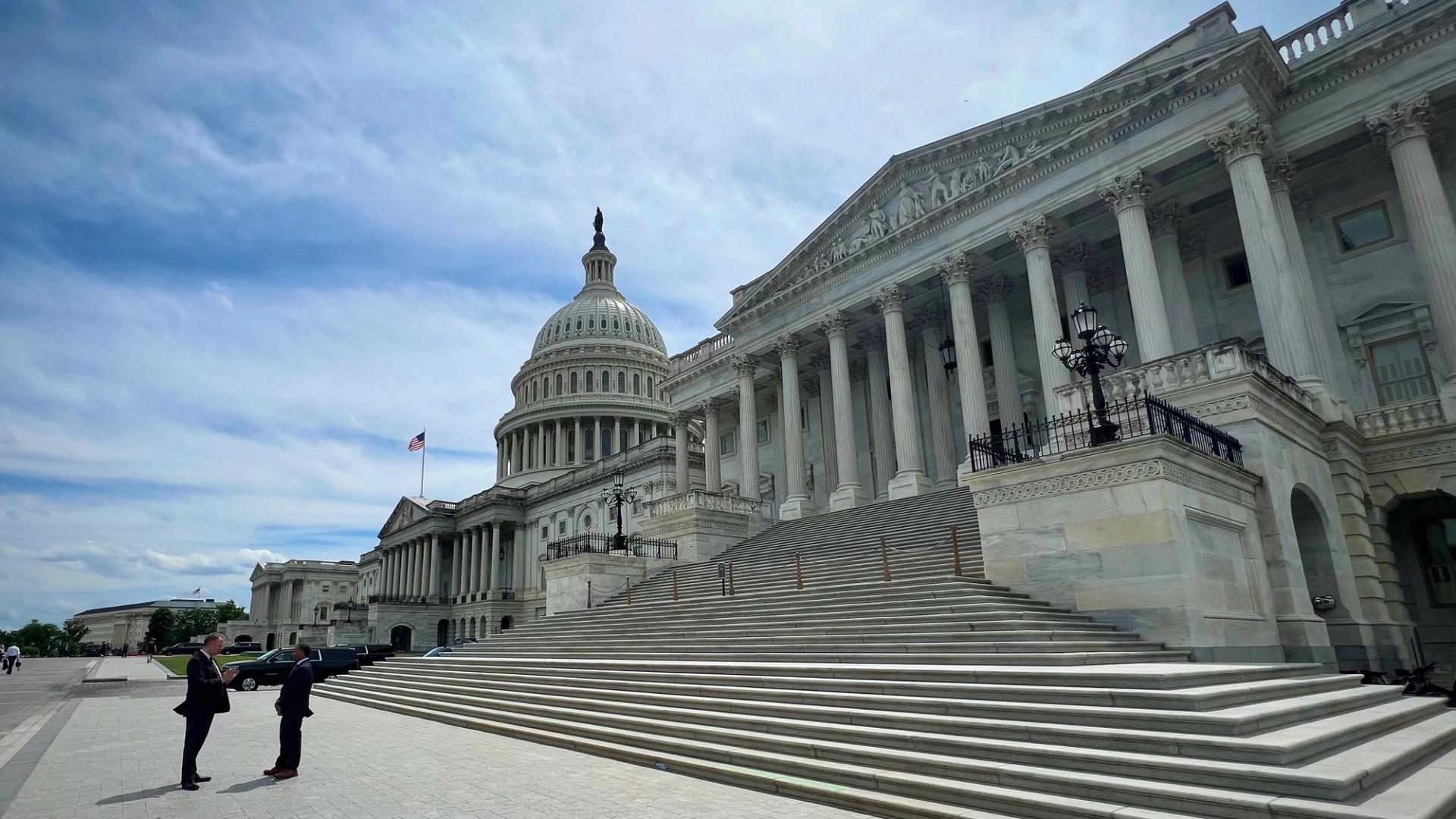
WASHINGTON — With Capitol Hill emptied out for the final pre-election recess ahead of the November midterms, lawmakers have officially packed their bags and left Washington, marking a critical inflection point for the U.S. government and the myriad industries closely watching the political landscape. Among the most attentive observers are stakeholders in the cryptocurrency sector, whose legislative and regulatory future hangs heavily in the balance.
As the United States barrels toward the midterm elections on November 3, 2026, the political chess pieces are moving rapidly. The upcoming election results will ultimately determine whether Republicans or Democrats maintain or seize control of the House of Representatives and the Senate. For the digital asset industry, this shift in legislative power will dictate the trajectory of federal oversight, shape the regulatory environment for years to come, and dictate how crypto enterprises navigate relationships with the nation’s political leadership.
Standing just thirty days away from election day, the broader political narrative is shifting. Polls and recent news headlines suggest that Democrats are currently enjoying an upswing in momentum. Consensus forecasting on platforms such as 270towin indicates a growing likelihood that Democrats will manage to flip the House of Representatives, while the battleground for the Senate remains a closely contested toss-up. Meanwhile, financial predictors and market participants on prediction platforms like Kalshi and Polymarket reflect a similar sentiment, tilting toward projections of Democratic gains across both chambers of Congress.
The Stakes for Digital Assets
The stakes for the cryptocurrency ecosystem in this election cannot be understated. The makeup of the next Congress will directly influence how federal regulatory agencies are overseen, whether lawmakers can successfully revive stalled legislative efforts, and what proactive steps crypto firms will need to take to maintain constructive dialogues with the majority parties.
While much of the industry’s immediate attention has been focused on federal regulators—particularly in the wake of the high-profile collapse of negotiations surrounding the Clarity Act last month—Congress retains an indispensable role in shaping the financial landscape. Agencies such as the Securities and Exchange Commission (SEC), the Commodity Futures Trading Commission (CFTC), the Office of the Comptroller of the Currency (OCC), and the Treasury Department will continue advancing their respective rulemaking agendas over the coming year. However, Congress wields ultimate oversight authority over these entities and holds the purse strings when it comes to approving agency budgets.
The Clarity Act was originally designed, in part, to establish clear boundaries regarding how these diverse regulatory bodies could interact with and govern digital assets. With that legislative framework having fallen apart, lawmakers will face mounting pressure to find alternative paths forward. Beyond market structure oversight, Congress is expected to turn its attention more deeply toward crypto tax legislation.
Signs of bipartisan progress on taxation have already emerged. Last month, the House Ways and Means Committee successfully passed a crypto tax bill with significant bipartisan support, signaling that tax policy may represent a fertile ground for legislative cooperation regardless of which party controls the chamber next year. In the Senate, similar momentum was demonstrated when Senator Steve Daines introduced a dedicated crypto tax bill, setting the stage for more comprehensive tax debates when lawmakers return to Washington.
Political Dynamics and Congressional Oversight
Beyond taxation and market structure, industry participants are also bracing for potential shifts in congressional investigations. Concerns have been voiced within the crypto community that a Democrat-led Congress might aggressively deploy subpoena powers against crypto firms that have maintained heavy involvement or close alignment with the administration of President Donald Trump, driven by lingering concerns over his administration’s digital asset business ties.
Despite the monumental stakes involved, the crypto industry’s direct financial footprint in the final stretch of the election cycle has shown signs of plateauing. Major political action committees funded by prominent figures and enterprises within the sector have made substantial splashes earlier in the cycle, but appear to be holding their fire as the finish line approaches.
Notably, the Fairshake Super PAC, heavily funded by a coalition of major crypto companies, previously announced a staggering $30 million expenditure targeting former Senator Sherrod Brown’s Senate bid. Similarly, the Digital Freedom Fund, backed primarily by Gemini co-founders Cameron and Tyler Winklevoss, committed $3 million toward similar efforts in Ohio.
However, as the calendar moves closer to November 3, further major expenditures may not materialize. Representatives for Fairshake indicated that the PAC has no additional independent expenditures to announce at this time, a reality compounded by the fact that last-minute television and digital ad buys become increasingly expensive the closer an election gets.
As Capitol Hill remains dormant during this final pre-election recess, candidates across the country are making their closing arguments to voters. For the digital asset industry, the next month will be a period of intense observation, waiting to see how the American electorate redraws the lines of power in Washington and what kind of Congress will return to the capital to tackle crypto policy in the new year.