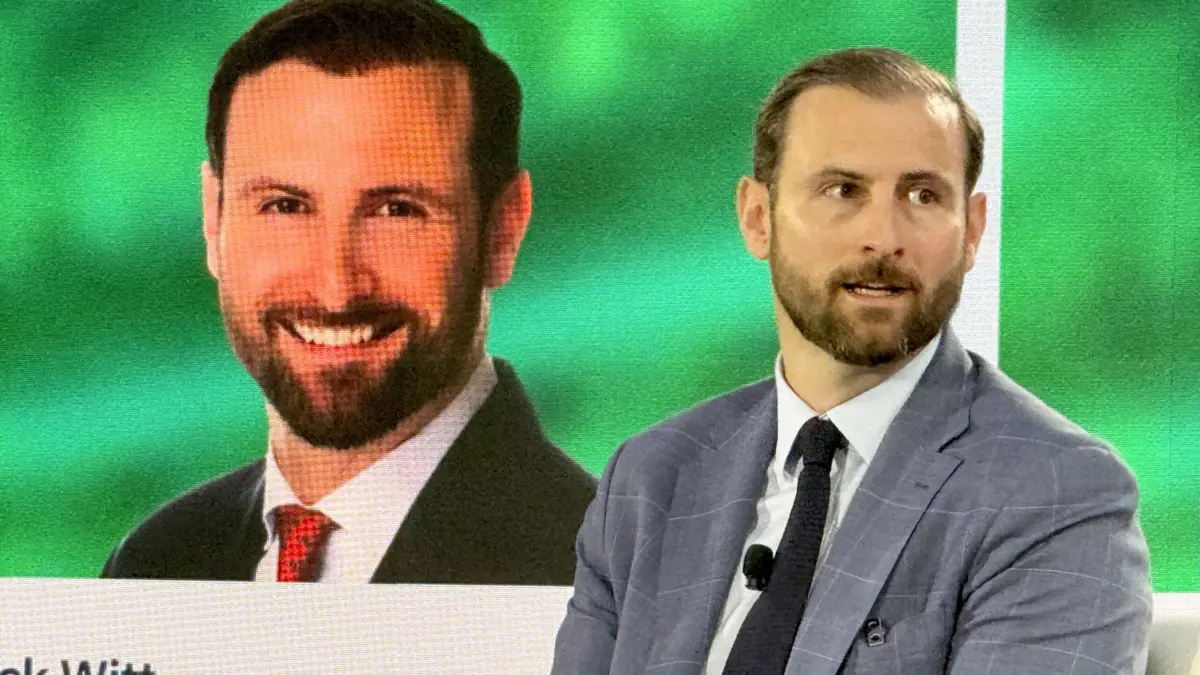
The departure of President Donald Trump’s final white House crypto adviser, Patrick Witt, has left the digital assets office entirely vacant, throwing the administration’s broader policy aims and legislative agenda into deep uncertainty.
When President Trump returned to the White House last year, he decisively shed his earlier skepticism toward cryptocurrency, embracing the sector with the appointment of a high-profile crypto czar and the creation of the President’s Council of Advisors for Digital Assets. Nearly two years into that sweeping policy push, however, the momentum appears to have stalled. Witt’s exit marks the end of a tumultuous period for the administration’s in-house crypto operations, and recent administrative shifts suggest the portfolio is undergoing a significant contraction. When the president recently brought in a new artificial intelligence overseer, the role that was once shared between crypto and AI was notably stripped of its digital assets remit.
This leaves the fundamental question of who is currently minding the store for cryptocurrency policy at the highest levels of the executive branch largely unanswered. While a handful of lawmakers on Capitol Hill continue to suggest that the final weeks of the congressional session following the November elections could still bring some form of legislative action, the path forward remains obscured. The White House maintains a broad staff of policy advisers, and the administration continues to pursue regulatory goals through traditional agencies such as the Securities and Exchange Commission. Nevertheless, no new individual has been explicitly named to spearhead Trump’s in-house digital asset initiatives.
A White House official confirmed Witt’s departure, expressing appreciation for his service and offering best wishes for his future endeavors in the private sector. The official declined to comment on who might take over the portfolio or when a successor would be named. However, the official maintained that the administration remains committed to its core legislative priorities, stating that the "Crypto and Clarity Act will continue to be a priority for the president."
The digital assets policy office within the White House was never structured as a massive federal operation, but its personnel were frequently vocal, providing an essential administrative stamp of approval for the industry’s legislative and regulatory goals. The effort was initially stood up several weeks before Trump’s inauguration in January 2025, when the president-elect named former PayPal executive David Sacks as his incoming AI and crypto czar.
At the same time, the administration tapped Bo Hines, a relatively unknown former college football player, to serve as the inaugural director of the digital assets advisory council. What began as a modest one-person operation eventually expanded to include a deputy. Hines quickly emerged as the public-facing crypto ambassador for the White House, holding continuous meetings with industry insiders and appearing prominently on event stages across the country. His relatively brief tenure of approximately eight months culminated in a major legislative victory for the sector: the passage of the Guiding and Establishing National Innovation for U.S. Stablecoins (GENIUS) Act into law.
The legislative triumph was commemorated with a formal White House signing ceremony and celebration, where many of the most prominent figures in the cryptocurrency industry secured front-row seats. Less than two weeks after the bill was signed, the administration released a comprehensive crypto agenda detailing its specific plans to foster the growth of the financial technology sector within the United States.
Having successfully established federal law for stablecoin issuers, Hines departed the White House to assume a leadership role running the U.S. arm of Tether, a leading stablecoin issuer. In the months that followed, public scrutiny intensified regarding his prior government service. Investigations, including reporting by the Wall Street Journal, revealed that a consulting firm, Nxum, which Hines had established with his father and another business partner, had received substantial payments from Tether for consulting services rendered while Hines was still inside the White House helping craft the GENIUS Act. Furthermore, the firm served as the primary provider of paid services for a newly formed political action committee largely financed by Tether’s U.S. financial partner, Cantor Fitzgerald, and led by a Tether executive.
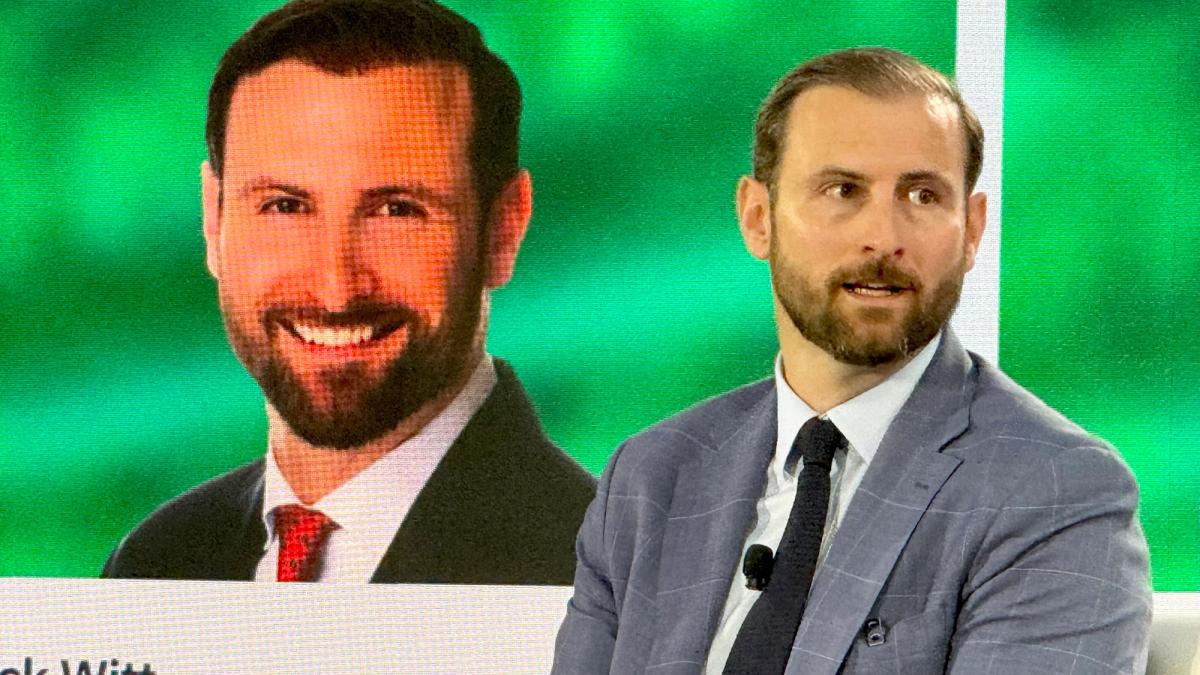
Following Hines’ departure, his deputy on the advisory council, Patrick Witt, stepped into the role of executive director. Like his predecessor, Witt was a former college football player, but he brought a greater depth of Washington experience to the position. Witt quickly became the visible architect of the White House’s push for the Digital Asset Market Clarity Act, which aimed to establish a comprehensive U.S. regulatory framework for broader crypto markets.
Throughout the subsequent months of intense legislative negotiations, Witt made little secret of his frustrations. He regularly utilized the social media platform X to voice his displeasure with lawmakers and political actors whom he believed were obstructing the Senate bill designed to erect a cohesive regulatory scaffold for the industry.
The legislative process was further complicated earlier in the year when David Sacks stepped down from his position as AI and crypto czar in March. His departure left Witt and his deputy, Harry Jung, to shoulder the administration’s crypto portfolio alone. The political dynamics grew increasingly complex as President Trump’s own burgeoning family crypto enterprises became a central point of contention in Capitol Hill negotiations. Congressional Democrats repeatedly demanded strict ethical safeguards, insisting that senior government officials be legally barred from maintaining personal cryptocurrency ties.
As negotiations dragged deeper into the legislative calendar and closer to the mid-term elections, the White House floated several potential concessions that would have imposed unprecedented ethics constraints on the president’s digital asset involvements. Ultimately, however, Democrats concluded that the proposed compromises fell short of what was required.
Witt confirmed as early as July that he faced upcoming military service commitments with the Georgia National Guard, yet he chose to remain at his post to see the Clarity Act negotiations through to a conclusion, even as his deputy departed to join Bo Hines at Nxum. The legislative effort ultimately collided with a major political roadblock when the Clarity Act failed to advance during a crucial Senate floor vote just before the chamber recessed for an extended break ahead of the November elections.
Following growing rumors regarding his status, Witt took to social media late Wednesday night to officially confirm his departure from the administration. In his farewell post, he expressed gratitude to the agency chiefs and lawmakers who had collaborated with him on the legislative push, writing that with such regulators and elected officials in place, he rested easy knowing the future of American digital asset innovation remained bright. He confirmed that he would be transitioning to the private sector.
As the dust settles on Witt’s departure, digital asset industry insiders have expressed uncertainty about who they will interface with moving forward, particularly given that their broader market-structure legislative hopes have largely fizzled for the time being.
This sense of ambiguity was reinforced earlier this month when President Trump moved to re-establish an artificial intelligence oversight role, hiring former Securities and Exchange Commission Chairman and current intelligence director Jay Clayton to lead his newly formed Super Intelligence Force. Notably, the resurrected oversight position no longer includes any mention of a cryptocurrency remit. Clayton brings a particularly fraught history with the digital asset sector, having led the SEC during the initiation of the regulatory approach that the industry has frequently criticized as regulation by enforcement.