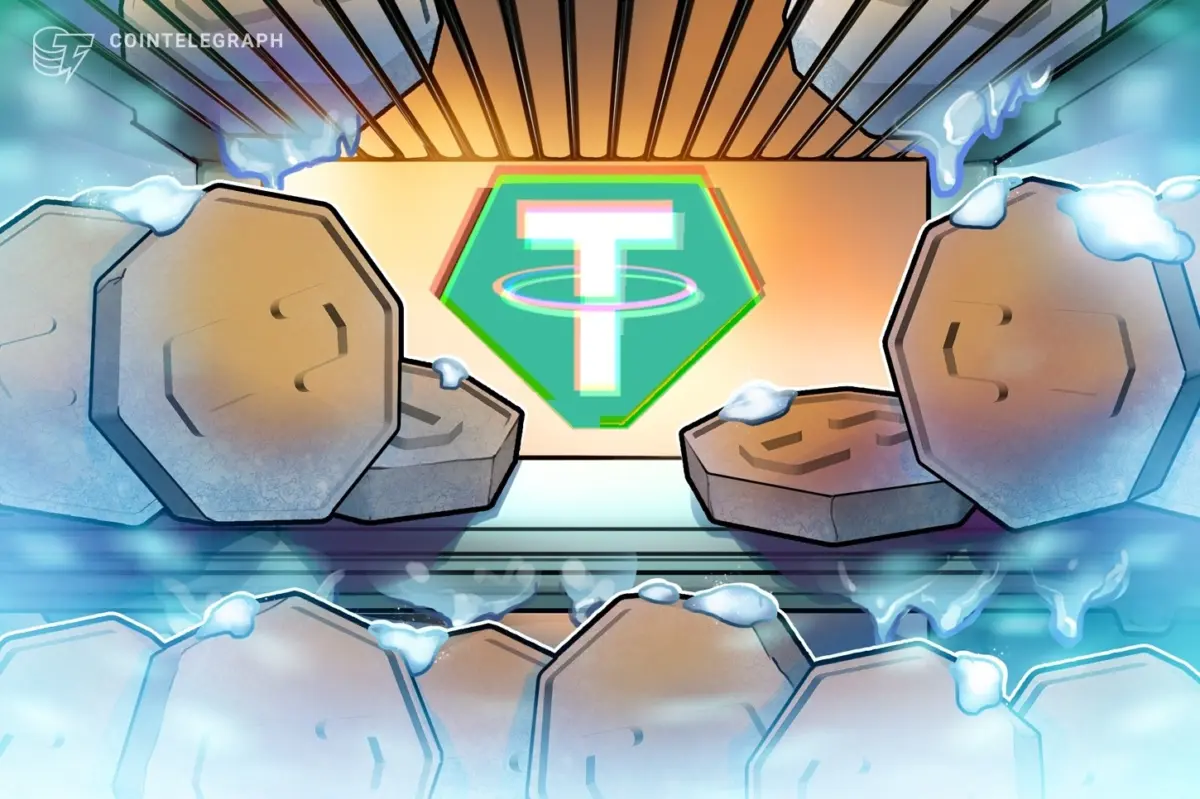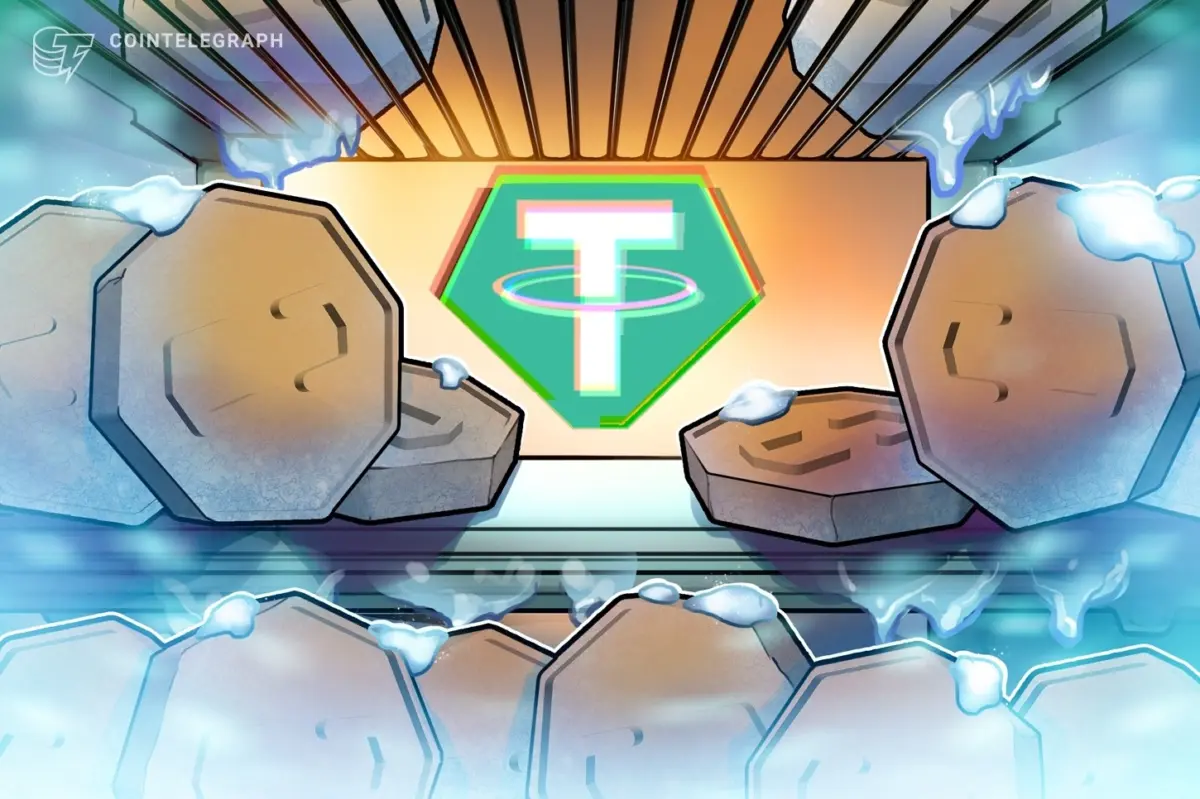
Stablecoin issuer Tether briefly blacklisted a series of USDt vault addresses tied to decentralized liquidity network THORChain, freezing approximately $1.45 million in funds before reversing the action just hours later. The sudden and unexplained move drew immediate public scrutiny from project leadership and highlights growing industry-wide tensions surrounding centralized asset control within decentralized finance ecosystems.
Chad Barraford, the technical co-founder of THORChain, broke the news to the cryptocurrency community on Friday via a post on the social media platform X. According to Barraford, Tether blacklisted the network’s official vault addresses, effectively locking roughly 1.45 million USDt spread across four separate wallets. The freeze instantly halted specific trading routes and operations reliant on the affected vaults, catching the protocol’s development team entirely off guard.
Just two hours after sounding the alarm, Barraford returned to social media to provide an update, informing followers that all of the previously blacklisted addresses had been unfrozen by the issuer and that normal network trading operations would resume immediately. Despite the swift resolution, the abrupt nature of the incident left core contributors seeking answers from the centralized stablecoin provider.
Prior to the addresses being unfreezed, Barraford expressed frustration over the lack of communication from the stablecoin issuer. He noted that the network’s developers had received no prior warnings, notices, or explanations before the blacklisting took place.
“We don’t know why this choice was made and have had no comms with USDT before this action and are actively reaching out to have a conversation,” Barraford stated on X before the restrictions were lifted. He added that the development team was operating under the assumption that the freeze might have been an administrative error or a misunderstanding rather than a targeted punitive measure against the protocol.
Representatives from Cointelegraph reached out to both Tether and THORChain seeking further clarification, technical details, and context regarding the brief freeze, but did not receive an immediate response from either organization at the time of publication.
The incident underscores ongoing structural tensions in the digital asset sector, where decentralized liquidity networks and automated market makers frequently rely on centralized stablecoin assets like USDt to facilitate cross-chain swaps and maintain deep liquidity pools. While centralized stablecoin issuers possess the technical capability to freeze assets to comply with law enforcement or mitigate security risks, such actions can inadvertently impact decentralized protocols, liquidity providers, and end users when executed without advance notice or transparent justification.
This unexpected event follows a string of high-profile legal challenges and public controversies involving Tether’s asset-freezing practices. Earlier in the same week, cross-border payments platform Conduit Technology formally filed a lawsuit against Tether. In its legal filing, Conduit alleged that the stablecoin issuer froze $2.76 million worth of USDt in a specific wallet linked to an ongoing investigation originally launched by Brazilian authorities in 2024.
In a separate legal development back in August, two Thai nationals filed a lawsuit against Tether, claiming the company wrongfully froze $42.4 million in USDt following what they described as an "informal request" from United States Homeland Security Investigations in connection with an alleged pig-butchering scam case. These mounting legal battles and public disputes have placed increased scrutiny on how centralized stablecoin issuers handle compliance requests, asset freezes, and communication with external platforms and protocols.
The broader scrutiny extends beyond private litigation and direct user disputes into traditional political and regulatory arenas. Financial institutions and institutional partners associated with the stablecoin giant are increasingly finding themselves under the legislative microscope. For instance, Cantor Fitzgerald, a major financial services firm, recently faced a formal inquiry from United States Senate Democrats questioning the nature of the firm’s financial ties and business relationships with Tether.
As decentralized protocols continue to scale and integrate centralized fiat-pegged assets into their core architectures, incidents like the brief THORChain vault freeze illuminate the underlying centralization risks inherent in the modern crypto economy. While THORChain’s vaults are once again fully operational and the $1.45 million in USDt has been restored to functionality, the episode has reignited discussions within the blockchain community regarding transparency, communication standards, and the operational autonomy of decentralized applications operating alongside centralized token issuers.