S&P Global Ratings has officially entered the decentralized finance ecosystem with the launch of a comprehensive risk assessment framework tailored specifically for digital asset lending vaults. The move comes as onchain investment products rapidly gain traction across the broader cryptocurrency market, drawing both massive capital inflows and heightened regulatory scrutiny.
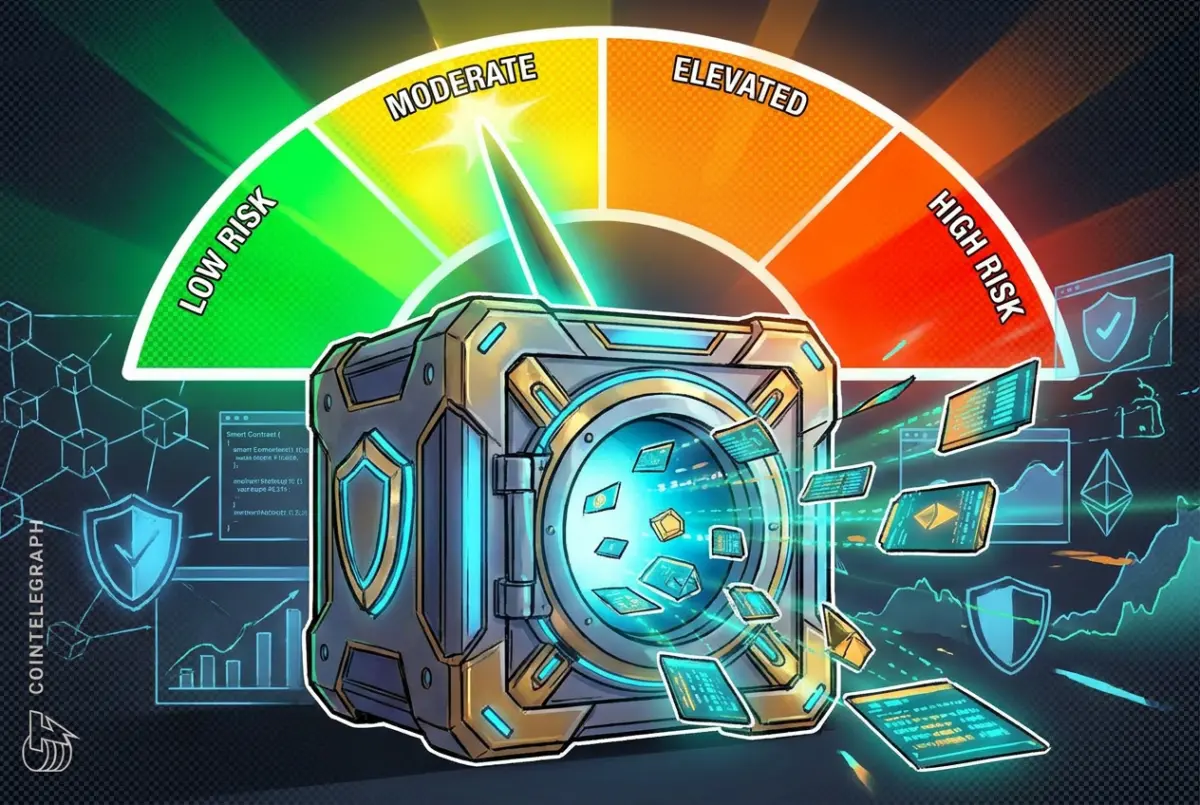
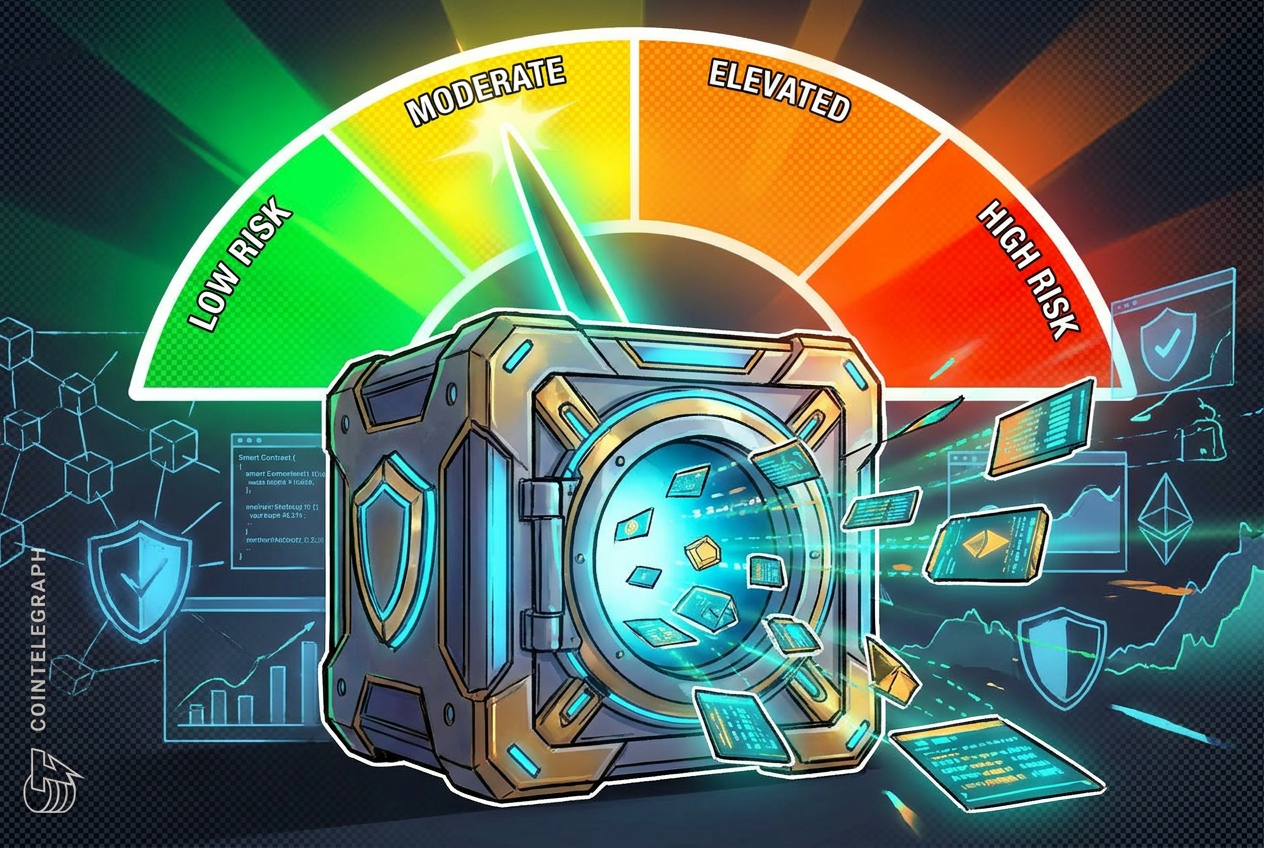
According to an announcement released on Monday, the newly introduced Vault Risk Assessment (VRA) evaluates digital asset vaults across six core areas. These critical pillars include portfolio credit quality risk, liquidity mismatch risk, curator risk, blockchain risk, protocol risk, and vault security and governance risk. By systematically reviewing these diverse categories, the agency aims to shed light on an increasingly complex sector of decentralized finance where traditional financial metrics often fall short.
S&P Global Ratings clarified that the assessments are designed to evaluate the potential risk of investor losses within lending vaults, but they will not constitute formal credit ratings nor will they evaluate or predict yields. Furthermore, according to S&P Global Ratings analyst Lisa Schroeer, the framework was deliberately structured so that no single category of the six is singled out as inherently posing a greater risk than the others. Instead, the framework treats all six components as equally vital to the structural integrity of a vault.
"A material weakness in any factor can constrain the overall VRA," Schroeer said in an interview. "A strong score in one factor does not offset a material weakness in another." She emphasized that this strict methodology directly reflects the realities of a sector characterized by multiple points of vulnerability. "There are many points of risk/failure that can break," she added, underscoring the delicate balance required to maintain a secure onchain financial product.
Digital asset lending vaults function by pooling investor deposits and subsequently deploying them through predefined, automated strategies managed either by programmatic smart contracts or by human curators. In exchange for their capital, depositors receive cryptographic tokens that represent their proportional share of the vault’s underlying assets and accumulated returns. Over the past few years, this pooling mechanism has transformed from a niche experiment into a major commercial pipeline for yield generation.
According to data cited by S&P, total deposits locked within digital asset lending vaults reached approximately $10 billion in September. This figure represents a dramatic expansion compared to just $1.5 billion recorded two years earlier, highlighting a staggering surge in investor adoption. S&P stated that it plans to publish its inaugural Vault Risk Assessments in upcoming announcements, though the ratings agency did not immediately disclose which specific vaults would undergo evaluation first.
Elaborating on the overarching goal of the framework for market participants, Schroeer noted that the initiative is intended to bridge a critical information gap. "The assessment aims to provide more transparency on the risks so that any entity can make more informed decisions when deciding how to allocate capital to DeFi vaults," she said.
Crypto Vaults Grow as Risks Draw Scrutiny
The explosive growth of crypto vaults over the past year has been driven largely by exchanges, digital wallets, and decentralized finance platforms rolling out streamlined products that package complex lending and yield-generating strategies into user-friendly interfaces. Rather than forcing individual investors to navigate multiple protocols, liquidity pools, and lending markets manually, these vaults handle the operational mechanics behind the scenes.
The mainstream integration of these products has accelerated significantly. In February, Wallet in Telegram—which has since been rebranded as Walt—introduced self-custodial Bitcoin, Ethereum, and Tether vaults utilizing infrastructure provided by Morpho, TAC, and Re7. Major centralized exchange platforms quickly followed suit. In May, Kraken rolled out a dedicated Bitcoin yield vault powered by infrastructure firm Veda and curated by Sentora. The product demonstrated immediate demand, successfully attracting $30 million from 4,000 distinct wallets within its first ten hours of operation.
The vault model has since expanded far beyond native cryptocurrencies and stablecoins, spilling over into the realm of tokenized real-world securities. In September, Kraken further broadened its offerings by launching yield vaults specifically designed for tokenized representations of major equities and exchange-traded funds, including shares of Nvidia, the SPDR S&P 500 ETF, and the Invesco QQQ ETF. Strategies for these tokenized stock vaults are managed by Sentora, which lends the underlying assets through various decentralized finance markets to generate yield for holders.
However, the rapid expansion of crypto vaults has not been without significant security challenges and operational missteps. The high concentration of capital managed by smart contracts and human curators makes vaults an attractive target for malicious actors. In August, the decentralized lending protocol Term Finance suffered an estimated $8.5 million loss after an attacker successfully exploited governance control mechanisms governing its Meta Vaults, highlighting the very real operational and security risks that S&P’s new framework aims to monitor.
Compounding these technical vulnerabilities is an evolving and uncertain regulatory landscape, particularly in the United States. For the time being, crypto vaults and onchain lending products largely occupy a regulatory gray area. Addressing this ambiguity in July, Securities and Exchange Commission Commissioner Hester Peirce noted that certain vaults and onchain lending products could ultimately fall under the purview of federal securities laws, depending heavily upon how they are structured and operated in practice.
Peirce specifically pointed out that vaults involving discretionary decisions regarding asset allocation, yield-generating strategies, lending terms, or liquidation thresholds could easily trigger federal securities regulations, as well as registration requirements for investment companies or investment advisers. As both the total value locked in vaults continues to climb and regulatory bodies inch closer to definitive enforcement guidelines, independent risk assessment frameworks like the one introduced by S&P Global Ratings are expected to play a central role in shaping how institutional and retail participants navigate the onchain economy.