S&P Global Ratings has officially entered the decentralized finance monitoring space by launching a specialized risk assessment framework tailored for digital asset lending vaults. The move comes as these onchain investment vehicles experience an explosive wave of mainstream traction, drawing billions of dollars in capital while simultaneously catching the attention of global regulators and risk analysts alike.
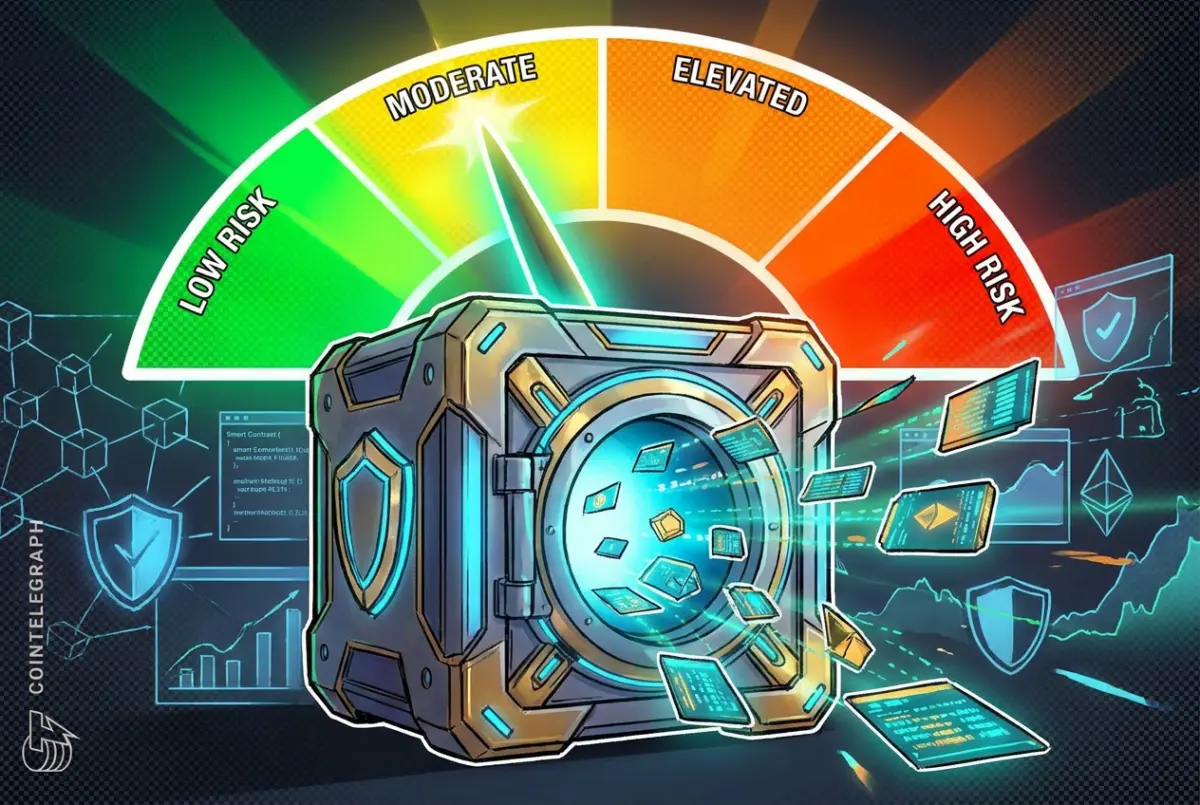
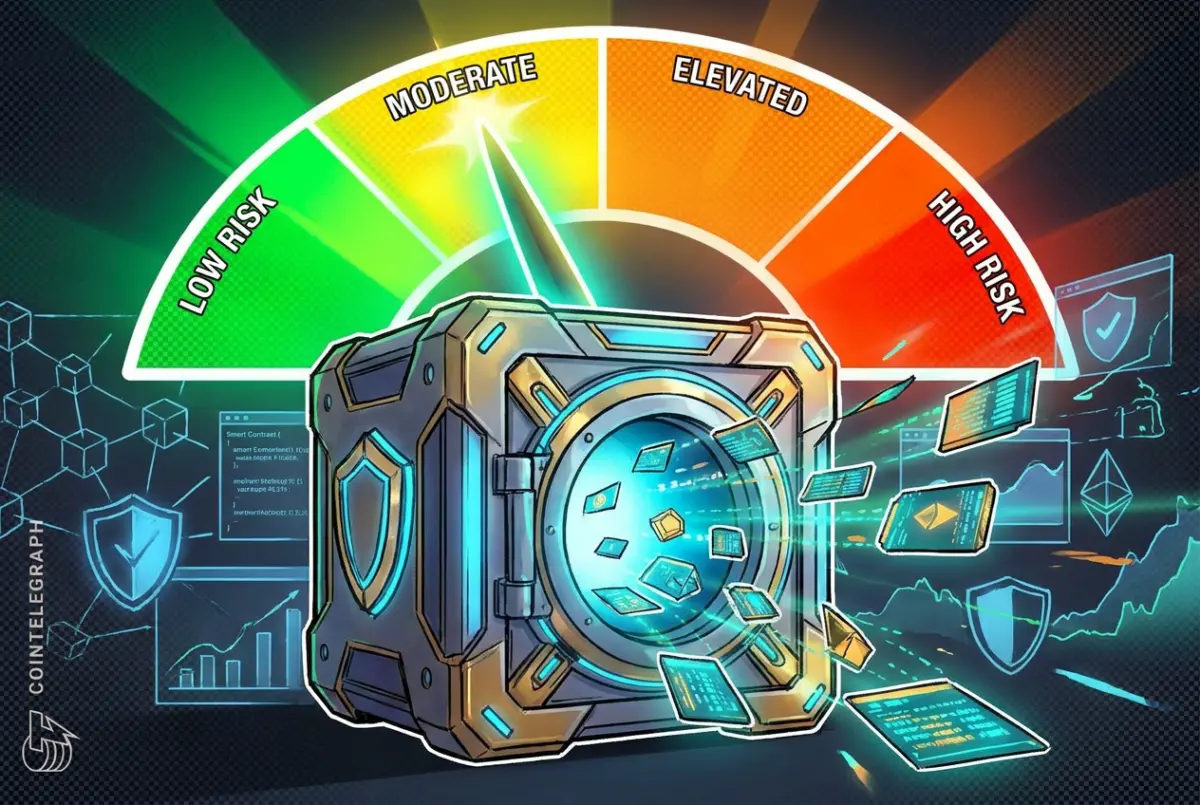
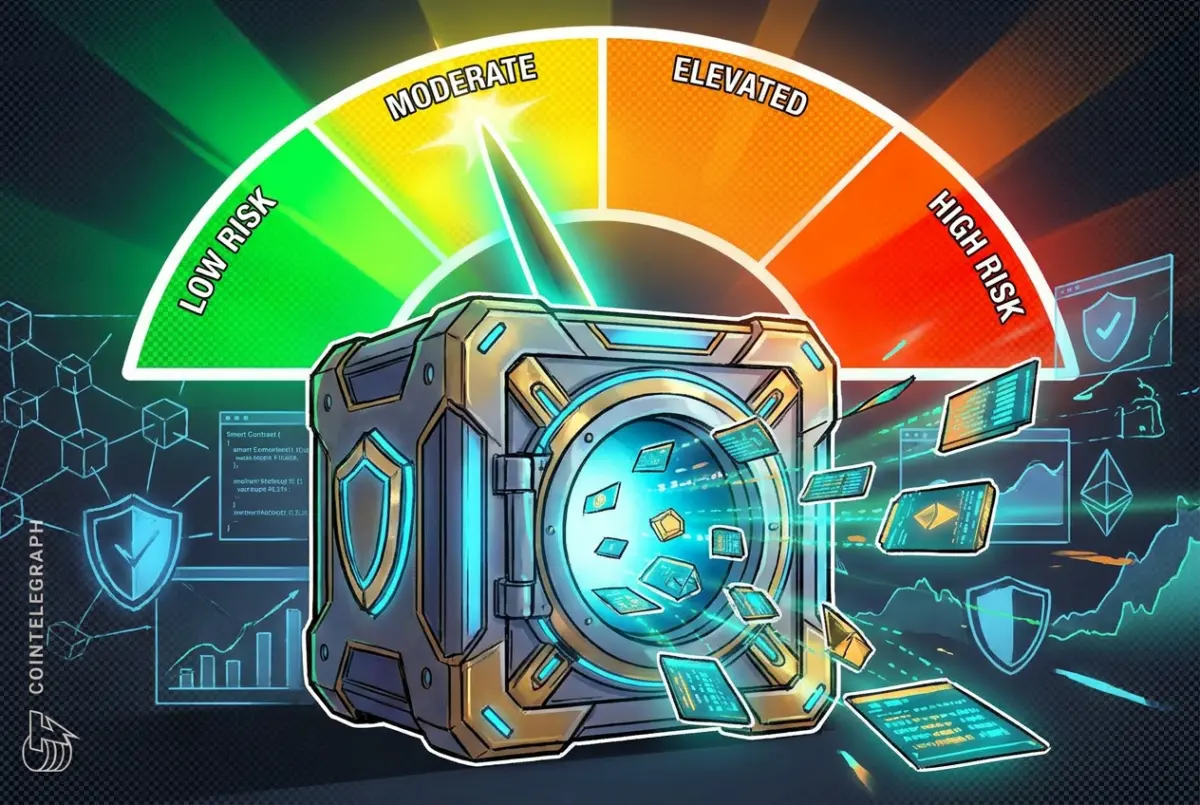
According to an official announcement from the ratings agency, the newly minted Vault Risk Assessment (VRA) framework evaluates decentralized lending vaults across six distinct operational pillars. These critical areas include portfolio credit quality risk, liquidity mismatch risk, curator risk, blockchain risk, protocol risk, and vault security and governance risk.
S&P Global Ratings has clarified that these comprehensive assessments are specifically designed to evaluate the risk of capital losses for investors participating in lending vaults. However, they will not constitute traditional credit ratings, nor will they evaluate or predict the prospective yields generated by these products. Furthermore, according to S&P Global Ratings analyst Lisa Schroeer, the framework was deliberately structured so that none of the six individual evaluation categories are weighted as inherently more dangerous or critical than the others.
"A material weakness in any factor can constrain the overall VRA," Schroeer explained in an interview regarding the mechanics of the assessment model. "A strong score in one factor does not offset a material weakness in another." She emphasized that this strict methodology accurately reflects a fast-moving sector characterized by a complex web of vulnerabilities where "there are many points of risk/failure that can break."
Digital asset lending vaults function by pooling investor deposits together and deploying that accumulated capital through predefined financial strategies, which are managed automatically by smart contracts or overseen actively by human curators. In exchange for their capital, depositors receive receipt tokens that represent their proportional share of the vault’s underlying assets as well as any accrued returns.
The meteoric rise of these products over the past several years highlights a massive shift in how retail and institutional capital interacts with decentralized finance. Data provided by S&P indicates that total deposits sitting inside digital asset lending vaults skyrocketed to approximately $10 billion by September, representing an extraordinary expansion from just $1.5 billion recorded two years prior. S&P Global Ratings stated that it plans to publish its first batch of formal Vault Risk Assessments in upcoming announcements, though the agency has not yet disclosed which specific market vaults will be evaluated first.
Detailing the broader utility of the framework for market participants navigating the onchain economy, Schroeer noted that the initiative aims to bridge a critical information gap. "The assessment aims to provide more transparency on the risks so that any entity can make more informed decisions when deciding how to allocate capital to DeFi vaults," she said.
Crypto vaults grow as risks draw scrutiny
The broader crypto vault ecosystem has experienced substantial expansion over the past year. Traditional cryptocurrency exchanges, digital wallets, and decentralized finance platforms have increasingly rolled out streamlined consumer-facing products that seamlessly package complex lending and alternative yield-generating strategies into user-friendly interfaces.
Earlier in the year, the wallet application hosted inside Telegram, known at the time as Wallet in Telegram and since rebranded to Walt, introduced self-custodial vaults for major crypto assets including Bitcoin, Ethereum, and Tether. These vaults were built utilizing robust underlying infrastructure from Morpho, TAC, and Re7. Following this momentum, major crypto exchange Kraken rolled out an innovative Bitcoin yield vault powered by Veda and curated by Sentora. The product captured immediate market attention, pulling in a staggering $30 million in deposits across 4,000 unique wallets within its first ten hours of operation.
The operational model behind these crypto vaults has since extended far beyond native cryptocurrencies and stablecoins, spilling directly into the realm of tokenized traditional securities. In September, Kraken expanded its offerings further by launching specialized yield vaults explicitly designed for tokenized versions of equities and exchange-traded funds, including shares of Nvidia, the SPDR S&P 500 ETF, and the Invesco QQQ ETF. Strategies for these tokenized stock vaults are managed by Sentora, which lends the digital assets out through established decentralized finance markets.
Despite the rapid accumulation of capital and the continuous introduction of novel financial products, the growing popularity of crypto vaults has not unfolded without severe security incidents and structural risks. Highlighting the vulnerabilities inherent in smart contract automation and decentralized governance, lending protocol Term Finance suffered an estimated $8.5 million loss in August after a malicious actor successfully exploited governance control mechanisms governing its Meta Vaults.
Compounding these technical and operational vulnerabilities, crypto vaults currently occupy a complex and uncertain regulatory gray area within the United States. During a public address in July, Securities and Exchange Commission Commissioner Hester Peirce warned that certain vaults and onchain lending products could easily fall under the jurisdiction of federal securities laws, depending entirely on how they are individually structured, marketed, and operated.
Commissioner Peirce noted that vaults involving discretionary decision-making regarding asset allocation, dynamic yield strategies, shifting lending terms, or automated liquidation thresholds could easily trigger federal regulations governing securities, investment companies, or investment advisers. As institutional adoption deepens and regulatory bodies sharpen their focus on decentralized financial products, the arrival of independent assessment frameworks like S&P’s VRA highlights the pressing demand for structured transparency in the rapidly evolving digital asset landscape.