Writing a review for a new foldable smartphone at this moment feels like observing an industry at a major crossroads. While global attention is heavily magnetized toward the compact, passport-sized iPhone Duo, and Chinese manufacturers are rapidly pushing out wide-format foldables boasting similar alternative form factors, Google has decided to stick to its guns. This year, the tech giant introduced the Pixel 11 Pro Fold, a device that bears a striking resemblance to its predecessor, last year’s foldable offering.

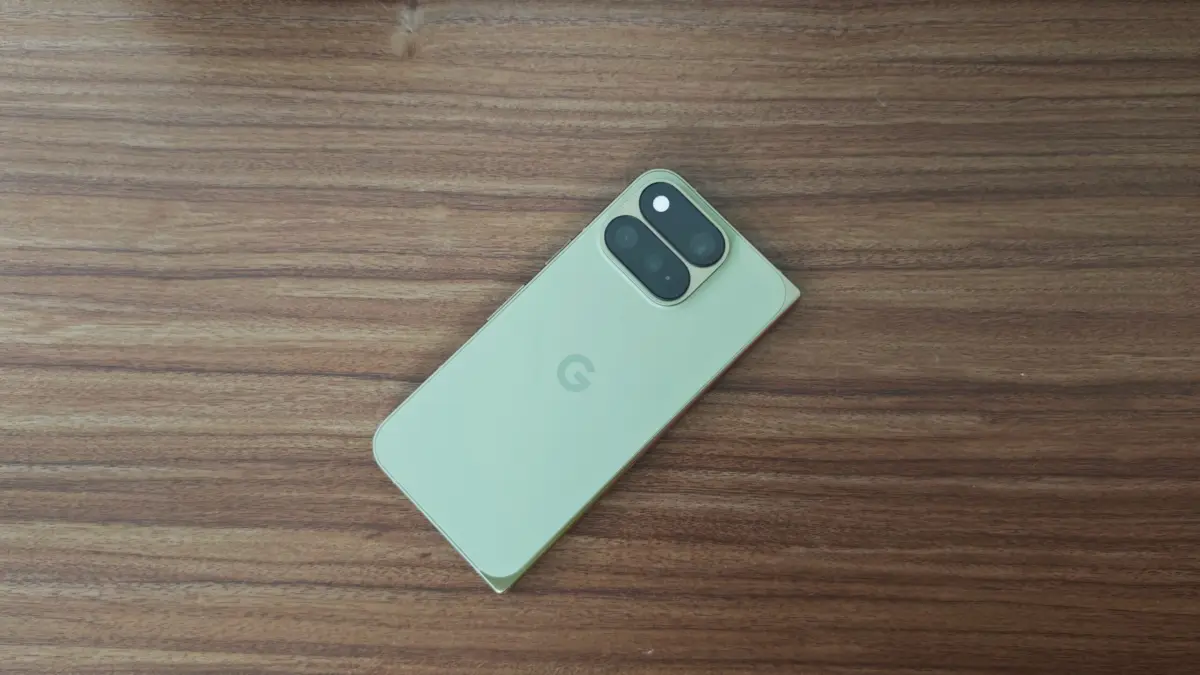
Rather than reinventing the wheel, Google has focused its engineering efforts on refinement. The changes implemented in the Pixel 11 Pro Fold are largely iterative, involving a slightly lighter design, a significantly brighter display, improved wireless charging capabilities, and an updated primary camera sensor. On a purely aesthetic level, the new olive colorway is subtle yet undeniably gorgeous, offering a nice bonus for buyers who appreciate understated style. However, in a crowded market filled with compelling alternatives, this device might struggle to capture the interest of first-time foldable buyers—unless, of course, they happen to be dedicated, die-hard Pixel fans.

Despite the incremental nature of the updates, using the device day-to-day remains an enjoyable experience. The Pixel 11 Pro Fold features a camera array that is more than competent, even if it ultimately fails to match the stellar performance of the conventional Pixel 11 Pro setup. Furthermore, the inner screen remains a pleasure to interact with, holding its ground despite the presence of a very visible crease running down the middle.

Design
When looking at the physical specifications, the Pixel 11 Pro Fold measures 5mm in thickness when fully unfolded, an incremental trim from the 5.2mm thickness of the Pixel 10 Pro Fold. When folded closed, it measures 10.1mm thick, compared to the 10.8mm profile of its predecessor. These are the kinds of measurements that live primarily on a spec sheet, as users are unlikely to notice a dramatic difference in everyday handling. It is worth noting, however, that Google’s offering still fails to achieve the razor-thin profile seen on competing devices like the Honor V6 Magic.

The physical difference that users might actually perceive—assuming they hold last year’s and this year’s foldables side-by-side—is a weight reduction of 19 grams. For anyone unboxing a brand-new device or transitioning from a completely different brand of foldable, that marginal difference is barely noticeable.

Durability, however, is an area where Google has made tangible claims of progress. The Pixel 10 Pro Fold was already recognized as a structurally sturdy piece of hardware, but with this latest iteration, the company asserts that overall durability has been increased threefold. This enhanced resilience is achieved through a new glass-ceramic cover on the exterior and a glass-fiber composite back cover designed to absorb and distribute impact forces effectively. Google’s structural engineering proves its worth in practice; accidental drops from tables and pockets fail to leave any visible dents or scratches on the chassis, marking a clear triumph for the hardware team.

One structural quirk carried over from previous generations is the deliberate stiffness of the hinge. By design, the hinge is strong enough that users cannot easily unfold the 11 Pro Fold with a single hand.

Turning to the displays, the outer screen is ever so slightly larger, but the most observable upgrade is the implementation of a blistering 3,600-nit peak display, stepping up significantly from last year’s 3,000-nit panel. This substantial brightness boost translates to a much more usable experience when operating the phone outdoors under harsh, direct sunlight.

On the flip side, Google’s foldable continues to feature a very prominent crease down the center of the inner screen. In an era where rival manufacturers like Oppo and Honor have managed to minimize the visibility of folding creases to near-invisibility, Google lags behind. The crease on the Pixel 11 Pro Fold is particularly pronounced when viewed under bright lighting conditions, a characteristic exacerbated by the lack of a highly reflective display layer.

On the rear panel, the device includes the distinctive HiLight indicator. True to its predecessor, this light strip illuminates exclusively for incoming calls from designated favorite contacts and when engaging hands-free conversations with Gemini. Beyond those specific scenarios, the feature remains a minor cosmetic addition rather than a transformative utility.

Software and AI
Consuming media, reading articles, and watching videos on a large foldable screen remains an inherently enjoyable pastime, although ultra-wide foldables occasionally hold a slight advantage when it comes to widescreen video playback. Multitasking functionality operates smoothly, though it remains restricted to running two applications side-by-side.

Applications that have been specifically optimized for foldable form factors offer a fantastic user experience. Gmail serves as a prime example; taking advantage of the expanded canvas, the application displays the user’s main inbox on one side and the selected email thread on the other, significantly streamlining the process of clearing out correspondence. Conversely, other popular productivity tools like Slack still lack a dedicated split-view interface. It remains a source of frustration for users that, despite several hardware generations of Android foldables passing by, many mainstream apps still fail to adapt intelligently to expanded screen real estate.

With the rapid pace of development within Apple’s ecosystem, the Android platform risks feeling as though it is falling behind in the foldable software experience, particularly with the arrival of the iPhone Duo. While opinions remain divided regarding how standard apps render on the Duo’s unique unfolded display, Apple’s developer community has shown a tendency to update applications rapidly to suit unconventional aspect ratios.

On the positive side, Android’s bubble system—which allows users to access applications in floating windows and minimize them cleanly into a persistent taskbar—remains a thoughtful design choice. It allows for quick, temporary glances at information inside an application without requiring the app to occupy a full-sized window.

Updates to Google’s Gemini assistant were comparatively muted this release cycle. The company has built upon its "Magic Cue" concept to deliver contextual, timely suggestions across various applications. Among the newer software additions, the "Rambler" feature stands out as a standout tool for processing quick responses to emails and text messages, as well as taking dictation without necessitating typing on an oversized split keyboard.

Camera
For years, foldable smartphones have routinely lagged behind their traditional candy-bar counterparts in pure photographic capability. While the Pixel 11 Pro Fold does nothing to shatter that industry trend, Google’s continued use of the prestigious "Pro" moniker for its folding device feels somewhat misleading. The cameras on the Pixel 11 Pro Fold are undeniably good, but they simply do not match the elite photographic prowess of the standard Pixel 11 Pro XL.

There are, however, notable hardware and software improvements to celebrate. The device incorporates an updated main sensor—retaining a 48-megapixel resolution—which is engineered to capture more ambient light, yielding photographs with enhanced detail and clarity. Furthermore, Google has updated its internal processing models to support up to 30x Super Res Zoom, representing a notable step up from the 20x ceiling found on the previous model.

Even though Google has chosen not to incorporate the exact same ultra-wide and telephoto hardware found in its slab-style Pro phones, utilizing the primary sensor from the rectangular phone would have been a welcome inclusion. Because the telephoto and ultra-wide sensors closely mirror last year’s hardware, images captured using those secondary lenses show barely any noticeable improvement.

On the software and creative side, the camera suite introduces "Looks," a feature that allows users to alter the aesthetic tone of images using various curated presets. Additionally, "Magic Capture" analyzes video footage to automatically extract the sharpest individual frames—a particularly useful tool for parents attempting to photograph active children or pets.

Price
Priced at $1,899, the Pixel 11 Pro Fold is targeted squarely at dedicated ecosystem enthusiasts who specifically want a folding device. Notably, it sits just $100 below the starting price of the new iPhone Duo and matches the exact price point of the Samsung Galaxy Z Fold 8, both of which are prominent wide-format competitors. In the U.S. market, the taller Galaxy Z Fold 8 Ultra commands an even higher entry price starting at $2,099.

Across the European market, major manufacturers like Xiaomi and Honor are also preparing to release their latest foldable handsets, ensuring that Google’s offering will face intense, unrelenting competition from all sides.