Bitcoin remained under pressure on Thursday, trading below the $81,000 threshold around the Wall Street opening bell as fresh geopolitical tensions regarding Iran resurfaced to rattle global financial markets. The leading cryptocurrency faced renewed downward momentum following a combination of risk-off sentiment in traditional equities, volatile corporate earnings reports, and shifting macroeconomic expectations.
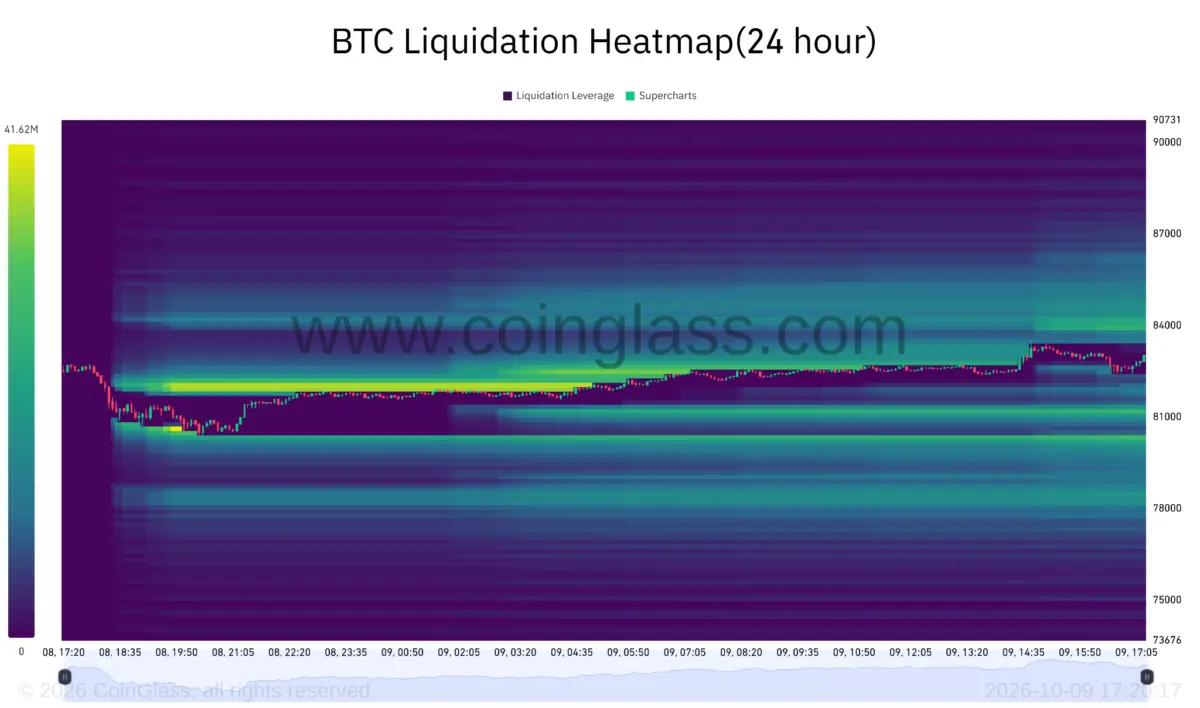
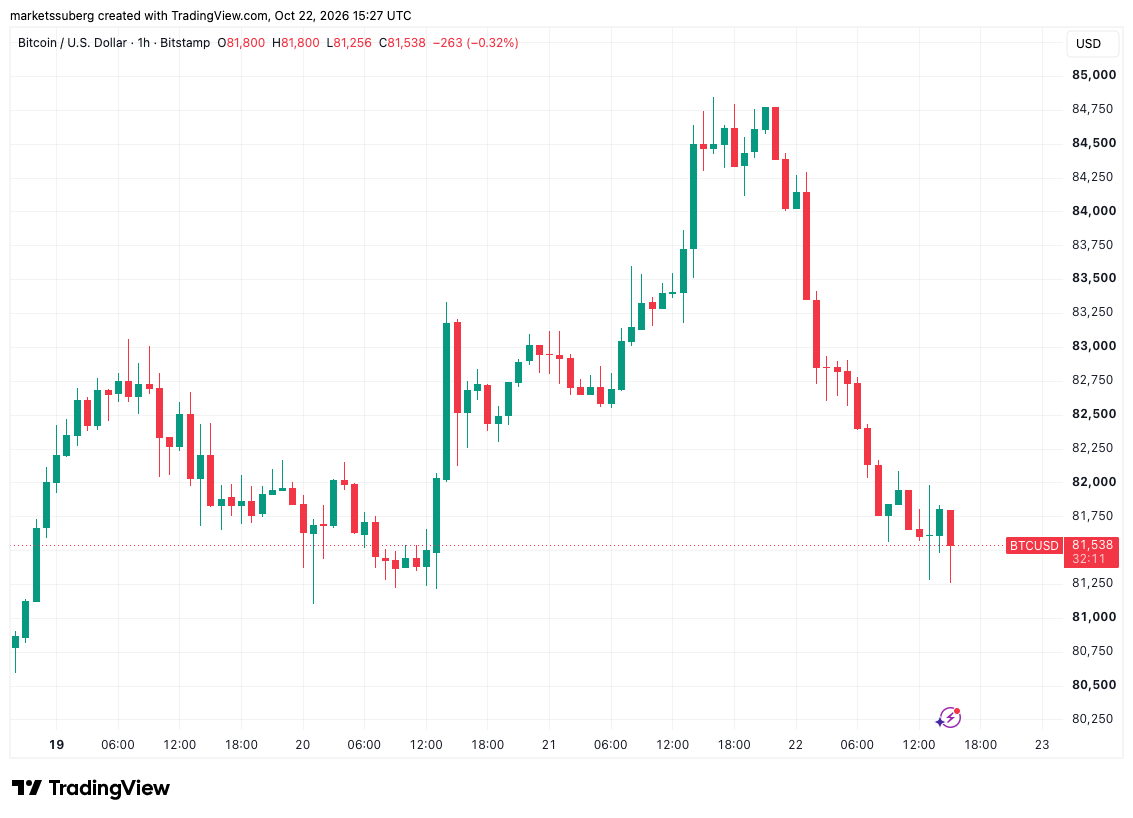
Data from TradingView indicated that the BTC/USD pair dipped to a low of $81,256 on Bitstamp, marking a 2.9% decline over the trading day. The correction followed an earlier attempt by bulls to reclaim higher ground, keeping Bitcoin largely anchored near the cost basis of United States spot Bitcoin exchange-traded funds, which sits at approximately $81,500.
The broader risk-off environment was heavily influenced by escalating political rhetoric. Market participants reacted to comments from former U.S. President Donald Trump, who stated that the United States was "not negotiating" with Iranian authorities. Addressing reporters regarding upcoming political milestones, including the U.S. midterm elections scheduled for November 3, Trump suggested that a definitive resolution or event would likely unfold in the near future. These remarks quickly reverberated across global markets, dampening investor appetite for high-beta and risk-sensitive assets, including equities and digital assets.
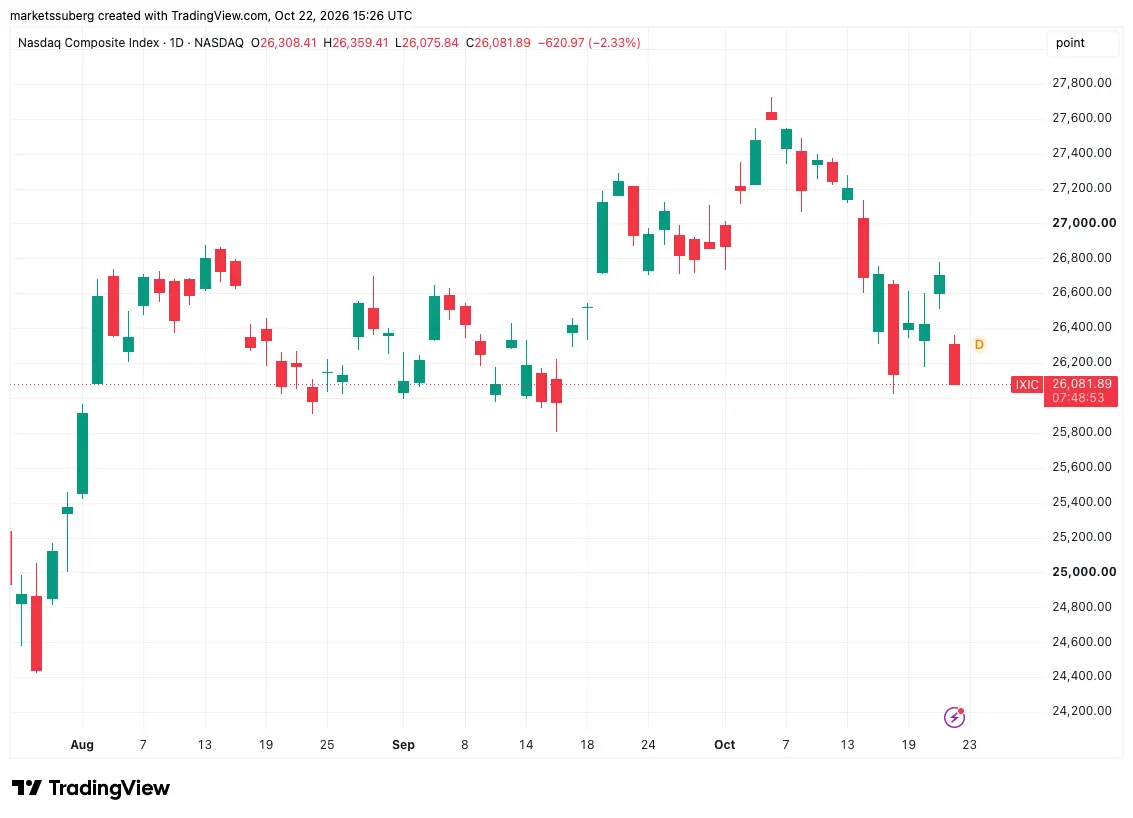
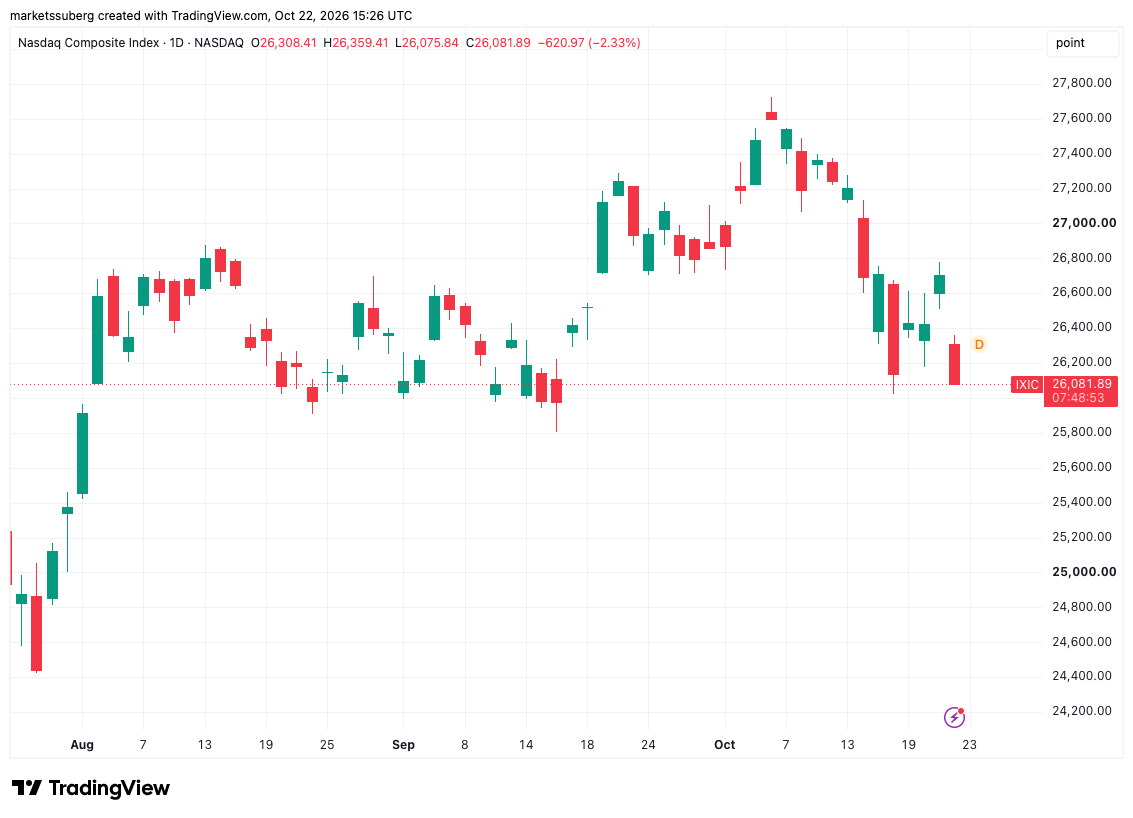
Traditional financial markets experienced immediate pullbacks following the Wall Street open. The benchmark S&P 500 Index retreated by 1.3% during morning trading, while the technology-heavy Nasdaq Composite Index suffered a steeper decline, dropping 2.3% as technology shares faced renewed scrutiny.
The downturn in equities was further exacerbated by mixed reactions to corporate earnings, notably from Tesla, whose latest financial results and capital expenditure figures yielded a divided response from investors. Analysts noted that ongoing anxieties surrounding artificial intelligence valuations, combined with a sharp rebound in energy prices, contributed significantly to the broader market malaise.
Ian Lyngen, head of U.S. rates strategy at BMO Capital Markets, highlighted the defensive posture adopted by institutional investors amid the market turbulence. Pointing to the shifting dynamics in fixed-income markets, Lyngen noted that U.S. Treasuries had emerged as a primary beneficiary as global risk sentiment came under sustained pressure. As capital flowed away from equities and alternative investments, bond returns improved, driving the U.S. 10-year Treasury yield toward the 5% threshold before it slipped to its lowest level since September 23.
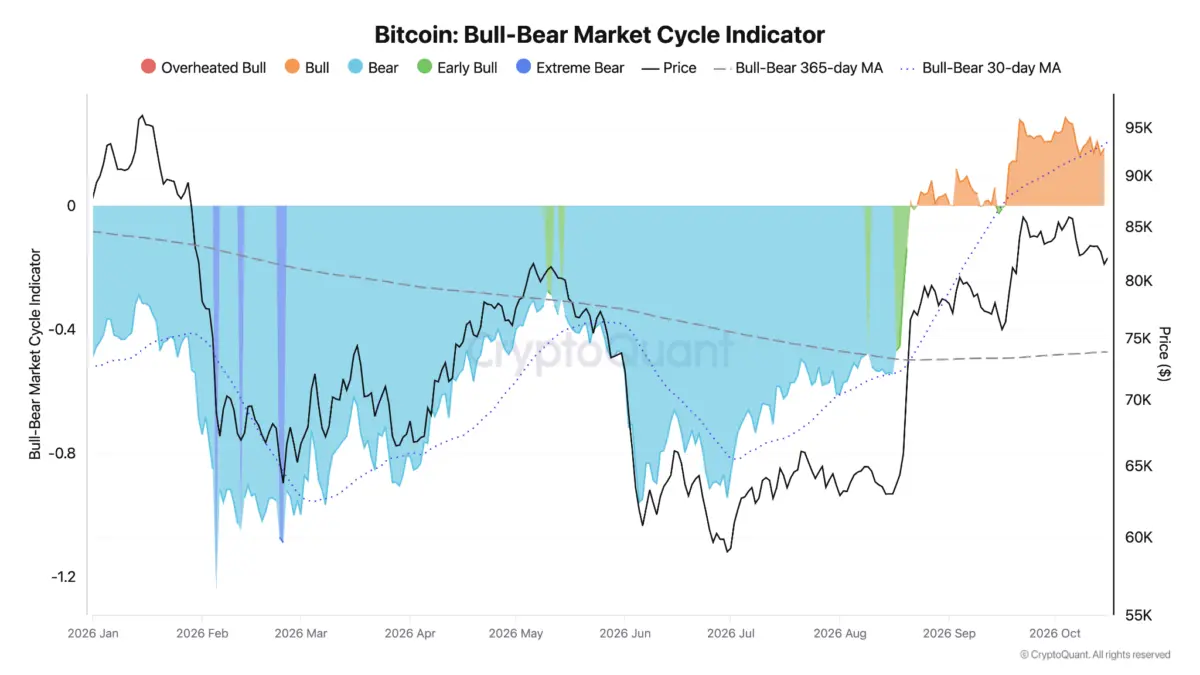
Against this complex macroeconomic backdrop, Bitcoin’s recent price action has largely mirrored the broader hesitancy seen across traditional markets. Having reached a local peak of nearly $85,000 just a day prior, the cryptocurrency’s inability to sustain upward momentum has drawn the focus of market analysts toward key technical levels and institutional demand metrics.
Research analysts at Bitfinex Alpha, the analytical arm of the digital asset exchange Bitfinex, released a report forecasting that Bitcoin could remain confined to a relatively narrow trading range in the near term. According to their assessments, BTC/USD is expected to fluctuate between $81,300 and $84,400 as the market awaits the next policy decision from the U.S. Federal Reserve, scheduled for October 28.
The Bitfinex researchers emphasized that sustained demand from spot exchange-traded funds, coupled with stable leverage metrics among derivatives traders, would be crucial for initiating a decisive breakout above the $84,400 resistance level. Conversely, they warned that persistent macroeconomic headwinds, combined with a daily price close falling below the $81,300 support floor, would significantly increase the risk of a downward correction toward the October 15 low of $79,821.
Longer-term market sentiment has also shown signs of caution. On derivative prediction platforms such as Kalshi, market participants have noticeably discounted the probability of a major price recovery or a push toward new all-time highs heading into the start of the new year. Traders on the platform recently trimmed the implied odds of Bitcoin reaching ambitious price milestones by mid-January to just 3%, reflecting a more measured outlook regarding the remainder of the market cycle as investors navigate intersecting geopolitical and monetary policy uncertainties.