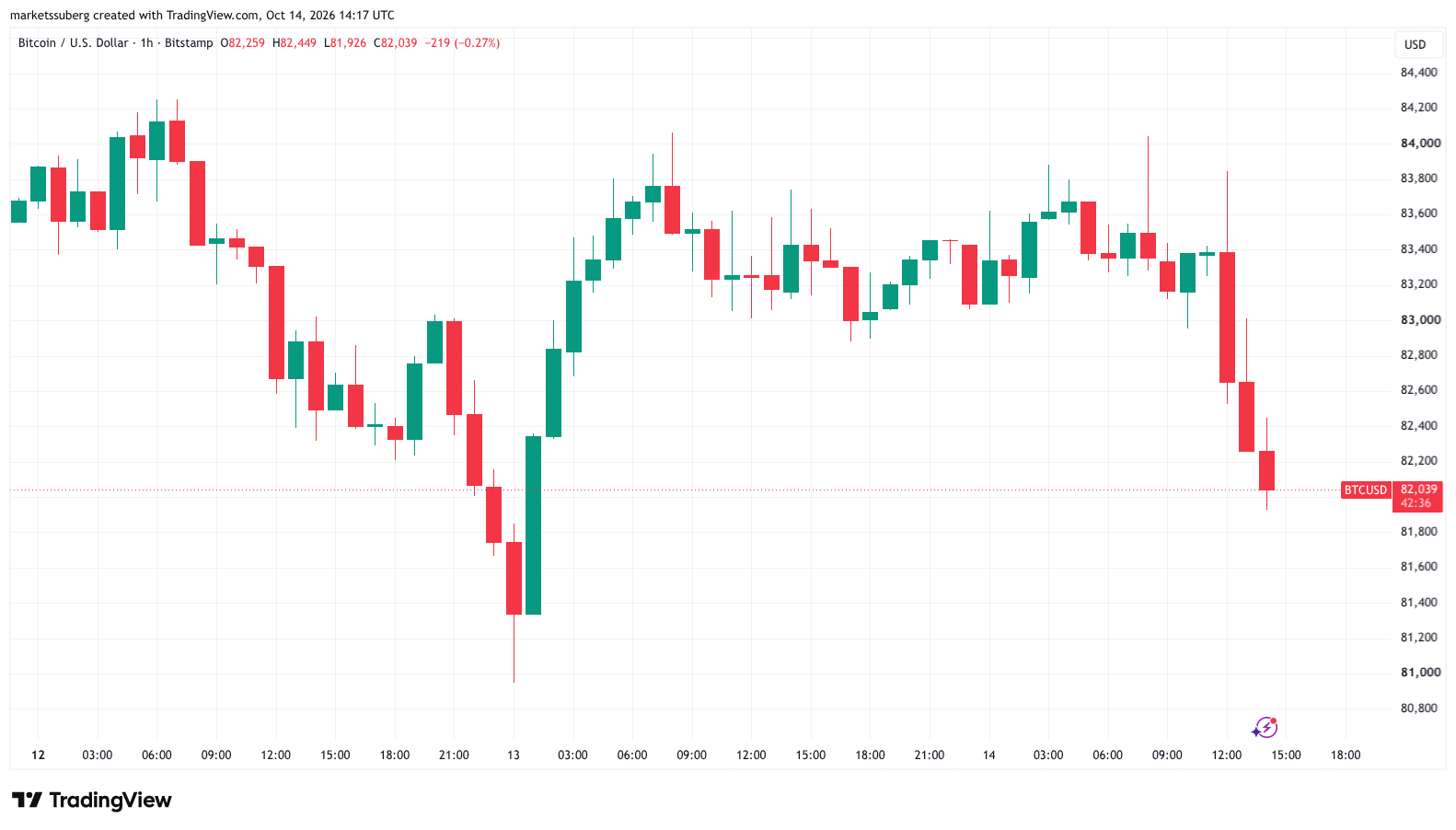
Bitcoin (BTC) dropped below the $82,000 threshold following Wednesday’s Wall Street opening bell, pressured by a stronger-than-expected United States consumer inflation report that immediately sent shockwaves across global financial markets.
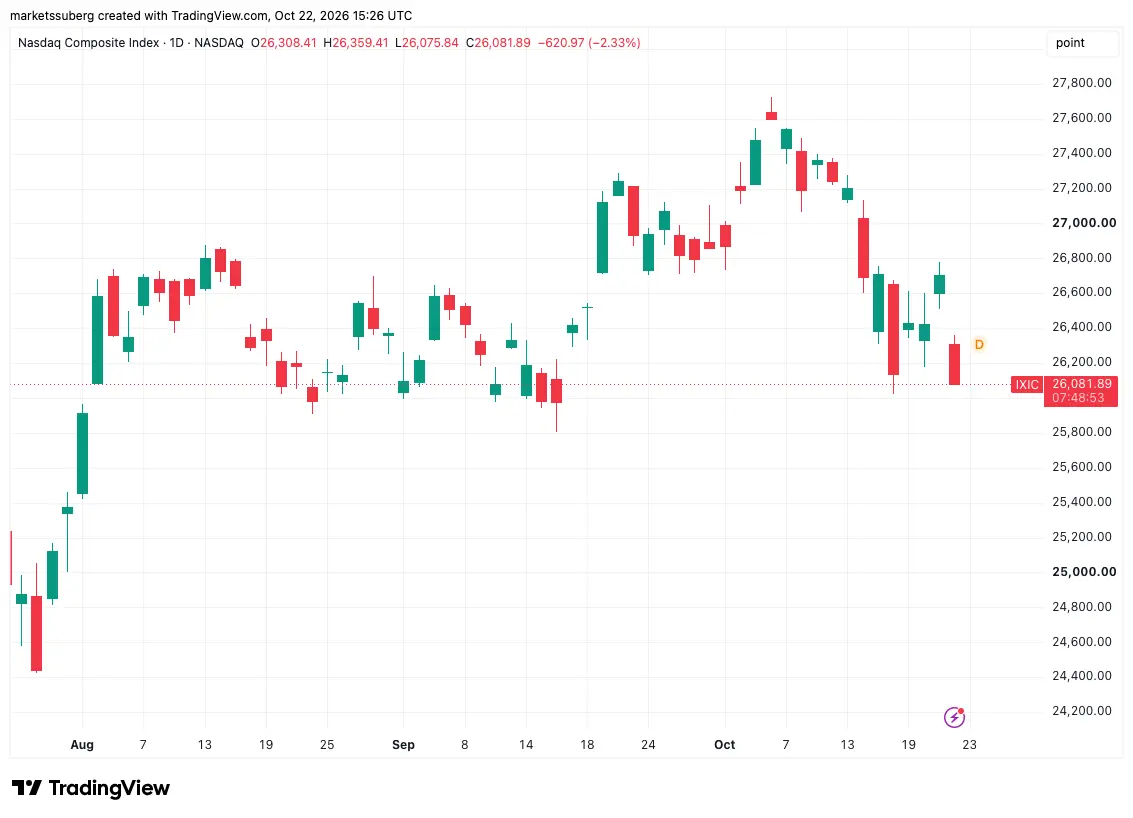
Data from TradingView captured a synchronized downward sweep across major asset classes, including cryptocurrencies, gold, and stock market futures, almost immediately after the Bureau of Labor Statistics (BLS) published its Consumer Price Index (CPI) figures for September. The macroeconomic data disrupted market sentiment and forced investors to rapidly reassess their outlook for Federal Reserve monetary policy as inflationary pressures continued to prove more persistent than many analysts had anticipated.
Bitcoin Slips Under $82,000 on Higher US CPI Print
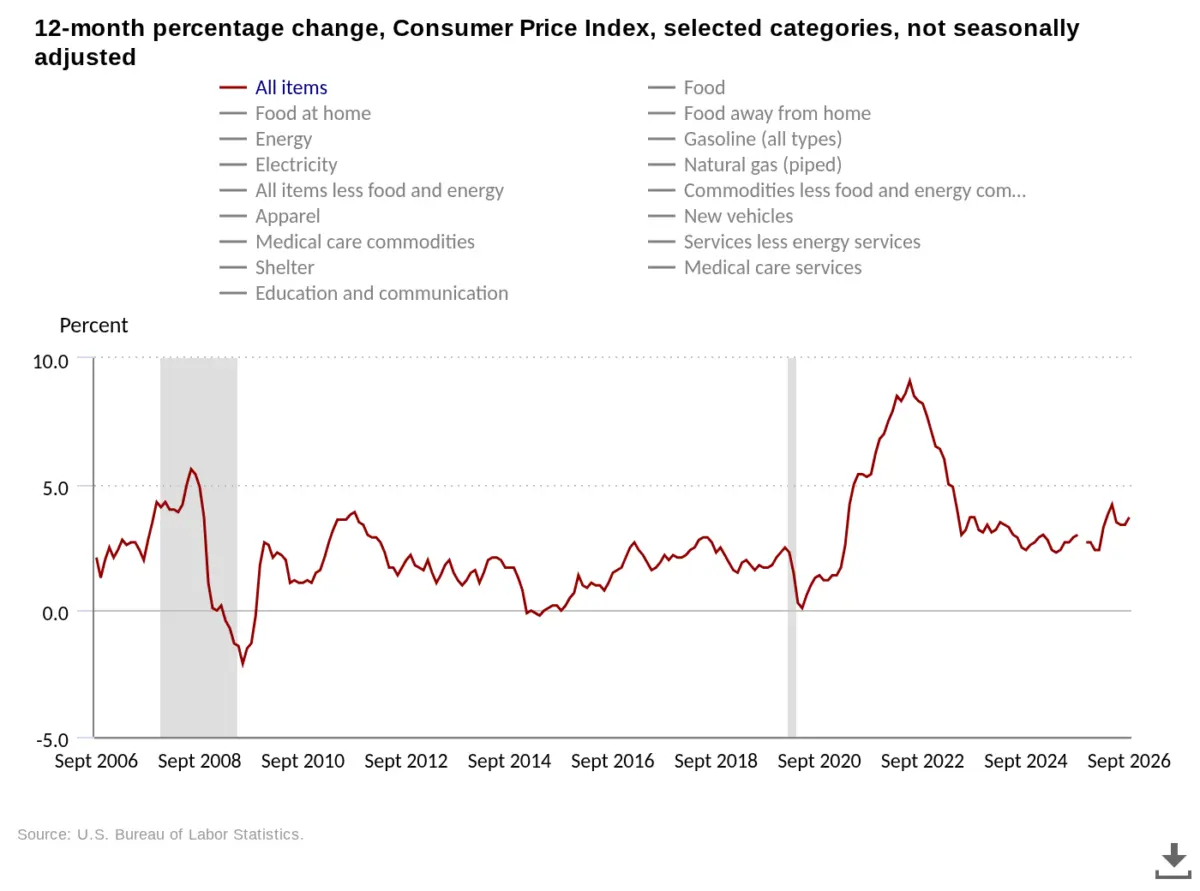
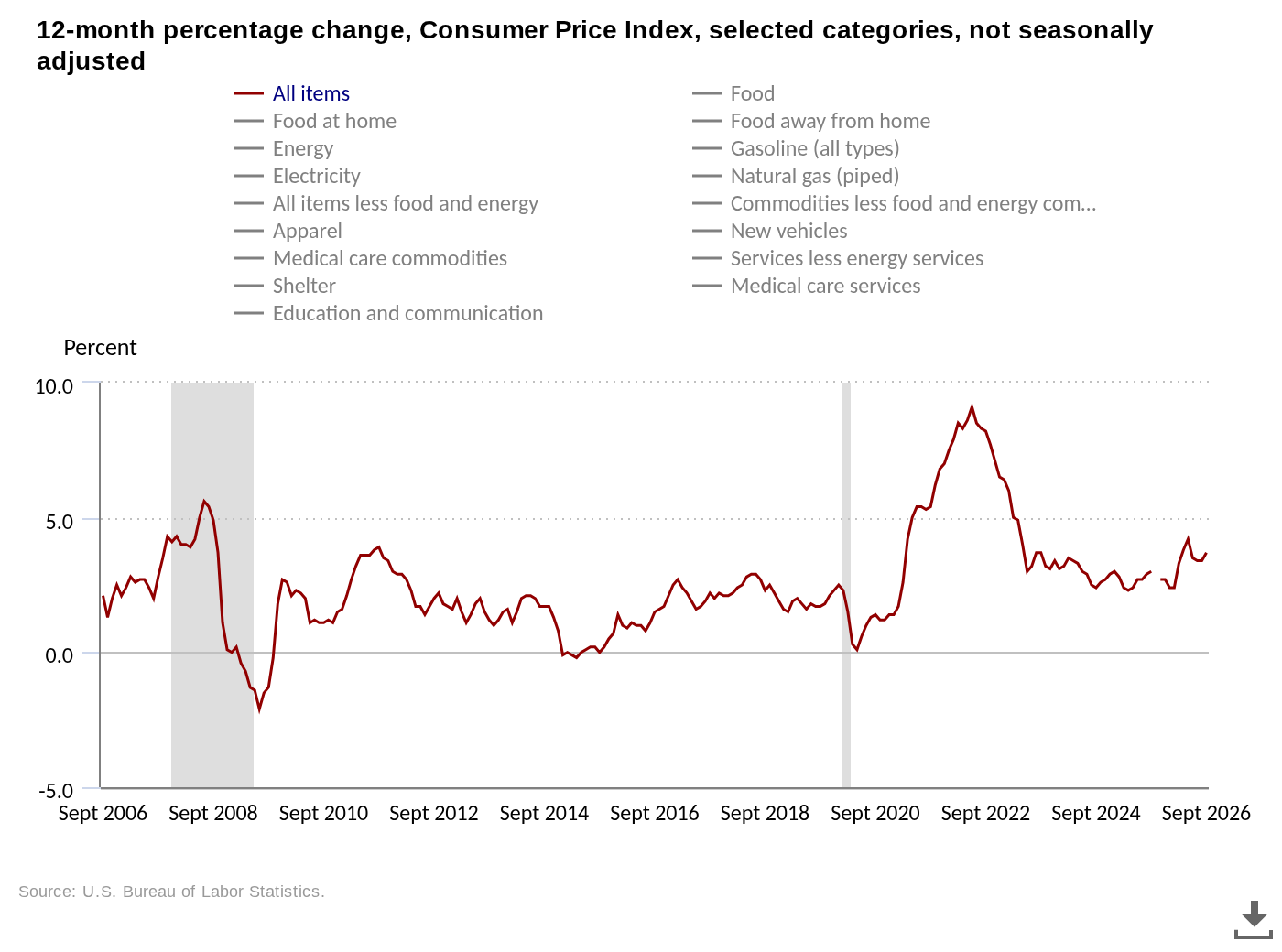
According to the official data released by the BLS, headline consumer inflation came in at 3.7% year-on-year for September. This reading exceeded the majority market consensus by 0.1 percentage points, signaling that price growth in the world’s largest economy is refusing to cool as quickly as policymakers would prefer.
Much of the upward pressure on the headline figure was driven by a sharp escalation in energy costs, exacerbated heavily by geopolitical tensions in the Middle East and a concurrent oil-supply crisis. The energy sector’s turbulence translated directly to pain at the pump for American consumers.

"The index for gasoline rose 9.1 percent in September, accounting for over half of the monthly all items increase. The energy index increased 5.2 percent over the month following a 2.1-percent increase in August," an official BLS release stated, underscoring the volatile role that commodities continue to play in the broader economic picture.
The inflation wave was not confined strictly to energy and volatile food sectors. Broad-based price increases were confirmed by core CPI—an index that strips out volatile food and energy components to provide a clearer view of underlying inflation trends. Core inflation came in at 2.6% year-on-year, also beating consensus expectations by 0.1%.
The persistent nature of these readings drew sharp commentary from market strategists. Sonu Varghese, chief macro strategist at the Carson Group, pointed out that investors continue to be caught off guard by economic realities that have been visible on the horizon for some time.
"The only surprise is that investors keep getting surprised by broad-based inflation. And we’ve yet to see the full impact of higher diesel prices and the AI boom," Varghese told CNBC, highlighting structural economic shifts that could keep price pressures elevated in the months ahead.
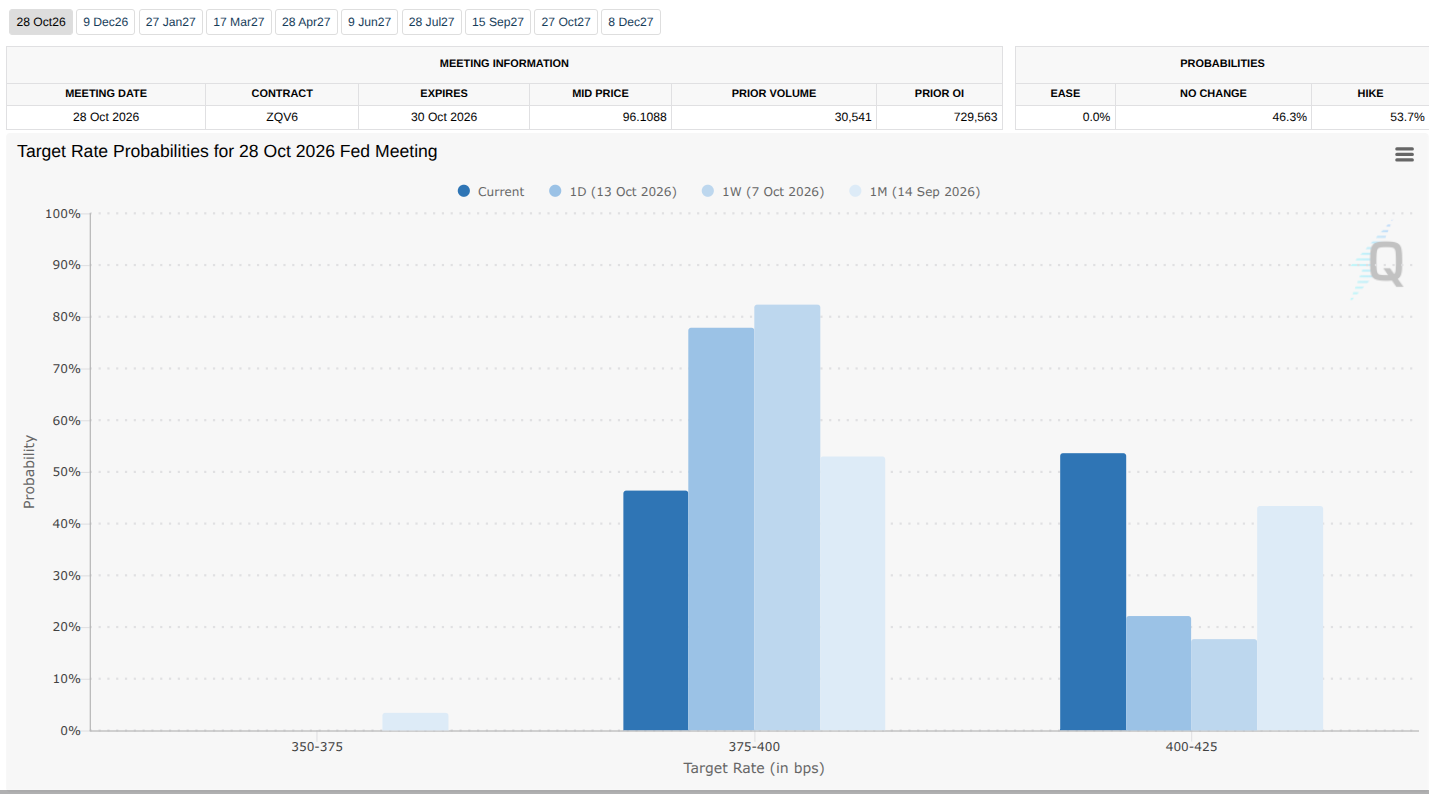
The hot inflation print immediately altered expectations on Wall Street regarding the trajectory of US interest rates. According to data from CME Group’s FedWatch Tool, market participants rapidly priced in a more hawkish central bank stance. The majority of traders shifted their forecasts to favor a 25-basis-point interest-rate hike at the Federal Reserve’s upcoming policy meeting on October 28. The probability of this outcome spiked to 53.7%, a massive jump from just 22.1% recorded the previous day. Furthermore, expectations for December also shifted, with the odds of a second consecutive 25-basis-point rate hike standing firm at 50%.
Economic analysts suggested that while the immediate October meeting might see the central bank pause to digest mixed economic data, the door for a tightening bias has firmly swung back open. Theresa Sheehan, an economic analyst at Econoday, noted that the inflation print must be weighed alongside other labor market indicators.
"Taken in combination with the soft payroll numbers in the September employment report, the FOMC is probably on hold for any rate moves at the upcoming October 27-28 meeting although with a definite bias toward a hike in December," Sheehan said.
As markets digest the September CPI figures, attention is already turning toward the next major macroeconomic data drop. The Producer Price Index (PPI) for September is scheduled for release on Friday, providing further clarity on wholesale inflationary pressures winding their way through the supply chain.
Analysis: High CPI “Last Thing Global Bond Markets Needed”
The ripple effects of the hotter CPI print extended far beyond the digital asset ecosystem. Traditional safe-haven assets and government debt instruments experienced severe volatility as yields surged across the curve.
Gold prices took a notable hit, tumbling as low as $4,079 per ounce in the immediate aftermath of the inflation report. Simultaneously, US Treasury yields climbed sharply, putting intense pressure on fixed-income portfolios worldwide.
The benchmark 10-year Treasury yield, which is exceptionally sensitive to shifts in energy prices and macroeconomic sentiment, surged to 5.329%. This put the yield just three basis points away from establishing dramatic new 24-year highs, a move that directly mirrors recent sell-offs triggered by geopolitical nerves involving Iran.
Market observers were quick to flag the systemic risks posed by the renewed bond market sell-off. Economist Robin Brooks captured the prevailing sentiment among macro analysts regarding the fragility of global debt markets.
"This is the last thing global bond markets needed. Prior to this number, it looked like the global bond sell-off was calming, but now bond markets are catching on fire again," Brooks wrote in a published commentary.
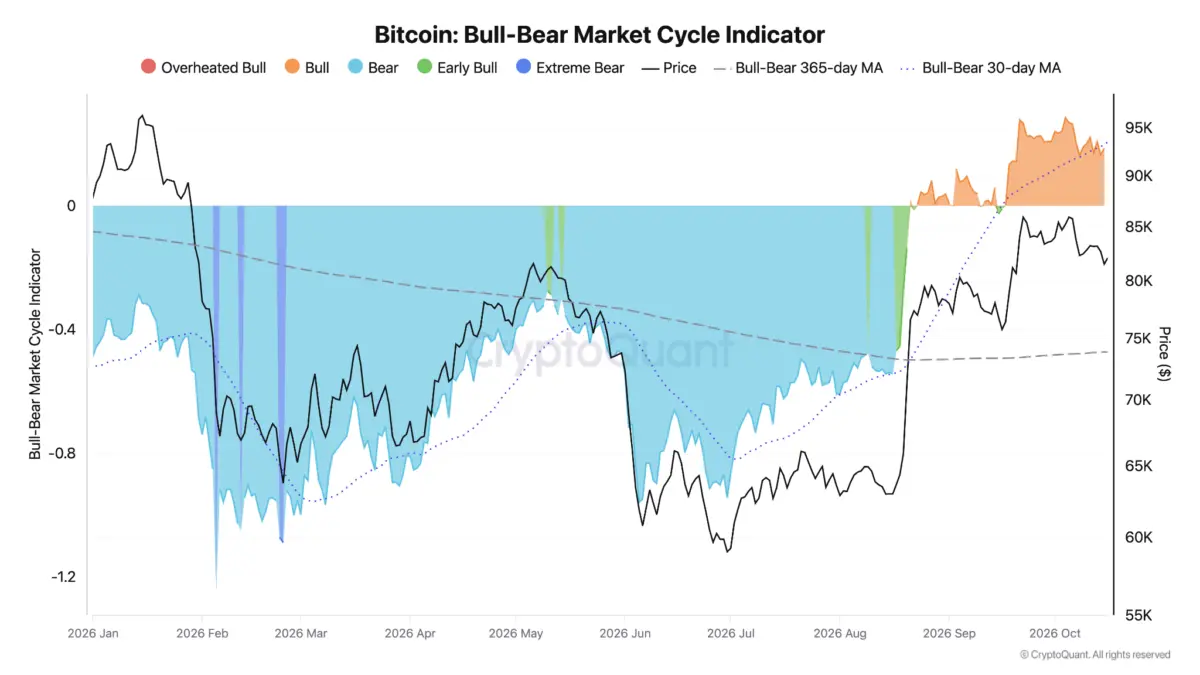
Amid this broader macroeconomic turmoil, Bitcoin’s price action found itself tightly compressed. BTC continued to circle a crucial technical zone between $82,500 and $83,400, with market participants and technical analysts anxiously waiting for definitive volume to establish whether these levels can successfully hold as firm market support, or if a deeper correction awaits the world’s leading cryptocurrency as global liquidity conditions tighten.