Bitcoin (BTC) fought to avert deeper losses on Friday, staging a resilient recovery back toward the $83,000 threshold as global crypto markets absorbed a wave of liquidations and emerging security concerns surrounding Ledger hardware wallets.
TradingView data captured the premier cryptocurrency hovering around the critical $82,500 support zone. The modest recovery followed a sharp midweek sell-off that had dragged BTC/USD down to an intraday low of $80,350 on Thursday, pressured in part by escalating geopolitical tensions in the Middle East—specifically concerns over oil markets following reports of strikes involving Iran—and broader macroeconomic headwinds.
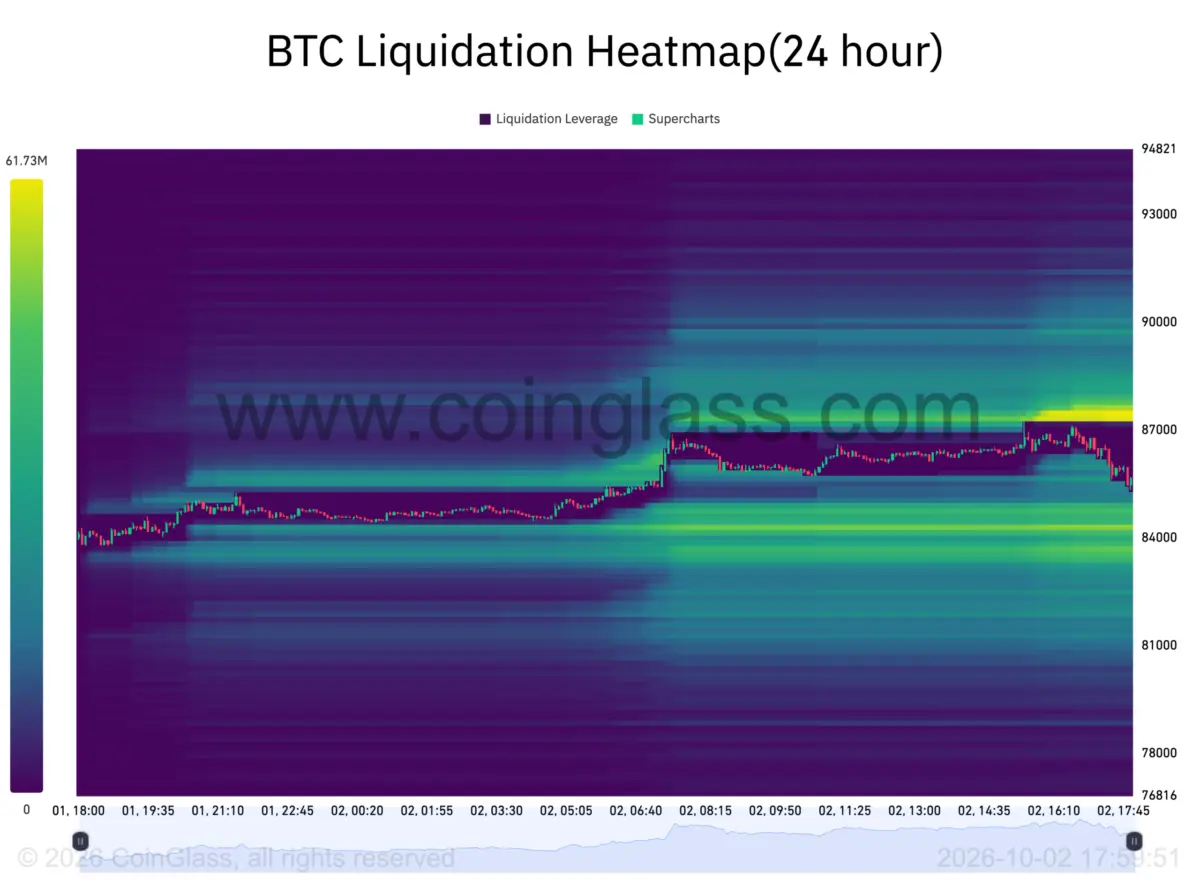
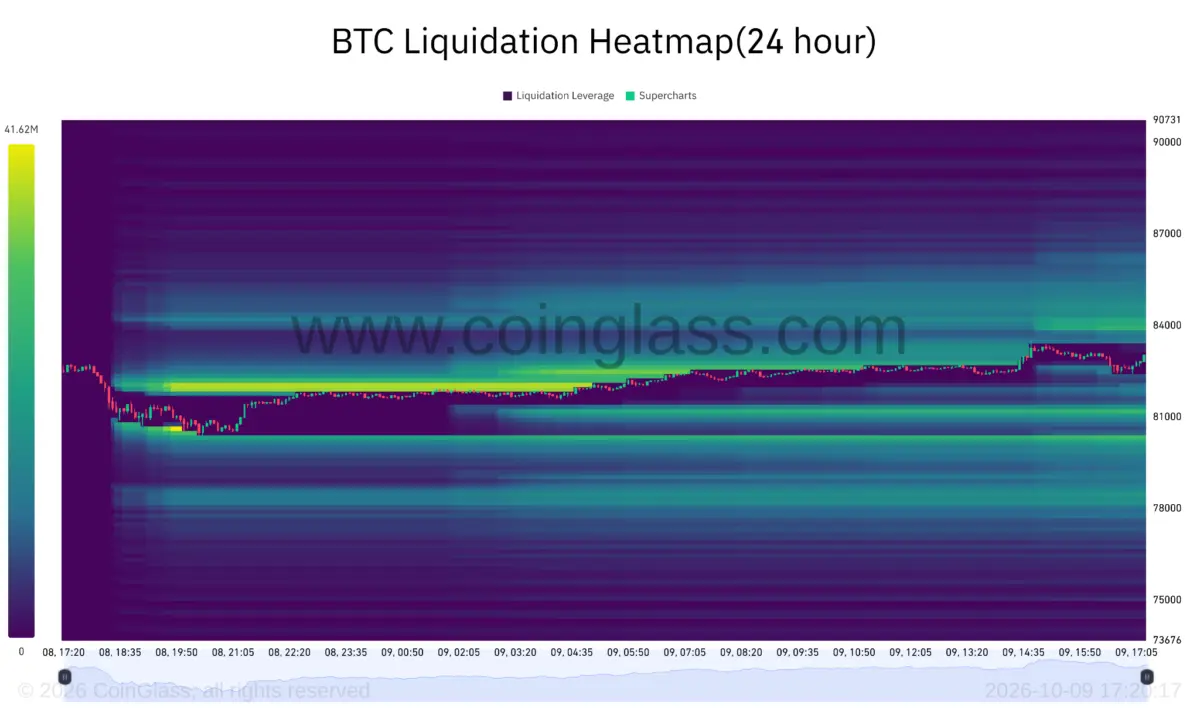
Despite the initial downward spiral, fresh buyer interest quickly materialized as rolling 24-hour crypto liquidations surpassed the $1 billion mark across derivatives exchanges. According to updated heatmaps from CoinGlass, the spot price began cutting aggressively through existing ask-side liquidity clustered on major exchange order books, with thicker layers of resistance and liquidity building up sequentially toward the $84,000 milestone.
The broader financial landscape offered a mixed backdrop for risk-on assets. United States equities opened higher on Friday as technology shares attempted a measured recovery from heavy selling earlier in the week. The tech-heavy Nasdaq Composite Index had previously come under intense pressure, a downturn amplified by weaker-than-expected earnings projections and forward guidance from OpenAI. Market analysts noted that the recent equity pullback was largely driven by stretched market positioning rather than a fundamental structural breakdown.
Adam Crisafulli of Vital Knowledge addressed the tech sector’s movements in a note to clients, pointing out that the sell-off reflected extreme positioning imbalances that still had further to unwind. Consequently, Crisafulli noted that the broader artificial intelligence and tech-linked stock complex was unlikely to simply stage a sharp, V-shaped rebound.

Ledger Hardware Wallet Exploit Reports Stir Community Concern
Even as cryptocurrency prices sought stabilization, market participants were forced to contend with fresh cybersecurity anxieties following reports of an exploit targeting Ledger hardware wallets. The incident once again thrust the security of cold storage solutions into the industry spotlight, though crypto markets initially appeared to brush off the systemic implications of the breach.
Ledger addressed the unfolding situation via an official post on social media platform X, acknowledging the circulating claims and directly linking the reported thefts to CryptoBillis, a hardware wallet reseller operating in Southeast Asia. The company issued precautionary guidance to affected users, advising anyone who had set up a potentially compromised Ledger device to consider moving their digital assets to a newly initialized Ledger signer utilizing a fresh, untainted seed phrase.
This development follows a turbulent period for cold storage security. Hardware wallets have faced significantly heightened scrutiny from the cryptocurrency community and security researchers alike in recent months. The sector was rattled earlier in the summer when manufacturer Coldcard suffered a multi-phase security breach across July and August, leading to renewed debates regarding supply chain vulnerabilities, firmware integrity, and the absolute safety of physical cryptographic storage devices.
Despite the gravity of the Ledger reports, Bitcoin’s spot market demonstrated remarkable absorption capacity, refusing to break below foundational support levels as traders shifted their focus toward upcoming macroeconomic catalysts.
US Macro Data Seen as Next BTC Price Volatility Catalyst
With the weekly candle close fast approaching, market participants and derivatives traders are increasingly turning their attention to upcoming macroeconomic data releases from the United States, which are widely expected to dictate the next major wave of market volatility.
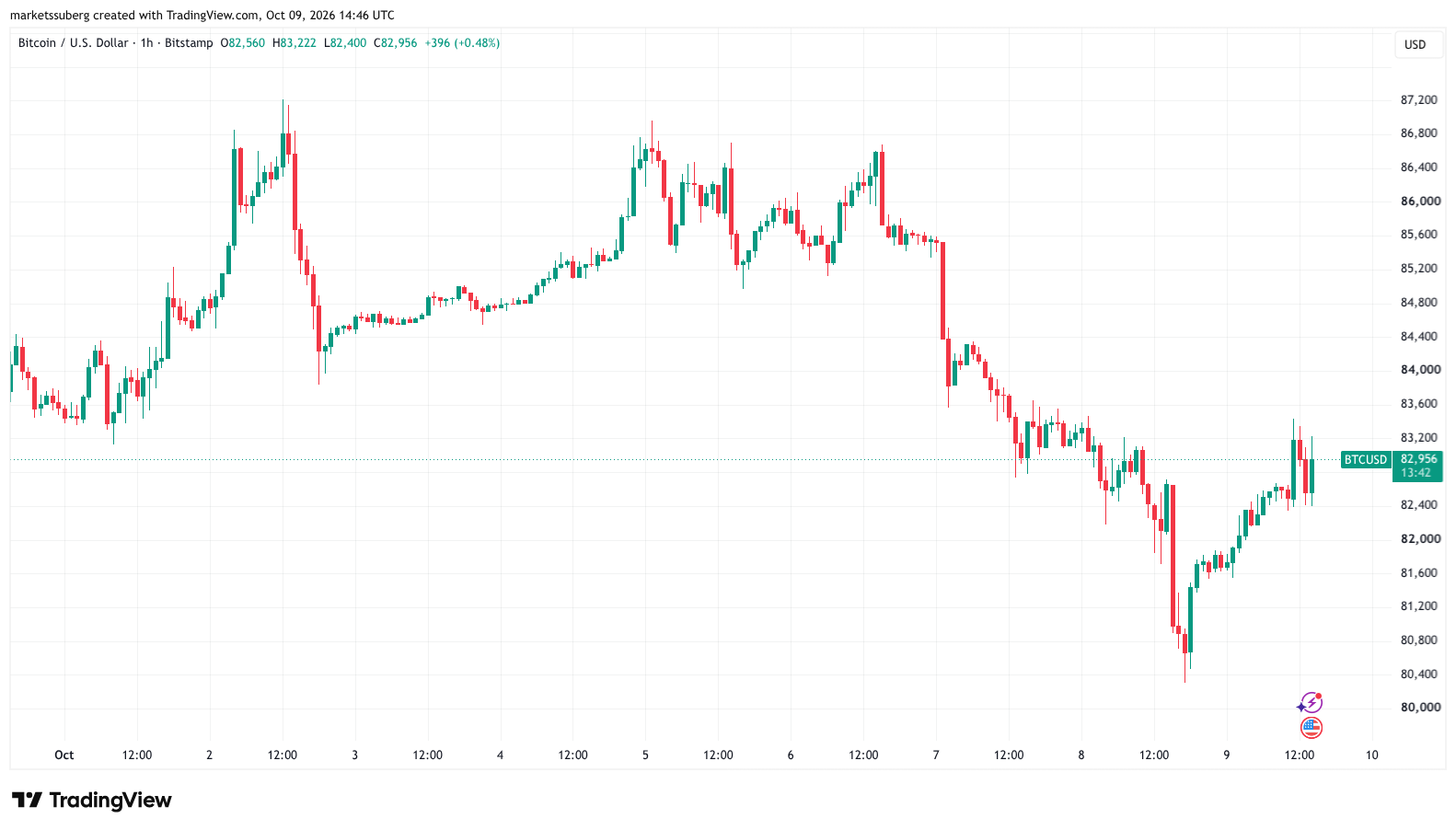
Analysts have continually emphasized that holding the $82,500 region remains vital for bullish market structure, a price tier that has successfully acted as a dependable support floor since mid-September. Technical analysts have also noted that this price action continues to form part of a potential inverse head-and-shoulders macro reversal pattern, drawing technical parallels to a similar formation that preceded major bullish momentum in 2023.
Institutional research desks have echoed the sentiment that sideways, range-bound consolidation is likely to dominate the immediate term. Earlier in the week, Bitfinex Alpha—the proprietary research arm of the digital asset exchange Bitfinex—published a market outlook forecasting that choppy, range-bound trading conditions would likely persist until the release of fresh US inflation figures.
According to the Bitfinex Alpha report, the primary outlook anticipates a period of consolidation ranging between $81,300 and $86,500 heading into the mid-October Consumer Price Index (CPI) print, accompanied by repeated retests of the overhead $84,000 liquidity wall.
As traders balance macroeconomic uncertainty, upcoming inflation reports, and lingering fallout from hardware wallet security breaches, Bitcoin continues to test the resolve of market participants as it defends crucial multi-week technical levels.