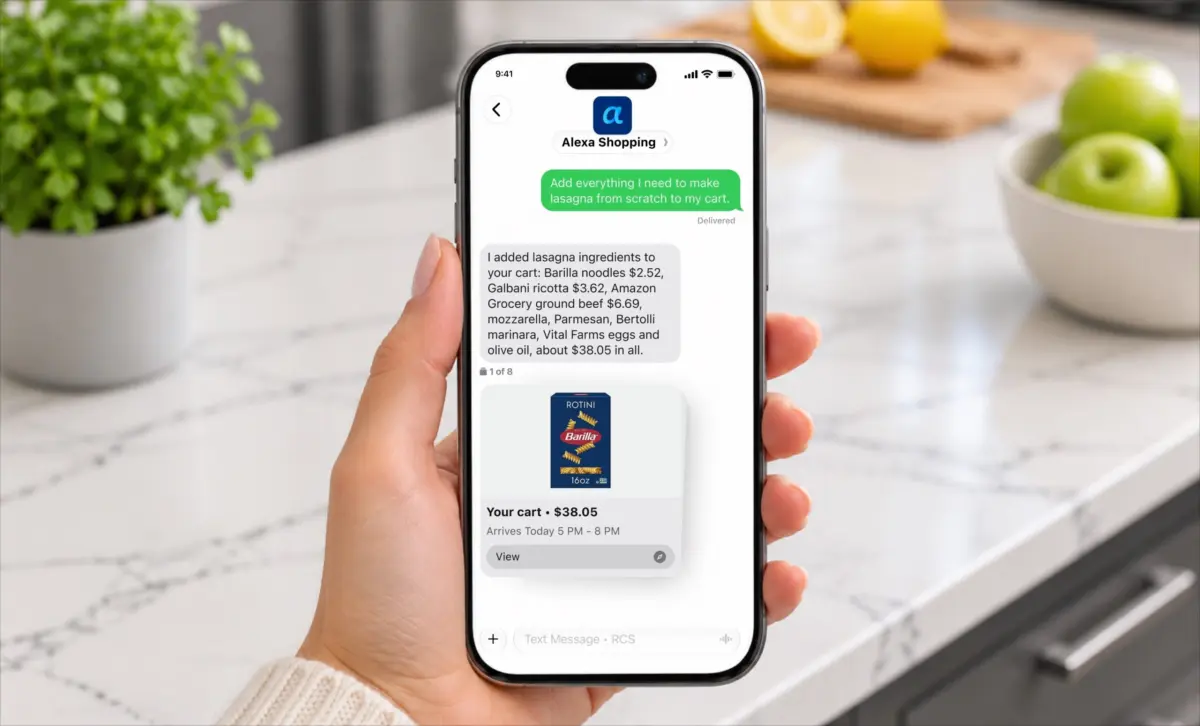
Amazon is officially jumping onto the industry’s prevailing bandwagon for interacting with artificial intelligence agents: texting. The e-commerce giant announced Friday that it is rolling out a brand-new feature enabling customers to chat directly with its flagship Alexa AI agent via text messaging to facilitate their everyday shopping. The functionality mirrors the text-based interactions popularized by emerging AI agents like Muse and Instinct, signaling a major shift in how consumers may handle digital commerce.
The strategic move arrives closely on the heels of Amazon’s decision to block Meta’s AI agent, Muse, from querying its marketplace in September. By introducing the text-based shopping assistant right before the commencement of the crucial holiday shopping season, Amazon is positioning its proprietary ecosystem to capture high-intent consumer traffic directly through mobile messaging channels, bypassing third-party web scrapers and external platforms.
According to the company, select U.S. customers will begin receiving an introductory text message inviting them to enable the new shopping feature on their mobile devices. Those granted early access can seamlessly text Alexa to execute a wide variety of shopping tasks on Amazon using everyday natural language queries. The capabilities span a comprehensive range of e-commerce actions, from searching for specific products and browsing categories to adding items directly to the virtual shopping cart and finalizing purchases without ever opening the traditional
Amazon app or website.
This new text-driven agent builds substantially upon recent shopping-focused upgrades rolled out for Alexa, which were designed to help users manage complex shopping lists, handle household subscriptions, and update delivery instructions. Because of these underlying technological integrations, the text interface is capable of managing custom lists, keeping close tabs on fluctuating prices, searching for items across the wider web, comparing competing products side-by-side, and checking the real-time status of active orders.

Furthermore, the conversational system incorporates advanced multimodal capabilities. Users can text a photograph of an item they spot in the wild, or even a picture of someone wearing a specific outfit, allowing Alexa to scan the image and search for similar listings available for purchase on Amazon. Over time, the company notes, the underlying system architecture will learn individual user preferences based on their texting habits and shopping history, proactively suggesting relevant items tailored to their personal tastes.
For consumers who do not receive an immediate invitation to test the feature during the initial rollout phase, Amazon has established a dedicated waitlist where interested shoppers can sign up. The e-commerce titan stated that the text-based shopping functionality will be rolled out more broadly to a wider audience in the coming weeks.
The launch underscores a broader industry trend as the market for consumer-focused AI agents continues to balloon rapidly. Major technology platforms and retail ecosystems are aggressively building and deploying their own native agents to capture this fresh avenue of user interaction and commercial transactions.
The competitive landscape for third-party versus proprietary AI agents has faced early friction regarding consumer adoption and platform control. Last month, major delivery and logistics company DoorDash revealed that independent third-party agents had thus far only managed to place a few hundred orders in total across its entire platform. In response to these early adoption trends, DoorDash signaled that it plans to concentrate its future developmental efforts heavily on its own proprietary text-based agent, which was initially launched in September to allow users to order food directly via text.
As technology companies race to define the future of conversational commerce, Amazon’s deployment of text-based Alexa shopping represents a significant milestone in bringing AI-driven retail directly into the everyday messaging habits of millions of consumers.