
The rise of artificial intelligence-powered no-code tools that allow users to create applications through simple linguistic prompts rather than complex computer code, when decentralized through blockchain technology, is poised to challenge the long-standing market dominance of Amazon Web Services (AWS) in cloud computing. As the technology sector continues to evolve, the intersection of generative AI and decentralized infrastructure is opening up new possibilities for how software is built, hosted, and maintained.
According to industry leaders, these emerging tools are fundamentally shifting the paradigm of software development. No-code tools are rapidly democratizing access to application creation and custom-tailored user experiences. However, these dynamically generated programs require constant updates and maintenance from artificial intelligence systems to remain functional and relevant, noted Lomesh Dutta, vice president of growth at the Dfinity Foundation. The Dfinity Foundation is a non-profit organization that guides the development of the Internet Computer Protocol (ICP) ecosystem.
This shift toward user-created applications fundamentally eliminates the need for centrally managed software solutions stored on traditional, centralized servers. Instead of relying on a single corporate entity to host and manage application code, the new wave of development points toward a more resilient, distributed approach.
When applications are continuously generated and evolved by artificial intelligence, developers require infrastructure that is secure, tamper-resistant, and capable of staying online without constant human intervention, Dutta explained. He added that decentralized blockchain networks introduced a revolutionary computing paradigm by eliminating central points of control, thereby enabling the creation of secure, reliable, and fault-tolerant software systems.

Despite the promise of decentralization, a significant portion of crypto companies and Web3 projects still rely heavily on centralized AWS infrastructure to power their consumer-facing applications and websites. This ongoing dependency was highlighted by Internet Computer founder Dominic Williams, who pointed out the paradox of decentralized networks utilizing centralized hosting foundations.
AWS Outages Rock the Crypto Industry in 2025
The vulnerabilities associated with this reliance on centralized cloud providers became starkly apparent following several major AWS outages that occurred throughout 2025. These service disruptions directly impacted multiple cryptocurrency platforms and exchanges that utilize AWS servers and data centers to host their core applications and web interfaces.
The first major disruption occurred in April, causing widespread technical difficulties for several centralized cryptocurrency exchanges, including major global platforms like Binance, KuCoin, and MEXC. The impact was severe enough that Binance felt compelled to temporarily pause customer withdrawals until normal operating service was fully restored by the cloud provider, preventing potential confusion or transactional errors while systems were offline.
Months later, AWS experienced another significant outage in October, triggering fresh disruptions across the financial technology and cryptocurrency sectors. Most notably, the mobile application of major U.S.-based crypto exchange Coinbase was affected, with users reporting frustrating login problems, general application slowdowns, and difficulties executing withdrawals.
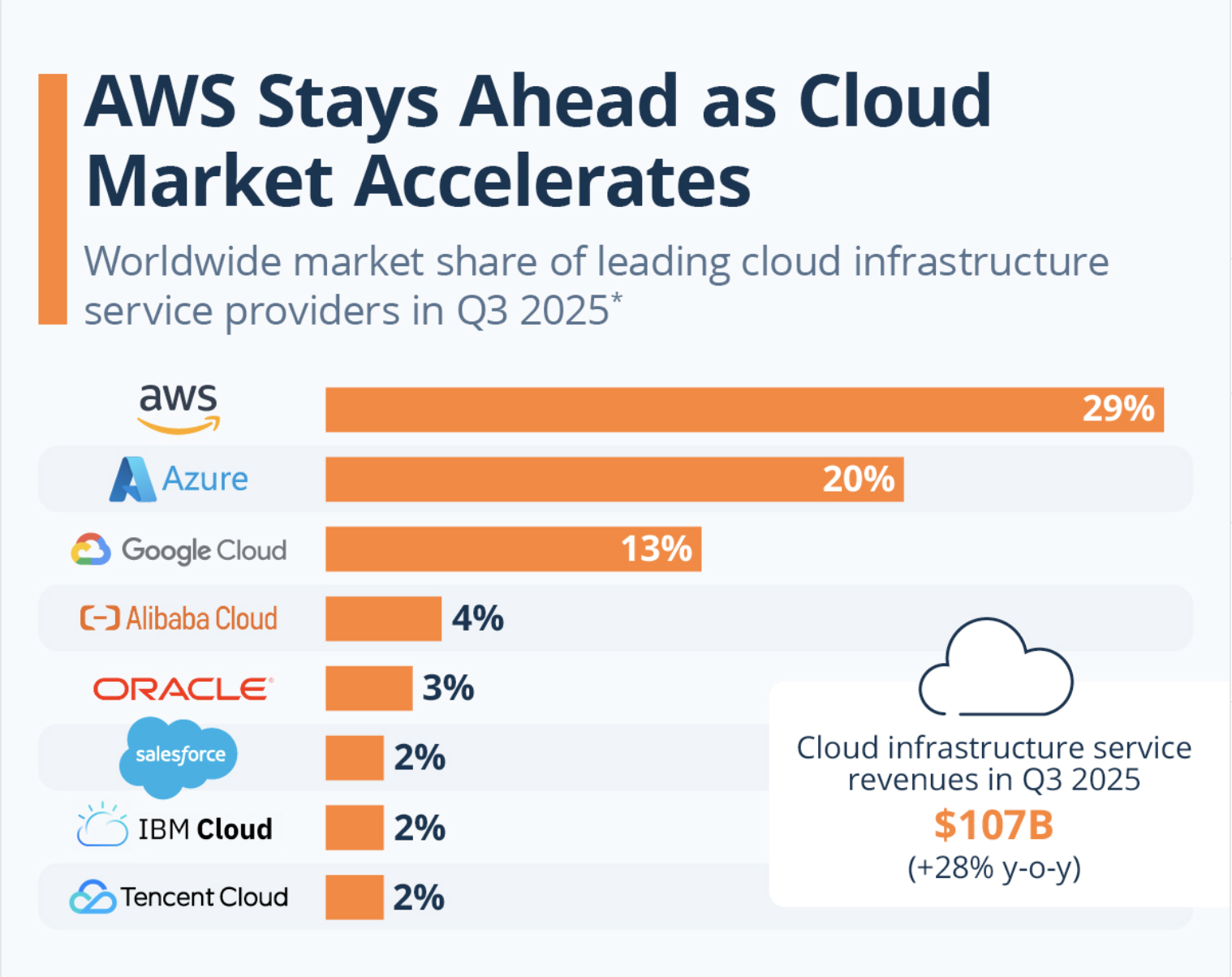
Beyond the major cryptocurrency exchanges, other prominent financial applications were caught in the crossfire of the October incident. The mixed-asset brokerage platform Robinhood experienced operational hurdles, while popular Web3 wallet provider MetaMask also felt the downstream effects of the server failure.
The October AWS outage lasted for approximately 15 hours. The prolonged downtime underscored the profound level of reliance that modern crypto and Web3 projects—which frequently market themselves as decentralized, censorship-resistant alternatives to traditional finance—actually place on centralized cloud infrastructure providers.
This contradiction between marketing ideals and underlying technical architecture has drawn sharp criticism from several prominent cryptocurrency industry executives. Among them are Jamie Elkaleh, chief marketing officer at crypto wallet company Bitget Wallet, and Carlos Lei, co-founder of the decentralized physical infrastructure network (DePIN) marketplace Uplink.
Reflecting on the state of the industry during the October disruptions, Elkaleh noted that decentralization has largely succeeded at the ledger layer—protecting transaction history and token ownership—but has not yet achieved the same level of success at the foundational infrastructure layer. As long as projects depend on single points of failure like centralized cloud servers, the broader ecosystem remains vulnerable to the operational hiccups of traditional tech giants.
With the rapid emergence of AI-driven no-code development and the push toward decentralized computing protocols, industry advocates argue that the pressure on centralized monopolies like AWS will only intensify. As developers increasingly build and deploy applications through natural language prompts and autonomous AI maintenance, the demand for tamper-resistant, blockchain-backed infrastructure is expected to grow, potentially reshaping the future landscape of global cloud computing.