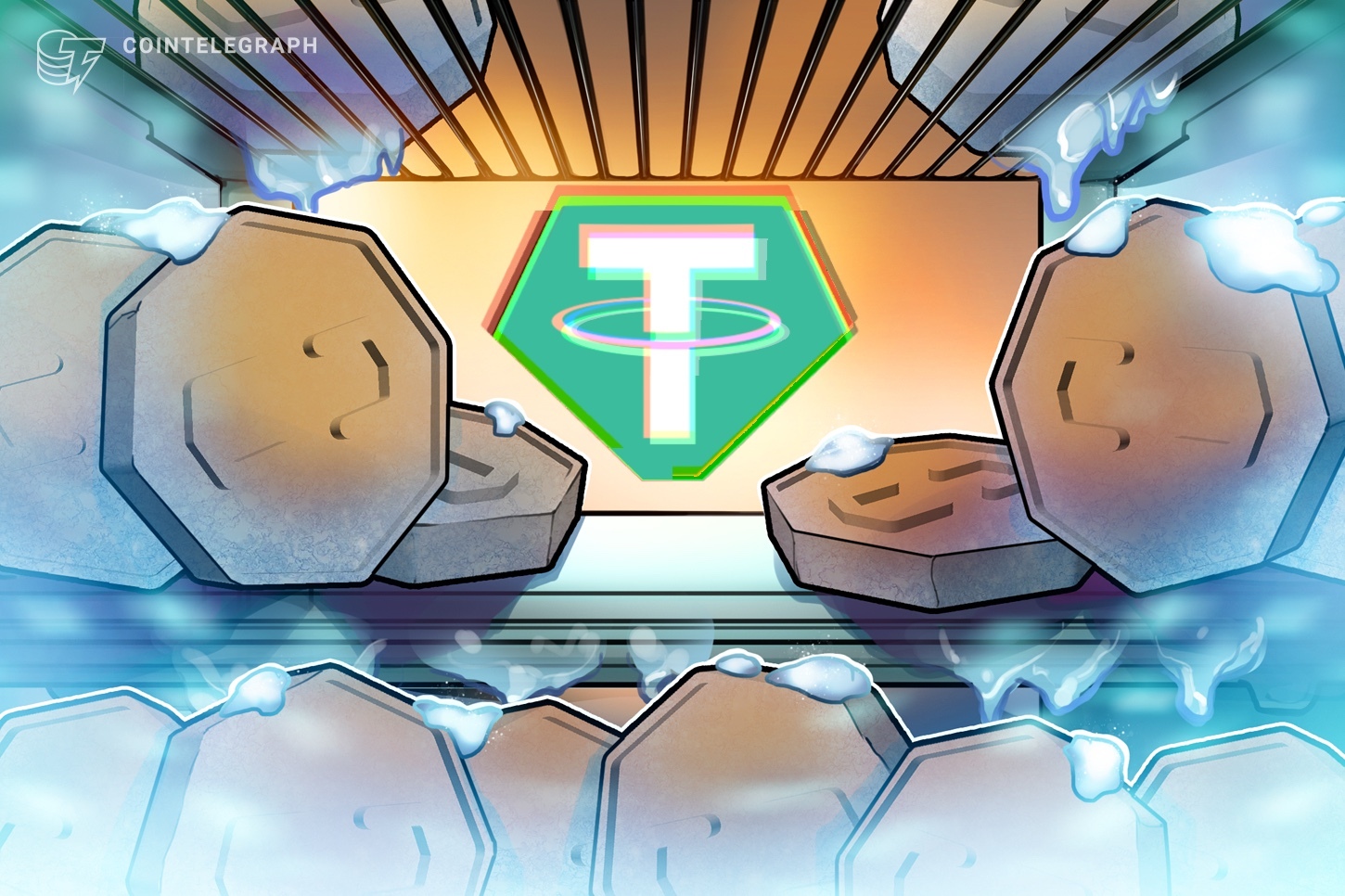
THORChain technical co-founder Chad Barraford has publicly accused major stablecoin issuer Tether of blacklisting the decentralized liquidity network’s USDt vaults without providing any prior explanation, only to reverse the decision and unfreeze the funds hours later.
The incident highlights ongoing tensions surrounding centralized control mechanisms embedded within top stablecoin assets and decentralized finance (DeFi) protocols. In a post published on the social media platform X on Friday, Barraford revealed that Tether had effectively targeted and blacklisted THORChain vault addresses. This action temporarily paralyzed approximately 1.45 million USDt in network funds distributed across four distinct wallets.
The sudden restriction immediately disrupted normal operations for the decentralized cross-chain liquidity protocol. However, the situation shifted rapidly just about two hours after the initial disclosure, when Barraford provided an update reporting that Tether had lifted the restrictions on all the affected addresses, allowing normal trading and network operations to resume.
Before the addresses were unfrozen, Barraford expressed frustration regarding the lack of communication from the stablecoin issuer. He emphasized that the network’s developers and maintainers were completely in the dark regarding the motivation behind the sudden freeze.
"We don’t know why this choice was made and have had no comms with USDT before this action and are actively reaching out to have a conversation," Barraford said in his initial post prior to the reversal. He added that the team was operating under the assumption that the blacklisting might have been administrative or operational in nature. "We hope that this was made in error / misunderstanding."
Following the public statements, inquiries were made to representatives for both Tether and THORChain to gather further details regarding the exact trigger for the freeze and the subsequent rapid resolution, though immediate responses were not provided.
The sudden freezing and unfreezing of funds on a prominent protocol like THORChain throws a spotlight onto the broader, persistent debate regarding the centralization risks associated with fiat-backed stablecoins. While assets like USDt provide vital liquidity and stability for decentralized exchanges and cross-chain platforms, their underlying smart contracts typically feature administrative functions—such as blacklist capabilities—implemented to comply with regulatory standards and law enforcement requests. These capabilities, however, mean that centralized issuers retain the technical power to freeze funds at a moment’s notice, occasionally impacting decentralized infrastructure or innocent market participants if communications break down or automated flags misfire.
This incident also arrives amid a growing wave of legal and public scrutiny facing Tether regarding its freezing practices and institutional associations. Earlier in the same week, cross-border payments platform Conduit Technology formally filed a lawsuit against Tether. According to that legal complaint, the stablecoin issuer froze $2.76 million worth of USDt in a specific wallet that was tied directly to an ongoing investigation originally launched by Brazilian authorities back in 2024.

The legal challenges and public controversies extend further into the international arena. In August, two Thai nationals also initiated legal action against the stablecoin company. Their lawsuit alleged that Tether improperly froze $42.4 million in USDt following what they characterized as an "informal request" issued by United States Homeland Security Investigations in connection with an alleged pig-butchering scam case.
Aside from direct legal challenges involving frozen assets, Tether continues to navigate complex political and financial landscapes. Lawmakers and financial watchdogs have increasingly turned their attention toward the ecosystem surrounding the stablecoin. Notably, entities such as Cantor Fitzgerald have faced pointed inquiries from United States Senate Democrats concerning their institutional ties and financial exposure to Tether, underscoring the intense regulatory spotlight under which the stablecoin issuer currently operates.
As decentralized protocols continue to integrate centralized assets to facilitate seamless multi-chain trading and deep liquidity pools, incidents involving sudden address blacklistings serve as a stark reminder of the underlying friction points between decentralized finance architectures and centralized compliance tools. While THORChain’s latest encounter was swiftly resolved within a matter of hours, the episode leaves open questions regarding how transparently and predictably centralized issuers will interact with autonomous protocols moving forward.