Bitcoin sought to avoid fresh losses on Friday, staging a notable recovery as cryptocurrency markets digested reports of a security exploit affecting Ledger hardware wallets. Despite a volatile week driven by geopolitical tensions, shifting macroeconomic projections, and massive derivatives liquidations, the world’s leading cryptocurrency managed to claw its way back toward critical technical thresholds.
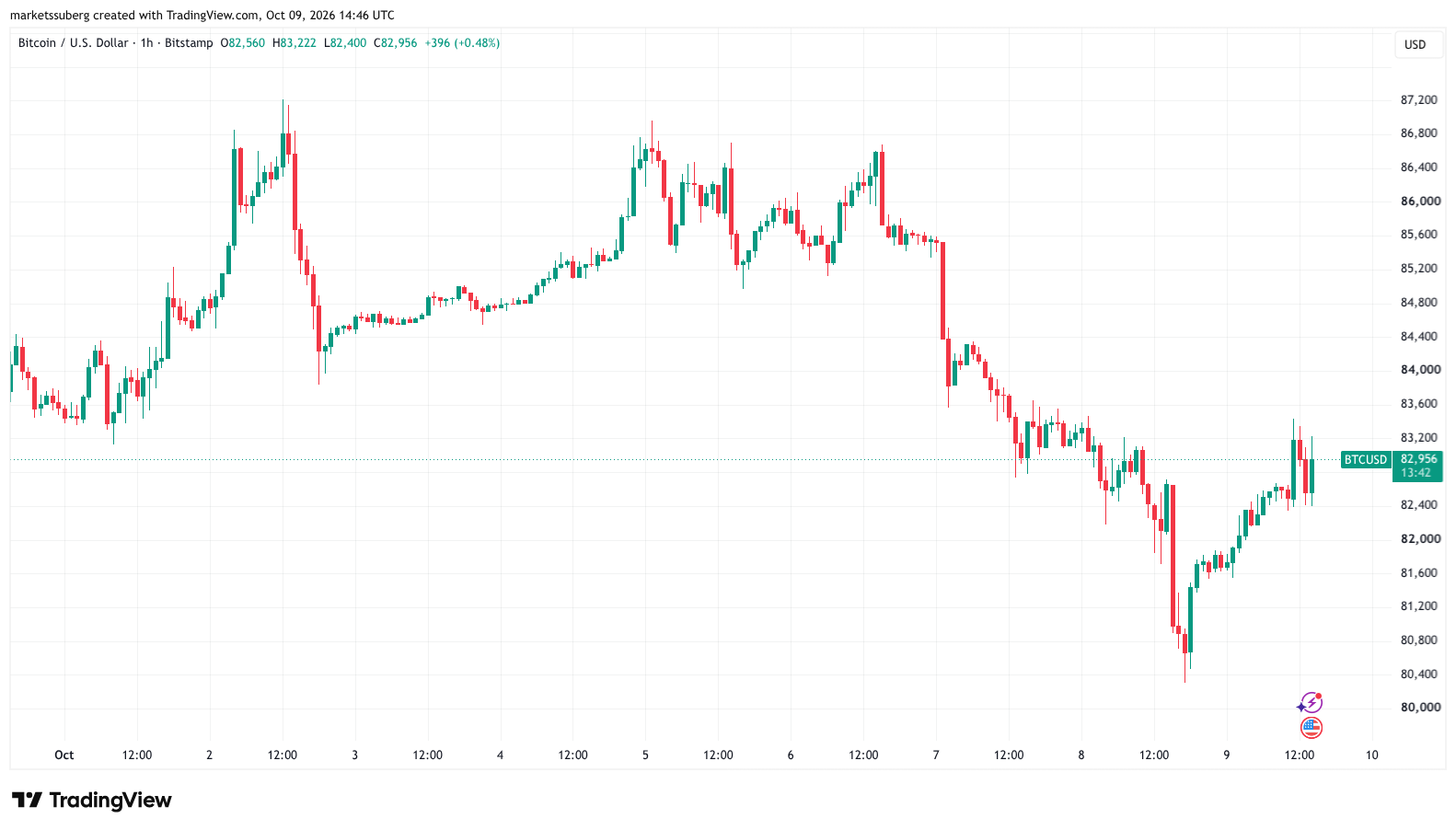
Data from TradingView indicated that the BTC/USD trading pair hovered around the key $82,500 support level on Friday. The resilience comes in the immediate wake of a sharp market contraction earlier in the week. On Thursday, Bitcoin prices dipped to a low of $80,350, pressured in part by broader macroeconomic jitters that saw oil prices climb higher amid escalating regional conflicts and strike concerns in the Middle East.
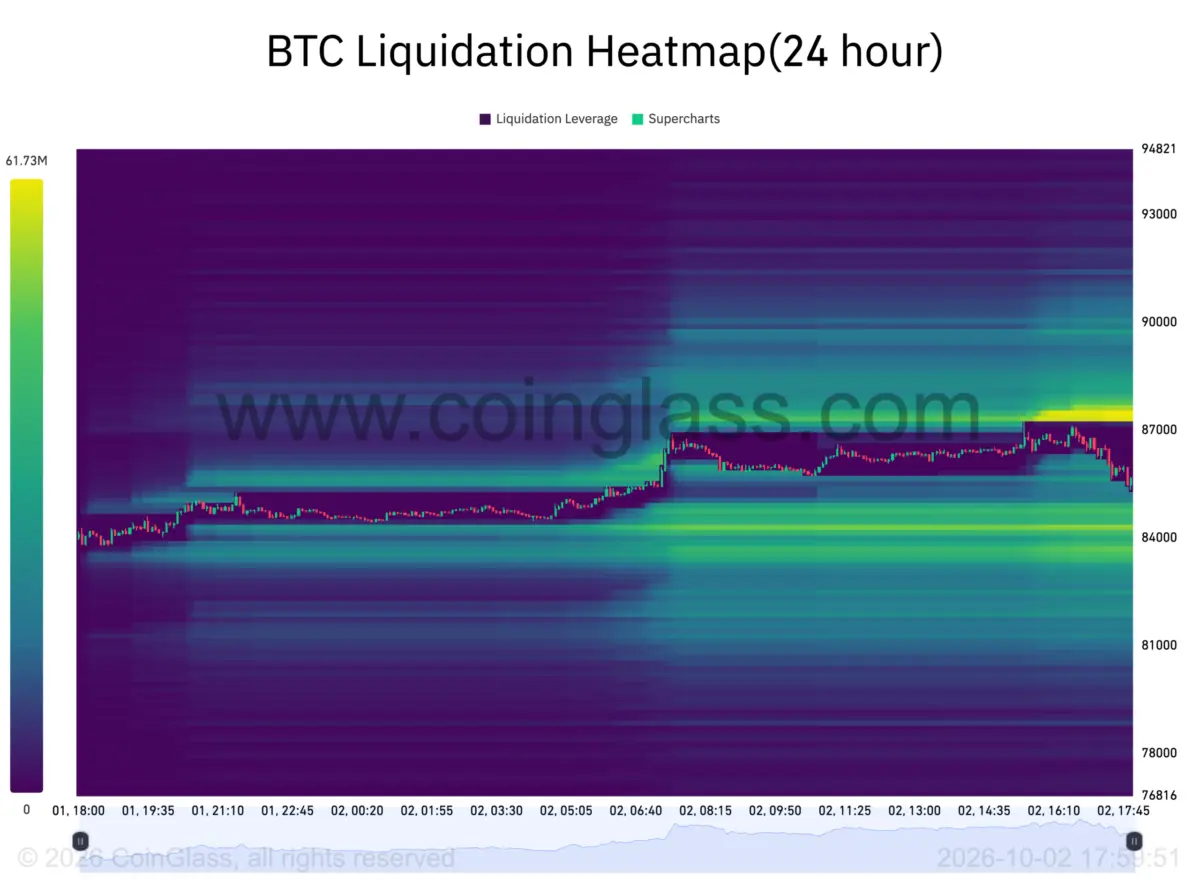
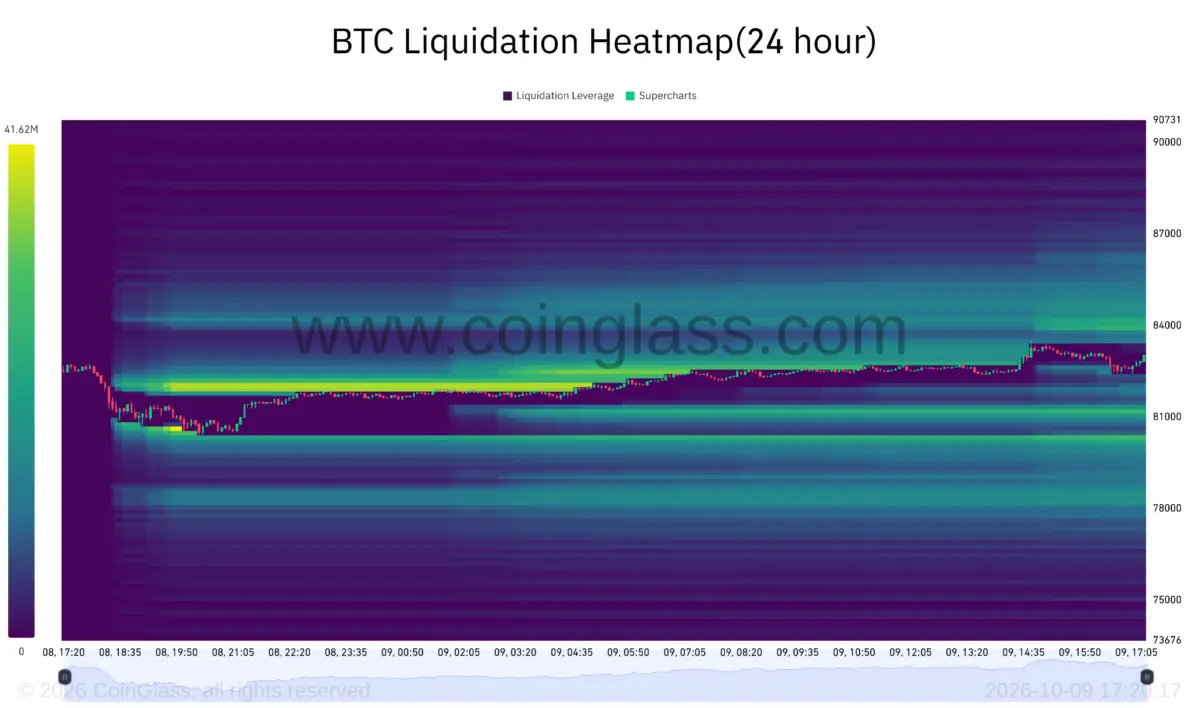
However, the subsequent dip invited renewed buyer interest, sparking a wave of market activity that pushed rolling 24-hour crypto liquidations past the $1 billion mark. According to the latest data from derivatives tracking platform CoinGlass, spot prices aggressively cut through ask-side liquidity residing on major exchange order books. This liquidity has noticeably thickened around the $84,000 mark, establishing a formidable short-term ceiling that bulls must now contend with.
The broader financial landscape also displayed signs of stabilization on Friday as traditional markets opened higher. US equities experienced a relief rally, with technology shares bouncing back from significant selling earlier in the week. The recovery notably included the tech-heavy Nasdaq Composite Index. Earlier in the week, the index had come under intense downward pressure, a movement amplified by weaker-than-expected earnings projections stemming from major artificial intelligence entities like OpenAI, which rippled across tech-adjacent sectors.
Market analysts weighed in on the broader health of risk-on assets, pointing to structural positioning dynamics within traditional markets. Observers noted that the recent technology sector sell-off was largely reflective of extreme positioning imbalances that required further unwinding. Consequently, many market watchers caution that technology-linked assets and AI-adjacent equities are unlikely to stage an immediate, unmitigated V-shaped recovery, a sentiment that can often spill over into high-beta risk assets like cryptocurrencies.

BTC Price Rebounds to $83,000 Despite Ledger Theft Reports
Even as digital asset markets navigated these external macro pressures, crypto participants had to contend with internal security concerns following emerging reports of compromised funds among users of Ledger hardware wallets. The incident injected a dose of caution into the ecosystem, though market prices appeared largely resilient to the news.
In an official statement posted to the social media platform X, Ledger acknowledged the unfolding claims. The hardware wallet manufacturer linked the reported security breaches to CryptoBillis, a third-party reseller operating out of Southeast Asia, rather than a fundamental flaw in the core manufacturing or firmware architecture of direct-from-factory devices.
Addressing affected or concerned users directly, Ledger issued a safety advisory urging caution. The company recommended that anyone who had set up a Ledger device through potentially compromised channels consider migrating their digital assets to a newly initialized Ledger signer utilizing an entirely fresh seed phrase.
This development follows a period of heightened scrutiny directed at the crypto hardware wallet sector at large. Over recent months, cold storage device manufacturers have faced intense security reviews from the community and independent researchers alike. Notably, the industry experienced a major shock in July and August when rival manufacturer Coldcard suffered a sophisticated, multi-phase security incident involving significant digital asset theft, prompting a wider reassessment of physical device security models across the industry.
US Macro Data Seen as Next BTC Price Volatility Catalyst
As the trading week drew to a close, market participants shifted their focus toward the upcoming weekly candle close and the technical implications of the current price action.
The $82,500 threshold remains a crucial battleground for market bulls attempting to reclaim lost momentum. This specific price point has historically served as a reliable foundation of support since mid-September. Furthermore, technical analysts have pointed out that price action around this region forms part of a potential inverse head-and-shoulders reversal pattern, sharing structural similarities with a setup that successfully catalyzed a major bullish continuation phase back in 2023.
Attention is also heavily concentrated on upcoming macroeconomic data releases from the United States, which are widely expected to dictate the trajectory of risk assets over the near term. Earlier in the week, Bitfinex Alpha—the dedicated research and analytics arm of the cryptocurrency exchange Bitfinex—published a market outlook forecasting continued range-bound trading conditions. According to their projections, these subdued, sideways dynamics are expected to persist until October 14, the date slated for the release of fresh US inflation data.
In their published commentary, researchers outlined their primary expectations for the market, writing that their outlook anticipates range-bound consolidation roughly between $81,300 and $86,500 heading directly into the mid-October Consumer Price Index (CPI) report, accompanied by repeated retests of the $84,000 liquidity cluster.
As traders position themselves ahead of the upcoming inflation prints and monitor ongoing developments regarding exchange flows and whale accumulation—such as recent notable outflows observed on platforms like Binance—the digital asset ecosystem remains on high alert for the next major catalyst that could break the current consolidation range.