Latest News
Published Oct 9, 2026
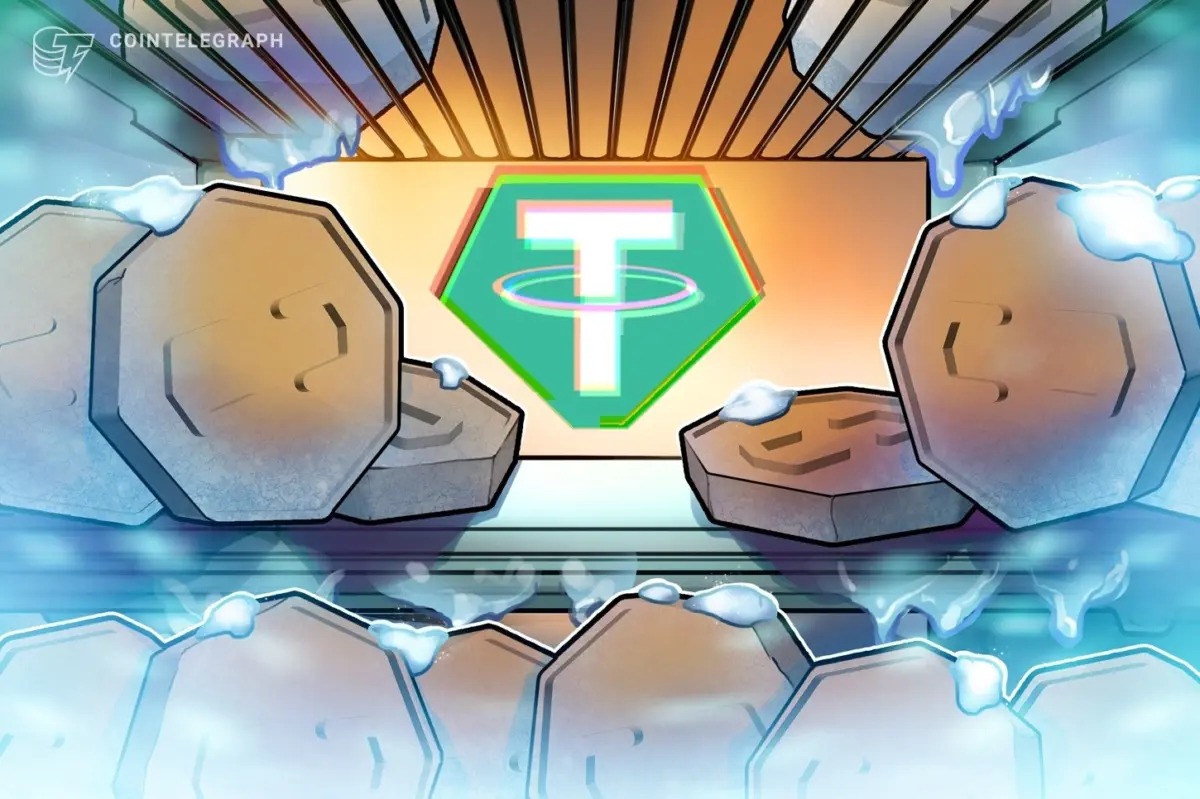
THORChain technical co-founder Chad Barraford has publicly accused stablecoin issuer Tether of blacklisting the decentralized liquidity network’s USDt (USDT) vaults without any prior explanation, only to unfreeze the funds a few hours later.
The unexpected freeze and subsequent release injected a wave of sudden uncertainty into the cross-chain protocol’s operations, highlighting ongoing tensions and operational opaque practices surrounding centralized stablecoin control mechanisms within decentralized finance ecosystems.
In a statement shared on the social media platform X on Friday, Barraford revealed that Tether had targeted several key THORChain vault addresses. The unexpected blacklisting effectively locked up approximately 1.45 million USDt in network funds dispersed across four distinct wallets.
The abrupt action halted standard trading and operational liquidity channels associated with those specific vaults, creating an immediate operational bottleneck for the cross-chain liquidity protocol. However, the situation shifted rapidly just a couple of hours later when Barraford provided an update confirming that Tether had lifted the restrictions on all the affected addresses, allowing normal trading activities and network functions to resume.
Prior to the addresses being unfrozen and communication being established, Barraford expressed frustration regarding the lack of transparency from the stablecoin issuer. "We don’t know why this choice was made and have had no comms with USDT before this action and are actively reaching out to have a conversation," Barraford wrote in an earlier post on X. He added at the time, "We hope that this was made in error / misunderstanding."
Media outlets, including Cointelegraph, reached out to representatives at both Tether and THORChain seeking further details, context, and official statements regarding the incident, but did not receive an immediate response at the time of publication.
The sudden freezing and unfreezing of THORChain’s USDt vaults arrives amid a broader backdrop of increasing legal and public scrutiny facing Tether regarding its administrative freezing practices. Stablecoin issuers frequently maintain the technical capability to blacklist specific blockchain addresses, a feature often utilized to comply with law enforcement inquiries, recover stolen funds, or mitigate illicit finance risks. However, the application of these centralized controls on decentralized protocols and third-party entities has increasingly drawn friction, legal challenges, and public debate.
Earlier in the same week, cross-border payments platform Conduit Technology filed a formal lawsuit against Tether. According to the legal filing, Conduit alleged that the stablecoin company froze $2.76 million worth of USDt in a wallet tied to an ongoing investigation originally launched by Brazilian authorities back in 2024.
That case is part of a growing pattern of legal pushback against administrative freezes by issuers. In August, two Thai nationals also initiated legal action against Tether. Their lawsuit alleged that the company improperly froze $42.4 million in USDt following what they described as an "informal request" originating from United States Homeland Security Investigations.
Beyond direct litigation from affected corporate entities and individuals, Tether’s operational relationships and regulatory standing continue to attract attention from legislative bodies. Political figures and financial regulators have increasingly scrutinized the broader financial ecosystem surrounding the stablecoin issuer, reflecting the systemic importance and immense market capitalization that USDT holds within the global digital asset economy.
As the digital asset industry continues to navigate the complex intersection between centralized compliance tools and decentralized protocols, incidents like the brief blacklisting of THORChain’s vaults underscore the ongoing vulnerabilities and friction points inherent when centralized administrative powers interact with permissionless, cross-chain financial infrastructure. While THORChain’s operations have since returned to normal following the swift reversal by Tether, the event serves as a stark reminder of the underlying centralization risks that protocols face when integrating major fiat-pegged stablecoins into their automated liquidity systems.