Strategy’s STRC preferred stock inched closer to its benchmark valuation on Wednesday, closing just eight cents below its $100 stated value. The modest price gain arrived concurrently with a major corporate milestone, as company shareholders voted overwhelmingly to approve a structural amendment that transitions four of the firm’s preferred securities to daily dividend accruals.
Executive Chairman Michael Saylor shared the preliminary outcomes of the October 28 shareholder vote, revealing that an overwhelming 99.3% of the total votes cast were in favor of the amendment. The newly approved policy applies directly to the company’s four US-listed preferred securities—identified by their respective tickers STRC, STRF, STRK, and STRD—paving the way for these financial instruments to accrue dividend payments on every single calendar day.
Following the announcement, STRC shares rose by 0.4% during Wednesday’s trading session, ultimately closing the day at $99.92. This puts the security within striking distance of its $100 stated value, a critical threshold for Strategy’s broader capital management framework. The company maintains a strict internal policy dictating that it will refrain from issuing any new STRC shares below the $100 price level. Consequently, a sustained return to or above this benchmark could effectively reopen a vital funding pipeline, allowing the firm to resume raising fresh capital for additional Bitcoin purchases following an extensive and costly buyback campaign.
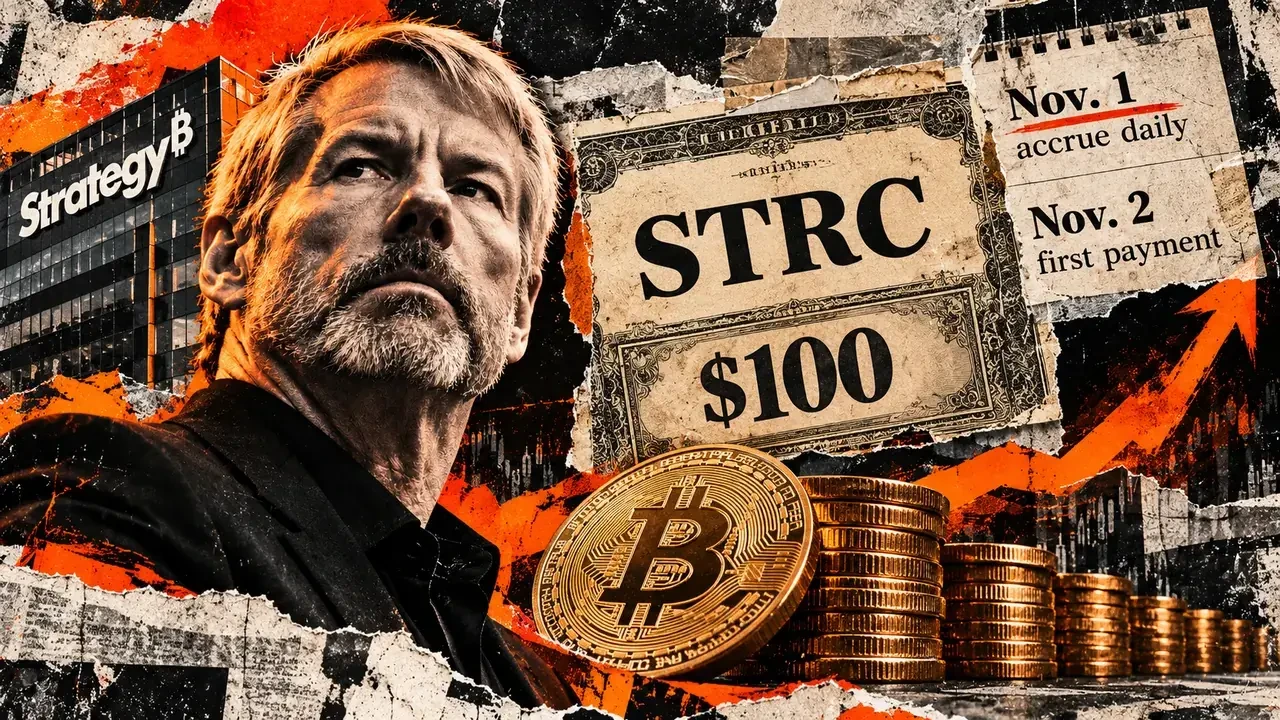
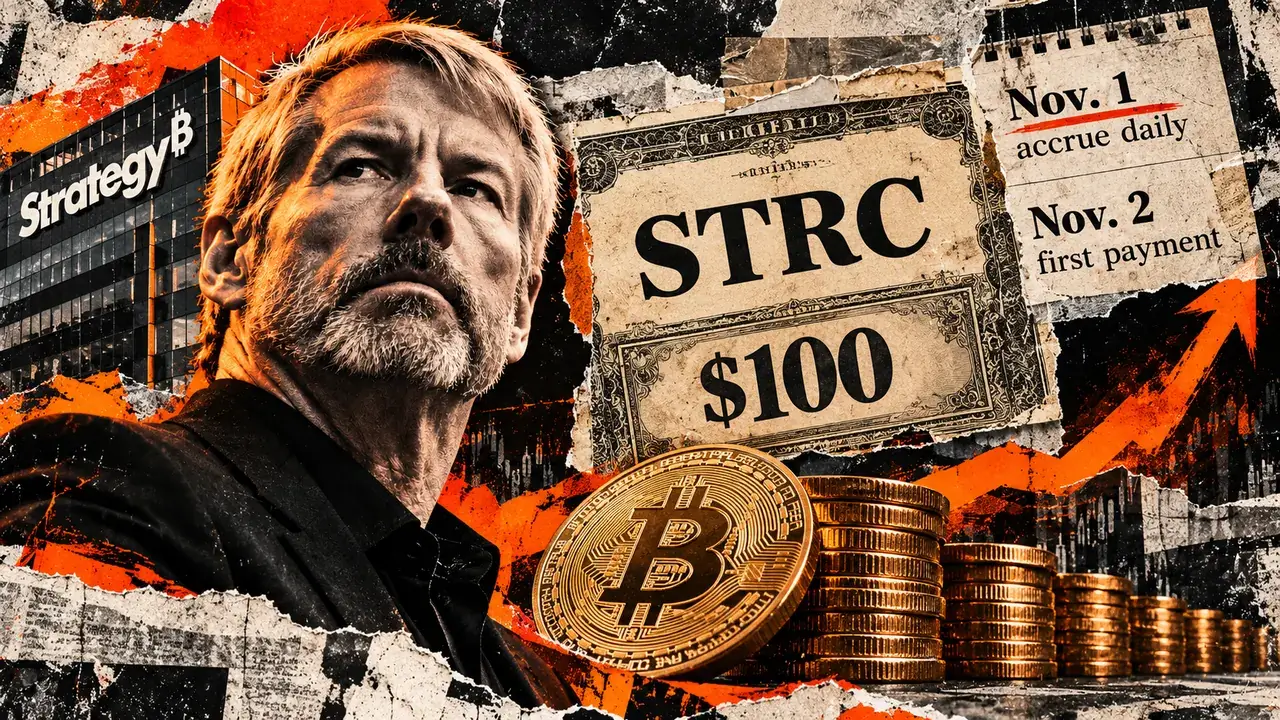
Under the newly approved structural arrangement, the record date for STRC’s inaugural daily dividend is slated for November 1, with the corresponding payment scheduled to be distributed on November 2, pending the official implementation of the amended terms. The remaining preferred securities governed by the vote—STRF, STRK, and STRD—are scheduled to follow suit on January 1, 2027, with their first daily-accrued payments slated for distribution on January 4.
The structural modification significantly increases the frequency of dividend payments without altering the underlying annual dividend rates. Under the new framework, dividends continuously accrue across every calendar day of the year and are subsequently paid out on the immediate next business day. Strategy leadership has consistently argued that transitioning to a daily payment and accrual model will yield substantial market benefits, potentially reducing price volatility, accelerating the pace of dividend reinvestment among retail and institutional holders, and improving overall secondary market liquidity.
Phong Le, Strategy’s chief executive officer, took to social media to celebrate the successful vote, describing the shareholder approval as a "powerful upgrade" for STRC and the company’s expanding suite of digital credit offerings. The sentiment was echoed by market analysts closely tracking the firm’s financial engineering. Matthew Sigel, the head of digital assets research at VanEck, pointed out the significant implications that a full recovery in STRC’s market price could hold for Strategy’s relentless Bitcoin accumulation strategy.
Sigel noted that historical precedent suggests a strong correlation between the security’s pricing health and the company’s treasury operations. Specifically, the last time STRC successfully regained and sustained its $100 trading level, Strategy moved swiftly to restart its at-the-market share issuance program on the very next business day, channeling the newly acquired proceeds directly into Bitcoin acquisitions. However, Sigel also offered a note of caution to market participants, observing that relatively low trading volumes across the broader security class could mean that Strategy’s ongoing, aggressive share repurchases are exerting an outsized influence on the market price of the security.
Strategy’s $2 billion STRC buyback campaign nears its target
The recent price recovery follows months of sustained, heavy intervention by Michael Saylor’s company. Strategy has expended approximately $2 billion repurchasing STRC shares since July in an effort to stabilize the security’s price and protect its financing model.
According to official regulatory filings submitted to the United States Securities and Exchange Commission, Strategy retained approximately $957 million in remaining authorization under its expanded $3 billion digital credit securities repurchase program as of October 25. The corporate repurchase initiative began in earnest back in July, when the firm initially allocated $25 million to buy back shares at an average price of $86.52. As market conditions fluctuated and the security fought to recover, the company’s repurchase pace accelerated dramatically. This aggressive intervention culminated in a record-shattering weekly expenditure of $205 million spent buying back STRC during the week ending October 25.
The continuous support of STRC is of paramount importance to Strategy because the security has evolved into a cornerstone of the company’s corporate financing architecture. By offering attractive yields to income-seeking investors, the company has been able to raise substantial capital from traditional financial markets and deploy those proceeds directly into the acquisition of Bitcoin. To maintain this demand and encourage trading stability near the $100 threshold, Strategy has maintained STRC’s robust 12% annual dividend rate.
Data compiled on Strategy’s official STRC dashboard highlights the immense scale of the financial instruments involved, indicating approximately $8 billion in outstanding notional value alongside a 30-day average dollar trading volume of $155 million as of the October 28 market close.
A sustained return of STRC to its $100 stated value could ultimately allow Strategy to transition away from the costly cycle of repurchasing shares and pivot back toward issuing new equity. Such a shift would officially reopen a primary source of external capital for the company’s massive corporate treasury, which held an extraordinary 848,517 bitcoins as of October 25. While market watchers await concrete signs of a turnaround, Strategy has not yet formally announced when it might resume its STRC issuance program.