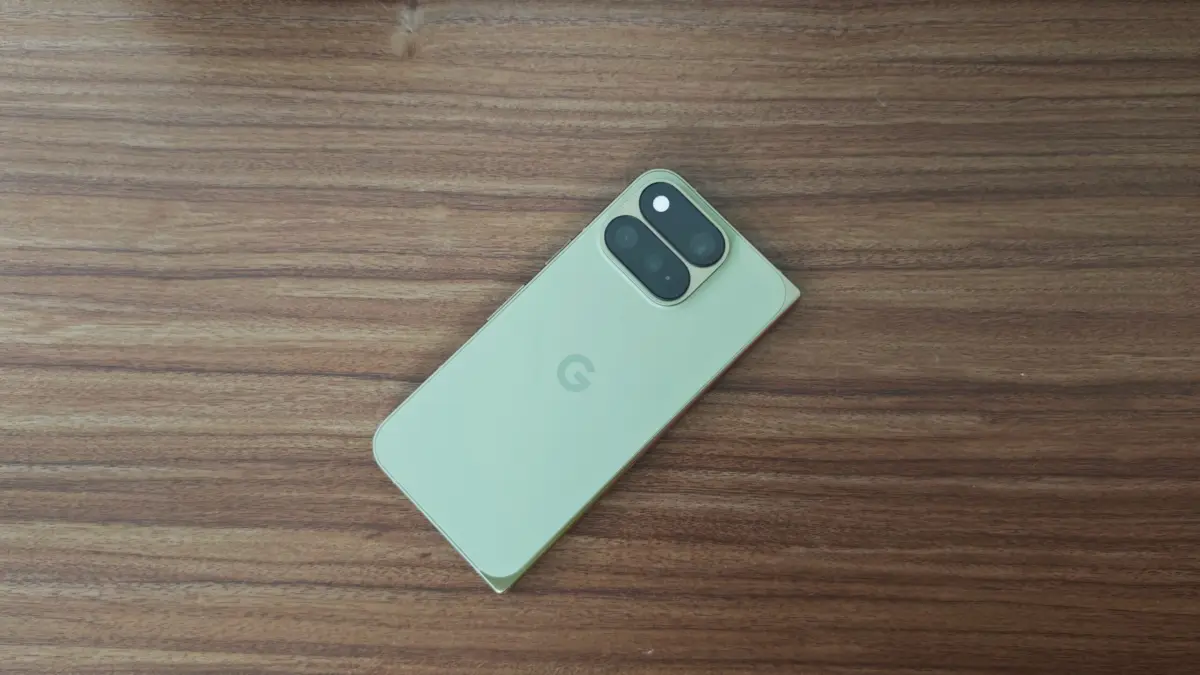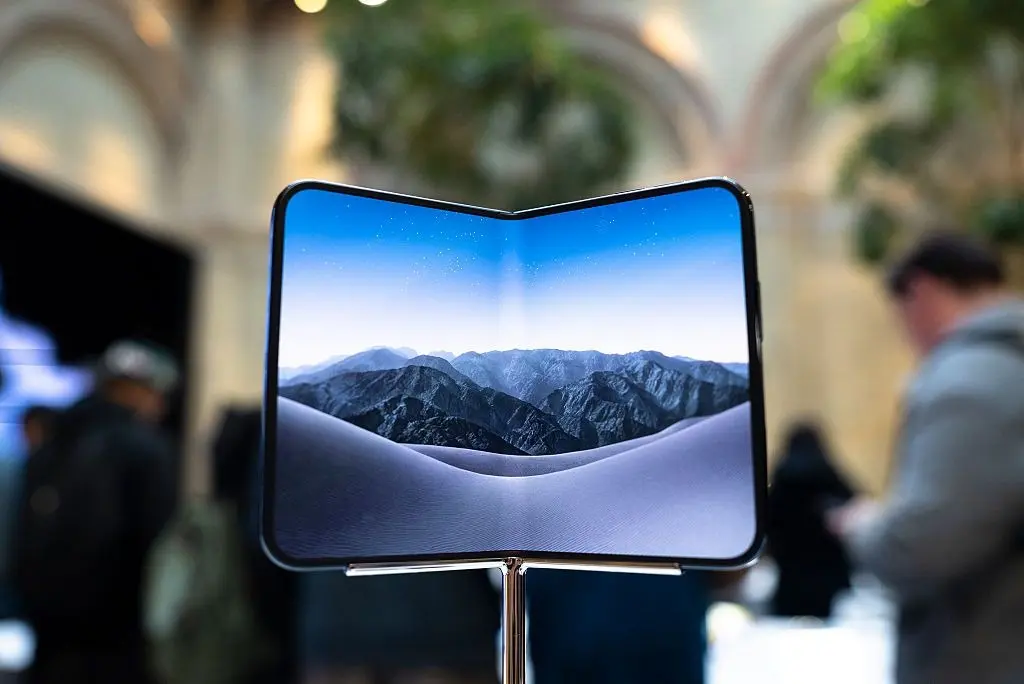
For years, the definition of a premium smartphone has remained largely consistent, anchored by expectations around advanced camera systems, faster processors, and lightweight profiles that slip effortlessly into a pocket. Consumers shopping at the high end have come to expect incremental upgrades focusing on pixel counts, chip performance, and battery efficiency. The Apple iPhone Duo challenges that long-standing industry concept by inviting consumers to pay a premium for a fundamentally different everyday smartphone experience—even if it means intentionally sacrificing some of the traditional high-end hardware features that have defined flagship devices for a decade.
After spending a little under a month using the Duo as a primary daily device, the hardware trade-offs that initially caused concern matter far more in theory than they do in daily practice. What proves far more compelling is how the Duo’s foldable form factor actively reshapes everyday habits, altering how users interact with applications, which software tools they choose to rely on, and how they organize and personalize the physical device itself.

Initial reservations about making the switch tend to fade quickly. Most mainstream applications are now fully optimized for the Duo, users can easily reacquaint themselves with Touch ID, and the absence of a Pro Max-tier camera array ceases to be a daily grievance.
That is not to say the Duo is completely without shortcomings. The absence of a dedicated telephoto lens remains noticeable at times, and the initial lack of native Face ID felt like a step backward until Apple shipped a face unlock feature via a recent system software update. Yet, after four weeks of continuous use, these compromises have a minimal impact on day-to-day utility when weighed against the profound structural and practical benefits of the new form factor.

Multitasking Feels More Natural
One of the more unexpected developments during extended testing is how naturally multitasking fits into the Duo experience. Initially, the assumption was that side-by-side app views would feel cramped or impractical given the relatively limited screen space of an unfolded foldable device, especially when compared to a traditional tablet like the iPad. In practice, however, snapping applications to both halves of the screen becomes a remarkably frequent and intuitive habit.
Apple has engineered the side-by-side software mode to be exceptionally seamless. Users simply drag an application toward the left or right edge of the display and drop it directly into the target layout box that materializes on screen.

This capability translates into practical utility across a wide variety of scenarios. Keeping a social platform like X open alongside a live news article allows for a continuous loop of reading reporting and observing real-time public reactions. Professionals managing active schedules can keep an email client or workplace messaging tool like Slack pinned to one side of the workspace while managing other tasks, ensuring important notifications are never missed.
It also caters to modern media consumption habits. Watching a streaming program like a reality television reunion show while simultaneously following gossipy social media commentary and community threads on the opposite half of the screen creates a unified viewing environment. While previous generations of tech referred to this behavior as second-screen viewing, consolidating everything onto a single, flexible display suggests the emergence of a new paradigm—perhaps best described as Duo-screen viewing—and points toward future possibilities where interactive commentary and primary video content merge natively.

It Really Is Like Having Two Phones
Adopting the Duo as a primary device introduces a distinct duality in physical handling and usability. When carried out in the world while folded, the Duo feels remarkably similar to a slightly heavier iPhone mini. For consumers who have long mourned the discontinuation of smaller smartphone form factors, this device serves as the closest viable alternative. Despite a noticeable heft, the folded phone feels compact in the hand: it can be covered with a single palm, operated with a thumb, navigated from top to bottom without stretching, and slipped comfortably into front or back pockets. By comparison, traditional ultra-large smartphones suddenly feel unwieldy and awkward to manage.
The compact outer screen handles brief, on-the-go interactions perfectly, such as firing off a quick text message or checking navigation directions. Because it discourages mindless, automatic scrolling, it subtly encourages users to re-engage with their physical surroundings instead of reflexively filling every quiet moment with digital distraction.

Conversely, transitioning to the unfolded configuration at home or during moments of leisure provides a wide-screen canvas. Users instinctively unfold the hardware when preparing to watch video content, browse e-commerce catalogs, examine high-resolution product images, or complete detailed web checkout forms. This flexible dynamic also inspires a rethinking of the Home Screen layout, with the small outer display reserved purely for glanceable widgets displaying the weather, time, and battery status, while standard application icons are tucked neatly away into the dock.
The Duo Apps Are Ready Now
In the weeks following its commercial launch, the software ecosystem surrounding the Duo has matured significantly. The vast majority of applications that lacked support during early testing have received updates to accommodate the foldable architecture. By mid-November, Apple confirmed that the App Store featured over 200,000 Duo-ready titles. For daily workflows, this means that most core applications—with notable exceptions among certain Google services like Gmail and Drive—now utilize the available screen real estate without displaying the frustrating black pillarboxing bars that plagued early hardware reviewers.

Developers have approached this optimization challenge with notable creativity. While some have leaned into novelty—such as note-taking utilities that open and close like physical paper notebooks, retro Walkman-inspired music players, digital typewriters, virtual handheld gaming emulators, and games controlled by physically closing the hardware—mainstream productivity and media applications have also matured. Spotify’s interface feels far less crowded with expanded breathing room, while calendar, list-making, and utility software benefit immensely from the broader canvas.
Streaming applications like Netflix have embraced the hardware through versatile multi-view modes, supporting playback on the closed outer display, a laptop-style orientation with prominent playback controls, and a tent mode for stable desktop viewing. Utility apps like Sofa, which organizes books, movies, and podcasts, adapt dynamically: when closed, navigation is housed in a vertical sidebar, but unfolding the device expands the interface into a spacious two-column layout that feels like opening a physical binder rather than switching apps entirely. Short-form video platforms like TikTok and Instagram also stretch smoothly across both folded and unfolded states, transforming vertical video consumption into an experience that mirrors a compact tablet.

I’m Reading More Books
Another unforeseen shift in user behavior involves reading habits. Rather than reaching for a dedicated e-reader like a Kindle, testing shows a steady migration toward reading books directly on the Duo. While an OLED display lacks the specialized e-ink technology of a traditional reader, the matte inner screen is engineered to diffuse reflections and soften glare, creating a visual tone that feels significantly calmer than a standard smartphone screen and allows for deep textual engagement.
Holding the unfolded device vertically yields a hand-feel surprisingly similar to a standard e-reader, especially when paired with software focus modes designed to block incoming notifications. For a more tactile experience, users can unfold the phone horizontally with a slight inward bend, mimicking the spine of a physical book, and enable page-turn animations. Specialized third-party apps even allow for a form of performative reading, displaying a book’s cover art on the exterior display while the text remains open on the inner screens. This versatility allows travelers to leave a dedicated e-reader at home, relying on a single device for most reading scenarios outside of harsh outdoor environments.

I Don’t Need a PopSocket
Large flagship smartphones often require physical accessories like grips or straps to manage their weight and dimensions during extended use. While the Duo carries a substantial weight of its own, its physical geometry makes it significantly easier to hold securely without external aids.
When folded, standard one-handed usage feels natural, resting securely against the pinky finger while the thumb navigates the outer display. When unfolded, the device functions much like a mini tablet or small book, naturally encouraging two-handed operation. Because the hardware can be propped open like a tent or angled like a laptop, it eliminates the need for balancing grips, though optional folio cases with built-in kickstands are widely available from both Apple and third-party manufacturers for users who prefer hands-free viewing.

It’s Inspiring Personalization
The emergence of the Duo has also revitalized the market for mobile accessories and physical customization. Unlike traditional smartphone cases, which function primarily as protective outer shells, the Duo case ecosystem offers diverse mechanical approaches. Consumers can select accessories with or without integrated screen protectors, options that utilize adhesive for secure outer-screen fitting, and modular designs that allow users to customize the color of the bezel surrounding the outer display independently from the main body.
Hinge-protection styles, strap attachment points, wristlet loops, and whimsical designs featuring integrated pen holders have also flooded the market. This aesthetic flexibility has resonated particularly well with users who view mobile technology as an extension of personal style and fashion. By embracing customizable straps, chains, and charms, owners can carry the device like a micro-purse, integrating retro tech aesthetics into daily wardrobes.

Ultimately, transitioning to a foldable device like the iPhone Duo reframes how users evaluate smartphone utility. Rather than focusing solely on raw hardware specifications or missing luxury lenses, the everyday value of the device lies in how its adaptable form factor alters behavioral patterns, curtails mindless digital habits, and introduces intentionality into daily technology use.