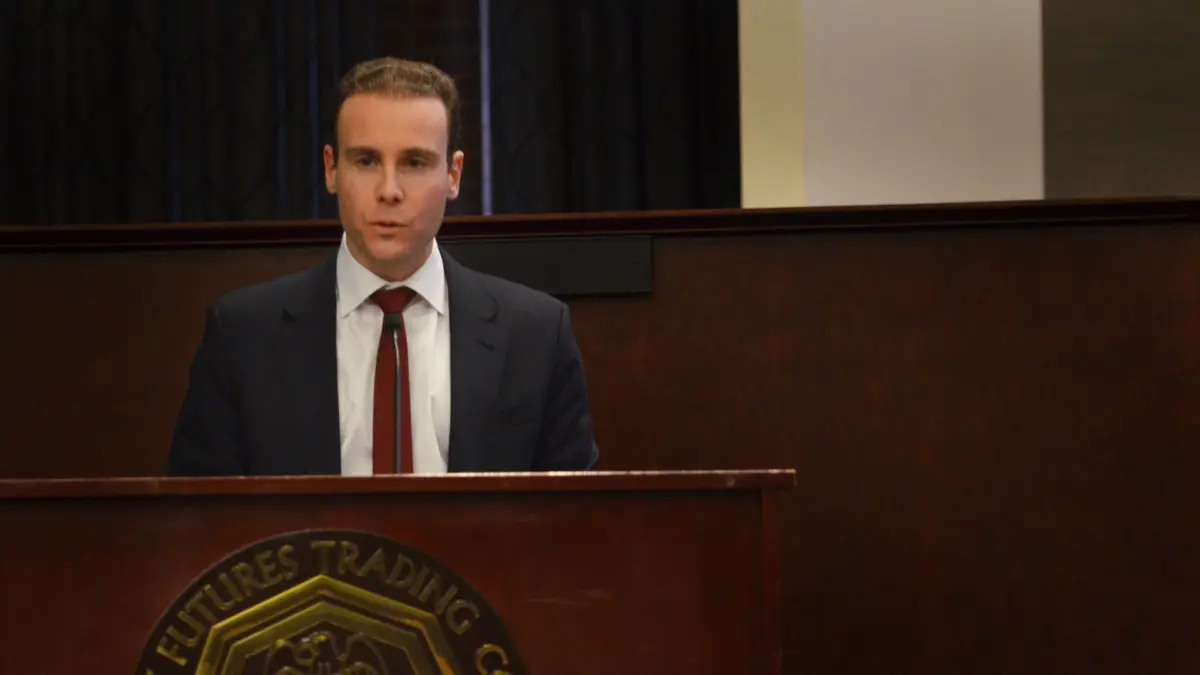
The U.S. Commodity Futures Trading Commission is intensifying its efforts to establish exclusive federal authority over prediction markets, issuing a formal framework on Friday that seeks to anchor events contracts firmly under its regulatory umbrella.
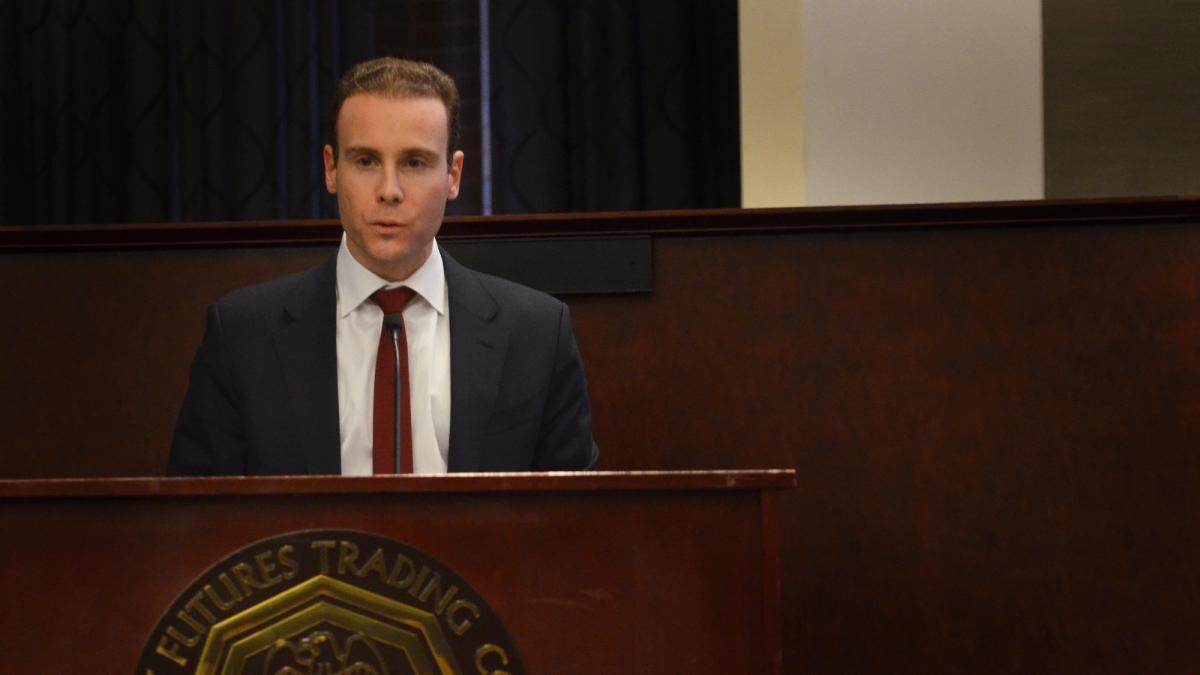
Under the leadership of Chairman Mike Selig, the derivatives regulator published an interim final rule alongside a related proposal designed to legally classify event contracts as "swaps." By doing so, the agency aims to secure jurisdiction over popular trading platforms such as Kalshi and Polymarket, effectively placing these financial instruments outside the reach of state gambling regulators.
The strategy addresses a high-stakes legal battle unfolding across the United States. Several states have locked horns with the federal regulator in ongoing lawsuits, insisting that the type of sports wagering and event-based forecasting hosted on prediction platforms constitutes illegal gambling under state jurisdiction. With conflicting federal appellate rulings creating a fractured legal landscape, the issue has ultimately reached the U.S. Supreme Court, where lawmakers, state officials, and industry participants have already submitted extensive arguments.
Friday’s regulatory actions provide Chairman Selig with tangible policy implementation to present should the Supreme Court take up the case. The dual-track approach separates traditional casino-style entertainment from federally regulated financial products. Specifically, the interim final rule defines the types of sports wagering that fall outside the agency’s swap definition, carving out traditional casino and tribal gaming operations. Simultaneously, the companion rule proposal explicitly folds "event contracts, including those based on sports, politics, cultural, and weather-related events" into the existing regulatory framework for swaps.
Because the first rule carries "interim final" status, it takes effect as immediate agency policy while simultaneously opening a window for public feedback during implementation. The broader rule proposal regarding event contracts, however, faces a tighter timeline with a brief 30-day public comment period.
The fast-tracked regulatory push—submitted for White House review less than two weeks prior to its release—highlights the agency’s urgency in defending its turf. Platforms like Kalshi have actively supported the CFTC’s position, advocating for a single federal watchdog rather than a patchwork of state-level oversight.
Market analysts, however, are watching closely to see whether the regulatory maneuver will achieve its intended legal effect in court. Jaret Seiberg, a policy analyst at TD Cowen, noted in a client advisory on Friday that the interim final rule appears strategically crafted to bolster the agency’s litigation posture. Yet, he observed that whether this administrative step will successfully neutralize state arguments—which claim the CFTC’s expansive swap definitions would inadvertently threaten traditional state and tribal gaming operations—remains an open question.
The current regulatory drive is unfolding under unique political circumstances. Chairman Selig remains the sole commissioner on a panel designed to hold five members, as President Donald Trump’s administration has thus far declined to appoint additional commissioners. A parallel vacancy dynamic has played out at the Securities and Exchange Commission, reflecting a broader administration effort to streamline or limit Democratic representation across independent federal regulatory bodies. This singular leadership structure has allowed Selig to swiftly execute key policy shifts without internal commissioner friction, steering the CFTC into uncharted territory as prediction markets continue to intersect with traditional finance, sports betting, and state-level regulatory authority.