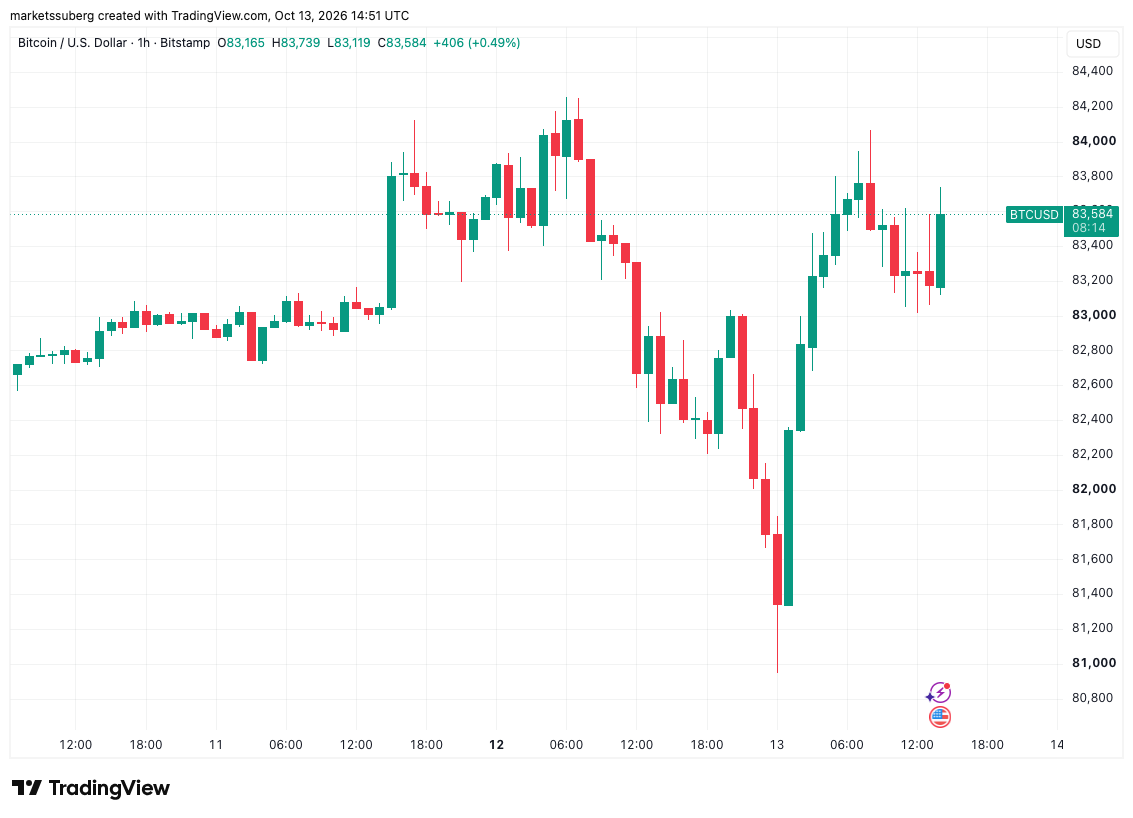
Bitcoin (BTC) continued to press toward the $84,000 threshold during Tuesday’s Wall Street opening bell, even as broader financial markets worked to digest a sharp regional tech rout originating in South Korea.
Data compiled by TradingView indicated that the BTC/USD pair bounced back toward the $83,800 mark as the official US trading session commenced, successfully preserving a significant portion of the upside momentum it had gathered overnight. While the digital asset faced stiff overhead resistance, its resilience stood out against a backdrop of global equity volatility and shifting macroeconomic headwinds that continued to influence risk-on assets across the board.
S&P 500 and Nasdaq Brush Off Heavy KOSPI Losses
Global financial markets faced early pressure after equity futures took a beating during Asian trading hours. The strain followed a steep correction in South Korea, where the KOSPI Composite Index shed 7.4% over a span of just two days. The dramatic downturn was heavily driven by the semiconductor sector, which suffered from escalating concerns regarding surging artificial intelligence expenditures and mounting competitive pressures from China.

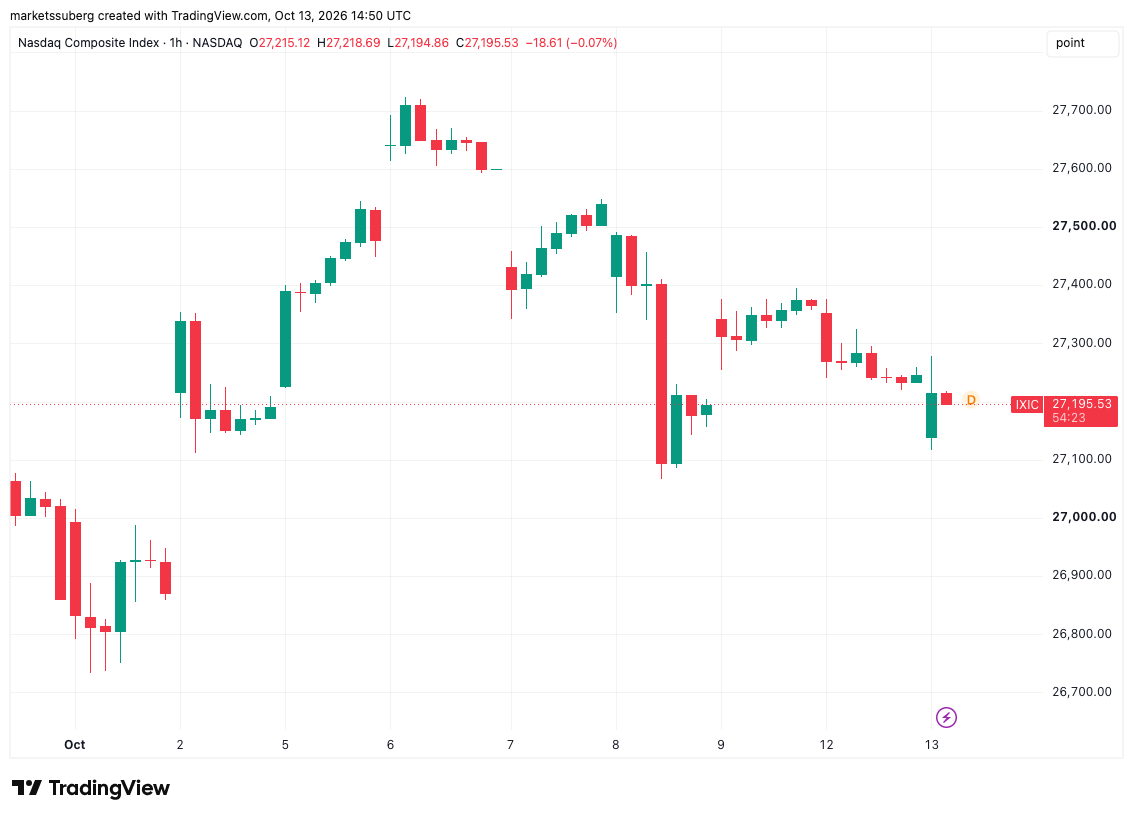
Despite the pessimistic lead from Asian markets, US equities managed a notable intraday recovery as the opening bell rang. Both the benchmark S&P 500 index and the technology-heavy Nasdaq Composite index carved out early gains, briefly pushing into positive territory before settling into modest losses of less than 0.5% at the time of writing.
Market strategists pointed out that the turbulence in equity markets was intrinsically tied to deeper shifts in fixed-income instruments. Damien Boey, a portfolio strategist at Wilson Asset Management in Sydney, Australia, highlighted the broader macroeconomic strain in comments to Reuters.
"The most important development has been not just bond yields going up, but the volatility for bonds… and that’s starting to work its way out through asset pricing across the board," Boey told Reuters. He added that the current financial landscape presents unique hurdles for investors attempting to rebalance portfolios. "It’s a very uncomfortable situation on many fronts… maybe AI capex just comes off the boil a little bit, and maybe a few players are casualties in that."
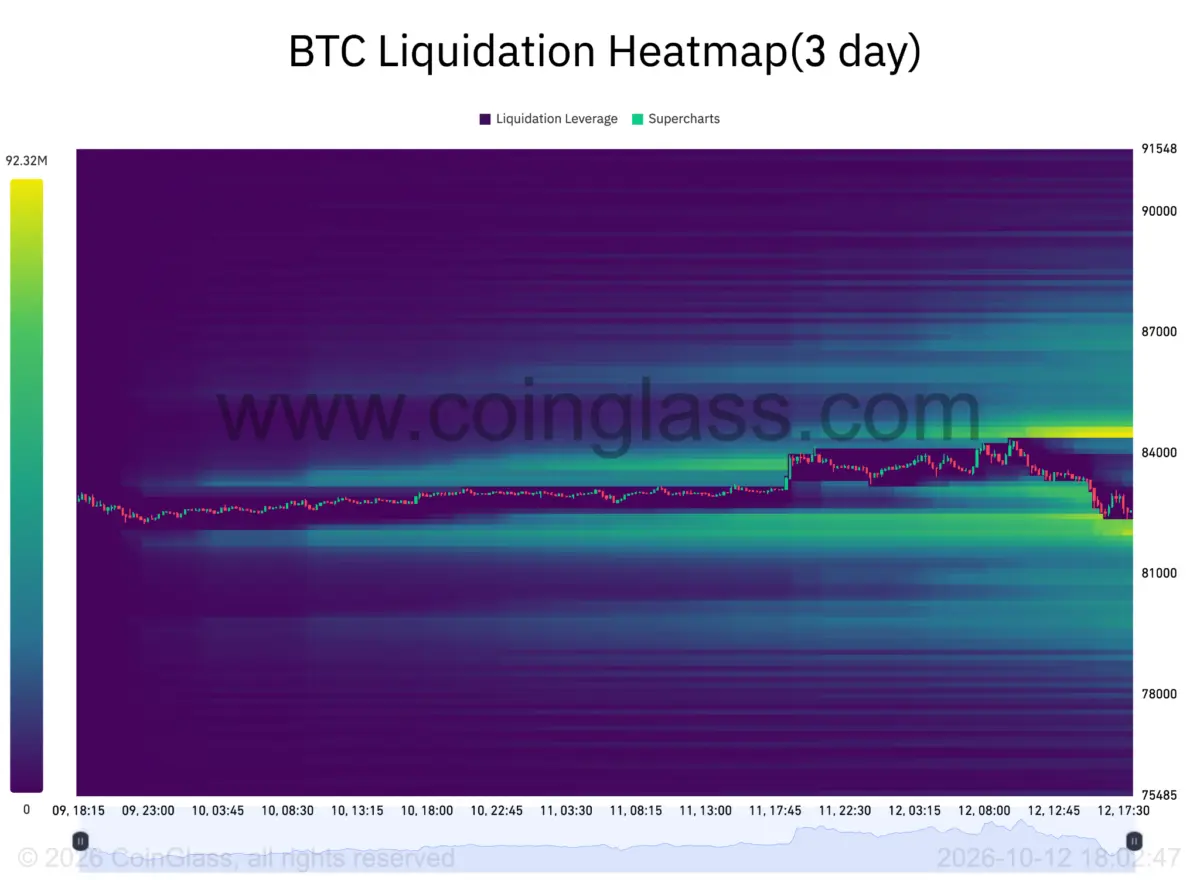
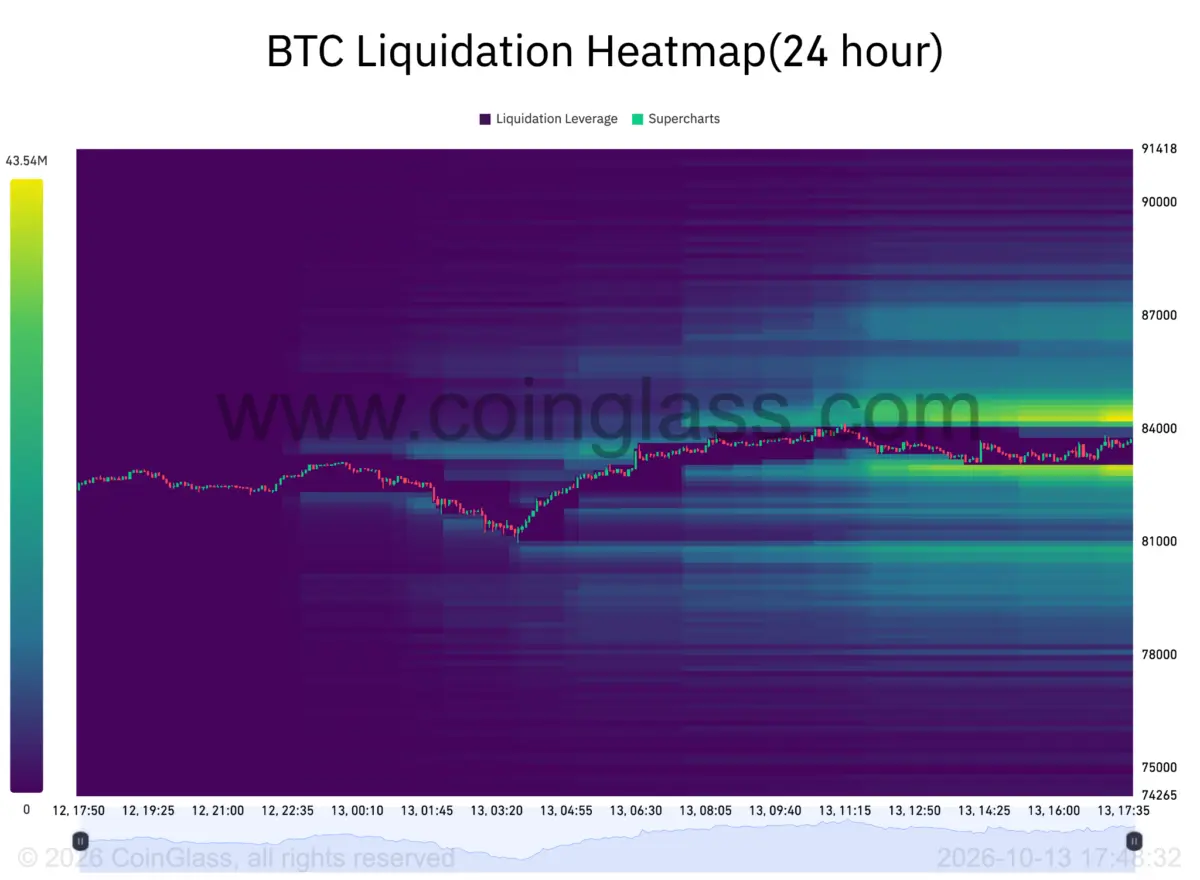
As traditional markets grappled with bond market volatility, cryptocurrency derivatives data highlighted similar friction points for digital assets. Order-book liquidity metrics provided by CoinGlass revealed that Bitcoin remained heavily constrained by dense clusters of sell-side liquidity, which continued to act as a formidable barrier just above the $84,000 level.
Dollar Strength and Yields Create Twin Headwinds
While Bitcoin bulls attempted to mount a sustained push toward higher price brackets, analysts pointed out that the broader macro environment remains fraught with challenges. According to market commentary published on Tuesday by CryptoQuant contributor Darkfost, digital asset investors are currently navigating a distinct double macro headwind.
Government bond yields have continued to hover near their highest levels in nearly a quarter of a century, driving a profound resurgence in US dollar strength. The US dollar index (DXY), which gauges the greenback’s performance relative to a basket of currencies belonging to major US trading partners, climbed 5.5% since September 9. On Tuesday, the index touched 102.57, marking its highest valuation since April 2025.
Although historical correlations between the DXY and Bitcoin have occasionally weakened over recent market cycles, onchain analytics suggest that the broader macroeconomic climate is exerting downward pressure on risk appetite. Liquidity constraints and elevated yields are dampening institutional enthusiasm for speculative asset classes.
"Taken together, these factors constrain the liquidity available to markets and erode institutional confidence, leaving them reluctant to take on more risk," Darkfost wrote in a blog post analyzing the current institutional sell-side dynamic.
The commentary noted that the prevailing market climate remains unfavorable for Bitcoin, an asset frequently categorized by traditional institutional players as high-risk. Meanwhile, more mature equity vehicles such as the S&P 500 and the Nasdaq Composite continue to attract and absorb whatever limited liquidity remains active in the global financial ecosystem. As traders look ahead to upcoming macroeconomic data releases, including crucial US consumer price index (CPI) figures, Bitcoin bulls face the ongoing task of absorbing institutional sell pressure while attempting to break through entrenched resistance at $84,000.