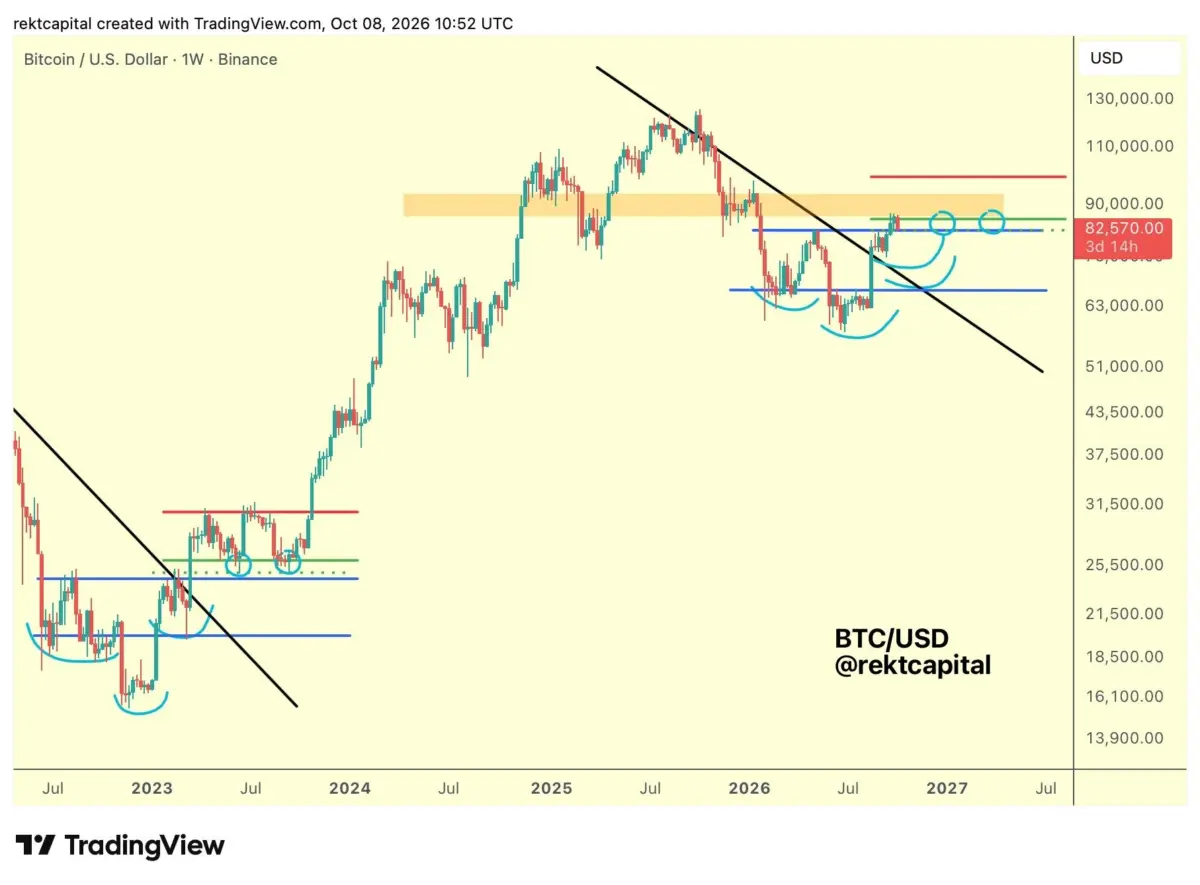
Bitcoin (BTC) reversed its latest recovery gains shortly after Tuesday’s Wall Street opening bell, succumbing to renewed macroeconomic pressure as United States bond yields continued a relentless march toward multi-decade highs. The cryptocurrency’s latest upward trajectory ran out of steam just shy of the critical $85,000 threshold, sending ripples through both digital asset order books and broader traditional financial markets already grappling with persistent geopolitical tensions and sticky inflation.
Bitcoin Rejects Near $85,000 as Bond-Yield Rally Continues
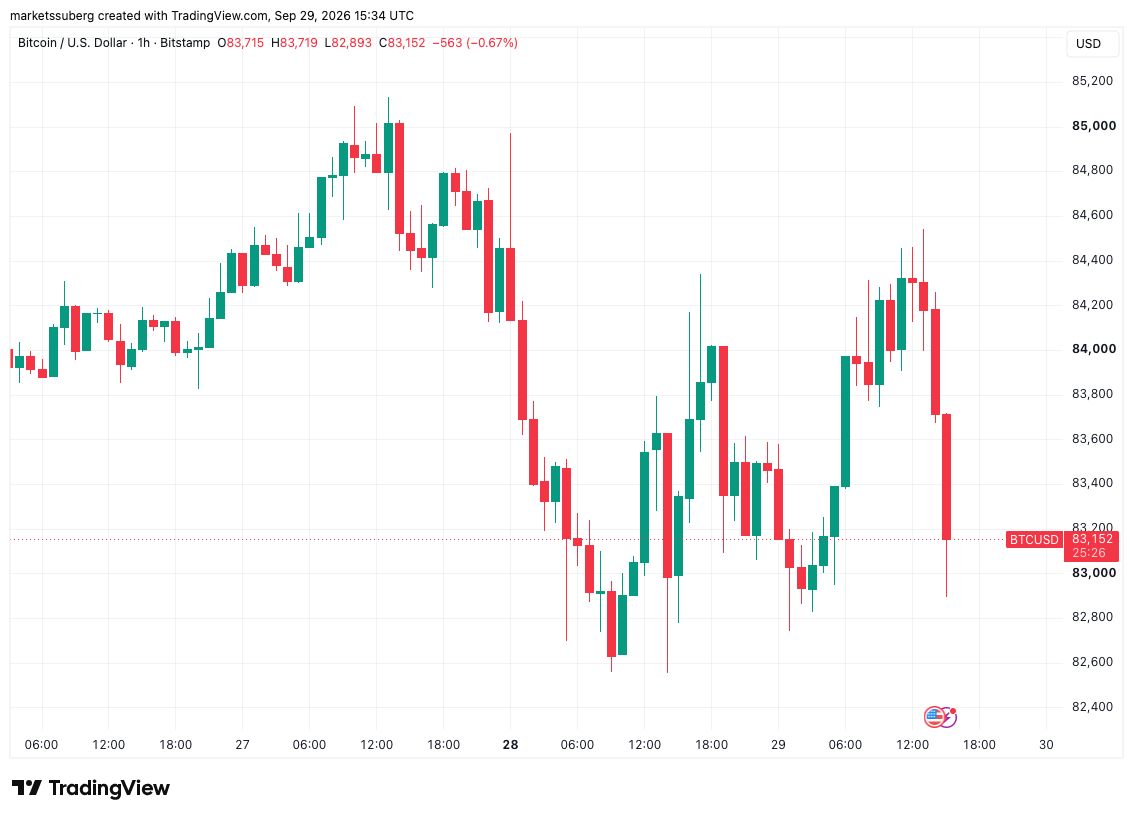
Data sourced from TradingView illustrated a familiar pattern of resistance as a local cryptocurrency market rally peaked at $84,540 just as the traditional US trading session got underway. The initial optimism quickly evaporated, driving BTC/USD to retreat below its daily opening level, where it hovered near $83,600.

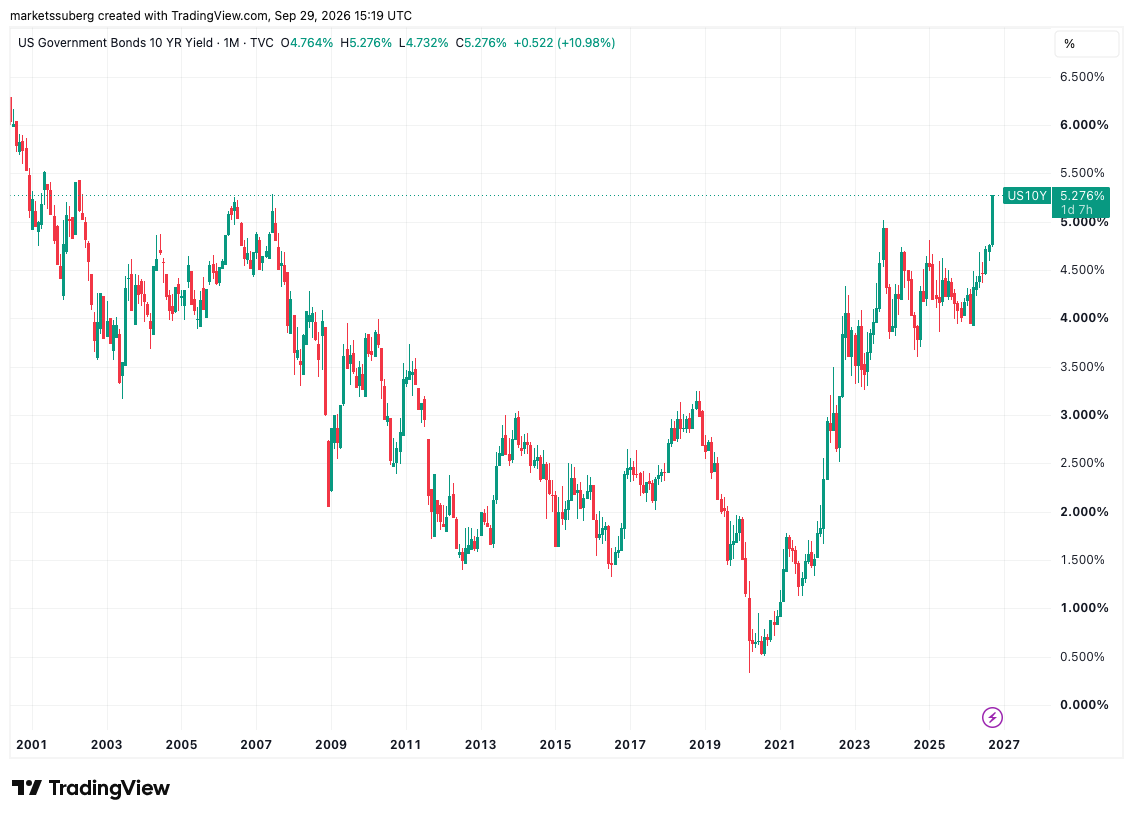
The broader backdrop for this crypto pullback was rooted in the unrelenting US bond market, which showed zero signs of cooling down. The benchmark 30-year US Treasury yield vaulted to fresh 24-year highs, pushing comfortably above the 5.60% mark. Meanwhile, the 10-year Treasury yield surged to 5.26%, bringing it directly to the doorstep of its June 2007 highs and into territory last regularly traded in April 2002.
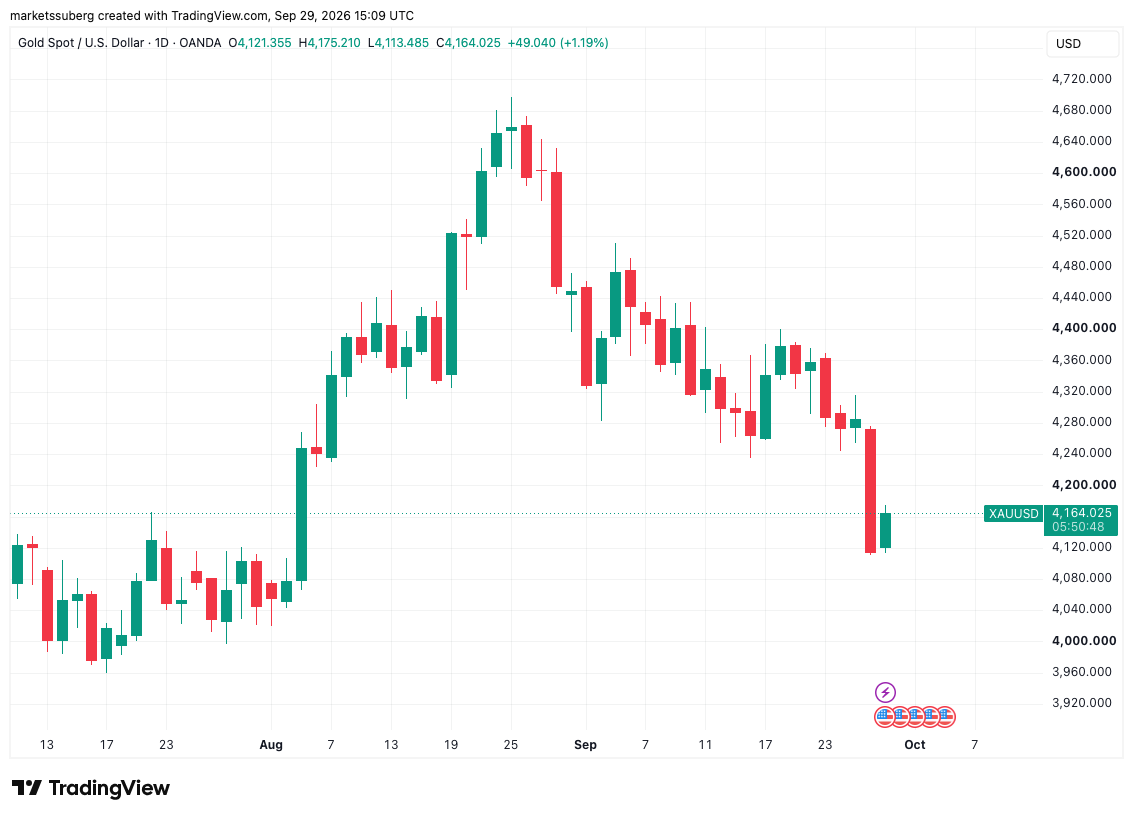
This dramatic escalation in government borrowing costs occurred against a backdrop of escalating geopolitical uncertainty, notably driven by ongoing developments surrounding the US-Iran conflict. Combined with persistently high crude oil prices and stubborn consumer inflation readings, market participants found themselves steering a deeply cautious course. The cascading effects of soaring bond yields were not isolated to digital assets; they also sent shockwaves through precious metals. Gold suffered a sharp 3.6% downturn on Monday, plunging to $4,115 per ounce before managing a minor technical rebound to trade around $4,166.
Prominent market commentary from financial resource The Kobeissi Letter quickly flagged gold’s steep sell-off as an extraordinary development under current market conditions. In a public statement shared on the social media platform X, the publication noted that the aggressive surge in yields was actively creating an unprecedented disruption across the precious metals complex, highlighting a broader flight from traditional safe-haven assets as cash-equivalent yields become increasingly attractive to institutional capital.
Even as US equities managed to avoid extreme systemic volatility during the session, independent analysts pointed toward underlying structural extremes in the broader financial landscape. Fresh research published by trading resource Mosaic Asset Company suggested that while macro headwinds remain fierce, the depth of recent market corrections has left various sectors "extremely oversold," opening up potential windows for tactical upside once conditions stabilize.
According to Mosaic Asset Company’s Tuesday commentary, the percentage of equities trading in short-term uptrends on a year-to-date basis has plunged to levels not witnessed since late March, when the S&P 500 hovered near formal correction territory. A variety of other market breadth indicators similarly flashed oversold conditions, running parallel to a sharp spike in bearish investor sentiment over the preceding two weeks.
At the same time, mosaic analysts observed that robust fundamental economic data—such as higher-than-expected job creation figures reported in August—could ultimately provide a floor for risk assets, even as the Federal Reserve continues tightening monetary policy. Financial markets have increasingly priced in expectations that the US central bank will enact another 0.25% interest rate hike during its upcoming policy meeting in October, a factor that continues to cast a long shadow over both equities and high-beta digital assets.
Long-Term Holder Supply Reinforces Overhead Resistance
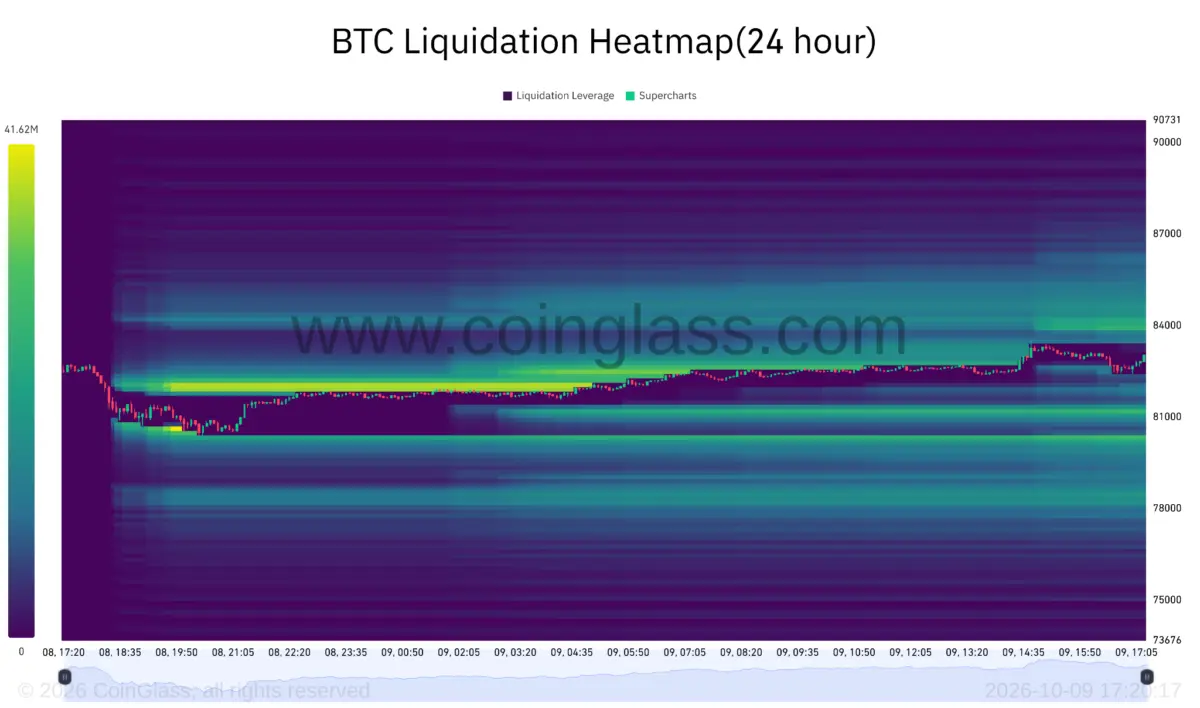
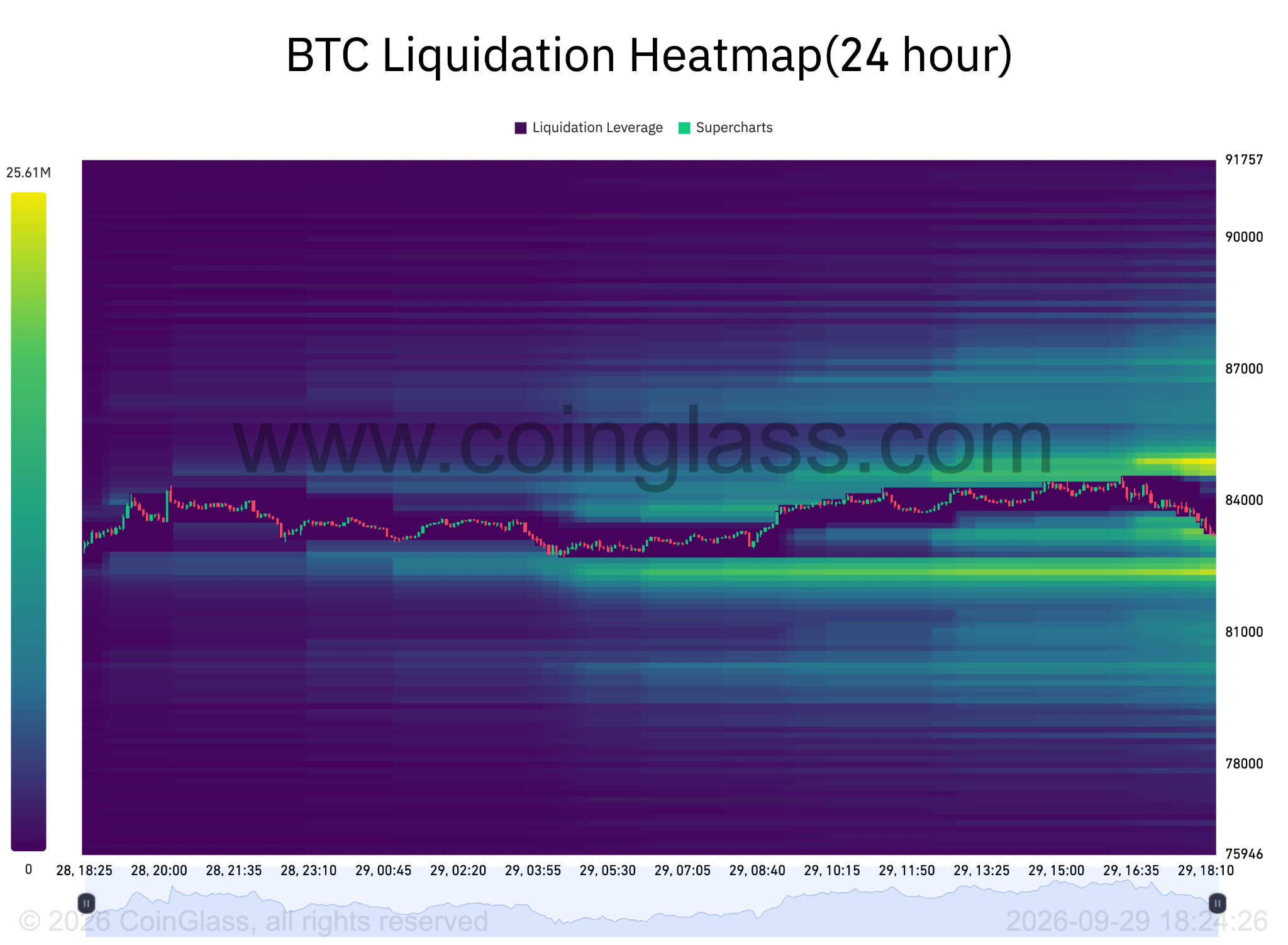
On lower time frames, Bitcoin’s price action remained heavily dictated by immediate liquidity shifts within centralized exchange order books. Order-book telemetry and analytics compiled by CoinGlass revealed that heavy sell-side liquidity and thick layers of overhead resistance were rapidly accumulating directly around the $85,000 mark. This concentration of liquidity effectively halted the bullish advance and triggered an immediate downward correction, mimicking a nearly identical price rejection seen at the beginning of the week.
Compounding this technical barrier, onchain analytics from Glassnode highlighted a massive structural obstacle derived from historic coin distribution. Data tracking long-term holders (LTHs)—defined as wallet entities that have maintained a specific unspent transaction output (UTXO) for a minimum of six months without executing a transfer—showed that a staggering volume of coins is tightly clustered right between the $84,000 and $85,000 price bands.
This dense concentration of mature supply represents the heaviest single supply cluster currently visible on the blockchain chart, vastly outstripping other historical accumulation zones. Glassnode emphasized to its followers on X that for the broader bull market rally to sustain its momentum and challenge higher targets, Bitcoin must definitively break through this multi-month supply wall and successfully establish a firm support base above it. Until that structural hurdle is cleared, the heavy presence of long-term holders looking to lock in profits or break even at their historical cost basis will likely continue to cap upward mobility on any renewed bullish charge.