Bitcoin (BTC) sought to avoid fresh losses as cryptocurrency markets digested breaking reports of an exploit affecting Ledger hardware wallets. The premier cryptocurrency demonstrated resilience, staging a notable recovery from deeper intraday corrections even as broader financial markets grappled with shifting macroeconomic sentiment, escalating geopolitical tensions, and localized security concerns within the digital asset ecosystem.
Data from TradingView indicated that the BTC/USD pair hovered around the crucial $82,500 support level, demonstrating a determined effort by market participants to stabilize the asset after a turbulent stretch earlier in the week. The digital asset market had faced sudden downward pressure, dropping to a low of $80,350 on Thursday. That sharp descent was catalyzed in part by macroeconomic jitters, specifically rising oil prices fueled by growing worries over potential Middle East escalations involving Iran strikes, which simultaneously pushed Bitcoin toward a three-week low.
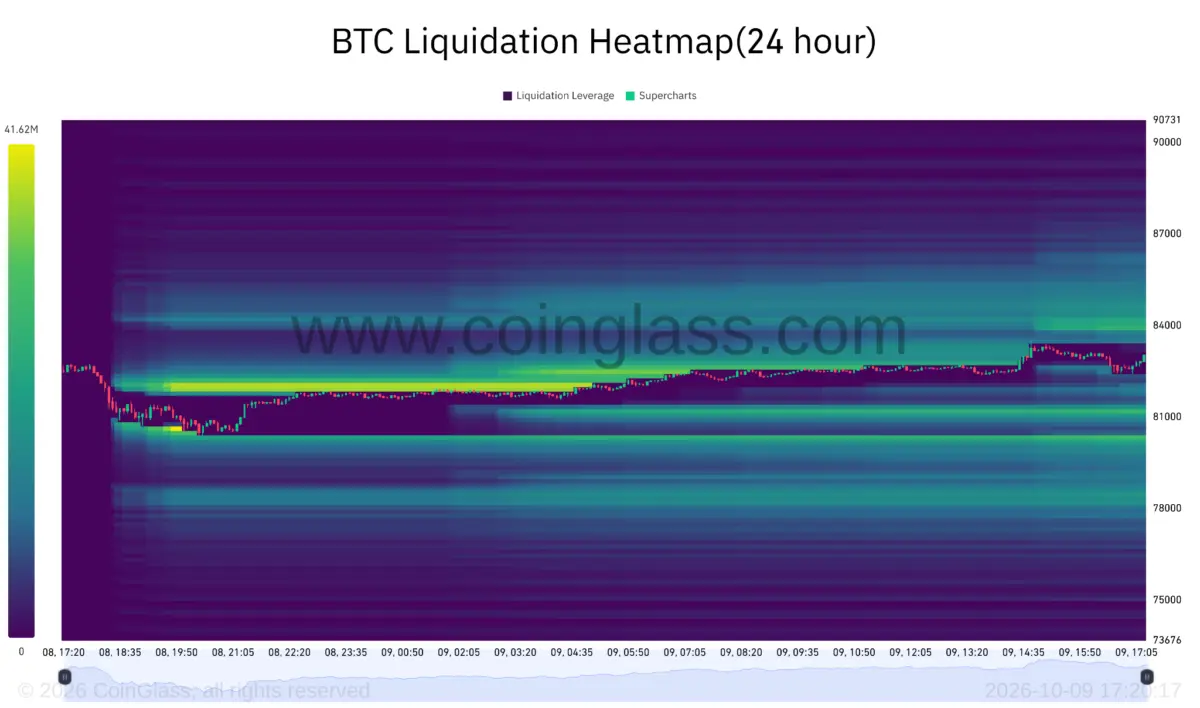
However, the dip attracted renewed buyer interest as rolling 24-hour cryptocurrency liquidations surged past the $1 billion mark, clearing out overleveraged long positions and resetting market dynamics. According to the latest data aggregated by CoinGlass, the spot price aggressively cut through existing ask-side liquidity residing on major exchange order books. This liquidity was observed thickening significantly around the $84,000 threshold, marking it as a formidable near-term resistance zone that bulls would need to conquer to sustain higher momentum.
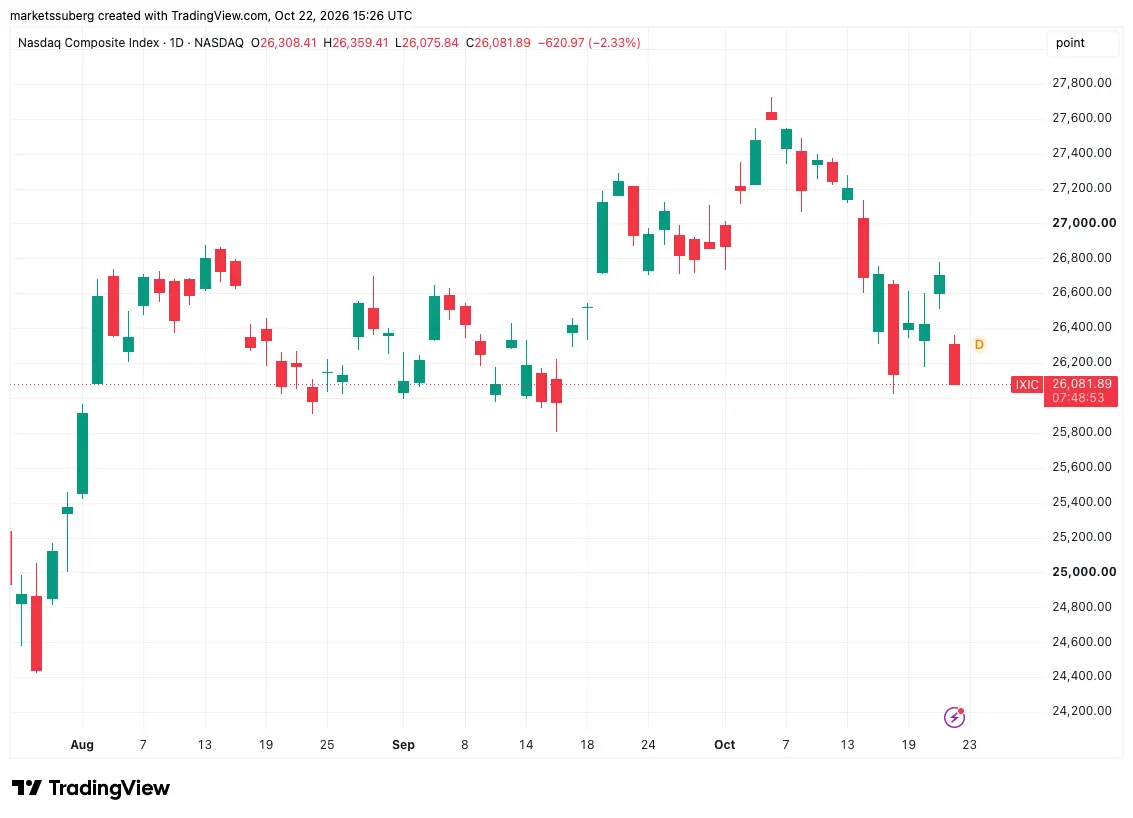
The broader financial landscape offered a mixed backdrop for risk-on assets. United States stocks opened higher, led by a recovery in technology shares that had suffered from heavy selling earlier in the week. The relief rally included the tech-heavy Nasdaq Composite Index. Financial media outlets like CNBC reported that the index had recently come under pressure following weaker-than-expected earnings projections and forward guidance from artificial intelligence leader OpenAI.

Market analysts weighed in on the broader tech sector’s vulnerability. Adam Crisafulli of Vital Knowledge provided commentary highlighting the underlying structural conditions in the equity market. The sell-off reflected extreme positioning imbalances that have further to unwind in our view, which is why the whole AI-linked tech stock complex is unlikely to simply stage a sharp, V-shaped rebound, Crisafulli noted in a publication update. Despite these lingering concerns in traditional equity markets, digital assets managed to decouple temporarily from tech stock weakness, focusing instead on internal order book dynamics and local support floors.
Simultaneously, the crypto community was forced to contend with fresh security concerns following reports of funds being stolen from Ledger hardware wallet users. The incident quickly drew attention across social media platforms, prompting an official response from the hardware wallet manufacturer. In an official post on X, Ledger acknowledged the unfolding claims and tied the exploit vectors to CryptoBillis, a third-party reseller operating in Southeast Asia.
Addressing the affected users directly, Ledger issued safety recommendations for those who may have been compromised through unauthorized distribution channels. If you have set up your Ledger device, consider moving assets to a new Ledger signer with a new seed, the company advised in its advisory statement. The episode added to a growing wave of security scrutiny directed at crypto hardware wallets over recent months. Industry manufacturers have faced heightened scrutiny regarding physical and supply chain security after competing cold storage manufacturer Coldcard suffered a multi-phase hack during July and August, an event that had already reignited fierce debates across the crypto community regarding the absolute safety of offline storage solutions.
Despite the unsettling headlines surrounding hardware wallet vulnerabilities, cryptocurrency markets appeared to brush off the immediate contagion risk, keeping their attention laser-focused on upcoming technical milestones and macroeconomic catalysts.
US Macro Data Seen as Next BTC Price Volatility Catalyst
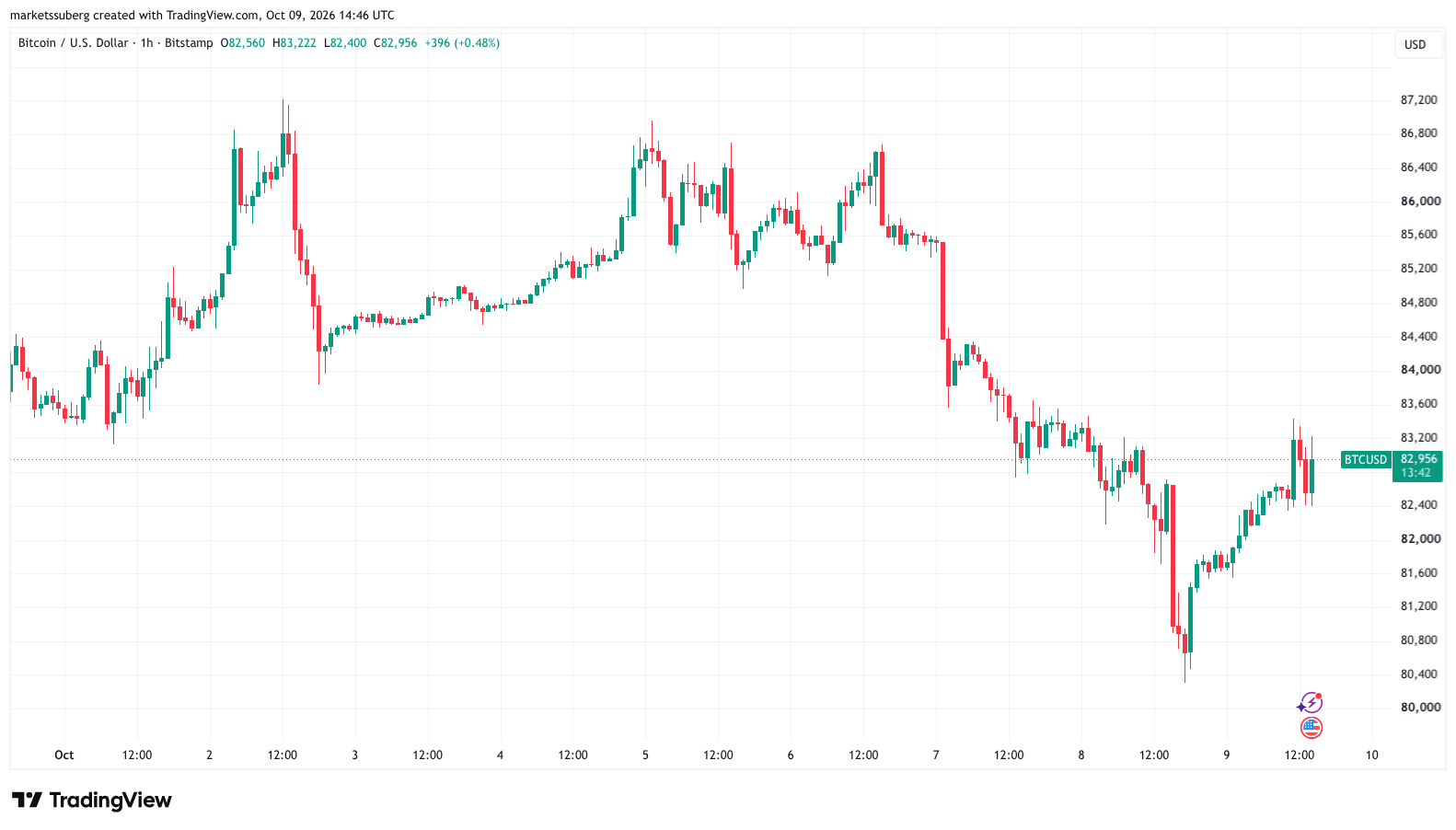
As the trading week drew toward its close, Bitcoin market participants and speculators shifted their focus squarely toward the impending weekly candle close. The psychological and technical significance of the $82,500 level could not be overstated, as it had served as a reliable foundation of support since mid-September. Technical analysts noted that this price action also formed part of a potential inverse head-and-shoulders reversal pattern, bearing a striking structural resemblance to a similar bullish setup that emerged during the foundational market consolidation phases of 2023.
Mid-week research notes released by institutional desks highlighted the likelihood of continued consolidation in the immediate term. Bitfinex Alpha, the dedicated research arm of the prominent crypto exchange Bitfinex, published an outlook forecasting that range-bound trading conditions would likely persist until the upcoming release of fresh United States inflation data scheduled for October 14.
Our primary outlook anticipates range-bound consolidation between $81,300 and $86,500 heading into the 14 October US CPI data, with repeated retests of $84,000, the research team wrote in a detailed blog post. This projection underscored the prevailing sentiment among institutional traders, who viewed the macroeconomic data print as the definitive catalyst required to break Bitcoin out of its current holding pattern and determine the trajectory for the remainder of the fourth quarter.
The interplay between incoming consumer price index figures, institutional capital flows, and evolving derivatives positioning continued to shape the macroeconomic narrative for digital assets. Furthermore, related market metrics highlighted shifting underlying supply dynamics, with exchange data pointing toward substantial accumulation patterns among large-scale holders, or whales, even as broader retail sentiment navigated temporary shocks from regional wallet exploits and macroeconomic crosscurrents. As the market prepared for the weekend, traders remained vigilant, monitoring order book depths and macroeconomic indicators for any sudden shifts in momentum.