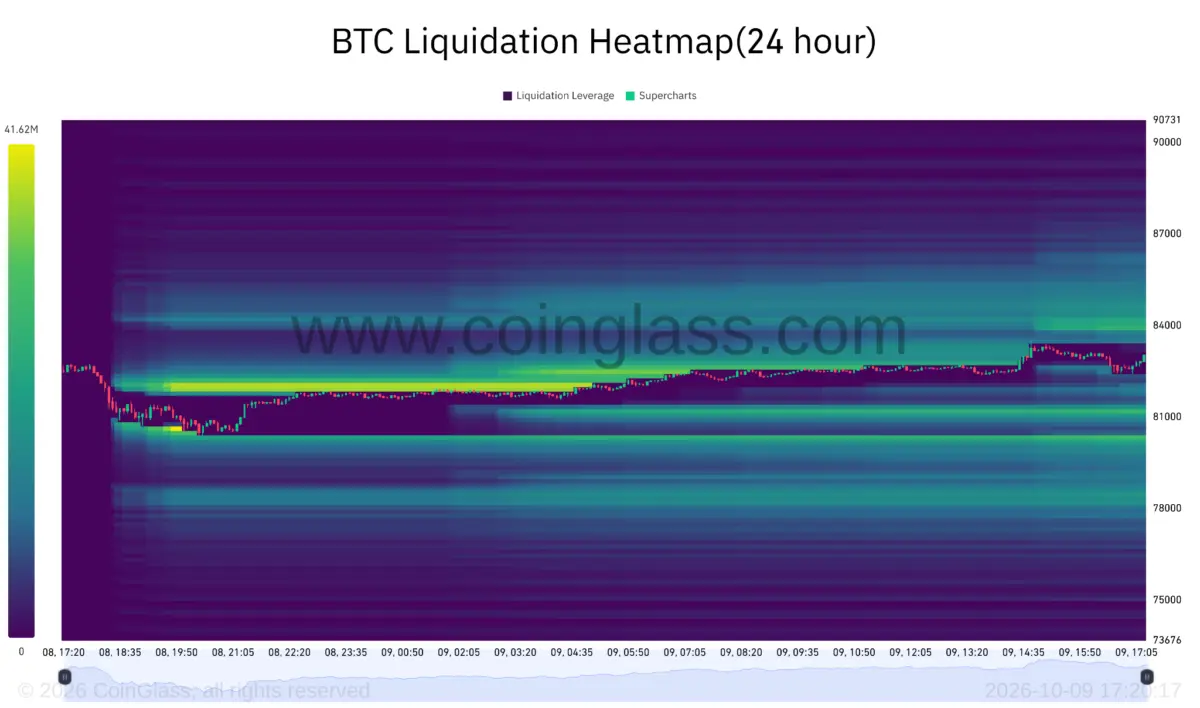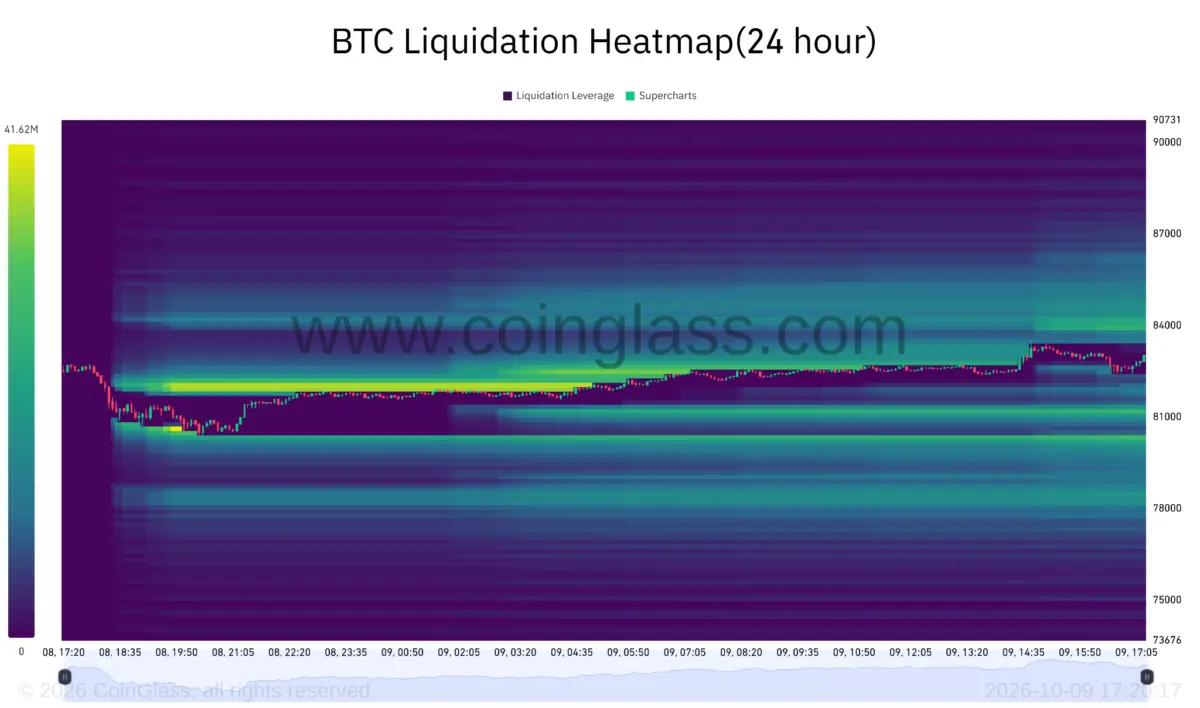
Bitcoin approached the $87,000 threshold on Friday, notching its highest price point since September 23. The upward surge triggered a wave of forced liquidations across the derivatives market, with short positions bearing the brunt of the market volatility. According to aggregated data from CoinGlass, Bitcoin short liquidations surpassed $120 million over a 24-hour period, while total liquidations across the broader cryptocurrency market climbed to approximately $210 million.
The latest price movement reflects a decisive break from the tight trading ranges that characterized much of the week, driven by shifting order-book dynamics and aggressive buying pressure that forced bearish traders to cover their positions.
Bitcoin Buyers Battle Liquidity Walls Below $87,000
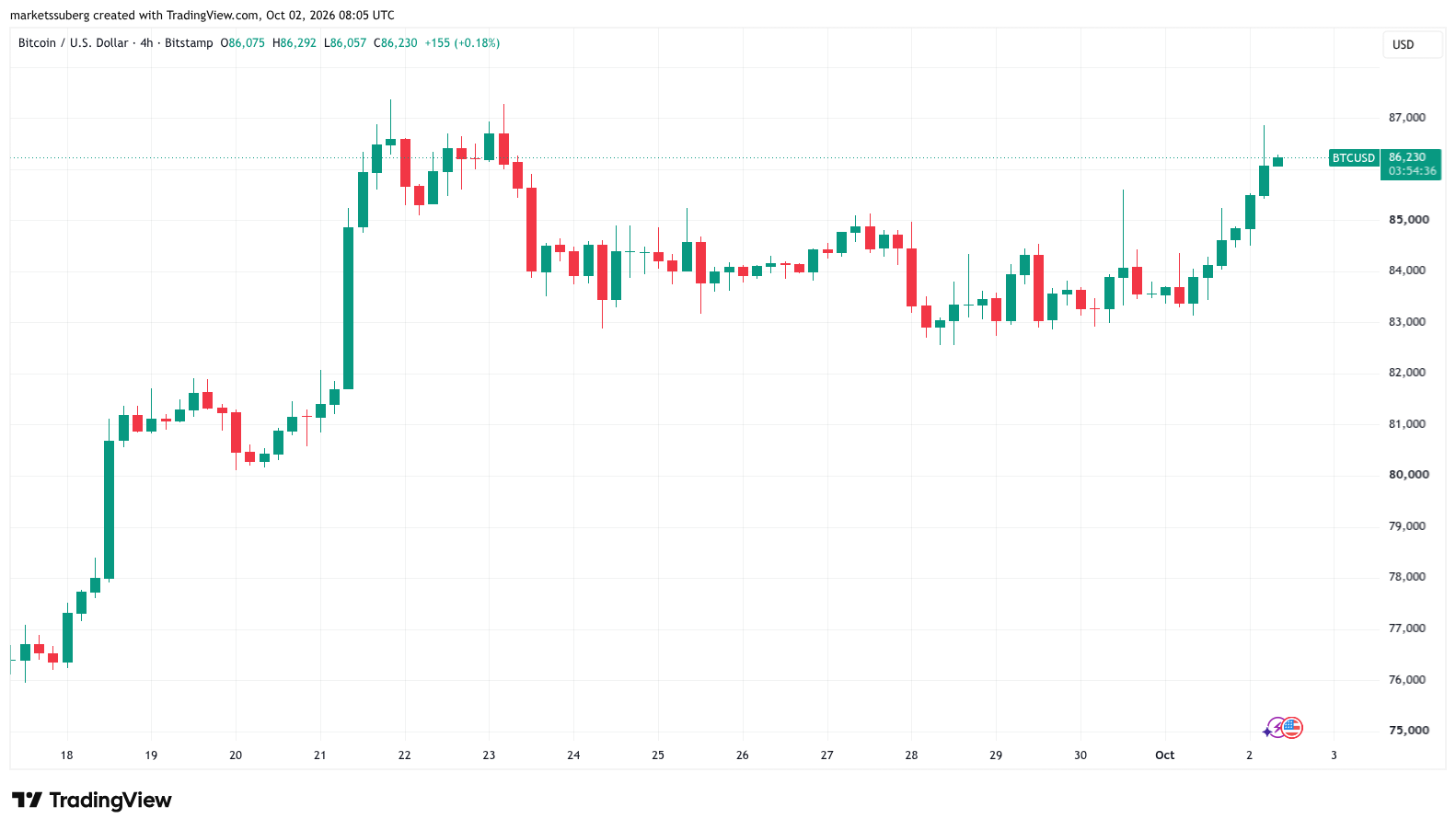
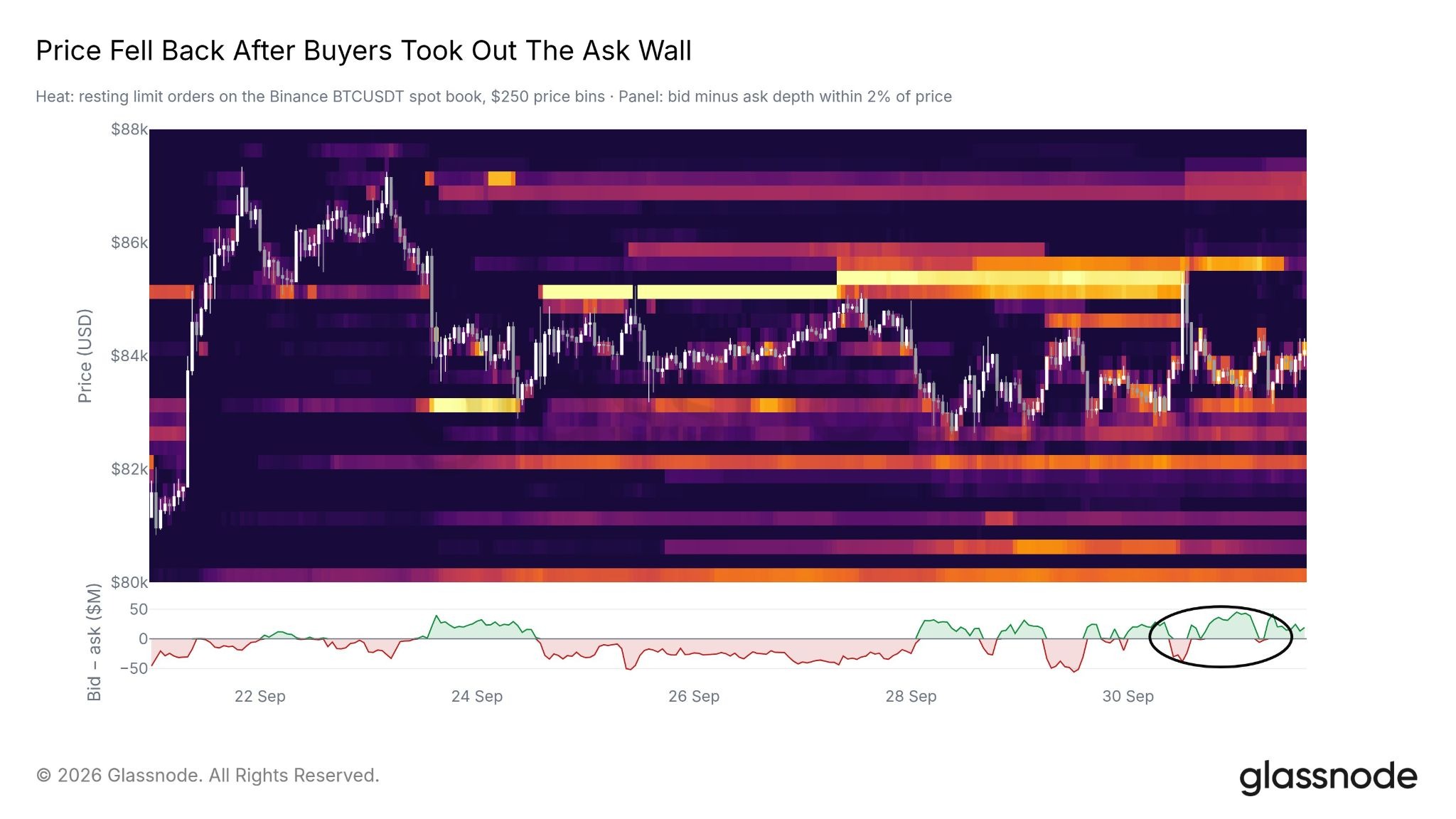
Data from TradingView captured BTC/USD reaching a high of $86,857 on the Bitstamp exchange before experiencing a minor pullback that brought the asset back below the $86,000 mark. This upward expansion followed intense fluctuations in exchange order-book liquidity. Earlier in the week, market analysts observed a heavy concentration of sell orders clustered around the $85,000 region. This dense wall of liquidity had successfully kept price action rangebound following the release of lower-than-expected US inflation data.

However, determined buyers managed to chew through this stubborn barrier. Onchain analytics platform Glassnode reported that the persistent resistance crumbled as the week progressed. "With reduced ask liquidity above, this should allow price to move up faster," Glassnode noted in a post on X, observing that the remaining overhead sell orders appeared to have been actively pulled from order books.
Earlier market tracking from Cointelegraph had highlighted more than $30 million in sell orders stacked near the $85,700 mark. As those barriers dissolved, subsequent data from CoinGlass revealed a dense cluster of potential short liquidations forming above $87,300. This structural shift indicated that liquidation exposure was rapidly concentrating at higher price tiers, creating a magnet for further upward volatility as spot buyers stepped up their accumulation.
Despite the sharp squeeze on bearish positions, the area surrounding $86,000 retains immense structural importance for the broader market. Analysts point out that this region forms the aggregate breakeven zone for institutional and retail investors holding positions through United States spot Bitcoin exchange-traded funds (ETFs).
ETF Inflows Cool After Setting 11-Month Highs
The intersection between spot market performance and institutional fund flows remains a critical focal point for market observers trying to gauge the sustainability of the current rally. In its latest regular market intelligence newsletter, The Week Onchain, Glassnode emphasized that a truly sustained breakout will likely require confirmation from higher trading volumes and a resurgence in robust ETF inflows to validate broader support for the ongoing uptrend.
Daily net inflows into US spot Bitcoin ETFs have noticeably cooled since late September. The sector experienced a monumental surge on September 21, when the daily inflow tally hit $999 million—marking the highest single-day accumulation in nearly a year. Since that historic peak, however, the pace of institutional capital injection has slowed down considerably.
"The funds are still buying, but at a small fraction of the pace of those two days," Glassnode stated in its report. "A return to inflows near that pace would be the clearest sign of renewed ETF demand."
Market data from Farside Investors showed that US spot Bitcoin ETFs recorded net inflows of $102.7 million on October 1, demonstrating that institutional interest remains positive, albeit at more subdued levels compared to the frantic pace seen weeks prior. BlackRock’s iShares Bitcoin Trust (IBIT) continued to anchor the sector, pulling in $195 million in daily inflows. However, concurrent outflows from several competing fund issuers reduced the overall net daily tally for the broader ETF category.
As Bitcoin continues to test liquidity boundaries below the $87,000 threshold, market participants are closely monitoring whether spot demand and renewed institutional inflows can provide the necessary momentum to sustain higher price levels in the days ahead.