Under the terms of the deal, Network School has acquired Farcaster from Neynar and immediately rebranded the core platform as the Network State Protocol. However, the handover was accompanied by an immediate wave of bans targeting users based on their past activity on the platform. The sudden enforcement action quickly caught the community off guard, locking numerous accounts into a "read-only" state and sparking immediate criticism from prominent figures in the decentralized technology space.
Among those critical of the aggressive rollout was Kunal Gandhi, the former India ecosystem lead at Eigen Labs, who took to the X platform to voice his disapproval. Gandhi noted that many of the affected individuals were long-standing contributors who had helped shape Farcaster’s unique culture with their individual quirks and wit. He argued that obliterating accounts right from the start for historical posts runs counter to the fundamental ethos of decentralized social media. Reports from other community members indicated that even a former engineer who helped build Farcaster was caught in the sweeping restriction wave.
The overhaul represents a dramatic pivot for Farcaster, which boasted approximately 250,000 monthly active users as of December 2025, according to co-founder Dan Romero. The platform has struggled to find a permanent, self-sustaining footing despite its innovative technical architecture, leading to its acquisition by Neynar earlier and now its transition into Srinivasan’s broader ideological framework.
Balaji wants the "Singapore of social media"
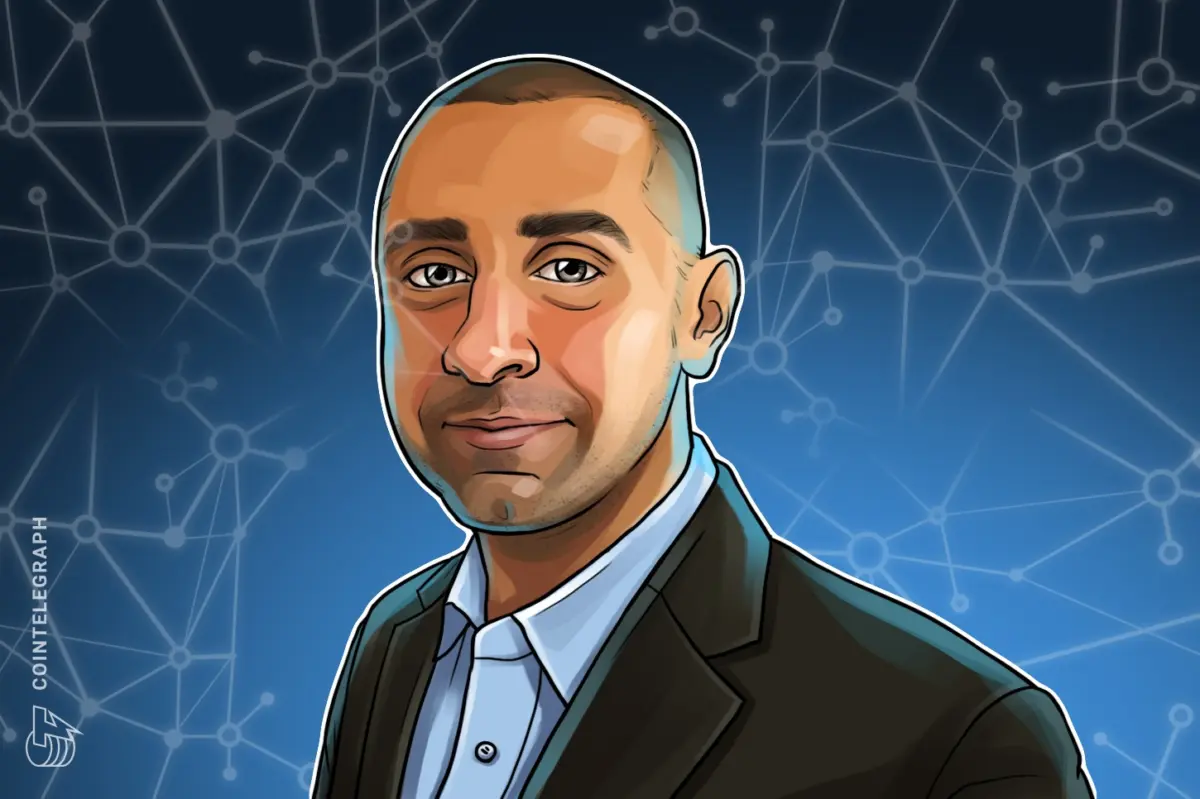
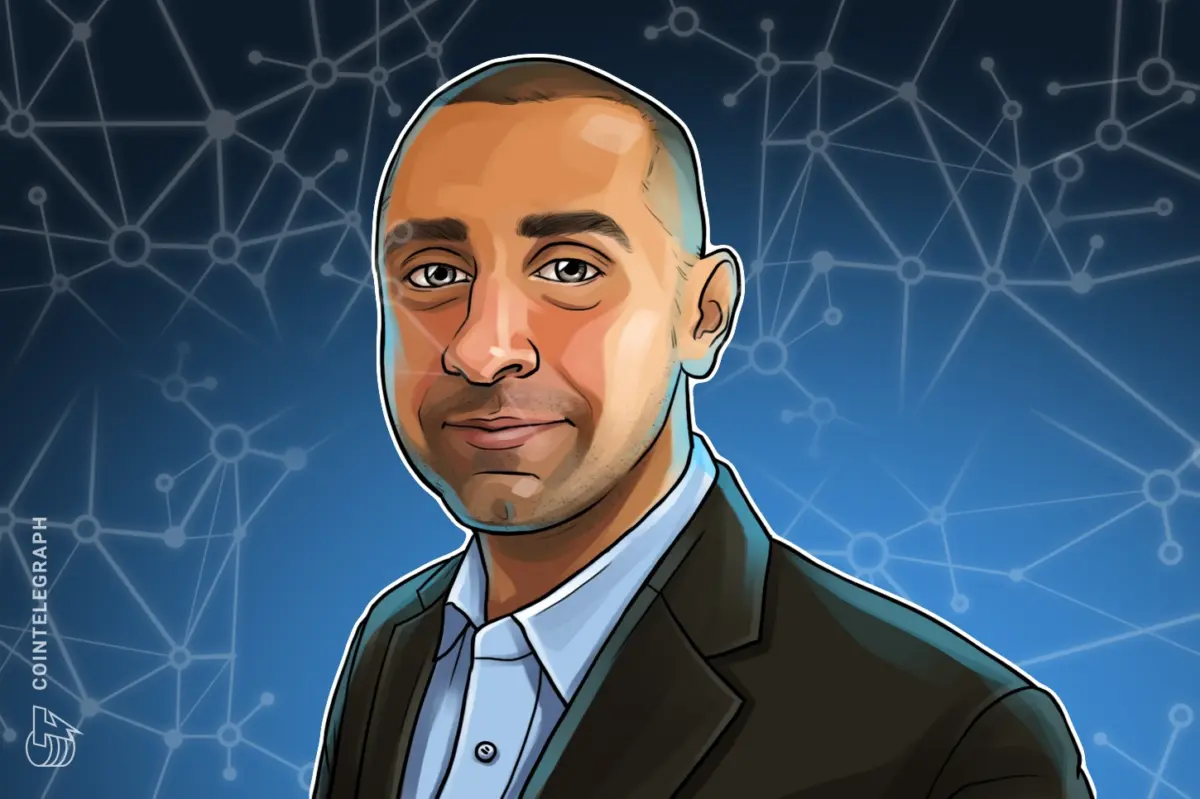
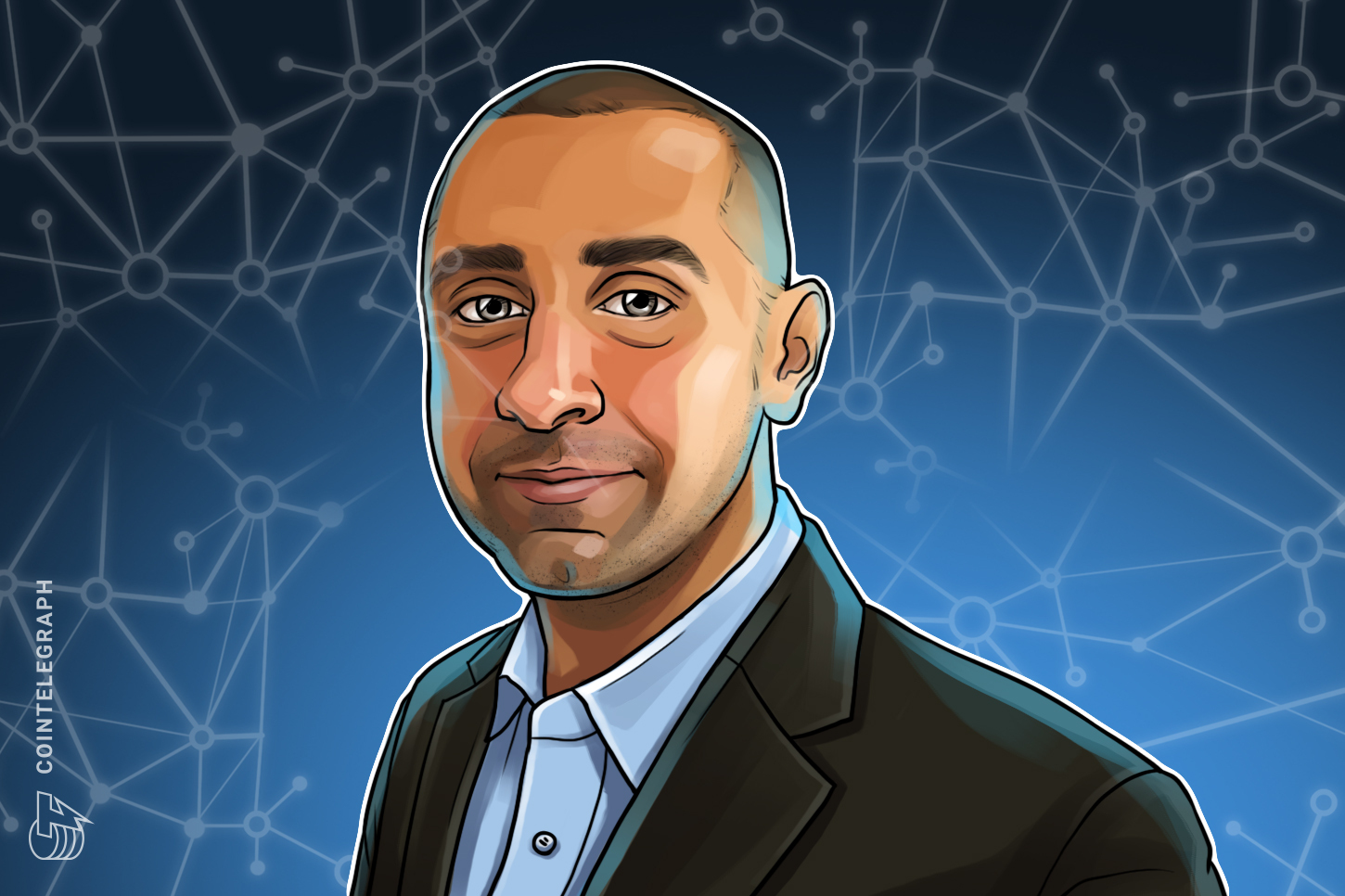
In a detailed post published to Farcaster on Thursday, Srinivasan defended the strict moderation actions, framing them as a necessary foundation for transforming the reference app into what he described as "the Singapore of social media." According to the Network School founder, the goal is to cultivate a positive-sum community of techno-optimists who operate under a strictly enforced, shared code of conduct.
Srinivasan emphasized that establishing immediate law and order was a top priority for the new administration. Drawing a parallel to physical social interactions, he noted that running up to a complete stranger in the offline world and immediately starting to hurl insults would be considered completely unheard of, asserting that the platform’s new direction is simply working to restore those basic offline norms to the digital realm.
To justify the scale of the initial enforcement, Srinivasan compared the moderation strategy to real-world governance models, pointing to El Salvador. Much like how President Nayib Bukele jailed a small fraction of repeat offenders to essentially eliminate crime on a national scale, Srinivasan explained that the platform had moderated out a small fraction of repeat offenders. He noted that these specific users had already been muted or blocked by a large number of accounts, and removing them was necessary to put a stop to random attacks within the Farcaster reference client.
Furthermore, Srinivasan revealed that the platform deployed a combination of human review and artificial intelligence systems to comb through millions of historical posts to identify accounts in violation of the new policies. He added that an official appeals process has been established to review cases where users believe their accounts were wrongfully restricted.
Rewarding "pro-social behavior"
Under the newly implemented vision for the Network State Protocol, users are now required to opt into a "social smart contract." By agreeing to this framework, participants explicitly authorize the core team to set and enforce the application’s rules. This governing framework is backed by an accompanying "Network Code," which classifies infractions into distinct categories including digital felonies, misdemeanors, and minor infractions. Penalties for breaching these digital laws range from formal warnings and temporary suspensions to permanent account bans. Crucially, these rules apply retroactively to legacy content as well as new posts.
At the same time, the code includes provisions designed to reward constructive and "pro-social behavior." This includes activities such as teaching other community members, sharing active projects, and engaging in civil disagreements, although the announcement stopped short of detailing the exact nature or mechanism of these promised rewards.
Network School stated that an open-weight artificial intelligence model will be primarily responsible for applying the rules moving forward, supplemented by manual judgment calls from moderation staff. Over the long term, the team intends to implement predictive features that will warn users of potential rule violations before they publish content.
Despite the stringent rules implemented within the primary reference app, the underlying Farcaster protocol itself remains open. Users who choose to opt out of the new social contract are not entirely locked out of their digital assets; while their access to the main app is reduced to read-only mode, they retain full ownership of their cryptographic keys, funds, followers, and complete post history. This technical architecture allows dissidents to migrate their identities and social graphs to alternative client applications built on the same protocol. Srinivasan described this architectural flexibility—the freedom to join, leave, or build competing clients—as the true essence of decentralized democracy.
The ambitions of the Network School extend far beyond the boundaries of digital social media. The ultimate vision for the online community is to transcend the digital screen and take physical form through organized meetups, pop-up events, and eventually the development of physical startup cities and independent network states.
The acquisition of Farcaster by Network School also arrives during a period of transition for Srinivasan’s organization on the physical front. Just months prior to the deal, Malaysian authorities revoked the business license for Network School’s Forest City project and ordered the initiative to cease operations, citing alleged licensing and premises-use violations. In response to that regulatory setback, Srinivasan subsequently announced an agreement to establish a new campus in Kazakhstan.