Apple is quietly laying the groundwork for its most ambitious artificial intelligence endeavor yet: a proprietary AI agent designed to independently execute complex computer tasks on behalf of users. According to recent industry reports, the Cupertino-based tech giant is developing an autonomous system capable of navigating graphical user interfaces, operating third-party applications, browsing the web, and even writing and debugging software code.
The initiative came to light through a newly published job listing posted by the iPhone manufacturer, which was initially uncovered by Bloomberg. Apple is actively seeking a senior engineering manager to spearhead the development of what the company explicitly describes within the recruitment documentation as an “AI agent that can use a computer.”
The job posting offers a vivid glimpse into the company’s internal vision for the technology, painting a picture of an assistant that transcends traditional conversational chatbots or simple voice commands. “Imagine an AI agent that can use a computer the way a capable person does,” the recruitment notice states, outlining a system that can browse the internet, execute workflows across multiple applications, run command-line scripts, write and fix code, and invoke various application programming interfaces by selecting the most appropriate tool for each individual step of a task. Furthermore, the listing emphasizes Apple’s signature design philosophy, noting that the system aims to execute these complex workflows “privately and with the polish people expect from Apple.”
Additional details within the posting indicate that the underlying architecture is designed to handle intricate multi-step operations. The proposed agent is expected to transition fluidly between different software environments, bridging the gaps between desktop applications, web browsers, command lines, code repositories, and external APIs without requiring constant manual intervention from the user.
When contacted for further details regarding the scope, timeline, and technical framework of the project, representatives from Apple did not respond to requests for comment.
The race to develop autonomous agents capable of performing routine and advanced computer work has rapidly transformed into one of the most fiercely competitive sectors across the broader technology industry. Over the past year, several leading artificial intelligence research labs and major technology corporations have rushed to introduce similar capabilities. High-profile AI laboratories such as Anthropic and OpenAI have rolled out early versions of computer-use agents designed to interact directly with desktop software environments. Meanwhile, other dominant platform holders have also staked their claims in the space, highlighted by Meta’s recent introduction of its Muse agent product line.
Within this rapidly evolving landscape, Apple’s push into autonomous device control represents a natural strategic evolution. The company has faced mounting pressure from investors, analysts, and consumers to significantly expand and modernize its artificial intelligence capabilities, particularly as the organization navigates a transitional period under the leadership of hardware engineering chief John Ternus. Developing an in-house agent that can control device operations natively aligns with Apple’s historical emphasis on tightly integrated hardware and software ecosystems.
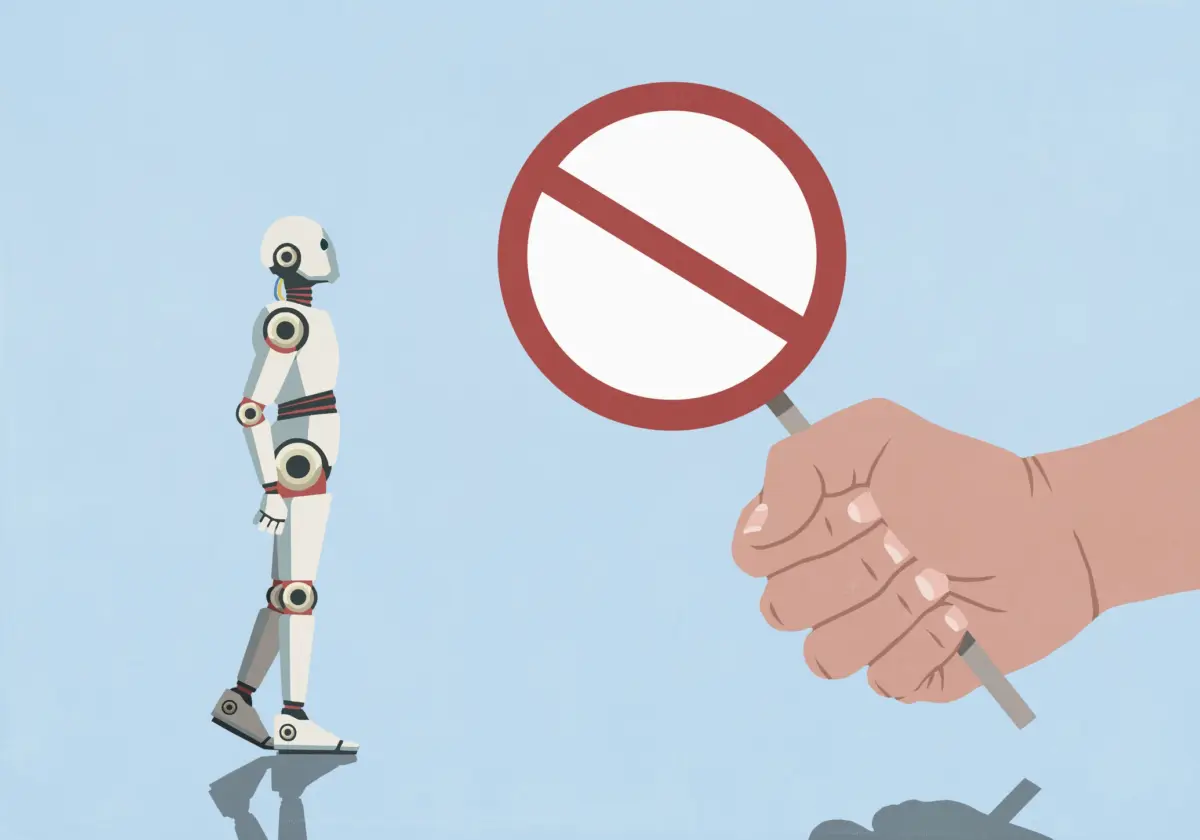
However, even as Apple works to build its own autonomous device-control infrastructure, the company is simultaneously moving to restrict third-party software from gaining comparable levels of unfettered access to its operating systems. Industry reporting indicates that while Apple engineers its own proprietary solution, the company is concurrently implementing stringent security measures that will make it significantly more difficult for external AI agents to achieve total control over macOS environments.
These defensive security postures are becoming apparent in upcoming software updates. The forthcoming version of macOS 27.3 is expected to introduce prominent system warnings explicitly discouraging users from granting third-party AI agents full administrative access or overarching device control. This approach builds upon communication previously issued by the company in October, when Apple published an official advisory notice to developers outlining upcoming platform modifications. In that developer update, the company stated its intention to introduce additional system controls designed to ensure that users who genuinely wish to grant a third-party application an extraordinary level of operational access can only do so by completing very explicit, deliberate user actions.
While these strategic shifts highlight Apple’s dual approach of pursuing in-house innovation while tightening platform security against outside competitors, the company’s own autonomous agent remains in its formative stages. Sources familiar with Apple’s internal product roadmap indicate that although corporate leadership has internally discussed the possibility of introducing the service as early as the end of next year, progress on the proprietary agent remains in the early developmental phases, meaning timelines could shift as engineering challenges are addressed.