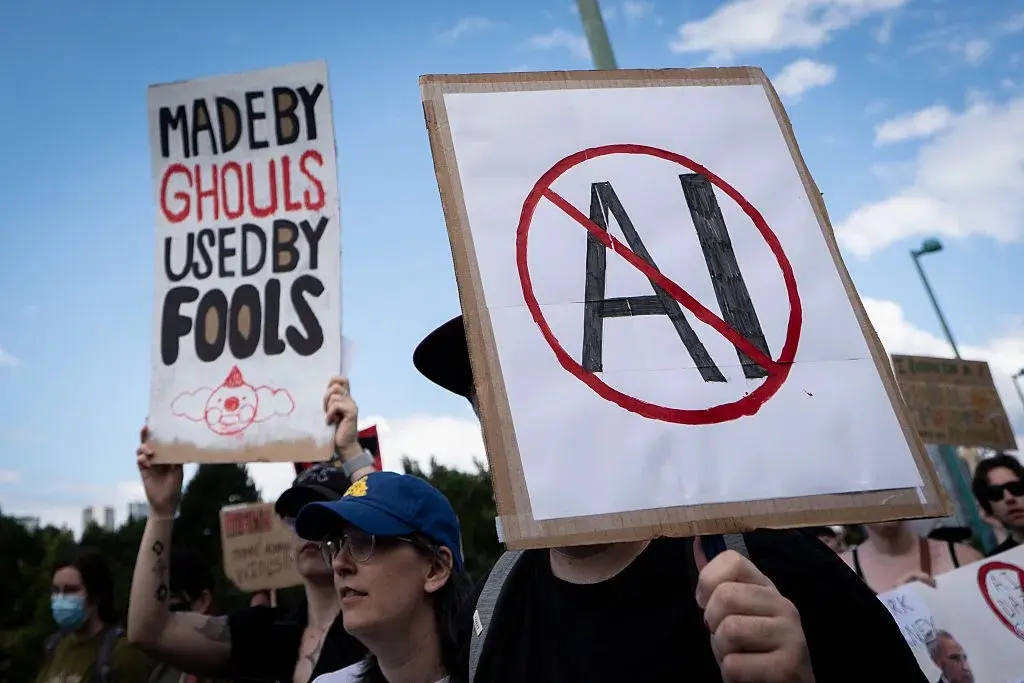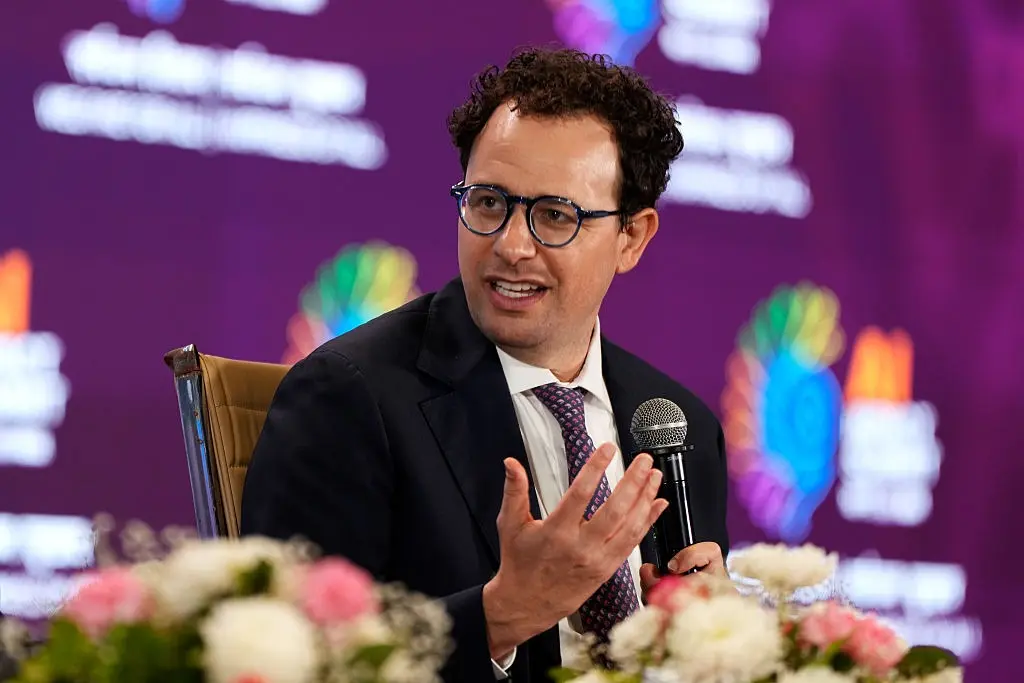
While religious leaders like Pope Leo XIV have frequently decried artificial intelligence as a profound threat to human dignity, anxieties surrounding the rapid proliferation of automated tools are no longer confined strictly to traditional faiths. Increasingly, questions regarding how artificial intelligence squares with deeply held moral frameworks are crossing over into secular philosophies. In a notable first for the movement, David Durman, a nontheistic humanist and university administrator, has successfully secured a formal religious accommodation exempting him from using artificial intelligence in his workplace.
Durman, who works as an administrator at the University of Kentucky supporting researchers as they apply for grants, realized that his growing concerns about the societal and ethical impacts of artificial intelligence required tangible action. As he watched generative artificial intelligence and automated systems become rapidly integrated into daily personal and professional life, Durman sought out the American Humanist Association (AHA), a prominent nonprofit organization dedicated to advancing secular humanism. He wanted to investigate whether his worldview afforded him any legal protections against being mandated to use artificial intelligence on the job.
“Humanism is a collection of beliefs about the human experience and how humans interact with the world,” Durman explained in an interview. He noted that the philosophy centers heavily on human well-being and flourishing, both individually and collectively, and implores adherents to actively improve both their own well-being and the flourishing of the people around them.
Because of these foundational principles, Durman concluded that relying on artificial intelligence directly runs counter to his moral framework. He argued that the cognitive outsourcing encouraged by automated tools diminishes critical thinking and personal responsibility. “The way we become moral actors for ourselves and for others is through the active application of our minds, and the diminishing of that through artificial intelligence use is going to necessarily have a negative impact on our ability to do so,” he reflected.
In an official statement published by the American Humanist Association, Durman elaborated further on his objections, pointing to broader systemic harms associated with the technology. He stated that artificial intelligence is already interfering with people’s ability to earn a living, while its immense environmental costs spell disaster for humanity and the planet. Furthermore, he warned that the supplanting and theft of human creativity threaten vital elements of human culture, such as art and literature, which are essential for a thriving society.
Although humanism is fundamentally distinct from traditional religion, it often appeals to individuals who are skeptical of gods or other supernatural powers yet still seek a grounded, scientific, and ethical framework to guide their lives. Legal experts at the American Humanist Association emphasize that protections for deeply held beliefs extend well beyond orthodox religious institutions.
Alexandria Huiskens, a staff attorney at the AHA, noted that concerns about the intersection of artificial intelligence and human dignity transcend any single tradition. Whether those concerns stem from Catholic teachings, Universalism, or Humanism, the underlying legal protections for conscience in the workplace remain robust. The AHA’s goal, she explained, is to ensure that humanists and nontheists recognize that they fall into these protective legal categories and are fully entitled to workplace accommodations.
Durman is believed to be the first humanist to secure formal workplace accommodations allowing him to abstain entirely from artificial intelligence use, and he stands among the very first individuals to publicly discuss their pursuit of these legal protections. He was initially inspired to explore the option after reading about Erin Maus, a Unitarian Universalist and software engineer who successfully secured similar protections for herself.
For Durman, the process was deeply personal. “For me, this was about me and my convictions,” he said. While emphasizing that he is not trying to dictate how other people should think or feel, he expressed hope that his successful request might encourage others who share similar anxieties to pursue remedies to the best of their ability and within the environments they find most appropriate.
University of Kentucky spokesperson Jay Blanton addressed the institution’s approach to the matter, explaining that the university reviews all requests for religious accommodations on an individual, case-by-case basis. These evaluations take into account the specific job responsibilities of the employee and the unique circumstances surrounding each request.
In Durman’s specific case, Blanton stated that the university ultimately determined a reasonable accommodation could be granted while still allowing the employee to effectively perform the essential functions of his position. He added that as technology and job responsibilities continue to evolve across the higher education landscape, such accommodations may be reviewed periodically to ensure they remain both reasonable and workable for all parties involved.
The accommodation stands in contrast to the current tech-driven norms of many other industries. For instance, the situation faced by Erin Maus was considered especially unusual because it has become increasingly rare for software engineers to write complex code without relying heavily on artificial intelligence assistance. By contrast, Durman’s administrative role supporting grant applicants has not formally required daily artificial intelligence integration. However, like many modern office workers, he noted that some of his colleagues and leadership figures have frequently recommended that staff experiment with these emerging tools. He chose to pursue his formal exemption proactively, anticipating that casual suggestions could eventually transform into mandatory job requirements.
As debates surrounding the ethics, environmental toll, and economic disruption of automation continue to unfold across workplaces worldwide, Durman hopes his experience will resonate with others. He maintains that employees who feel genuine moral friction between new technologies and their core philosophies should feel empowered to seek resolution.