South Korean cryptocurrency exchange GOPAX has suspended trading, deposits, and standard withdrawal services after receiving an email threatening a potential cyberattack. The emergency measures come at a time of heightened anxiety across the country’s digital asset sector, driven by recent high-profile security incidents, regulatory warnings, and a nationwide push by financial watchdogs to bolster the cold-storage defenses of domestic platforms.
According to reports from local newspaper Kyunghyang Shinmun, the exchange took swift defensive action after receiving the threatening message. A representative for GOPAX clarified to the publication that no actual breach, security compromise, or theft of funds had occurred at the time the decision was made. Nevertheless, management opted to err on the side of caution to safeguard user funds against any potential vulnerabilities.
Official notices published by GOPAX indicate that the platform halted incoming deposits and standard withdrawal operations at 5:55 am UTC. This was followed shortly thereafter by the complete suspension of trading activities at 6:53 UTC. As part of these emergency measures, all active and unfilled orders on the exchange’s order books were automatically canceled.
Shifting Assets Offline Under Regulatory Pressure
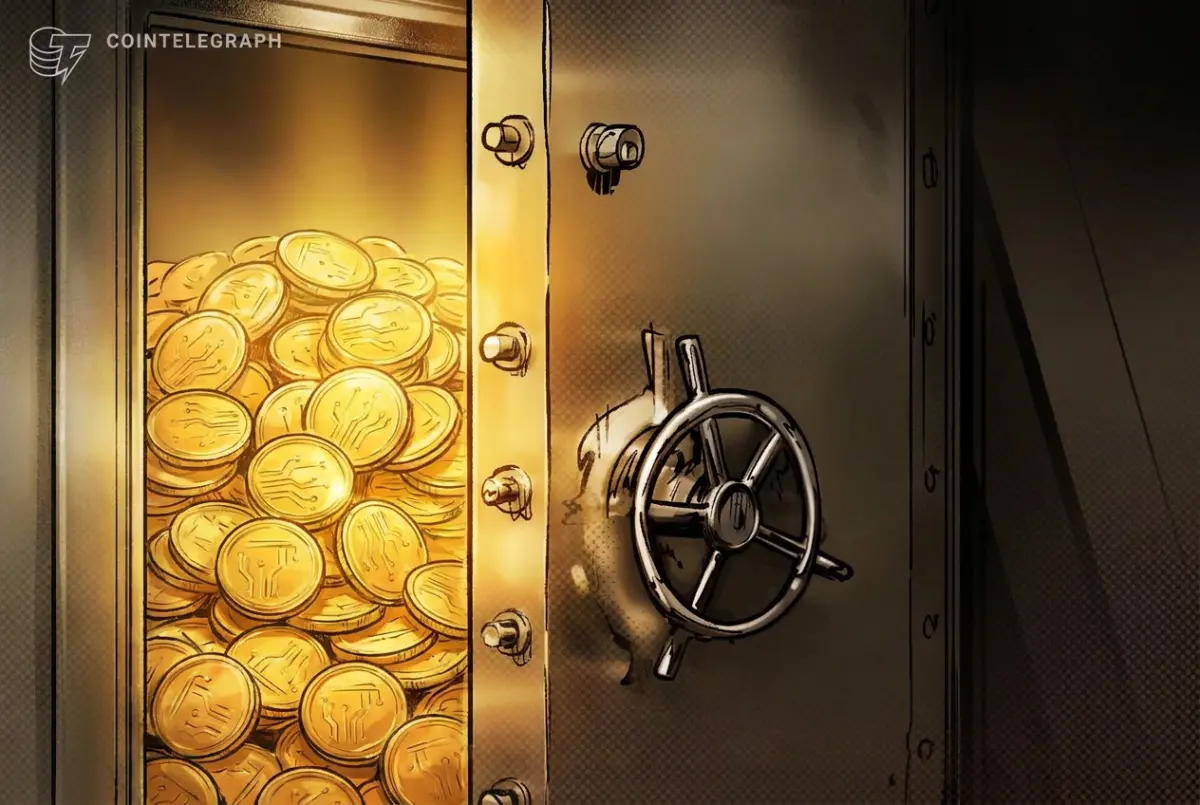
In its public notices, GOPAX announced plans to transfer all remaining customer cryptocurrency assets into offline, cold-storage wallets. The exchange stated that this aggressive protective posture was adopted in response to a recent wave of security leaks and hacking incidents targeting financial institutions globally, aligning with explicit recommendations issued by South Korean financial regulators.
While standard automated withdrawals remain temporarily offline, GOPAX has implemented a manual workaround for its users. Customers who require immediate access to their funds can still request withdrawals through the exchange’s official support center. However, the platform has warned users that rigorous manual verification and security approvals will be required for each transaction, which may result in noticeable processing delays.
The abrupt suspension arrives just days after South Korea’s Financial Services Commission (FSC) strongly urged domestic cryptocurrency exchanges to significantly increase their cold-wallet holdings. That regulatory advisory was prompted by the fallout from a massive $6.3 billion security breach involving Binance. Under current South Korean compliance guidelines, digital asset exchanges operating within the country are required to maintain a minimum of 80% of all customer crypto assets in offline cold storage to protect against online intrusions.
Data previously published by the Financial Supervisory Service indicated that GOPAX held approximately 80.54% of user assets offline at the close of September, placing the exchange just above the mandated regulatory minimum.
A Broader Regulatory Crackdown on Cybersecurity
The security scare at GOPAX is part of a broader, intensely scrutinized period for South Korea’s digital finance ecosystem. In October, the FSC released findings from comprehensive cybersecurity reviews conducted across 555 financial companies nationwide, identifying critical deficiencies at 130 of those institutions.
During those evaluations, regulators also singled out 16 companies—including Streami, the operator behind GOPAX, and local crypto exchange Prabang—that had been involved in earlier security incidents or compliance gaps. The findings have prompted the FSC and other financial authorities to signal plans for much stricter cybersecurity oversight and more frequent audits of digital asset service providers across the country.
The pressures facing domestic exchanges were underscored just weeks prior when Prabang, another South Korean digital asset platform, was forced to suspend its services following the detection of abnormal withdrawals from its hot wallet on October 24. According to reports from the Yonhap News Agency, that incident resulted in losses estimated at approximately 100 million won, equivalent to roughly $70,000. In the wake of the breach, Prabang leadership assured the public that the exchange would fully reimburse all affected customers utilizing internal corporate funds.
As regulatory bodies continue to tighten compliance standards and demand higher operational security thresholds, South Korean cryptocurrency exchanges are facing mounting pressure to upgrade their infrastructure. For GOPAX, the immediate priority remains completing the offline transfer of user assets and navigating the manual withdrawal requests while awaiting further clarity regarding the validity of the cyber threat.