
Bitcoin (BTC) kicked off the third week of October by successfully defending a crucial technical support level at $82,500, navigating a turbulent macroeconomic landscape defined by fluctuating bond yields, geopolitical tensions, and anticipation surrounding upcoming United States inflation figures.
The premier cryptocurrency wrapped up the previous week with a weekly candle close at approximately $83,700 on Bitstamp, cementing a 3.2% decline over the seven-day period. Despite the downward pressure, the ability of BTC/USD to preserve the $82,500 threshold on weekly time frames prevented a potentially deeper correction back into its former multi-month trading range between $60,000 and $80,000, keeping market participants focused on the asset’s next potential directional move.

Markets See September Inflation Creeping Higher
The broader financial markets are firmly focused on macroeconomic indicators this week, with critical US inflation data sitting squarely in traders’ crosshairs ahead of the Federal Open Market Committee’s scheduled interest-rate policy meeting on October 28. The September prints for both the Consumer Price Index (CPI) and the Producer Price Index (PPI) are slated for release on Wednesday and Thursday, respectively, providing fresh insight into price stability and economic momentum.
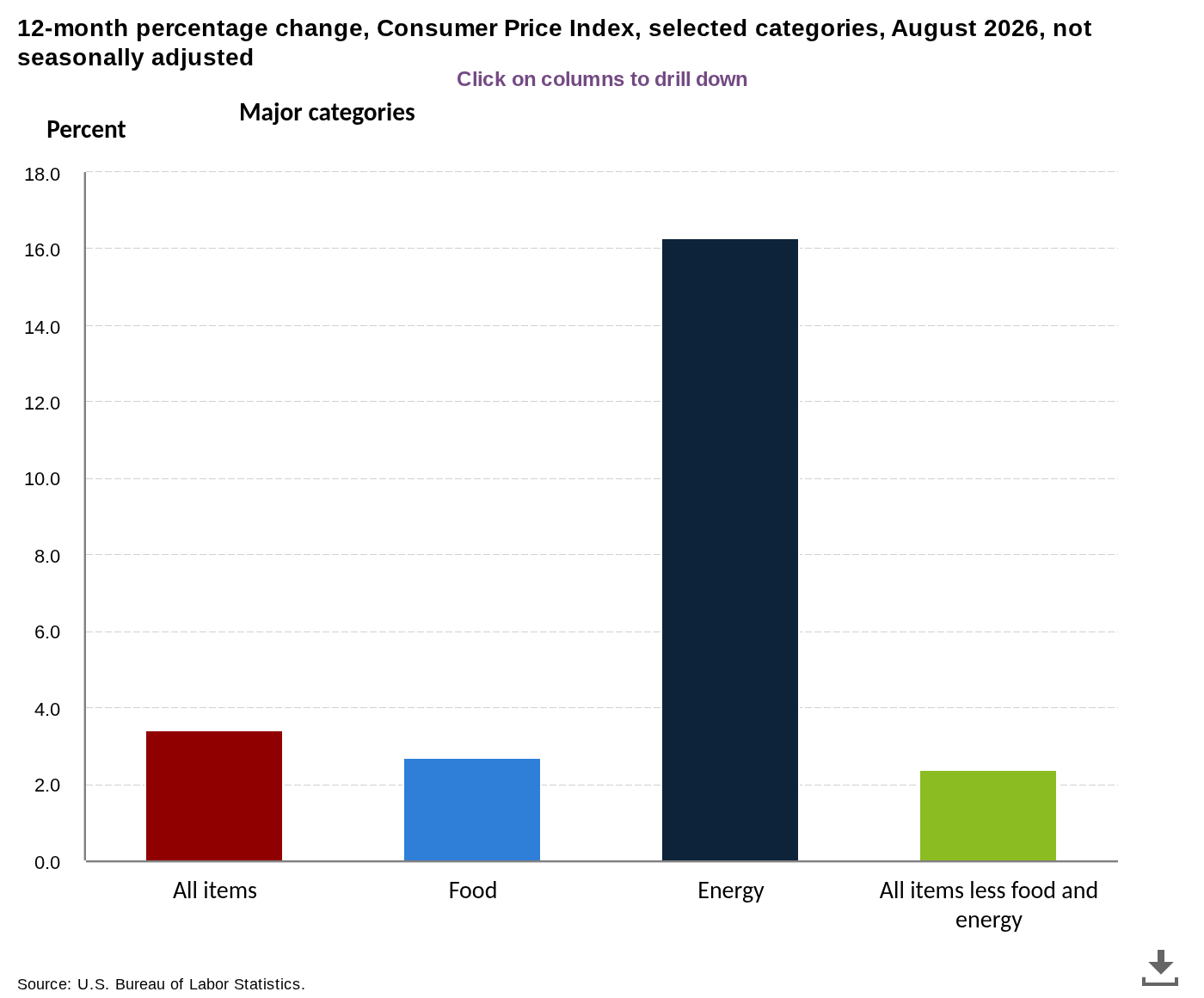
During August, the Consumer Price Index broadly conformed to market expectations by printing at 3.4% year-on-year. However, consensus expectations now point toward an uptick to 3.7% for September. This anticipated acceleration is largely attributed to ongoing military actions in the Middle East and the associated surges in fuel prices that have rippled through global supply chains and domestic energy markets. Meanwhile, the Producer Price Index is anticipated to register at 0.3% month-on-month, marking a slight increase compared to the 0.2% growth recorded in August.
Risk-on assets, including cryptocurrencies, equities, and precious metals like gold, have historically benefited from lower-than-expected inflation readings. Such outcomes tend to alleviate pressure on central banks by reducing the probability of aggressive monetary policy tightening, thereby creating an environment where capital inflows can strengthen market valuations.
Discussing the current trajectory of gold prices and US bond yields in an interview with Reuters, Tim Waterer, chief market analyst at KCM Trade, emphasized the immediate significance of any potential downside surprises in upcoming CPI and PPI metrics. In the short term, a cooler-than-expected US inflation reading would serve as the clearest near-term catalyst for financial markets, as it would reduce the odds of further Federal Reserve tightening and ease the persistent pressure on real yields.
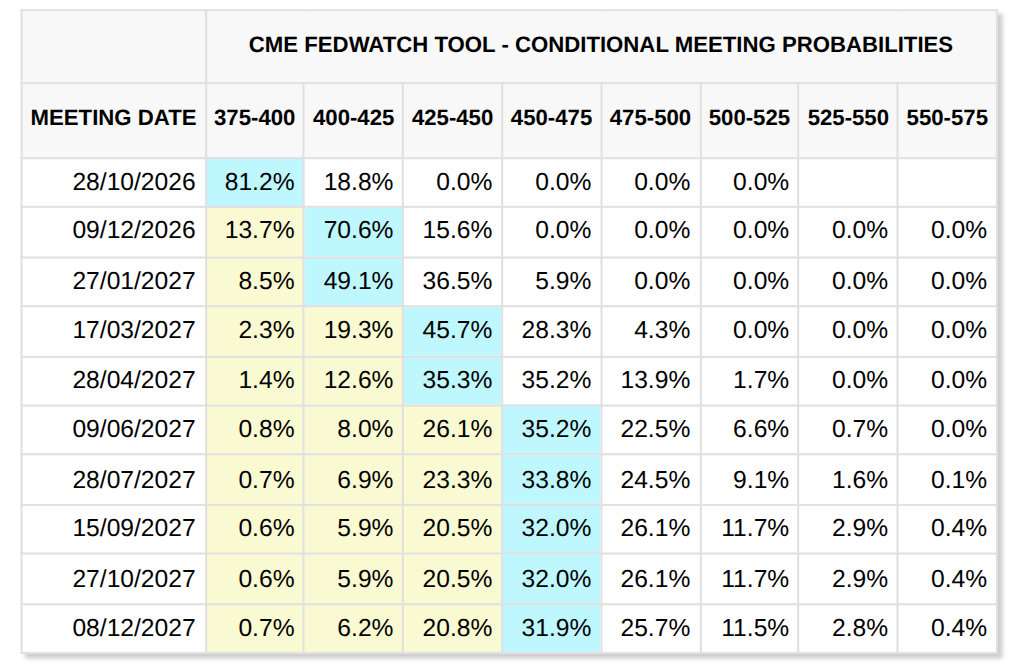
Data from the CME FedWatch Tool indicates that market participants are currently pricing in just an 18.8% probability that the central bank will implement a rate hike during its October 28 gathering, maintaining the federal funds rate within its current 3.75% to 4.00% target range. Looking slightly further ahead, the subsequent policy meeting in December is currently attracting a 70.6% probability that the Fed will enact a 25-basis-point rate hike, shifting the benchmark range to 4.00% to 4.25%.
Adding to the macroeconomic dialogue, Federal Reserve Chair Kevin Warsh is scheduled to hold a high-profile discussion with International Monetary Fund Managing Director Kristalina Georgieva during an upcoming event in Bangkok, Thailand, on Friday. Investors and analysts will be scrutinizing commentary from both officials for clues regarding the future path of global monetary policy and economic resilience.
Oil Briefly Cools on US-Russia Diesel Announcement and Yield Movements
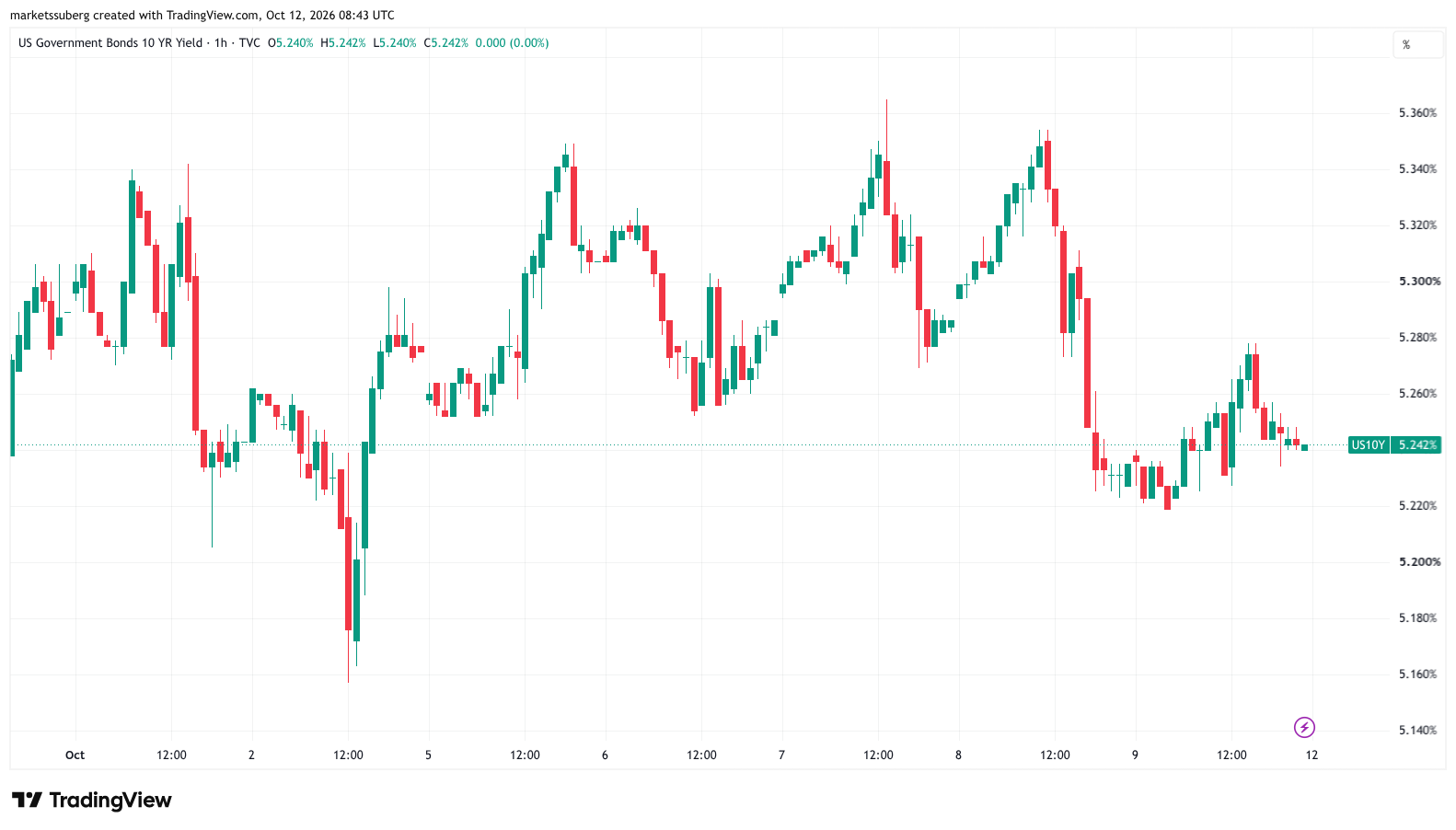
The macroeconomic backdrop has also been heavily influenced by developments in global energy markets and sovereign debt instruments. US bond yields have retreated from the striking 24-year highs observed during the previous week. By Monday, the benchmark 10-year Treasury yield hovered at 5.24%, while the 30-year yield stood at 5.60%, offering a modicum of relief to broader financial markets.
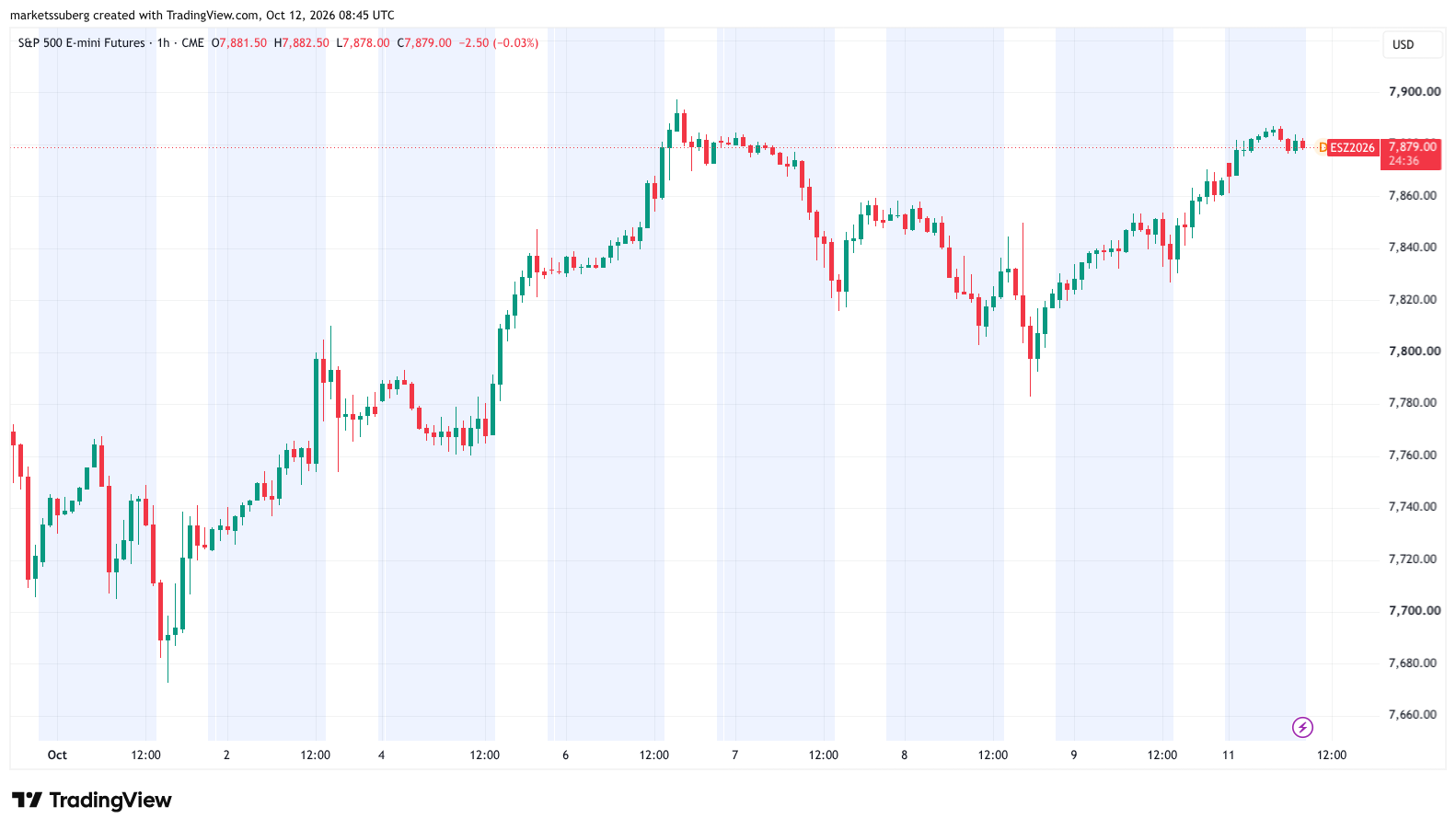
Equity futures traded in positive territory at the start of the week. S&P 500 futures registered a 0.25% gain, placing the index roughly 30 points below its record all-time highs and reflecting underlying resilience among traditional equity investors despite lingering geopolitical uncertainties.
Energy markets experienced notable volatility following a weekend announcement by US President Donald Trump regarding a proposed agreement to acquire 300,000 tons of diesel fuel from Russia. The diplomatic maneuver also included a declaration of an immediate "energy ceasefire" between Russia and Ukraine. In a post on Truth Social, the US president asserted that both parties had agreed to the terms, though Ukrainian President Volodymyr Zelenskyy subsequently stated that he was unaware of any such energy ceasefire agreement, even as he expressed a general willingness to engage.
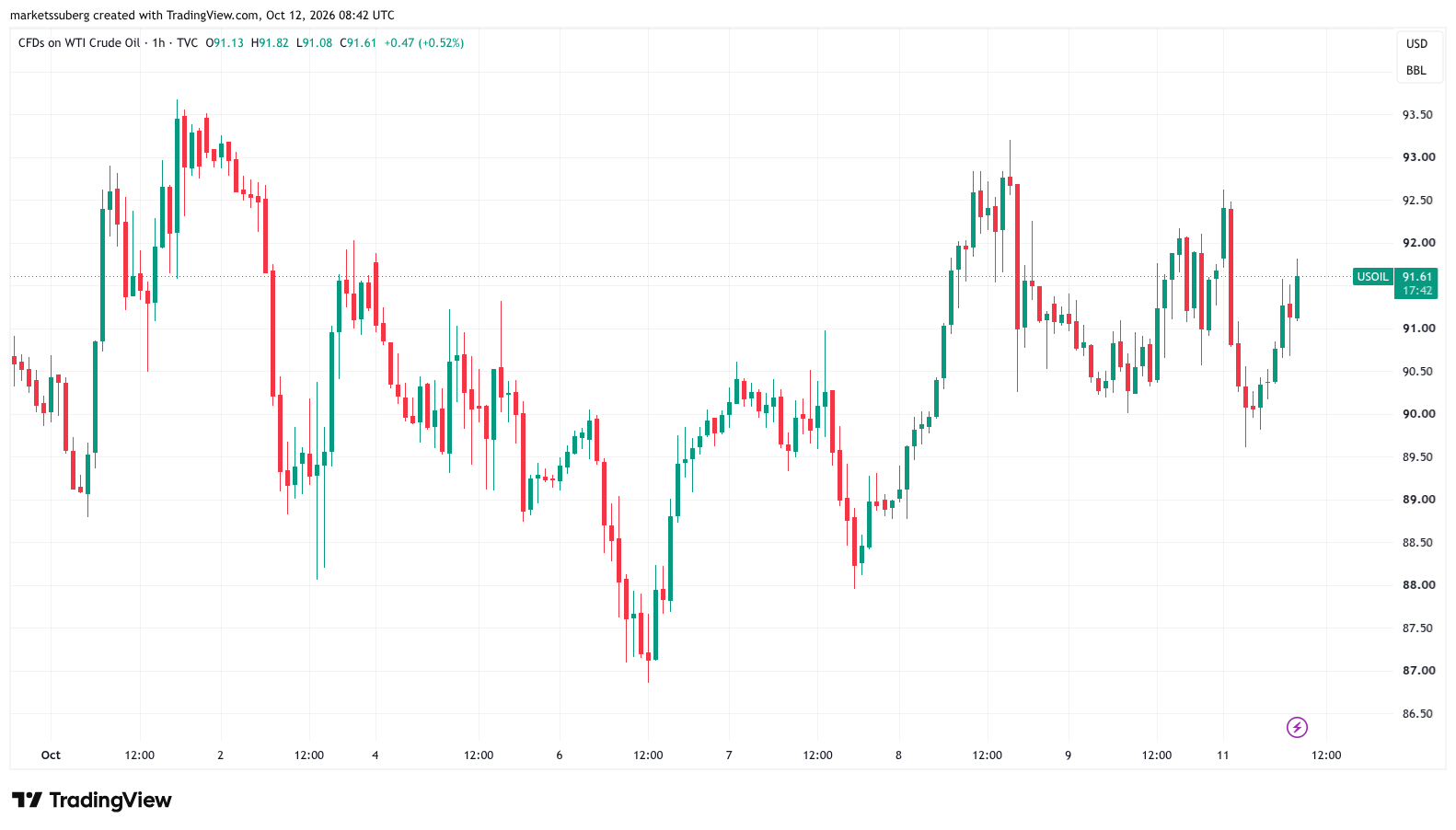
The announcement regarding Russian diesel faced growing bipartisan political backlash and generated only a modest, short-lived cooling effect on international crude prices. West Texas Intermediate (WTI) crude traded around $91.50 per barrel on Monday, marking a 2% recovery from an intraday low of $89.60. Meanwhile, data from motorist group AAA placed the national average retail price for diesel at $6.26 per gallon, remaining below the all-time highs of $6.52 recorded on September 22.
PVM analyst Tamas Varga told Reuters that Russia’s constrained export and production capacity rendered the practical impact of the proposed diesel deal questionable. However, Varga noted that Moscow has partially lifted its formal ban on diesel exports, releasing approximately 500,000 tonnes—equivalent to roughly 3.7 million barrels—onto the international market. This volume represents approximately one day of total US consumption and roughly 13% of aggregate global demand.
Bitcoin Avoids Support Breakdown at Weekly Close
Within the digital asset ecosystem, Bitcoin’s ability to hold its ground at the weekly close provided reassurance to market participants who had grown jittery amid broader macroeconomic headwinds. At a valuation of approximately $83,700 on Bitstamp, Sunday’s candle close confirmed the aforementioned 3.2% weekly retracement, yet it successfully preserved the critical $82,500 support zone on high-time-frame charts.
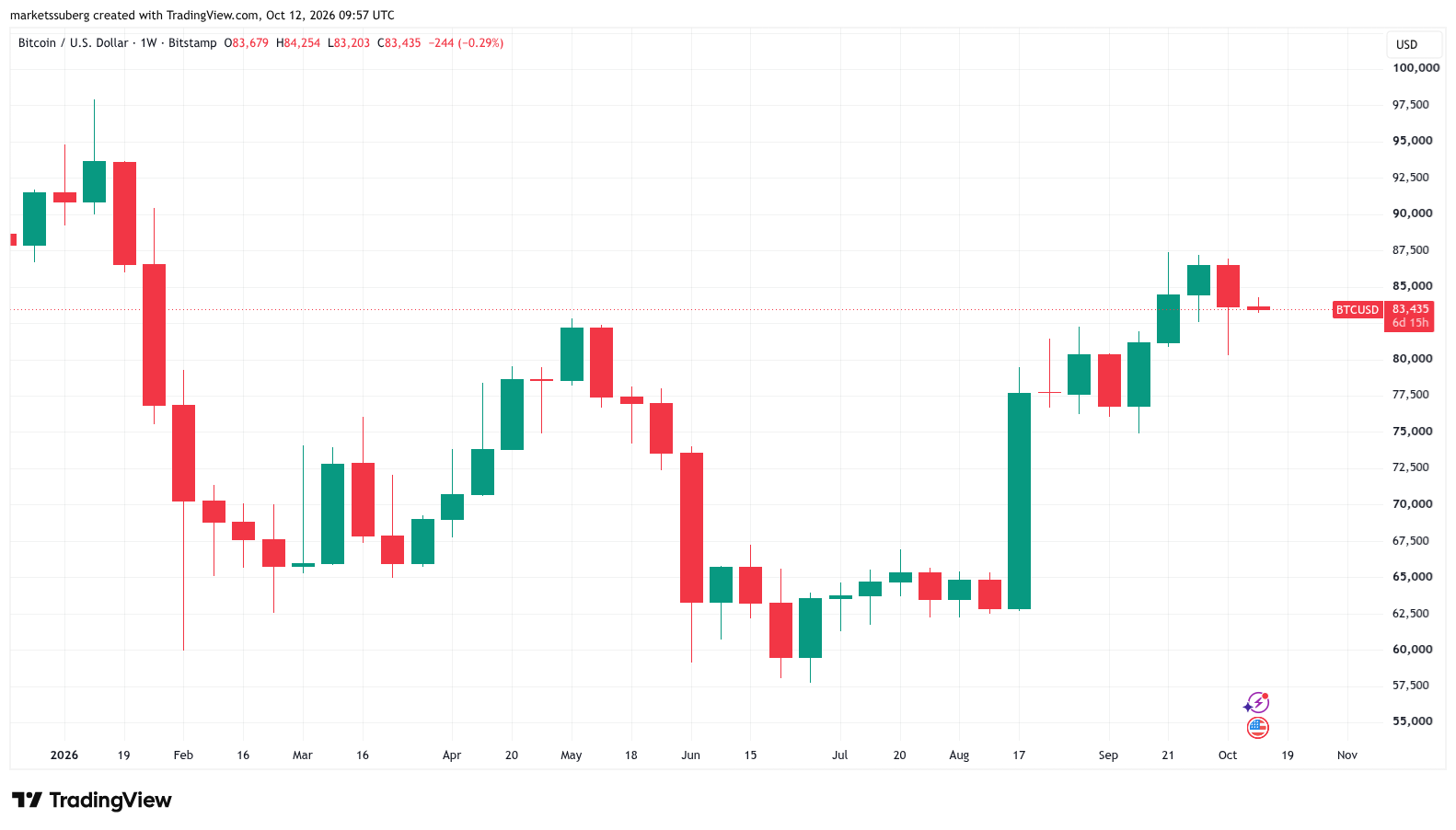
Maintaining this threshold ensures that Bitcoin avoids a structural breakdown that could have dragged prices back into the prolonged, lower-range consolidation channel between $60,000 and $80,000. Market analyst Rekt Capital highlighted the significance of the price action in a recent commentary, noting that a weekly close above $82,500 constitutes a successful support retest. According to the analyst, this technical validation could encourage investors to continue reaccumulating digital assets at prevailing levels, potentially paving the way for a resumption of the broader upward trend reminiscent of Bitcoin’s recovery phases following previous bear market cycles.
Drawing parallels between the cryptocurrency sector and traditional equities, analyst Aksel Kibar observed similar price mechanics playing out in the S&P 500. Since May, major stock market indices have undergone multiple retests of foundational support levels, initially pausing near the 7,300-point mark before consolidating around 7,600 points.
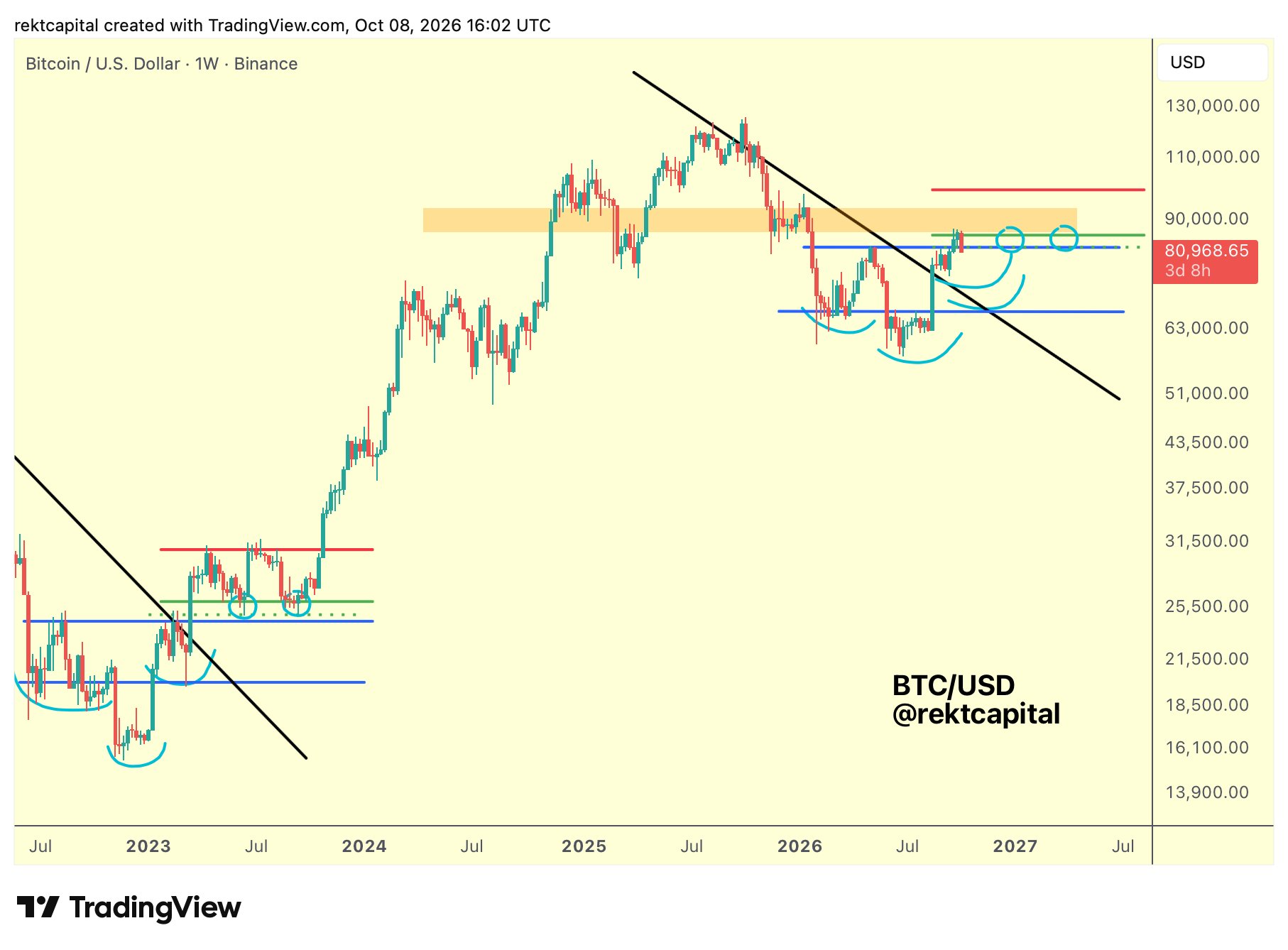
Kibar suggested that Bitcoin may be experiencing a comparable "hard retest" of structural support. Under this technical interpretation, the persistent success of these support retests implies that BTC/USD is well-positioned to resume its upward trajectory once the current period of macroeconomic digestion concludes.