The decentralized finance (DeFi) ecosystem is facing a profound philosophical and operational reckoning. As bad actors execute increasingly sophisticated multi-million-dollar exploits, decentralized protocols are increasingly stepping in to freeze stolen funds, drawing sharp contrasts with the slower, heavily constrained responses of centralized issuers. This evolving landscape is forcing the crypto community to re-examine the core tenets of decentralization, asking uncomfortable questions about who truly holds power over user assets when emergencies strike.
A recent high-profile intervention on the Arbitrum network saw attacker-linked assets successfully frozen in the wake of a major exploit. This proactive maneuver stood in stark contrast to the handling of similar incidents by centralized stablecoin issuers, such as Circle, which have faced intense public backlash from security researchers and community members for slower, more limited responses during major security breaches.
The tension highlights a growing divide over whether protocols that market themselves as decentralized should possess the technical capability to halt transactions and freeze funds during active exploits. While some projects maintain that immutability and resistance to interference are non-negotiable foundations of Web3, others argue that refusing to act in the face of catastrophic thefts is a form of negligence that prioritizes philosophical purity over user protection.
The Limits of Decentralization in DeFi
To put the current debate simply, the digital asset industry is deeply split on whether protocols claiming to be decentralized should ever wield the power to freeze funds. Proponents of absolute decentralization argue that introducing freeze functions fundamentally compromises the trustless nature of smart contracts. For instance, cross-chain liquidity network THORChain has long maintained that its architecture cannot freeze funds by design, even during active exploits. However, this claim has frequently been met with skepticism from security researchers who point to past instances where various forms of intervention or mitigation did take place.
Industry leaders find themselves at opposite ends of this ideological spectrum. Bernardo Bilotta, CEO of stablecoin infrastructure platform Stables, argues that the ability to freeze funds during an emergency is an absolute necessity, provided it operates within strict, transparent constraints. Bilotta contends that freeze capabilities need to be narrowly scoped, strictly time-limited, and governed by pre-established criteria that were agreed upon before any breach ever occurred. In his view, a protocol should never be forced to make up emergency rules while digital assets are actively being drained. Characterizing the choice of absolute philosophical purity over practical user protection as negligence, Bilotta encapsulates the pragmatic view growing among infrastructure builders.
This debate was thrust back into the global spotlight following the staggering $293 million Kelp DAO restaking platform exploit. The incident brought immediate scrutiny when Arbitrum successfully froze a portion of the stolen funds, which blockchain intelligence linked to suspected North Korean state-sponsored hackers. Because Arbitrum’s Ethereum layer-2 network relies on a 12-member security council capable of enacting emergency protocol changes through a nine-of-twelve multisig wallet, the intervention was swift. However, critics argued that such a centralized override mechanism cuts directly against the grain of true decentralization.
Connor Howe, CEO and co-founder of cross-chain infrastructure project Enso, points out that crypto protocols are ultimately not all that dissimilar from traditional financial institutions or commercial banks if a small, identifiable group of people retain the unilateral authority to freeze user funds. According to Howe, the practical differentiation between a DeFi emergency protocol controller and a traditional bank compliance officer is far less distinct than decentralized idealists care to admit.
Nevertheless, Howe emphasizes that radical transparency can still serve as a dividing line between Web3 platforms and traditional finance. Unlike legacy institutions that invoke discretionary powers buried deep within dense terms of service and guarded entirely by corporate legal teams, DeFi protocols should maintain absolute transparency regarding who holds administrative keys and what specific safeguards are in place to prevent those keyholders from going rogue. Without that explicit clarity, Howe warns, claims of decentralization are merely vague marketing talking points.
Centralized Issuers Face Different Constraints
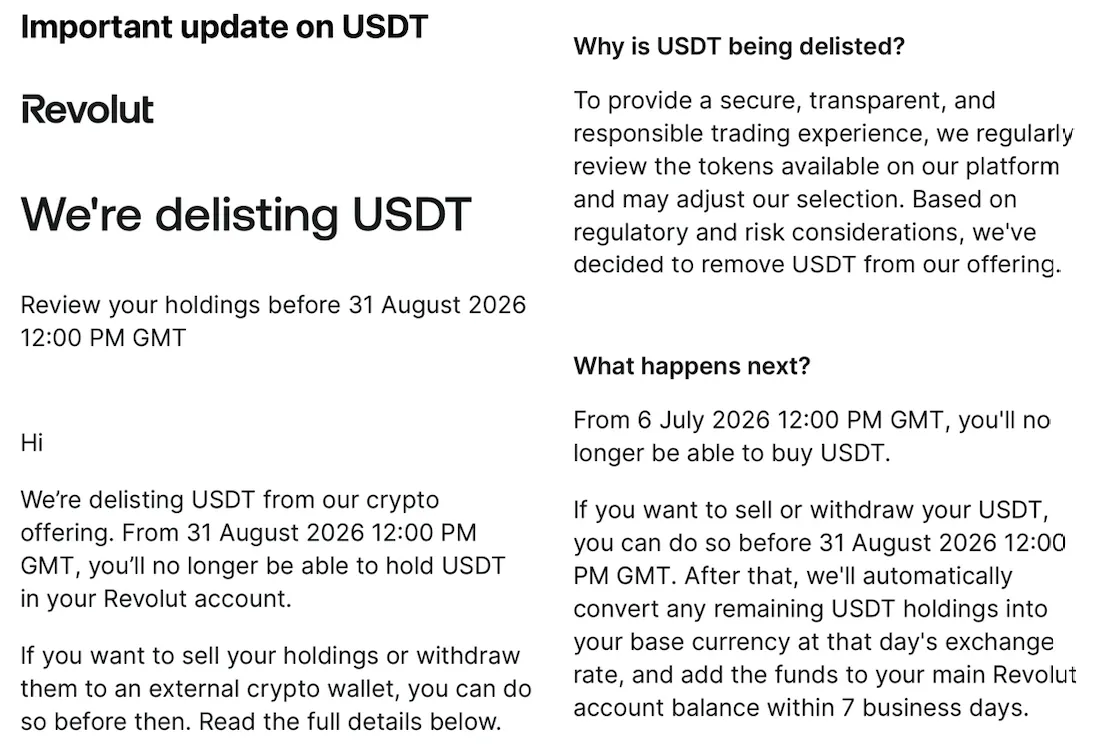
While DeFi protocols grapple with multisig security councils and governance votes, centralized stablecoin issuers operate under an entirely different set of legal and structural constraints. Centralized stablecoins represent some of the most heavily traded digital assets in the global cryptocurrency economy, with Tether’s USDt and Circle’s USDC accounting for a combined market capitalization exceeding $266 billion. Both of these dominant issuers possess the technical capability to blacklist addresses and freeze stablecoins, yet their operational approaches to exercising that power vary significantly.
Tether has historically moved with greater speed to freeze compromised funds during major security breaches and illicit fund movements. Circle, on the other hand, places a heavy emphasis on formal legal processes, established jurisdictions, and law enforcement coordination before taking action. This deliberate approach was heavily scrutinized by the cryptographic community following a massive $280 million exploit targeting the Solana-based Drift protocol, an attack similarly attributed to North Korean threat actors.
Addressing the public criticism head-on, Dante Disparte, Circle’s head of global policy, explained the company’s position in a detailed blog post. Disparte clarified that when Circle freezes USDC, it is never because the company has unilaterally or arbitrarily decided to confiscate someone’s assets. Instead, their ability to freeze funds functions strictly as a compliance obligation—one that is exercised exclusively when the company is legally compelled to do so by an appropriate regulatory or legal authority through proper lawful processes.
Despite these legal explanations, critics like Stables CEO Bernardo Bilotta argue that waiting for formal, slow-moving legal orders in situations where there is immediate, undeniable, and clear onchain evidence of an ongoing exploit represents a fundamental failure of institutional responsibility. As hacks grow larger and more destructive, the friction between regulatory compliance and instant onchain reaction times continues to widen.
Who Decides What Counts as Extreme
The increasing frequency of large-scale exploits—particularly those orchestrated by sophisticated, state-sponsored entities capable of laundering hundreds of millions of dollars in real time—has forced the digital asset industry into uncharted territory. These high-stakes scenarios naturally raise a fundamental, unresolved question: who ultimately gets to define what qualifies as an "extreme" emergency, and under what exact conditions is protocol intervention justified?
Wish Wu, CEO of institution-focused layer-1 network Pharos, suggests that this is the very question the cryptocurrency industry has avoided answering for the longest time. Wu notes that in current industry practice, the term "extreme" is too frequently defined retroactively after the fact by whoever happens to hold the administrative keys at the moment of the crisis. He argues that this reactive posture embodies precisely the systemic failure mode that the entire decentralization movement was created to avoid.
According to Wu, the only credible long-term path forward for the industry is to explicitly define emergency conditions in advance and encode those parameters directly into protocol governance, even if it requires accepting that certain edge cases will inevitably fall outside the established rules. He challenges the ecosystem with a straightforward litmus test for true decentralization: whether a small, identifiable group of individuals can step in and move user funds before those users are given a fair, unimpeded chance to exit the system.
If the answer to that question is affirmative, Wu concludes that regardless of what the marketing whitepaper claims, the system remains fundamentally custodial in substance. Only when the answer is definitively negative can the industry engage in an honest, transparent conversation regarding which governance frameworks and safety tradeoffs actually make sense for different decentralized use cases. Below that critical threshold, substantive decentralization dissolves entirely, leaving behind only the illusion of trustless finance.