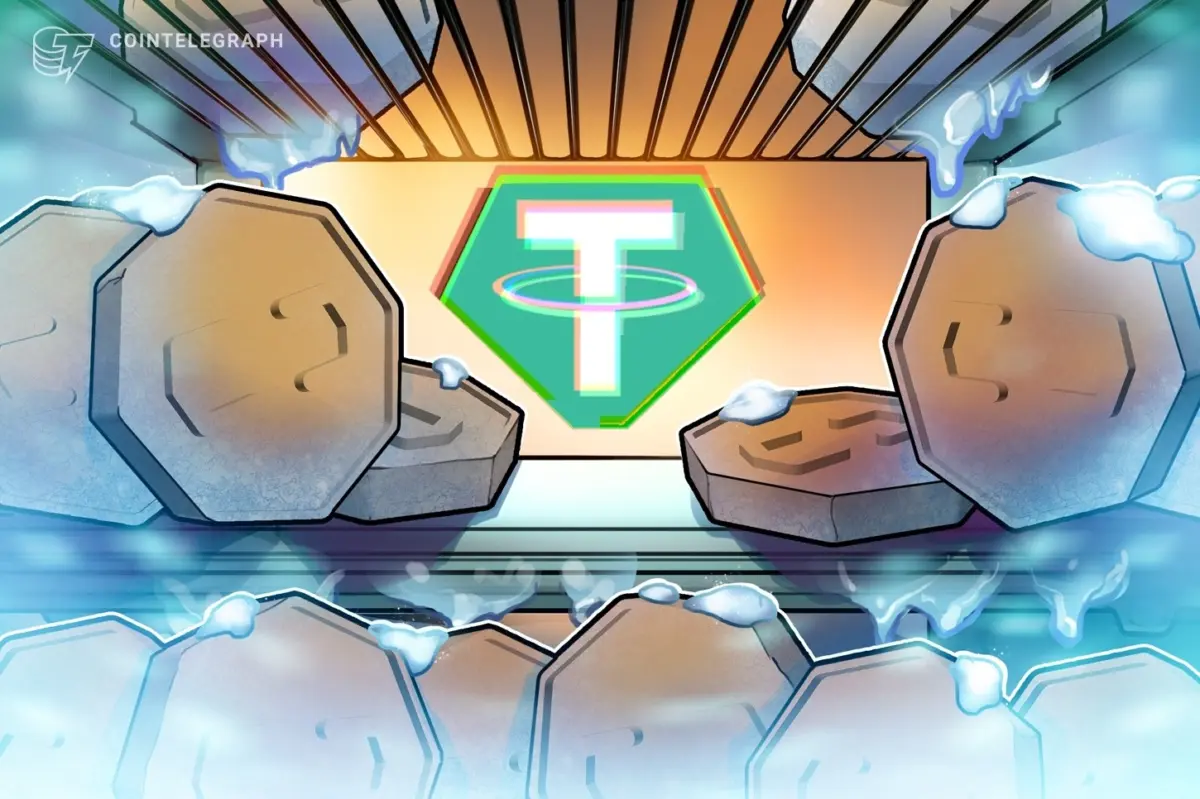
THORChain technical co-founder Chad Barraford has publicly accused major stablecoin issuer Tether of blacklisting the decentralized liquidity network’s USDt vaults without prior warning or explanation, only to reverse the decision and unfreeze the funds hours later.
The unexpected freeze temporarily disrupted trading operations across the cross-chain liquidity protocol and reignited ongoing industry debates regarding the centralization risks, transparency, and compliance mechanisms associated with fiat-backed stablecoins. The incident highlights the vulnerability decentralized finance (DeFi) protocols face when interacting with centralized asset issuers who retain the technical capability to freeze user and protocol funds at will.
Sudden Blacklisting Disrupts THORChain Vaults
The controversy unfolded when THORChain developers noticed that several of the network’s core USDt vaults had been added to Tether’s blacklist. According to updates shared by Barraford via social media platform X on Friday, the sudden enforcement action immobilized approximately 1.45 million USDt spread across four distinct network wallets.
The abrupt restriction caught the THORChain development team completely off guard. Because THORChain operates as an automated, cross-chain decentralized liquidity network, the blacklisting of its vaults directly impacted the protocol’s ability to facilitate seamless token swaps involving Tether’s USDt, one of the most heavily traded digital assets in the global cryptocurrency market.
Prior to the resolution of the issue, Barraford expressed frustration over the lack of communication from the stablecoin issuer. In a post published on X before the addresses were restored to operational status, Barraford stated that the network had received no prior notice or rationale for the freeze.
"We don’t know why this choice was made and have had no comms with USDT before this action and are actively reaching out to have a conversation," Barraford wrote. He added that the development team was operating under the assumption that the measure might have stemmed from an operational error or a misunderstanding regarding the protocol’s infrastructure.
Resolution and Resumed Trading
The uncertainty surrounding the frozen vaults persisted for approximately two hours. During this brief window, THORChain contributors and community members scrambled to assess the scope of the impact and establish communication channels with Tether’s compliance and technical teams.
However, the situation was swiftly defused when Tether lifted the restrictions on the affected wallet addresses. Barraford returned to X shortly after the unfreezing action to confirm that all four wallets had been restored to good standing, allowing normal trading operations and liquidity flows to resume across the network without any permanent loss of funds for the protocol or its users.
Despite the prompt resolution, the incident left many in the decentralized finance community questioning the criteria and protocols that stablecoin issuers use when executing wallet blacklists. Representatives from Cointelegraph reached out to both Tether and THORChain seeking further details and official commentary regarding the sequence of events, but did not receive an immediate response from either party.
Growing Regulatory and Legal Scrutiny Facing Tether
The brief blacklisting of THORChain’s vaults arrives amid a broader wave of legal challenges, regulatory scrutiny, and public controversies involving Tether and its freezing mechanism. Because fiat-backed stablecoin issuers maintain centralized control over their smart contracts, they frequently utilize freeze functions to comply with law enforcement requests, freeze funds linked to illicit activities, or mitigate security threats. However, the application of these tools has increasingly drawn legal pushback from users and corporate entities challenging the validity of such freezes.

Earlier in the week, cross-border payments platform Conduit Technology filed a formal lawsuit against Tether in connection with frozen assets. According to court filings, Conduit alleged that the stablecoin issuer froze $2.76 million worth of USDt in a wallet that was tied to an ongoing investigation originally launched by Brazilian authorities in 2024. The lawsuit underscores the complex jurisdictional and procedural hurdles that arise when centralized token issuers intervene in transactions involving international fintech platforms.
In a separate legal development in August, two Thai nationals initiated legal action against Tether over a frozen funds dispute. The plaintiffs alleged that the stablecoin issuer froze $42.4 million in USDt following what they described as an "informal request" originating from United States Homeland Security Investigations in connection with an alleged pig-butchering investment scam. These recurring legal battles highlight the mounting tension between traditional law enforcement demands for rapid asset immobilization and the expectations of transparency and due process demanded by digital asset holders and platform operators.
Additionally, Tether’s operational ties and banking relationships continue to attract attention from political figures. Lawmakers in the United States, including Senate Democrats, have directed inquiries toward major financial institutions such as Cantor Fitzgerald, questioning the firm’s extensive business ties and reserve management arrangements with the stablecoin issuer. As regulatory oversight tightens globally across the digital asset ecosystem, incidents like the temporary freezing of THORChain’s vaults serve to underscore the ongoing friction points between centralized compliance tools and decentralized financial infrastructure.