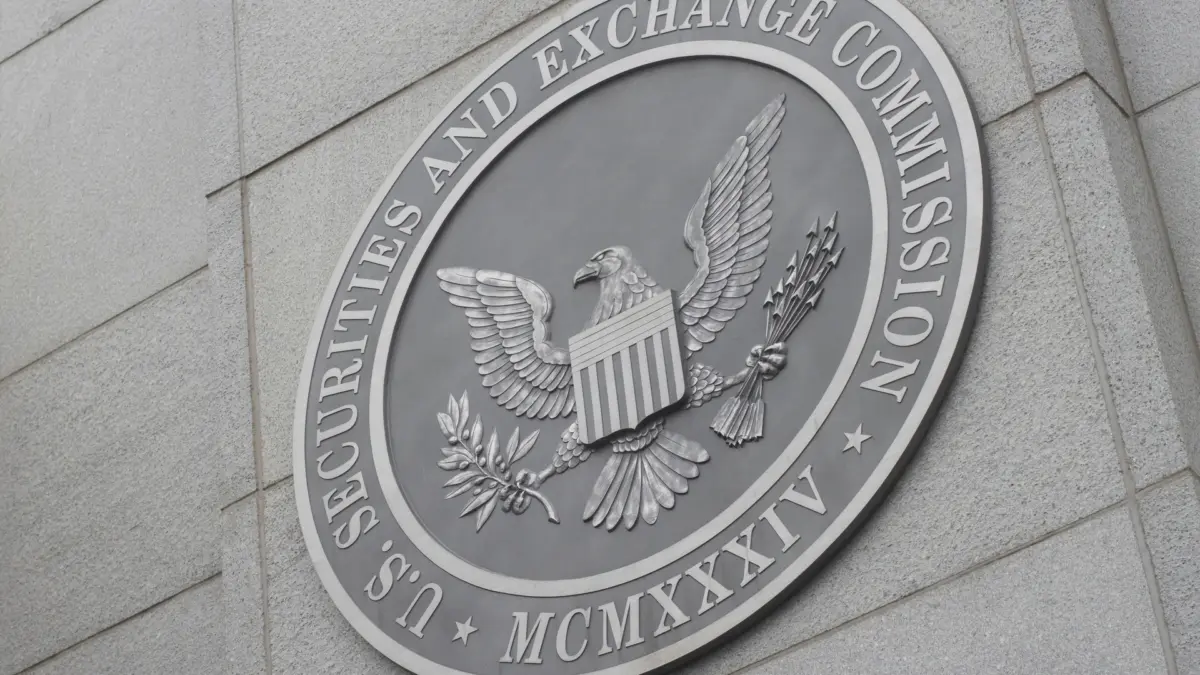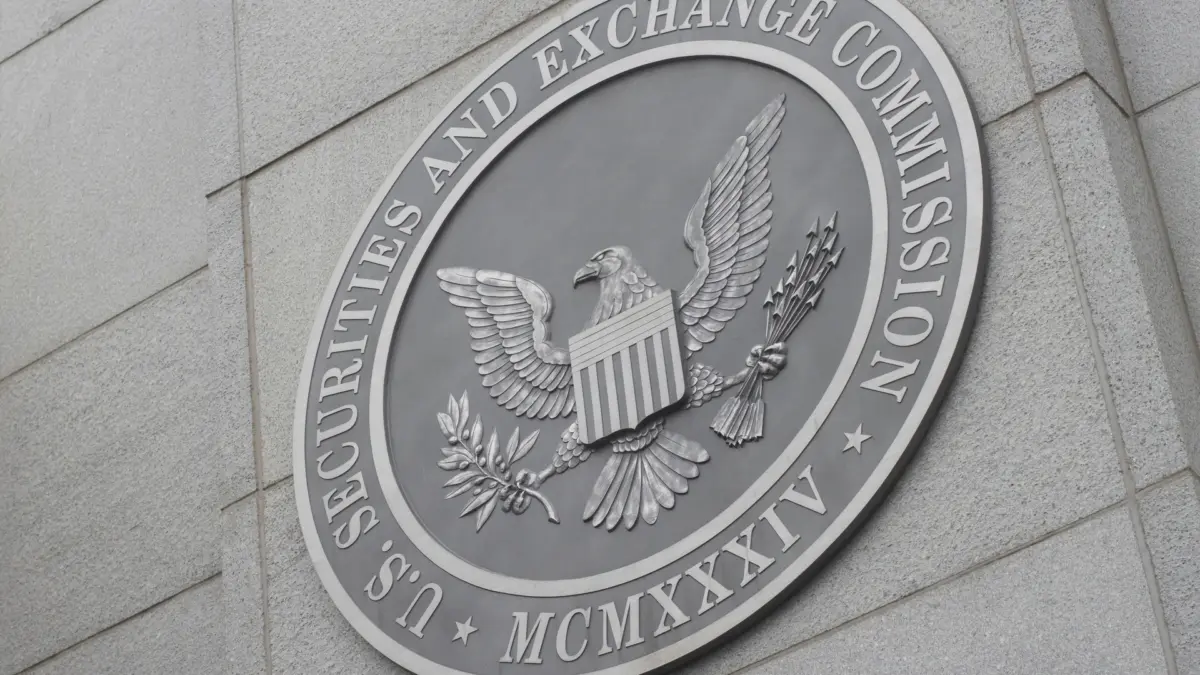
Three prominent companies have officially notified the U.S. Securities and Exchange Commission of their intentions to operate dedicated tokenized securities trading venues following the introduction of a new regulatory framework, according to the nation’s top financial watchdog.
Tokenized Stock Venue, Perpetuals.com, and OKX have all submitted comprehensive plans to the regulator to establish platforms allowing the round-the-clock trading of tokenized equities, the SEC announced on Wednesday. Alongside the Intercontinental Exchange, major cryptocurrency exchange OKX was among the very first to file paperwork with the regulator to debut a new tokenized securities trading venue operating under the banner of OKXICE.
The filings arrive on the heels of a significant policy shift enacted by the SEC in September, when the agency announced it would offer a transitional five-year regulatory exemption specifically tailored for platforms seeking to facilitate the trading of tokenized stocks. This proactive stance by financial regulators underscores a broader movement to accommodate and integrate digital asset technology into mainstream market infrastructure, even as broader legislative efforts face friction in Washington. The SEC’s move to push ahead with tailored frameworks for tokenization comes at a time when major digital asset legislation—such as the Clarity Act—suffered setbacks after being blocked in the Senate in September.
Tokenized stocks represent the latest frontier in the ongoing effort by financial technology firms and digital asset companies to utilize blockchain technology—the underlying architecture of Bitcoin—to upgrade, streamline, and modernize traditional finance. By translating traditional equities into digital tokens on a blockchain, proponents argue that traders can benefit from unprecedented operational efficiency, including the ability to execute trades around the clock, 365 days a year, unhindered by the traditional opening and closing bells of legacy stock exchanges.
Despite accepting the notifications and reviewing the operational blueprints submitted by Tokenized Stock Venue, Perpetuals.com, and OKX, the SEC issued a cautionary note on Wednesday. The agency emphasized that the mere inclusion of these firms on the notification list does not automatically imply that they fully satisfy all technical, legal, and operational requirements mandated by the new rule. Regulatory oversight remains stringent as officials evaluate how these emerging platforms will handle investor protection, market surveillance, clearing, and settlement.
The current climate at Wall Street’s primary regulator marks a dramatic departure from past operational philosophies, reflecting a distinctly pro-crypto posture under the administration of U.S. President Donald Trump. SEC Chair Paul Atkins has repeatedly articulated a vision to comprehensively update how the agency monitors and regulates securities, emphasizing the necessity to modernize regulatory oversight for the age of blockchain technology and crypto assets. Atkins has stated publicly that the regulatory body aims to steer the United States onto a firm trajectory to become recognized as the global capital for cryptocurrency and digital innovation.
This welcoming regulatory environment stands in stark contrast to the approach maintained under the previous Democratic administration of President Joe Biden. During that period, the SEC adopted a visibly hostile stance toward the broader cryptocurrency industry, initiating high-profile enforcement actions and lawsuits against several of the sector’s most prominent domestic companies, including major exchanges like Coinbase and Kraken. That era drew widespread criticism from industry participants and legal scholars alike for relying heavily on what critics termed "regulation by enforcement" rather than providing clear, constructive regulatory pathways.
The political landscape transformed significantly following the election of President Trump, who campaigned heavily on a platform of regulatory relief and support for the domestic crypto sector. Since taking office, the administration has moved deliberately to fulfill those campaign commitments, signing a series of executive orders and working alongside lawmakers to advance policies designed to foster a secure yet nurturing environment for digital asset innovation.
While tokenized equities represent an emerging frontier for retail and institutional trading platforms, the broader traditional finance sector is no stranger to blockchain-based asset representation. For years, established Wall Street titans such as BlackRock and Franklin Templeton have utilized blockchain rails to issue and manage tokenized money market funds, proving the operational viability and security of distributed ledger technology for institutional-grade financial products.
The momentum behind continuous, blockchain-enabled trading extends beyond individual stock tokens and money market funds into the realm of complex derivatives. In January, the S&P 500 gave formal approval to crypto platform Trade[XYZ] to debut an innovative derivative contract hosted on the decentralized exchange Hyperliquid. That product granted market participants the ability to trade the major stock index on a continuous, round-the-clock basis, further bridging the gap between traditional benchmark assets and decentralized financial infrastructure. As the SEC continues to process filings and evaluate the incoming wave of tokenized securities venues, market observers anticipate that these developments will accelerate the convergence of traditional capital markets and blockchain innovation.