While the legislative wheels of government often grind at a slow pace, grassroots adoption of digital currency is moving forward at the speed of the internet. Following the passage of the Strategic Arizona Bitcoin Reserve legislation in 2025, state-level treasury implementation remains stalled as officials have yet to acquire actual coins for the public balance sheet. Yet, waiting for top-down government integration misses the point of decentralized finance. For a growing network of merchants and consumers across the state, the real utility of Bitcoin is not being decided in legislative halls, but at local cash registers.
The central question facing everyday consumers remains simple: Can a normal person walk into an ordinary neighborhood shop, buy everyday goods, and pay smoothly with bitcoin? To find out how friction-free the experience really is in practice, a recent real-world test was conducted in Scottsdale, enlisting local residents who had never previously used bitcoin for commercial transactions in their daily lives.
Armed with a recommended Lightning Network mobile wallet, a small initial allocation of satoshis sent instantly across the internet, and the collaborative directory of BTC Map, the participants set out to discover how modern peer-to-peer payments hold up under retail conditions. According to the testers, the process of downloading the wallet application, receiving funds, and executing mobile transactions felt entirely natural—resembling the intuitive digital money experiences consumers have come to expect from modern financial technology.
First Stop: Pita Cafe
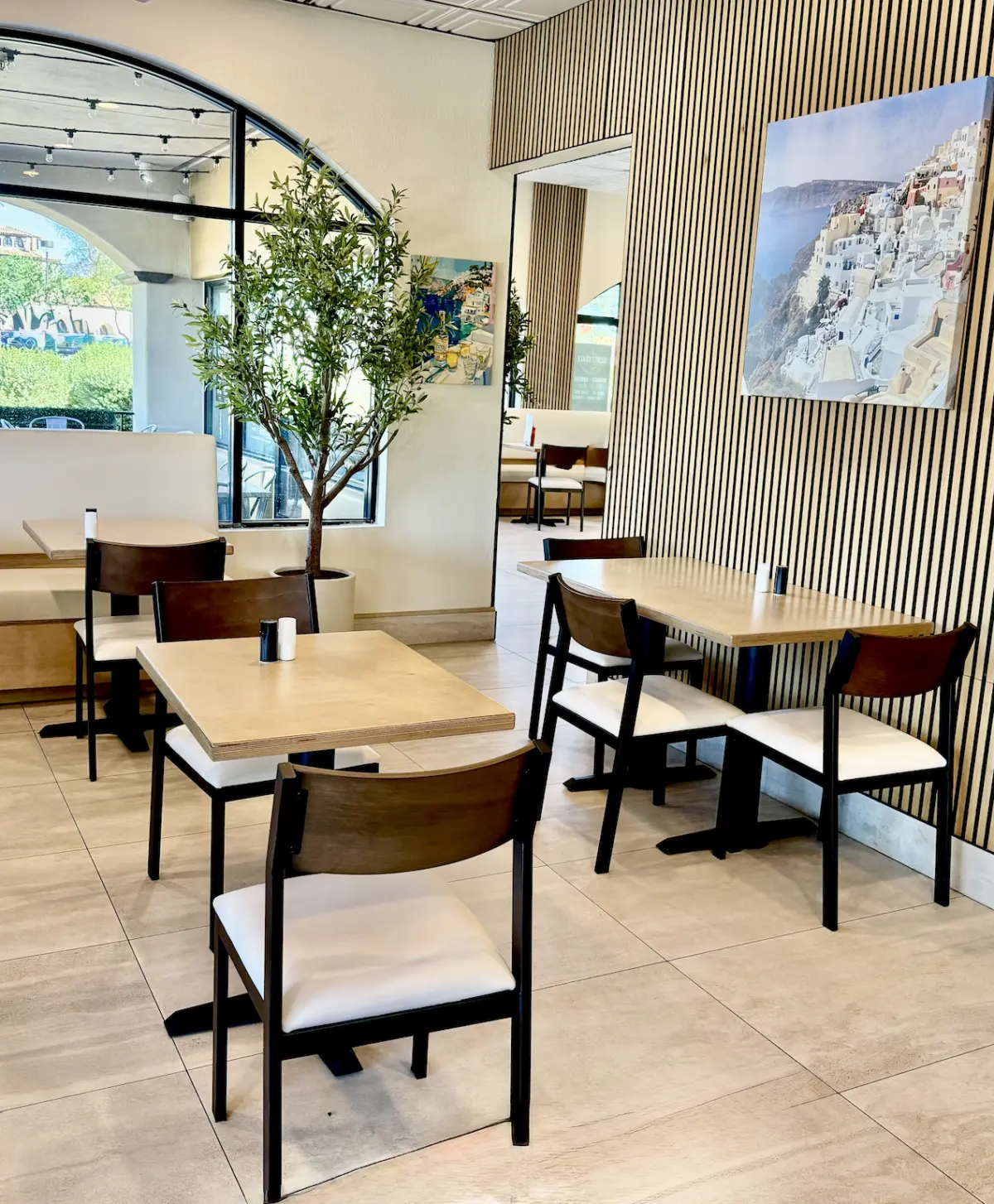
The first stop on the Scottsdale itinerary brought the testers to Pita Cafe, a popular Mediterranean eatery located at 23535 N Scottsdale Road, sharing a roof with the Scottsdale Burger Bar. Both adjacent businesses accept bitcoin payments, reflecting a growing trend of brick-and-mortar storefronts opening up to alternative payment rails. Arriving during the bustling lunchtime rush, the testers found the establishment packed to capacity, yet the service remained notably swift with ample seating available for dine-in customers.
When it came time to settle the bill for a selection of fresh-to-order Mediterranean specialties—including local favorites like the spanakopita and gyro pita—an interesting real-world hurdle emerged at the point of sale. The cashier on duty was initially uncertain whether the establishment supported bitcoin transactions. However, a quick inspection of the payment setup revealed that the venue’s integrated Square payment terminal was already fully configured to accept the digital currency.
The transaction executed seamlessly and processed with impressive speed. Marking the cashier’s very first encounter with a customer paying via bitcoin, the moment sparked genuine enthusiasm behind the counter. Looking closely at the final payment prompt on the display screen, the cashier expressed mild astonishment upon seeing that the transaction total had registered numerically as "22,000 bitcoin" in satoshi denominations, adding a memorable touch of humor to an otherwise routine lunch outing. The testers walked out of the establishment with a lighthearted sense of royal treatment, having successfully navigated a peer-to-peer transaction over lunch.
Next Up: Echo Coffee
Moving from midday dining to afternoon refreshments, the participants made their next stop at Echo Coffee, situated at 2902 N 68th Street in Scottsdale. Unlike the bustling lunch rush at the previous stop, the encounter at the neighborhood coffee shop required zero guesswork from the staff.
The cashier immediately recognized the request to pay in bitcoin, smoothly adjusted the register terminal, and prompted the customer to scan the dynamic QR code displayed on the screen. The staff member noted that she finds it genuinely exciting every time a customer inquires about paying with bitcoin, reflecting a supportive internal culture toward alternative currency options. Beyond its openness to digital assets, Echo Coffee maintains a community-focused business model, donating one percent of its retail purchases to the local humane society, a mission proudly highlighted by the playful puppy portraits featured on their coffee packaging.
Why This Matters
These practical field tests underscore a broader cultural and economic shift taking place across local communities. While a substantial portion of digital asset holders treat bitcoin primarily as a long-term portfolio investment or a store of value, the actual act of spending satoshis for tangible, everyday items illuminates the foundational purpose of the broader monetary movement.
Moving currency from cold storage into the real economy demonstrates the viability of sound money as a medium of exchange. As the infrastructure for peer-to-peer commerce continues to mature, everyday consumer interactions at local cafes and neighborhood restaurants help bridge the gap between abstract digital assets and practical, community-level adoption.
For businesses across Arizona looking to join the growing commercial ecosystem, a comprehensive and expanding directory currently catalogs over 219 verified merchants throughout the state that accept bitcoin payments. Merchants interested in adding their storefronts to the active registry, or community members looking to share local adoption stories from new cities in upcoming coverage, can reach out directly via the designated regional contact channels.