The rapid evolution of computing technology has long presented a dual-edged sword for the digital age, bringing unprecedented processing capabilities while simultaneously threatening the cryptographic frameworks that secure modern data and financial systems. Among the most pressing concerns within the cryptocurrency sector is the advent of quantum computing—a technology that, while still maturing, poses a theoretical existential threat to the cryptographic foundations of the world’s largest digital asset, Bitcoin.
Addressing this looming vulnerability, major Nasdaq-listed crypto exchange Coinbase has issued a comprehensive call to action, arguing that the Bitcoin network must begin preparing for a post-quantum future immediately. Coinbase, which currently safeguards approximately 5% of all circulating bitcoin on behalf of a diverse clientele that includes institutional banks, major asset managers, and prominent hedge funds, outlined its strategic vision in a detailed blog post. The exchange emphasized that safeguarding the decentralized network against a potential future quantum threat requires proactive planning, structural flexibility, and a clear demarcation between immediate technical upgrades and separate policy debates regarding dormant or lost coins.
To understand the gravity of the warning, industry analysts note that the core security mechanism protecting digital assets relies on cryptographic lock-and-key principles. In the architecture of a bitcoin wallet, the public key functions much like a visible mailbox slot where anyone can deposit funds, while the private key acts as the exclusive physical key retained solely by the owner to unlock and authorize outgoing transactions. When a user initiates a transfer, their wallet leverages the private key to generate a cryptographic digital signature, a tamper-proof stamp that the decentralized network verifies against the corresponding public key.
Currently, the Bitcoin blockchain relies primarily on cryptographic methods known as ECDSA and Schnorr to generate and verify these digital signatures. These algorithms are exceptionally robust under prevailing technological standards because classical computers lack the immense processing power required to reverse-engineer a user’s private key from its public key or a digital signature. However, the horizon of computing is shifting dramatically. Researchers from entities like Google have projected that a sufficiently advanced quantum machine—specifically a cryptographically relevant quantum computer, or CRQC—could theoretically materialize within the decade. A machine of this caliber would possess the computational capacity to break the underlying mathematics of current cryptographic signatures, potentially allowing malicious actors to reverse-engineer private keys and drain vulnerable bitcoin wallets.
To neutralize this risk, the cryptographic community has proposed transitioning to post-quantum cryptography, which involves implementing new signature schemes capable of withstanding quantum-based attacks. According to Coinbase, however, simply selecting an alternative security algorithm is insufficient. A comprehensive upgrade to shield Bitcoin from quantum threats must satisfy a complex set of requirements: it must secure both legacy and newly minted funds, integrate smoothly within Bitcoin’s restricted block data space, and allow conventional computers to continue validating the network seamlessly. Furthermore, any viable solution must cater effectively to both large-scale institutional platforms and individual retail users, all while establishing a coherent management strategy for older, inactive coins that may never be actively migrated.
The urgency expressed by Coinbase stems largely from the inherent nature of Bitcoin’s decentralized governance. While decentralization is widely celebrated as one of the network’s greatest strengths, shielding it from single points of failure and censorship, it simultaneously complicates the execution of major protocol upgrades. Achieving global consensus and orchestrating ecosystem-wide migrations across a globally distributed network of independent nodes can take years of rigorous debate, development, and testing. Consequently, the exchange argues that preparatory engineering must commence well in advance of any official verification or public announcement of a functioning CRQC. Bitcoin developers have already begun evaluating various proposals aimed at quantum-proofing the blockchain, but aligning the broader community behind a unified path forward remains a formidable challenge.

To facilitate this transition without destabilizing the network, Coinbase has put forward several specific architectural and operational measures. First, the exchange advocates for separating the transaction container from the underlying signature mechanism. By redesigning Bitcoin’s transaction format to support new post-quantum signature types natively, the network could accommodate future cryptographic updates without requiring wholesale structural overhauls. This modular flexibility would make it easier to add, replace, or combine quantum-resistant signatures over time. Coinbase notes that existing proposals such as P2MR (BIP-360) and P2TRv2 appear promising in delivering this necessary level of adaptability.
Second, Coinbase supports a staged protection approach that would allow active wallets to begin utilizing quantum-resistant or hybrid signatures before the network officially finalizes rules deprecating older signature formats. A potential transition model could involve a setup where a single bitcoin can be spent using either a traditional ECDSA or Schnorr key, or alternatively, a post-quantum key. This dual-path methodology would empower users to secure their holdings ahead of time without forcing an immediate, disruptive migration across the entire ecosystem or creating systemic risks of accidental asset loss.
Third, the exchange addresses the complex technical considerations surrounding the "state" of certain post-quantum signature schemes. While some advanced post-quantum algorithms require wallets to track state data—such as maintaining an accurate ledger of which one-time signing keys have already been used—this requirement introduces operational hazards. If a user restores a wallet from an outdated backup or fails to record transaction history correctly, they might inadvertently reuse a private key, providing an attacker with an opening to forge a valid signature. To mitigate these risks, Coinbase suggests that if Bitcoin supports stateful post-quantum signatures, it should simultaneously accommodate stateless alternatives that eliminate the need for intricate user-side record-keeping, thereby offering developers and users a safer alternative.
In addition to these structural adjustments, Coinbase emphasizes the importance of robust software implementations that function reliably across diverse hardware platforms, verify signatures consistently, protect against timing side-channel attacks, and maintain security even if internal random-number generators falter during signing operations. Furthermore, for institutional custodians and large-scale market participants, post-quantum cryptography must seamlessly integrate with multi-party computation systems. Effective MPC frameworks help secure private keys by distributing cryptographic operations across multiple independent parties, offering an essential layer of institutional security that prevents reliance on a single vulnerable device or individual.
Finally, the exchange highlights the necessity of formulating a clear pathway for wallets that undergo late migration. If the Bitcoin network eventually restricts or entirely phases out traditional ECDSA and Schnorr spending methods, a segment of the user base may fail to update their holdings in time. Coinbase suggests that the community should evaluate whether and how these tardy participants might be permitted to transition their funds to quantum-safe outputs at a later stage, provided the associated trade-offs can be carefully managed. Crucially, the exchange advises that this specific policy discussion should be conducted separately from the core technical implementation of post-quantum signature support so as not to stall vital cryptographic defenses.
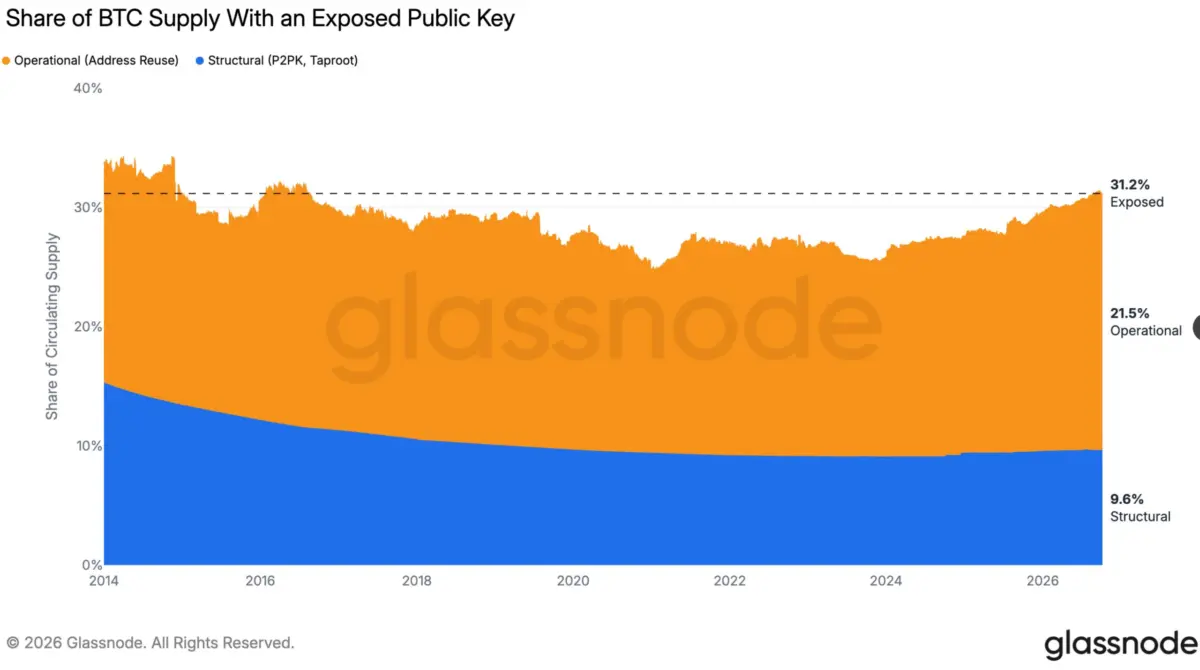
This conversation naturally intersects with the broader, contentious topic of forgotten or lost coins. A significant portion of the circulating supply rests in dormant wallets belonging to early adopters, deceased individuals, or keys that have been permanently misplaced. Furthermore, substantial amounts of bitcoin remain in older address formats that leave public keys visibly exposed on the blockchain. Coinbase has expressed concern that a malicious actor might covertly develop a quantum computing capability and quietly siphon funds from these dormant repositories before the broader public becomes aware of the breach. While the exchange has refrained from taking a definitive stance on how the network should handle these abandoned assets, it maintains that the debate must be addressed independently of active user upgrades to avoid delaying essential security enhancements. Moreover, any proposed mechanism designed to rescue or secure dormant coins must itself be strictly quantum-resistant, ensuring that bad actors cannot exploit the recovery process to compromise the wider blockchain.