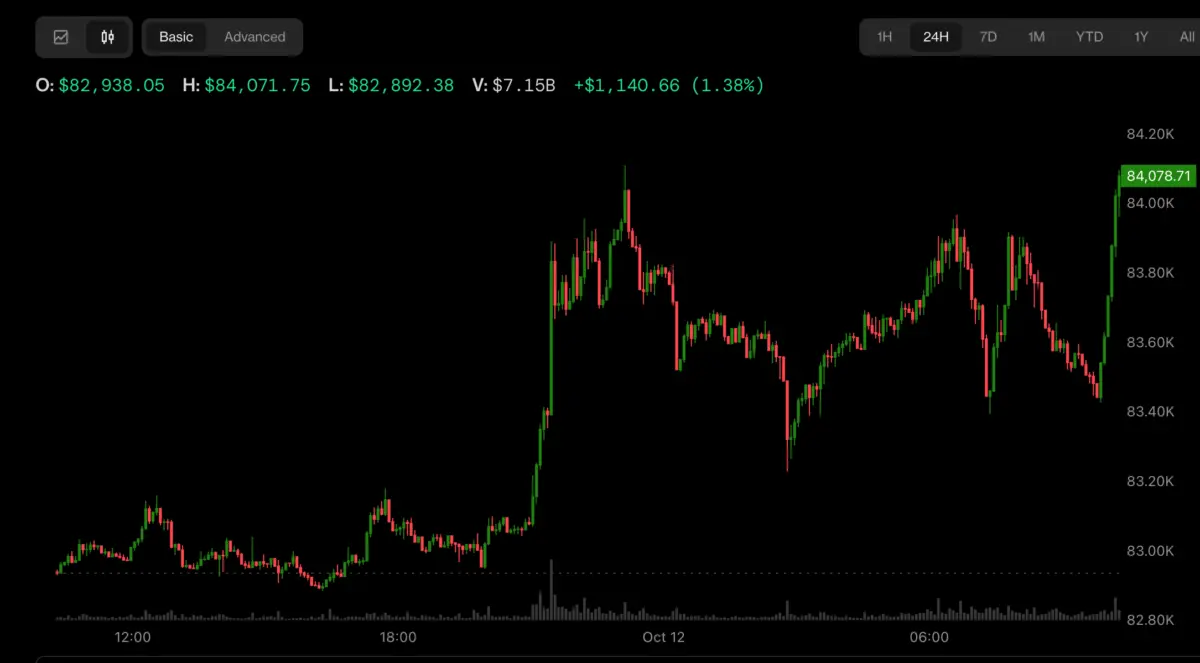
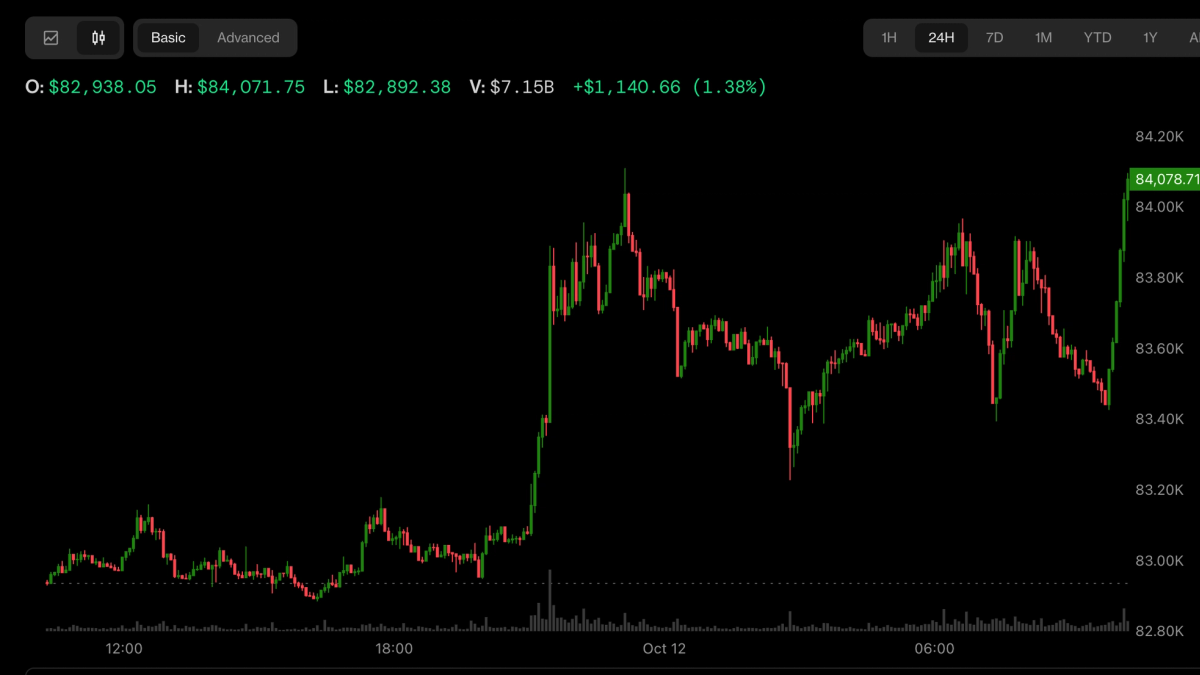
As of early Monday, the leading cryptocurrency by market capitalization was changing hands near $84,050, according to data from CoinDesk, recovering slightly after dipping to around $83,500 earlier in the session. This resilience places the asset right near its recent Sunday high of approximately $84,145. At the same time, broader strength has begun to spill over into other major digital assets. Cryptocurrencies such as ether and XRP found steady bids, while market indicators pointed toward a growing diversification of investor interest moving beyond the two largest digital assets into alternative altcoin networks.
This recovery reflects a broader market breadth across major virtual digital assets. According to Purvang Mashru, lead analyst at BitDelta India, nine out of the top ten digital assets advanced over a 24-hour period. Avalanche led the charge with a 5.1% jump to reach $10.91, while Chainlink climbed 2.4% to $13.35. Meanwhile, Solana recorded a 1.2% gain, and other prominent tokens including BNB, XRP, Dogecoin, and Cardano also posted positive momentum to start the week.
This positive sentiment in digital assets unfolded alongside a soft start for traditional energy markets. West Texas Intermediate (WTI) crude oil futures began the week on a downward trajectory, falling 1.8% to $90.28 per barrel. This decline served to reverse a sharp price spike seen on Thursday, which had injected a considerable dose of fresh geopolitical and economic uncertainty into global financial markets.
The downward pressure on fuel prices follows a significant policy announcement made late last week by President Donald Trump. On Friday, the administration revealed that it had successfully reached an agreement for Russia to supply 300,000 metric tons of diesel fuel to both international and domestic markets. This commercial arrangement represents a notable, partial easing of long-standing United States economic sanctions on Russian petroleum imports, designed to cool domestic energy costs and stabilize global supply chains.
Alongside the diesel supply agreement, President Trump also asserted that representatives from Russia and Ukraine had agreed to an immediate "energy ceasefire" intended to halt destructive infrastructure strikes on power grids and energy facilities. However, the diplomatic landscape surrounding this claim remains complicated. Ukrainian officials promptly stated that they had not been consulted regarding any such pact, and subsequent reports confirmed that Russian military strikes targeting Ukraine’s energy infrastructure have continued unabated, leaving market participants to weigh conflicting signals from the region.
Despite the relative calm in crypto prices and the relief in oil markets, underlying caution persists among cryptocurrency analysts, largely driven by turbulence within the institutional investment vehicle sector. Last week saw a severe contraction in capital allocation toward United States-listed spot bitcoin exchange-traded funds. According to data compiled by SoSoValue, these specialized investment funds registered a combined net outflow of $681 million for the week, marking the most significant weekly withdrawal since June. The vast majority of these redemptions were concentrated during the middle of the week, specifically on Wednesday and Thursday.
Market observers have emphasized that these capital movements underline a lingering fragility in institutional conviction. Vikram Subburaj, CEO of the India-based Giottus Exchange, noted that ETF flows continue to exhibit sharp volatility. He pointed out that the heavy capital exits recorded on October 7 and October 8 served as a clear signal of cautious and defensive sentiment among institutional allocators who are currently navigating a complex macroeconomic landscape.
Echoing these concerns, Purvang Mashru also acknowledged the heavy ETF outflows while placing them within the broader context of a demanding global macroeconomic environment. Mashru highlighted that traditional financial markets have faced persistent headwinds, pointing out that United States Treasury yields surged to 24-year highs during the week ending October 9. High yields on government debt traditionally compete with risk-on assets like cryptocurrencies for institutional capital, adding another layer of pressure to digital asset valuations.
Looking ahead, market participants across the board are keeping a close watch on critical technical levels and upcoming macroeconomic catalysts. Both Subburaj and Mashru identified the $82,000 price mark as a vital level of technical support. They stressed that digital asset bulls must actively defend this threshold in order to prevent any deeper market corrections or prolonged downward momentum. Furthermore, traders and investors are turning their attention toward the United States consumer inflation data scheduled for release on October 14, which is widely expected to serve as the next major macro catalyst dictating the near-term direction of both traditional and digital financial markets.