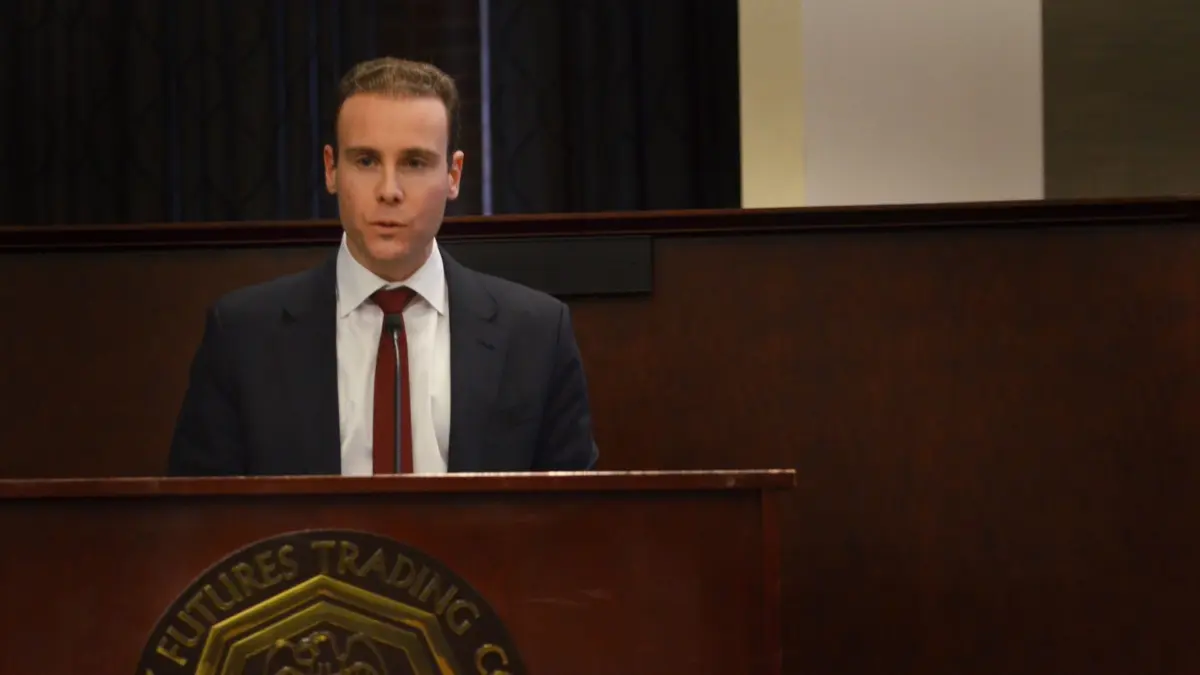
The U.S. Commodity Futures Trading Commission (CFTC) is making its pursuit of exclusive prediction markets authority a formal regulatory effort, putting a new definition in place and proposing additional changes that collectively seek to secure the legal footing of event contracts as "swaps." Under federal law, a swap is a transaction under the direct authority of the CFTC and safely outside the reach of state gambling regulators.
The regulatory agency is attempting to clearly define the kinds of sports wagering that do not fall under the definition of swaps—which are contractual exchanges between parties that belong squarely in the agency’s federal jurisdiction—while simultaneously maintaining that event contracts still fit the statutory definition of swaps and therefore belong under CFTC oversight.
According to an interim final rule issued by the agency, traditional casino-style gambling will be held outside that swap definition. Meanwhile, event contracts belong well within that swaps definition, the CFTC proposed in a related rule released alongside the interim measure.
The "interim final" status of the first rule means it becomes immediate federal policy while still remaining open for public input as it is implemented. The second rule proposal explicitly folds "event contracts, including those based on sports, politics, cultural, and weather-related events" that are routinely traded on prediction market platforms such as Kalshi and Polymarket into the existing U.S. regulatory framework for swaps. However, that specific rule effort remains in the proposal stage, accompanied by a relatively brief 30-day comment period for interested stakeholders.
So far, many states and former federal government officials who originally helped craft these financial and regulatory laws have strongly objected to the CFTC’s expansive interpretation. These opposing parties have already submitted their views to the U.S. Supreme Court, which has been formally asked to resolve the ongoing jurisdictional dispute.
Even if the CFTC is ultimately called to make its case before the highest court in the nation, the agency will now be able to demonstrate that it has already begun aggressively implementing the regulatory vision championed by Chairman Mike Selig regarding prediction markets and event-based financial products.
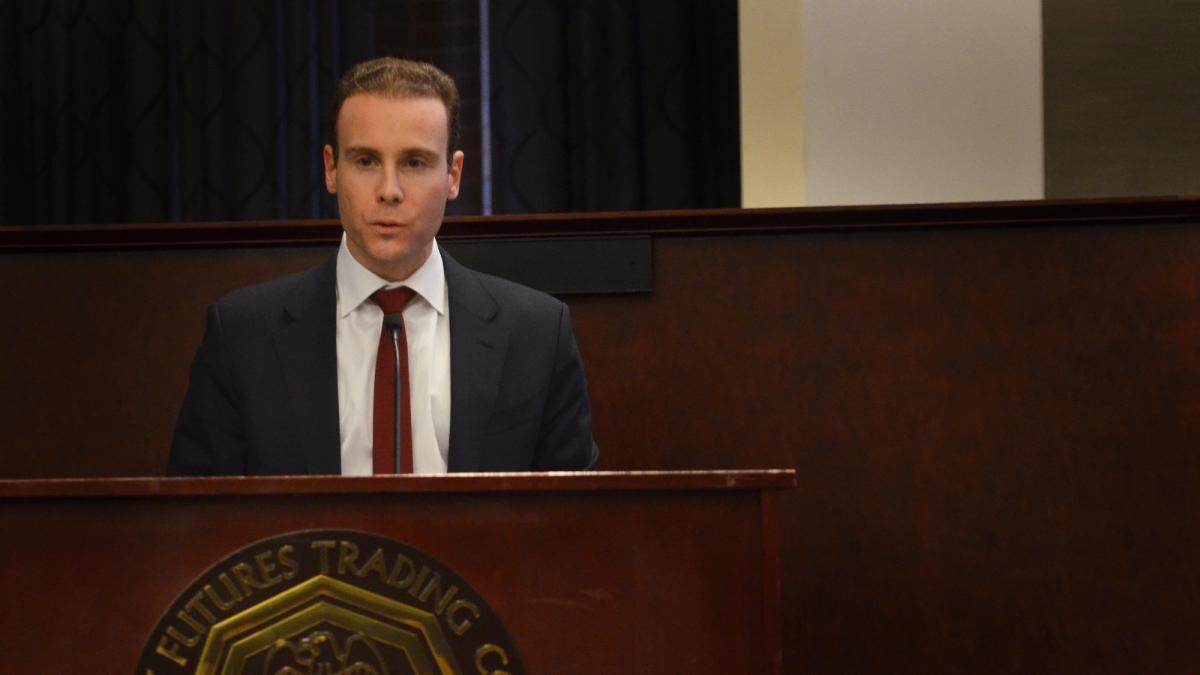
Several state governments have been embroiled in high-stakes lawsuits with the federal derivatives regulator, insisting that local authorities retain jurisdiction over the types of sports betting occurring on these online platforms. Numerous states have accused these prediction market operators of running illegal, unlicensed gambling operations within their borders. In recent months, court decisions have moved in both directions, including one federal appellate decision that opposed the states’ positions and two separate federal appellate rulings that supported them.
Jaret Seiberg, a policy analyst at TD Cowen, analyzed the strategic timing and legal mechanics of the regulator’s recent maneuver in a note to clients. "We view this interim final rule as designed to improve the agency’s position in court as the states are arguing that the CFTC’s definition of a swap would make federally illegal any wager made at a state or tribal casino or sportsbook," Seiberg wrote. "Whether this actually works is a different question."
These official regulatory actions had been submitted for White House review less than two weeks before their public release, demonstrating an especially speedy administrative process. The agency faced ample reason to try to answer the legal critics of its position that prediction markets belong exclusively in its regulatory domain. Clarifying through the interim rule that traditional casino-style gambling is not the business of the CFTC forms a crucial part of that defensive strategy.
For their part, prediction market companies such as Kalshi find themselves on the same side as the federal regulator, actively working to establish the CFTC as their sole and primary regulatory watchdog.
Selig, who currently serves as the lone commissioner on what is structurally meant to be a five-member commission, possesses the administrative authority to make major decisions regarding the CFTC’s policies on his own. So far, President Donald Trump has declined to nominate additional individuals to fill the vacant seats at the CFTC. A very similar situation has also been developing at the Securities and Exchange Commission (SEC), where that five-member panel is currently operating with only two active commissioners. The Trump administration has made a concerted effort to remove or limit the number of Democratic commissioners at major federal regulatory agencies.