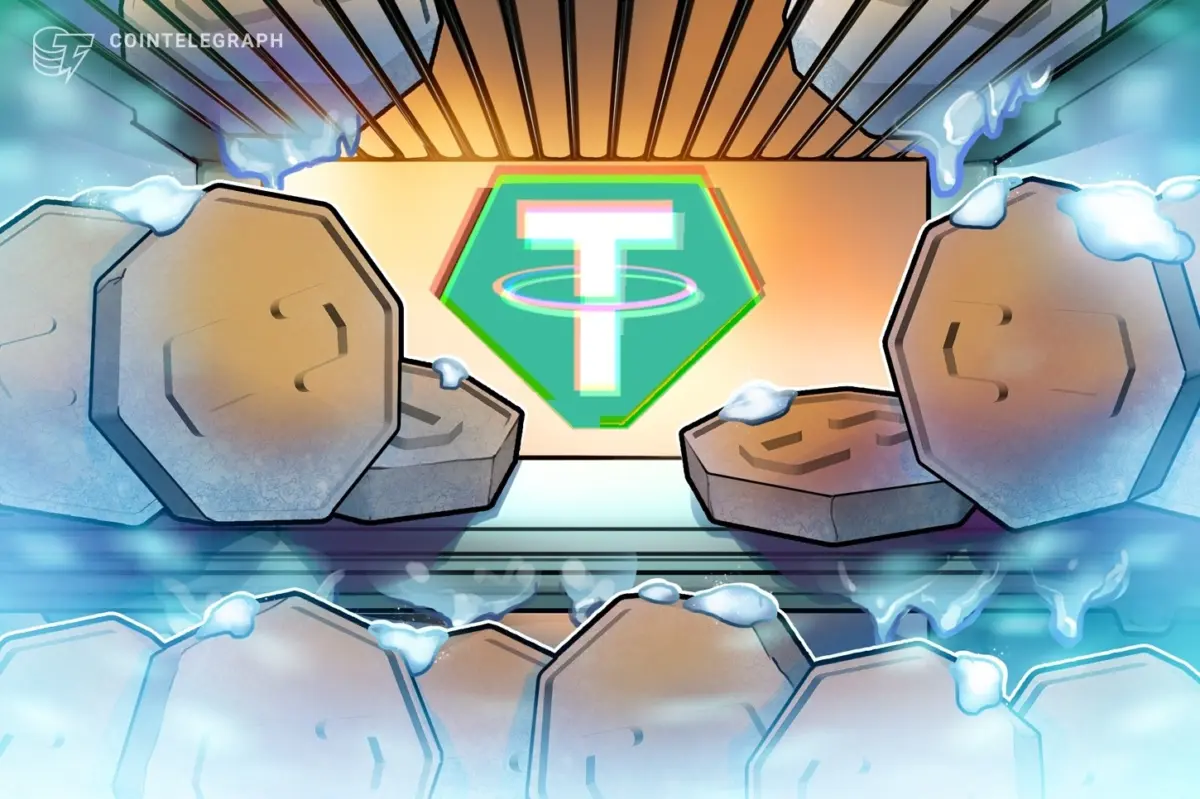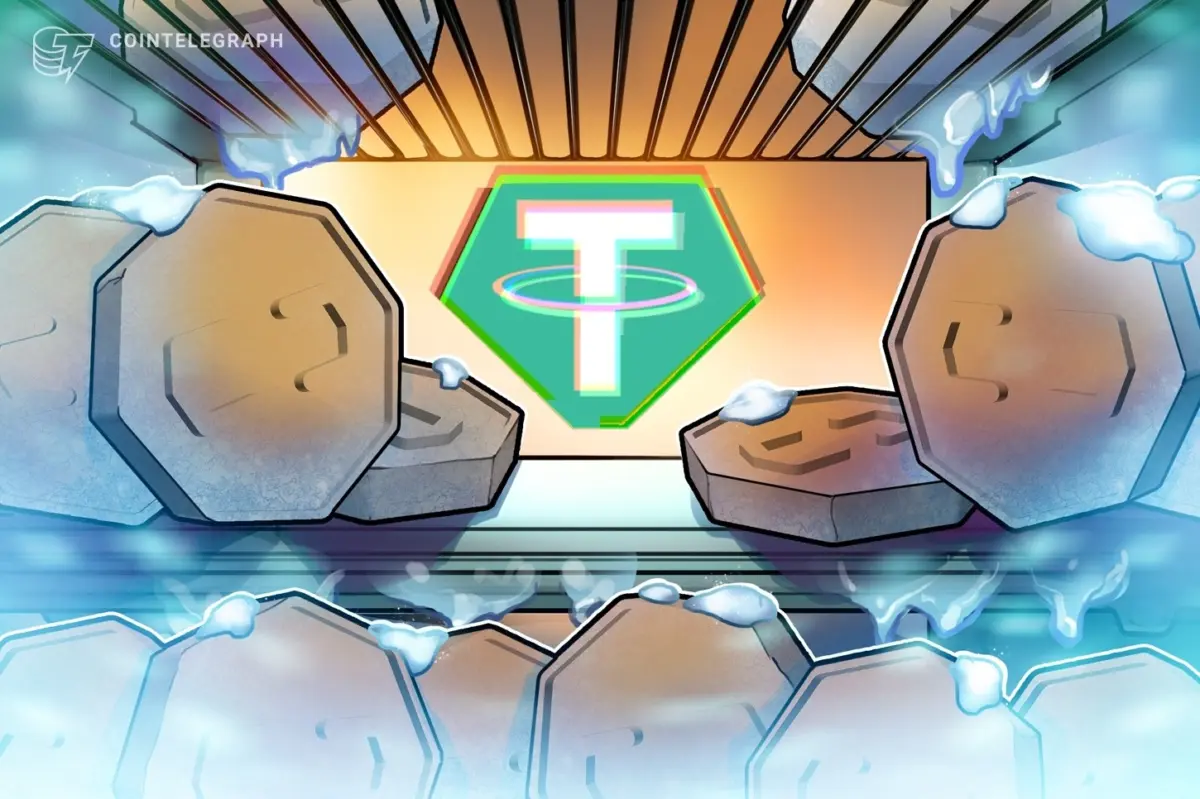
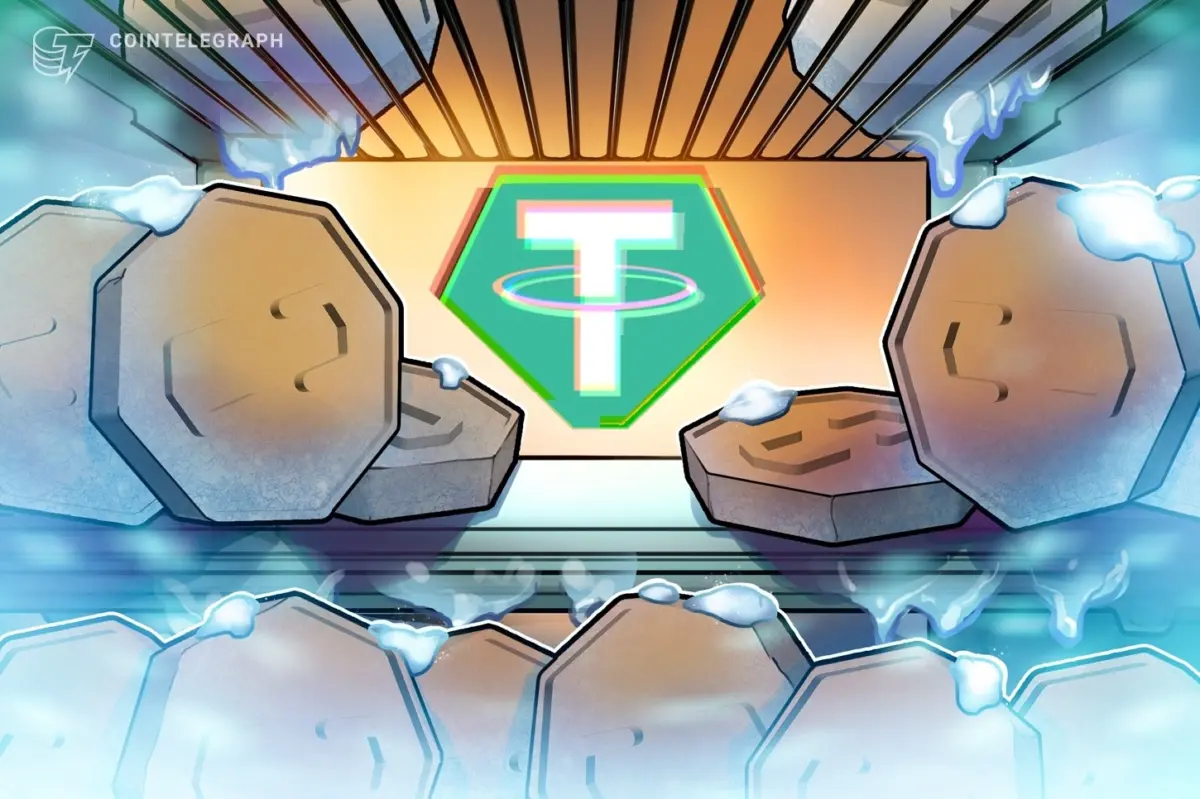
Decentralized cross-chain liquidity network THORChain found itself at the center of a sudden regulatory and operational scare on Friday after stablecoin issuer Tether reportedly blacklisted several of the network’s core USDt vaults. The unexpected move temporarily immobilized roughly $1.45 million worth of funds spread across four distinct wallet addresses, bringing key trading operations to a halt before the restrictions were abruptly lifted just hours later.
Chad Barraford, the technical co-founder of THORChain, took to the social media platform X to break the news to the broader cryptocurrency community as the situation unfolded. According to Barraford’s initial statements, Tether enacted the blacklist without providing any advance notice or official justification to the THORChain development team. The sudden freeze immediately impacted four wallets holding a combined total of approximately 1.45 million USDT, crippling the network’s capacity to process certain transactions smoothly and raising alarms among liquidity providers and decentralized finance participants.
The sudden nature of the blacklisting left core contributors scrambling to understand the motive behind the action. Prior to the addresses being restored, Barraford emphasized the lack of prior communication between the stablecoin issuer and the cross-chain protocol.
"We don’t know why this choice was made and have had no comms with USDT before this action and are actively reaching out to have a conversation," Barraford stated in an X post published before the freeze was reversed. "We hope that this was made in error or misunderstanding."
Fortunately for the decentralized network and its users, the disruption was relatively short-lived. Roughly two hours after sounding the alarm regarding the frozen assets, Barraford provided an update to the public confirming that Tether had reversed its decision. All four of the affected wallet addresses were successfully unfrozen, allowing regular trading activity and standard liquidity flows to resume across the THORChain ecosystem.
Despite the swift resolution, the incident has reignited broader industry conversations regarding the immense centralization risks inherent in centralized stablecoins. Because prominent stablecoin issuers like Tether retain the technical capability to blacklist addresses and freeze funds at will—often in response to law enforcement inquiries, compliance triggers, or internal risk models—protocols operating in the decentralized finance space remain vulnerable to sudden operational shocks.
Media outlets reached out to representatives from both Tether and THORChain to gather further details regarding the exact cause of the temporary blacklisting and the nature of any subsequent communications between the two entities, but immediate responses were not provided.
The brief freeze on THORChain follows a turbulent week of legal and public relations scrutiny for Tether concerning its asset-freezing practices. Earlier in the week, cross-border payments platform Conduit Technology filed a formal lawsuit against Tether. In that legal action, Conduit alleged that the stablecoin company froze $2.76 million worth of USDt inside a digital wallet that was tied directly to an ongoing investigation initiated by Brazilian authorities in 2024.
That case is part of a growing pattern of legal friction between users, corporate platforms, and the stablecoin issuer over frozen funds. In August, two Thai nationals also filed a lawsuit against Tether after the company allegedly froze $42.4 million in USDt. According to the plaintiffs in that case, the massive asset freeze was executed following an informal request submitted by United States Homeland Security Investigations in connection with an alleged pig-butchering investment scam investigation.
At the same time, the broader regulatory ecosystem surrounding Tether continues to face heightened congressional interest. Political figures and financial watchdogs have increasingly turned their attention toward the stablecoin giant’s banking relationships and reserve management practices. Notably, financial institution Cantor Fitzgerald recently faced questions and a formal probe from Senate Democrats regarding its extensive ties to Tether and the management of its massive multi-billion-dollar commercial paper and treasury reserves.
As the cryptocurrency industry continues to navigate the uneasy intersection between decentralized finance protocols and centralized fiat-backed stablecoins, incidents like the brief THORChain vault freeze highlight the ongoing tension between regulatory compliance tools and the permissionless ethos of blockchain networks. While THORChain’s funds were quickly restored and trading operations normalized, the event serves as a stark reminder of the centralized administrative levers that govern the world’s most widely used digital dollar.