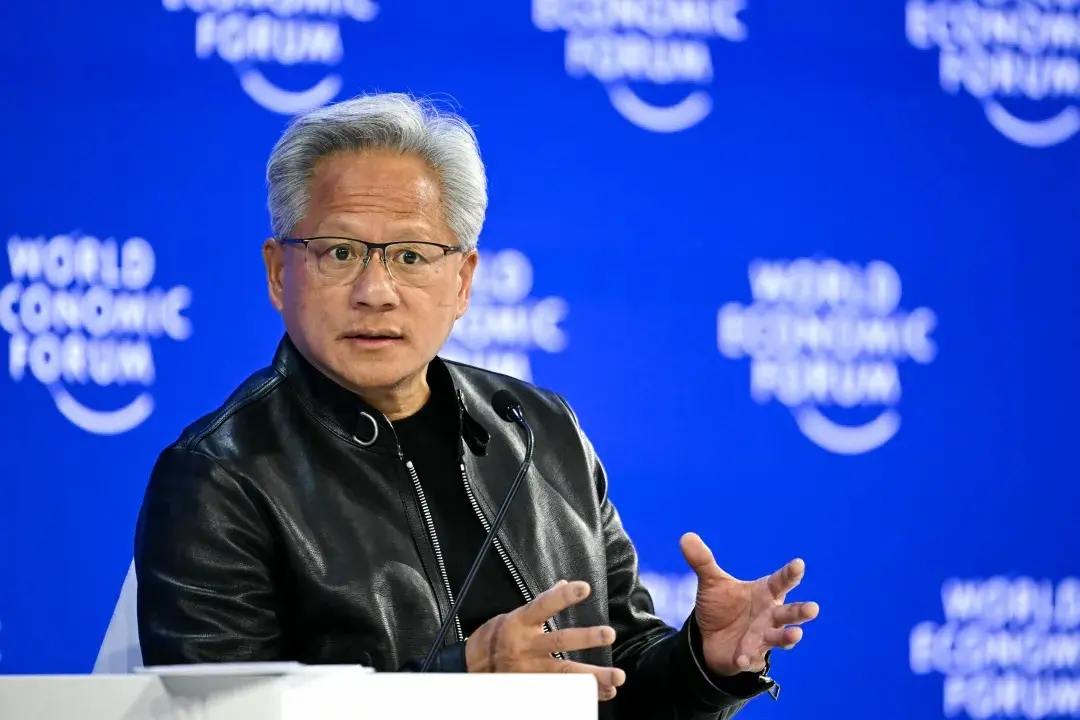
This week, the artificial intelligence landscape is witnessing what can only be described as a tale of two Nvidias. On one side, the dominant chipmaker is riding a wave of stellar financial performance, reporting soaring revenue and issuing robust forward guidance that comfortably beats Wall Street expectations. On the other side, the company is engulfed in high-stakes corporate drama, caught between sweeping geopolitical trade restrictions in China and a very public, high-profile campaign by tech executives demanding the reinstatement of former CEO Jensen Huang.
These contrasting realities were front and center on the latest episode of TechCrunch’s Equity podcast, where hosts
Kirsten Korosec, Tim De Chant, and Anthony Ha dissected a tumultuous week for the world’s most consequential AI hardware titan. While Nvidia’s current executive leadership insists that the company is stable, growing, and firmly in control, a faction of prominent tech leaders—spearheaded by billionaire Elon Musk—has actively campaigned to bring Huang back to the helm.
The Financial Highs and the Leadership Battle
Nvidia’s latest earnings report painted a picture of a business operating at peak efficiency. Interim CEO Colette Kress and the rest of the executive team delivered exceptional financial guidance to investors, signaling that demand for the company’s powerful AI processors remains insatiable. The underlying narrative from current leadership has been consistent and reassuring: the company has a massive operational pipeline and is fully capable of navigating its future without disruption.
Yet, this internal confidence starkly contrasts with market sentiment and external pressures. Wall Street’s lukewarm reaction, reflected in falling stock prices, suggests that investors remain jittery despite the strong financial fundamentals. At the same time, the tech industry has been consumed by a vocal movement advocating for Jensen Huang’s return. High-profile figures, including Elon Musk, have thrown their weight behind petitions calling for the ousted CEO to be reinstated. Adding fuel to the fire, Huang himself has publicly indicated that he would be prepared to return to the company he built into an AI powerhouse.
This power struggle presents a complex dilemma for Nvidia’s board of directors. While the public stance from leadership remains a firm rejection of any imminent leadership changes, observers note that corporate positions can shift under intense pressure. Analysts point out that the board is likely eager to project stability and independence, especially after watching messy governance battles unfold at other prominent tech institutions like OpenAI. By swiftly shooting down the petitions for Huang’s return, the board is attempting to signal that it retains absolute control over the company’s direction and will not be strong-armed by external tech billionaires.
At the same time, experts note that the company’s current financial quarter—and its glowing revenue reports—represent the final stretch of the era built entirely under Huang’s direct leadership. Whether the existing executive team can sustain this momentum over the long term without his specific brand of visionary guidance remains one of the central questions hanging over Silicon Valley.
Cracking Down on the China Market
Compounding the leadership turbulence are significant regulatory developments regarding Nvidia’s footprint in China. During the earnings announcements, interim CEO Colette Kress confirmed a major strategic pivot: Nvidia will officially halt the sale of its H200 chips directly into China.
This decision aligns closely with tightening trade policies from Washington. The Trump administration has increasingly focused on closing loopholes related to remote access, aiming to prevent advanced American technology from bypassing export controls. Previously, companies operating within China managed to leverage high-end hardware by establishing data centers just outside mainland borders—frequently in countries like Malaysia and other Southeast Asian nations—and utilizing remote access infrastructure to run their heavy AI workloads. With the administration and Nvidia moving to shut down these workarounds, the regulatory net has grown significantly tighter.
Industry experts and critics tracking Nvidia’s international operations estimate that China-linked business has historically accounted for roughly 20% of the company’s overall commercial activity. While much of this revenue has not shown up as direct domestic sales on Nvidia’s traditional financial balance sheets due to the complex web of overseas data centers and regional intermediaries, any systemic severing of these indirect pipelines could carry considerable weight.
Whether these newly announced restrictions represent a permanent strategic withdrawal or a fluid policy subject to future shifts remains an open question. While Nvidia has publicly committed to compliance and the closure of these indirect access channels, industry watchers remain curious about how the enforcement of these export controls will evolve through the first half of the year.
Navigating an Uncertain Future
As Nvidia steps into its post-Huang transition period, the convergence of geopolitical headwinds, regulatory crackdowns, and executive-level lobbying creates an unprecedented operating environment. The board faces the delicate task of maintaining investor confidence while steering clear of any perception that external influence dictates corporate governance.
For now, Nvidia’s financial engine continues to roar, defying immediate skeptics with record-breaking numbers and deep product pipelines. Yet, the persistent external clamor for Huang’s comeback and the shifting realities of the global semiconductor market ensure that the company will remain one of the most closely watched stories in the technology sector for the foreseeable future.