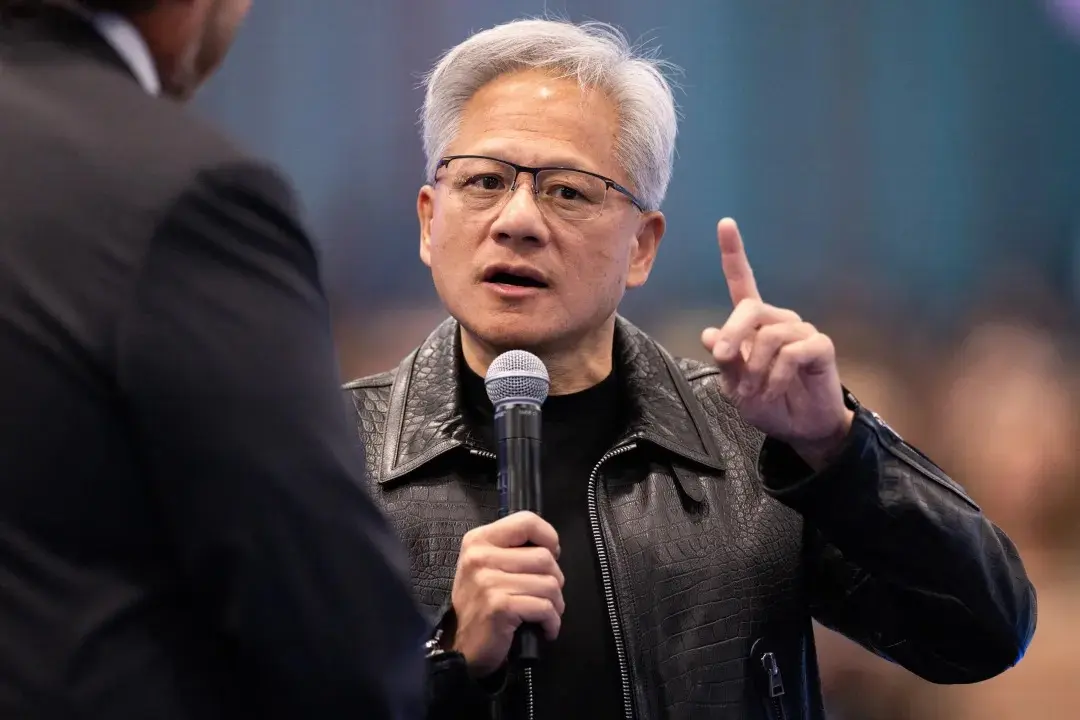
We didn’t see this coming. Or at least, I didn’t—a week ago, when I wrote about Nvidia’s board opening an investigation into then-CEO Jensen Huang, I assumed his job was safe.
The corporate world moves fast, but the rapid unravelling of one of technology’s most iconic leaders has left Silicon Valley and Wall Street reeling. On a recent episode of TechCrunch’s Equity podcast, journalists Rebecca Bellan, Tim De Chant, and I sat down to dissect how Huang’s shocking ouster went down and what it ultimately signals for the broader artificial intelligence economy.
While Tim noted that he saw the writing on the wall—albeit not quite this rapidly—Rebecca admitted she was completely blindsided. "I didn’t think it was going to happen at all," she said during the broadcast. "Jensen is Nvidia, right? And so much of this economy is riding on Nvidia."
Similarly, I marveled at how quickly Huang’s seemingly impenetrable support crumbled, with fresh scandals breaking nearly every day. At the same time, a vocal faction within the tech elite has emerged, with many high-profile executives—including Elon Musk—signing petitions calling on Nvidia to reinstate Huang. Yet, amidst the drama, deeper questions remain about the future of Nvidia’s massive investments in the wider AI ecosystem.
The Fall of an Industry Titan
To understand how quickly the ground shifted under Huang’s feet, it helps to look back at the timeline of events. Jensen Huang officially resigned from his post on Thursday following explosive revelations. It came to light that he was engaged in an affair with a former executive at an Nvidia customer firm known as Megaspeed, an individual alleged to have ties to Chinese intelligence. Compounding the crisis, reports of a second affair involving another internal Nvidia executive surfaced almost immediately afterward.
With Huang out, Nvidia CFO Collette Kress has stepped in as the interim CEO. Kress, a longtime board member and financial steward of the company, now finds herself at the helm of the most valuable chipmaker in the world.
When a chief financial officer steps into the chief executive role, it often sends a very distinct message to the markets. As Rebecca pointed out on the podcast, it usually means that expense management and fiscal stabilization are the immediate priorities.
"I think a big part of the message is: This is not necessarily someone you should expect to be in this role for the long term," I noted during our discussion. No disrespect to Kress, but her appointment feels very much like a caretaker move while the board scrambles to figure out a path forward.
For most observers, Jensen Huang is Nvidia. Beyond being the visionary founder and the company’s biggest shareholder, he had family members working within the organization. Crucially, there was no formal succession plan in place. The board simply was not prepared for this type of contingency.
From Open Secrets to National Security Concerns
What makes the downfall even more remarkable is that much of the information that ultimately brought Huang down was reportedly known within intelligence circles for a considerable length of time. The questions and concerns surrounding his relationship with Alice Huang were circulating within government channels nearly a year ago, if not longer. Even high-ranking officials, including former President Donald Trump, had reportedly been given warnings about Huang’s ties to someone with potential connections to Chinese intelligence, though the warnings initially failed to trigger major corporate alarm bells.
The situation dramatically shifted over a single weekend. It began with Jensen Huang admitting to the affair, followed by the board launching an investigation while simultaneously expressing public faith in his leadership. Then, the dam broke. Additional reporting revealed further personal scandals, turning a slow trickle of gossip into a full-scale crisis.
A major turning point occurred earlier in the week when a Bloomberg report suggested that Nvidia’s head attorney may have played a role in inquiring about the Department of Commerce’s ongoing investigation into Alice Huang. That revelation appeared to change the calculus for both government regulators and the Nvidia board, highlighting the uncomfortable realization that the fallout extended far beyond a personal indiscretion.
At the core of the issue lies a major geopolitical tension: Huang’s vocal advocacy for loosening U.S. chip export restrictions to China. Critics have long argued that giving Chinese AI companies unfettered access to America’s most powerful processors represents a direct threat to national security, as it accelerates foreign AI development that could eventually rival or surpass Western capabilities.
As Rebecca observed, Huang’s primary motivation appeared to be commercial expansion. He wanted to sell advanced chips to anyone and everyone, viewing export controls through a business lens rather than a geopolitical one. Whether those policies served American national security interests was, in practice, secondary to his relentless drive for market dominance.
The Stakes for the Global AI Economy
The departure of Nvidia’s long-serving leader raises profound questions about the future stability of the entire tech sector. Because Nvidia chips form the absolute bedrock of modern artificial intelligence infrastructure, any internal corporate turmoil at the company sends shockwaves down the line.
Furthermore, under Huang’s leadership, Nvidia did not just sell hardware; it aggressively financed the ecosystem. The company has poured tens of billions of dollars into AI startups and cloud providers through massive capital commitments, fostering a tightly interconnected financial and operational web often referred to as the AI circular economy.
The numbers tell a staggering story. Nvidia commands roughly 80% of the AI graphics processing unit (GPU) market. The company has reported a colossal $99 billion in direct investments, paired with another $25 billion in financial commitments and $36 billion in cloud service commitments. Its financial footprint touches nearly every major player in the space, including CoreWeave, Nebius, OpenAI, Anthropic, and various massive data center initiatives.
If the post-Huang Nvidia pivots toward a period of intense internal lockdown, legal caution, or even a slight pullback in its aggressive startup funding strategy, the repercussions for the broader artificial intelligence industry could be severe. Without the "Bank of Nvidia" operating under its accustomed visionary framework, startups and cloud infrastructure developers alike must now navigate an uncertain new reality.