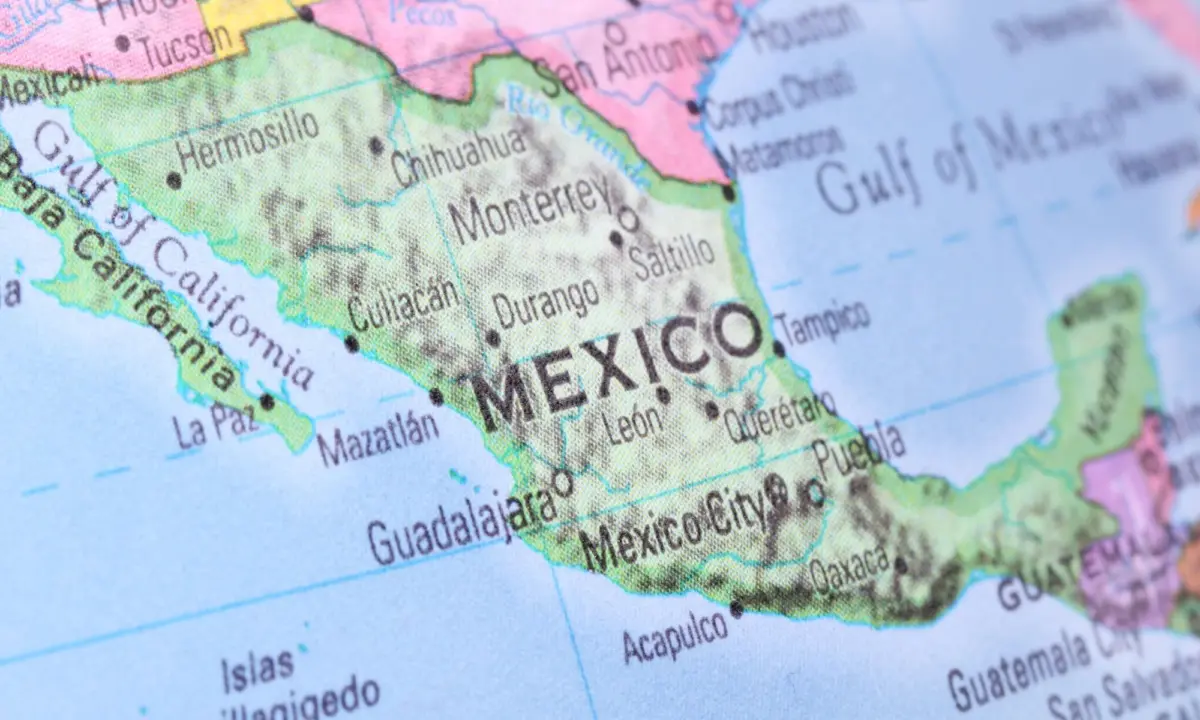
Mexican criminal organizations have reportedly begun targeting the country’s microlenders, seeking alternative revenue streams far beyond traditional drug trafficking operations. This evolution in organized crime marks a troubling shift toward controlling local economies and grassroots financial networks.
As recent reporting indicates, these specialized lenders tend to service lower-income entrepreneurs, primarily women living and working in Mexico’s poorest neighborhoods. These microfinance institutions have long served as a vital financial lifeline for individuals who are completely unserved by traditional, brick-and-mortar retail banks.
According to industry data, microlenders provide approximately $3.5 billion in loans across the country. These loans typically range between $300 and $3,500 and are distributed to an estimated 11 million clients. The borrowers are usually people who cannot qualify for conventional funding from traditional commercial banks. They rely heavily on these modest sums to begin, sustain, or expand small businesses, operating largely within Mexico’s vast informal and cash-based economy.
Now, powerful cartels are attempting to hijack this grassroots lending apparatus. Criminal groups are actively trying to take over the distribution of loans to these small businesses in at least three Mexican states, according to Claudia Revilla, the director general of ProDesarrollo, a national network for microfinance.
This sinister strategy affords the gangs significantly more control over local territory and localized economies that depend heavily on cash. Under this coerced arrangement, access to vital capital must go directly through the cartels, which impose exorbitant interest rates that sit sharply above normal market levels.
Revilla emphasized the novel and alarming nature of this development during discussions with reporters, noting that this specific tactic of trying to take over local businesses and financial pipelines is something entirely new, and it is actively spreading across vulnerable regions.
Microfinance lenders and individual clients who have been threatened or extorted are frequently reluctant to report these crimes to law enforcement. This hesitation stems largely from the deep criminal infiltration of local police forces and municipal authorities observed in certain areas, leaving victims with virtually no safe recourse.
Once criminal groups successfully infiltrate or completely take over microlending operations, access to capital becomes exponentially more expensive and profoundly dangerous. To illustrate the severe economic toll, a criminal gang operating in Zacapu forcefully tripled the interest rate that borrowers were forced to pay, pushing rates up to an astonishing 60 percent over a compressed 14-week period.
In the Acapulco area, one local lending manager revealed that the aggressive criminal takeover of microfinance has forced some small business owners to permanently shut down their operations entirely, preferring to close their doors rather than deal with the constant harassment, extortion, and physical dangers posed by the cartels.
The human and operational cost to the lenders themselves has been severe. One microfinance lender reported losing around 500 clients in a short span, while enduring harrowing incidents where its employees were directly threatened, abducted, and physically beaten by ruthless gang members.
While some academic studies and economic research have suggested that microfinance does not always tangibly improve the long-term economic conditions of borrowers, many small-business owners in Acapulco interviewed by journalists described these modest loans as absolutely critical to their daily survival and financial stability.
Meanwhile, the broader financial landscape continues to grapple with the underlying structural challenges of lending to small and medium-sized businesses. Financial institutions frequently encounter complex hurdles when assessing risk and extending credit to smaller commercial entities, independent of criminal interference.
Research conducted by PYMNTS Intelligence previously highlighted the primary friction points that traditional lenders run into when evaluating small and medium-sized business borrowers. According to their findings, 57 percent of financial institutions pointed to inaccurate or incomplete small business records as a major underwriting obstacle. Furthermore, outdated information was cited by 52 percent of institutions, inconsistent information was mentioned by another 52 percent, and limited financial histories were noted by 48 percent of respondents. These insights were detailed extensively in the PYMNTS Intelligence report titled "Keeping Score: Why Data Quality Determines Lending Decisions for the Smallest Firms."