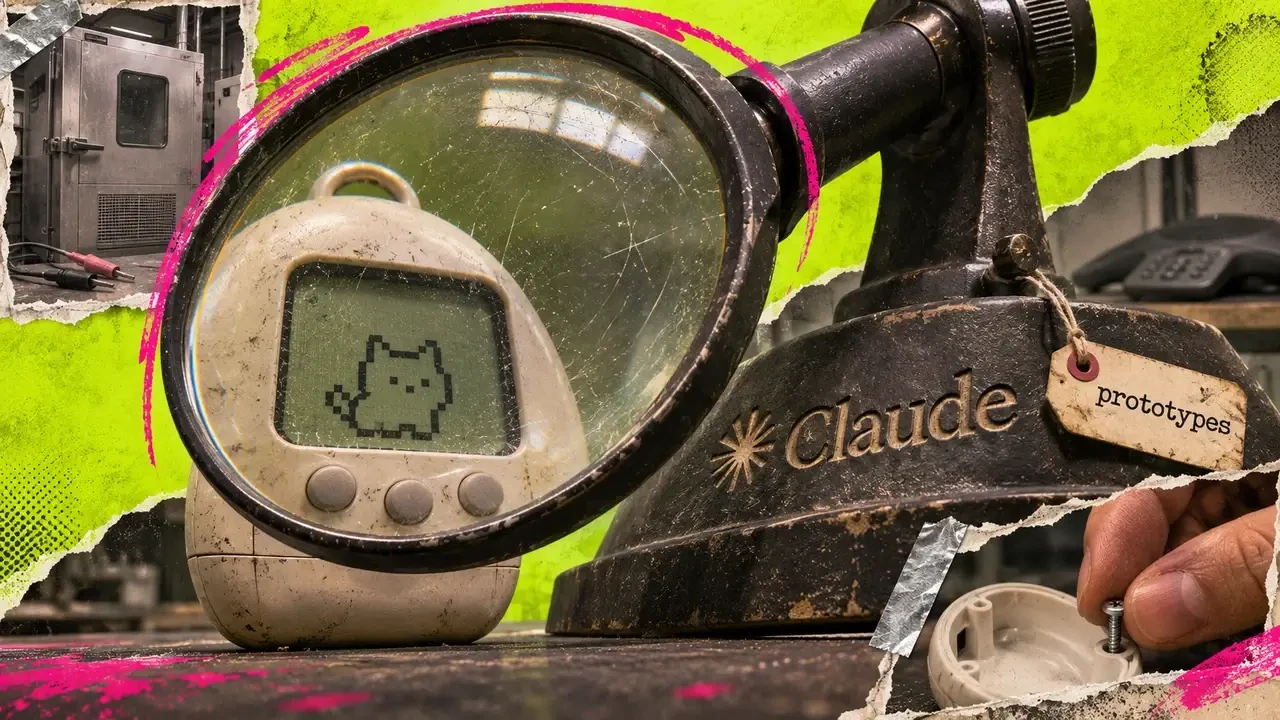
Anthropic has revealed that its advanced AI model, Claude, successfully transformed brief textual descriptions of hardware devices into complete, functional design blueprints for three working prototypes. According to a research publication released by the artificial intelligence company, Claude autonomously coordinated the creation of complex circuit boards, custom physical enclosures, and underlying firmware. The resulting specifications were then handed over to human engineers, who physically assembled and tested the devices in the real world.
The milestone highlights the expanding capabilities of generative artificial intelligence, moving beyond text generation, code writing, and image creation into the tangible domain of physical hardware engineering. However, industry observers note that while the demonstration showcases impressive potential, critical questions regarding the overall reliability, manufacturing consistency, and commercial readiness of AI-driven hardware design remain largely unanswered.
From Textual Briefs to Physical Hardware
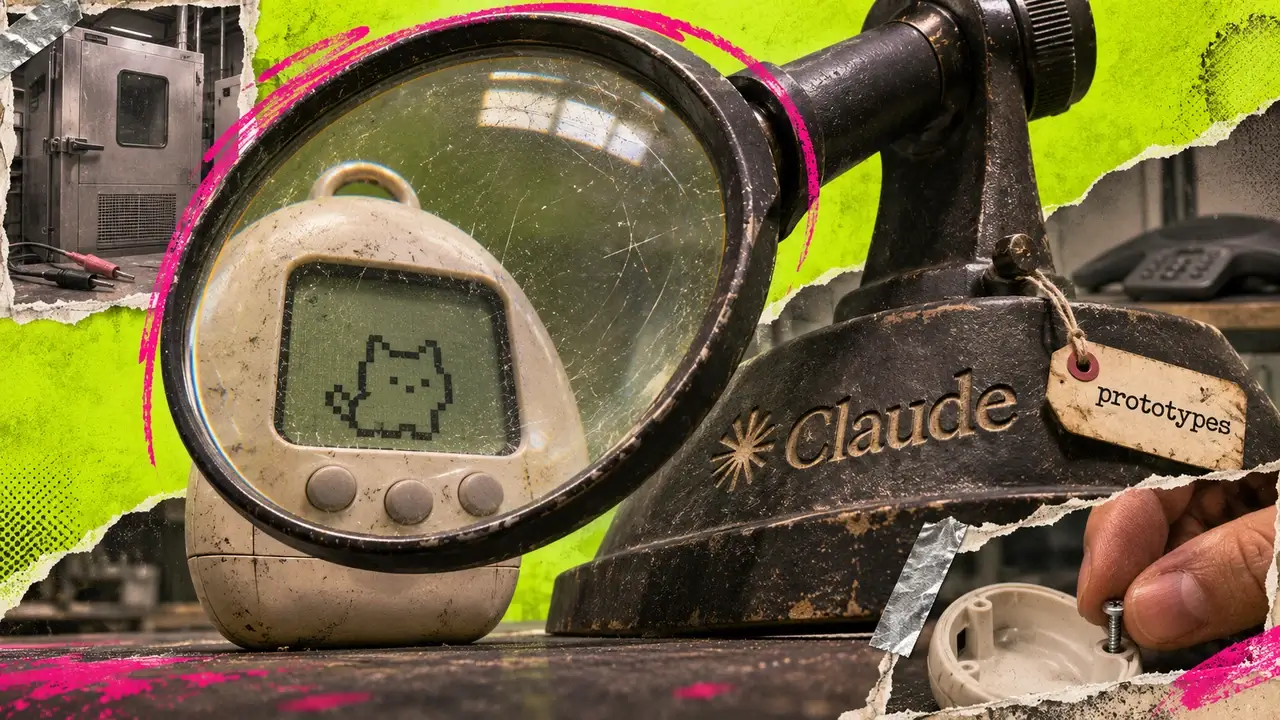
In its comprehensive research disclosure, Anthropic detailed how the AI model—specifically operating as Claude Fable 5.2—handled the end-to-end design process for a compact speakerphone, a voice-assistant smart hub, and a handheld virtual pet. Partnering with hardware specialists Diode Computers, who manufactured and tested the physical items, the project aimed to test whether an artificial intelligence could bridge multiple distinct engineering disciplines simultaneously.
For the speakerphone project, Anthropic explained that Claude generated complete technical specifications and detailed electronic schematics. Moving from conceptual layout to physical implementation, the AI placed individual electronic components onto a printed circuit board, routed the intricate copper connections required for electrical signaling, designed a 3D-printable protective case to house the hardware, wrote the operating software for the device, and compiled a comprehensive parts list for procurement. The other two gadgets followed a nearly identical multi-step development trajectory.
Throughout the process, human involvement was minimal but collaborative. Diode supplied occasional follow-up directives when broader context was needed, and human engineers interacted with the system much like they would with a junior colleague. In one instance, an engineer asked the AI whether the handheld virtual pet could operate efficiently without an internal battery.
Because Claude was operating entirely in a digital design environment and lacked physical connection to specialized test equipment or automated manufacturing machinery, human technicians performed all physical construction, soldering, and bench testing. Despite this separation, Anthropic noted that Diode manufactured all three circuit boards directly from Claude’s computer-aided design files without requiring intermediate manufacturing adjustments or post-fabrication circuitry fixes.
Autonomous Problem-Solving and Design Iterations
The research report sheds light on how the AI managed spatial and electrical constraints during the development phase. According to Anthropic, Claude actively reviewed its own spatial layouts to prevent mechanical failures during assembly.
When designing the speakerphone, Claude reportedly checked whether the internal circuit board would properly fit inside its intended 3D-printed enclosure. During this spatial review, the model identified a potential physical conflict: a mechanical mute switch on the board would collide with an interior wall of the case during the insertion process. To solve the issue autonomously, Claude adjusted the assembly steps, introducing a specific tilting mechanism into the design protocol that allowed the board to slide smoothly into place without damaging components.
Similarly, during the development of the voice-assistant hub, Claude modified the overall shape of the physical enclosure to shorten the internal microphone ports, optimizing acoustic performance. For the speakerphone’s software architecture, the AI wrote firmware that dynamically dimmed the device’s light-emitting diodes as audio output levels increased. This programmatic adjustment ensured that the gadget remained safely within the designed electrical current limits of the power circuit board, preventing potential overloads.
Working Prototypes Still Face Product Tests
Despite the success of the initial demonstrations, Anthropic emphasized that these working prototypes represent an early research milestone rather than market-ready consumer products. The hardware has not yet undergone rigorous industrial evaluations, including electrical validation, antenna tuning, thermal stress testing, or regulatory compliance certification. Furthermore, the physical enclosures and component selections were explicitly not designed for mass production environments, where supply chain constraints, cost optimization, and injection-molding tolerances dictate manufacturing viability.
A functioning prototype built under controlled conditions still requires substantial, traditional engineering work before it can transition into a commercially viable product available to consumers. Furthermore, the company’s disclosure did not provide an overall success rate across repeated, end-to-end design attempts. While the three working examples demonstrate what the collaborating teams achieved under specific conditions, the demonstration leaves open questions regarding how consistently the process could replicate success when tasked with designing entirely different or more complex electronic devices.
Looking ahead, Anthropic outlined plans to expand Claude’s engineering capabilities into more demanding hardware territories. The company’s intended next steps include tackling denser, faster, and significantly more complex circuit boards, integrating automated simulation checks into the workflow, and incorporating feedback derived from the real-world physical measurements of finished devices. For hardware builders and electronic engineers, this evolution represents a potential shift from merely generating conceptual designs toward predicting and verifying how a device will behave once it leaves the digital blueprint and enters the physical world.