The king of America’s big-box automotive retail space is facing a formidable and increasingly aggressive challenge to its throne. That is the core takeaway from a comprehensive industry report detailing the high-stakes rivalry between traditional used-car giant CarMax and its digital-first challenger, Carvana, as both companies compete not only for market share but for the very future of how consumers buy vehicles in the United States.
The friction between the two automotive heavyweights bubbled into public view during an earnings call, when Carvana Chief Executive Officer Ernie Garcia III delivered a sharp remark directed at his brick-and-mortar competitor. Garcia told investors and analysts that his company is "knocking on the door" of becoming the largest used-car retailer in the entire United States, signaling a clear ambition to dethrone the long-standing market leader.
CarMax CEO Keith Barr, however, has publicly shrugged off the provocative comparison. In an interview discussing the state of the industry, Barr argued that the modern automotive retail landscape is not a zero-sum game where there will be "one winner and one loser." Instead, Barr expressed firm confidence in his company’s enduring position in the marketplace, emphasizing that CarMax is poised to remain one of the largest retailers in the American used-car industry for many years to come.
Industry analysts view this high-profile executive posturing as part of a much broader, fundamental debate regarding the future trajectory of automotive sales across the country. The central question dividing modern retail strategies is whether smartphone applications and fully digital transactions will become the absolute primary way people purchase vehicles, or if consumers will continue to prefer the traditional physical experience of visiting a brick-and-mortar dealership and taking a test drive before committing tens of thousands of dollars of their hard-earned money to a major purchase.
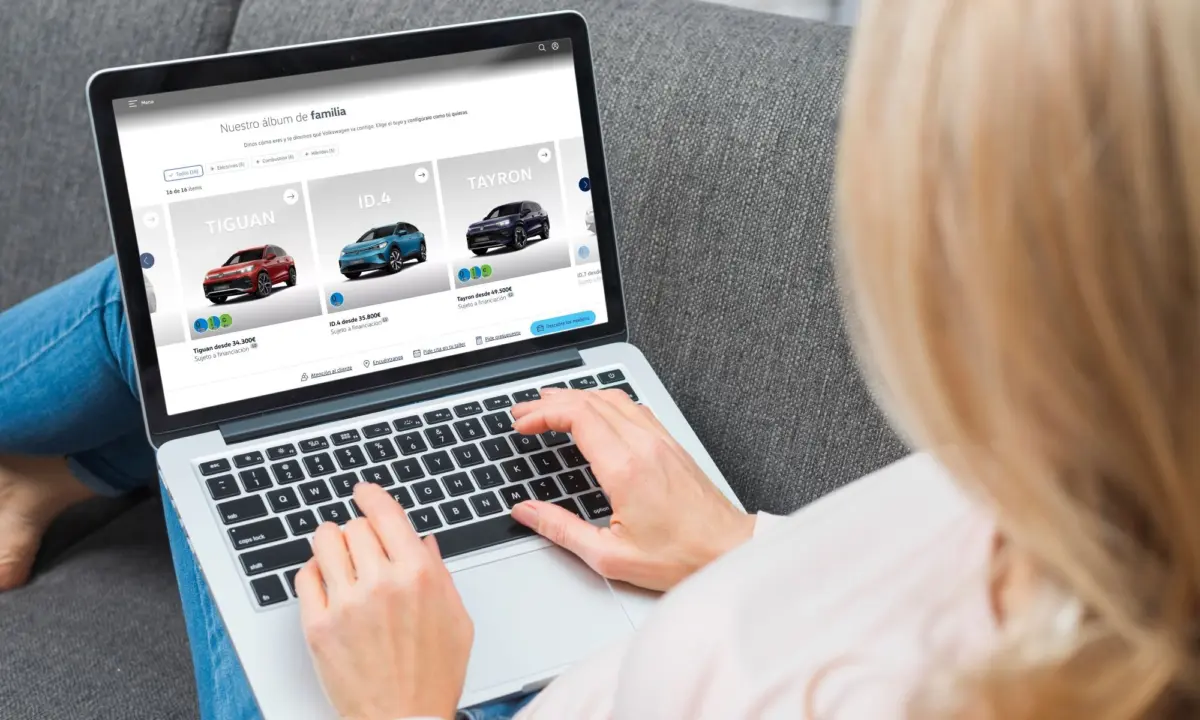
CarMax has traditionally banked heavily on the physical-digital hybrid model, operating a vast network of roughly 260 traditional dealerships covering the vast majority of the United States, alongside robust online-only sales channels. However, the legacy retailer is currently in the midst of a significant corporate turnaround effort. This strategic pivot remarkably echoes the digital-native framework pioneered by Carvana, which allows customers to seamlessly find a vehicle, arrange customized financing, and schedule direct home delivery entirely online without ever stepping foot inside a physical showroom.
Jeff Lick, an experienced automotive and retail analyst at investment bank Stephens, noted that Barr is demonstrating pragmatic leadership by taking a page directly out of his primary rival’s playbook. According to Lick, great corporate leaders possess the emotional intelligence and lack of ego required to recognize and adopt genuinely superior ideas, noting that if a competitor is executing a new, unique, or better operational strategy, smart companies will adapt and adopt those practices to stay competitive.
This escalating commercial battle is taking place against a complex macroeconomic backdrop where more American drivers are actively opting for pre-owned vehicles rather than brand-new models. The average cost of a brand-new car has surged dramatically in recent years to roughly $50,000, pricing many mainstream households out of the new vehicle market entirely and driving heightened demand toward pre-owned alternatives. At the same time, shifting market dynamics are creating a fluctuating pricing environment. A recent forecast released by Cox Automotive pointed toward used-car prices beginning to dip, offering a potential reprieve for cost-conscious consumers navigating an expensive retail landscape.
Concurrently, broader consumer behavior trends tracked by PYMNTS Intelligence illustrate that economic pressures and cost-of-living concerns have led many everyday consumers to delay or scale back major household and lifestyle purchases. The PYMNTS Intelligence report titled "Keeping Up Gets Harder: Debt Confidence Falls Among Bill Payers" revealed that approximately 20% of consumers had intentionally delayed a major purchase within the preceding 90 days. Furthermore, the study found that 11.1% of consumers had completely canceled a major planned purchase altogether. These figures represented a noticeable upward tick compared to previous months, when delayed purchases stood at 18.3% and cancellations at 9.6%.
When breaking down the specific motivations driving these consumer hesitations, financial factors loom large. Among the surveyed consumers who actively reported trading down, delaying, or canceling a major purchase, nearly 35%—specifically 34.9%—cited stubbornly high prices as their primary and most significant reason for holding back. That figure was approximately twice the 17.6% of respondents who indicated they were simply waiting around for a better deal or more optimal timing, underscoring the deep impact that persistent inflationary pressures and elevated price points continue to exert on large-scale retail spending decisions across the American economy.