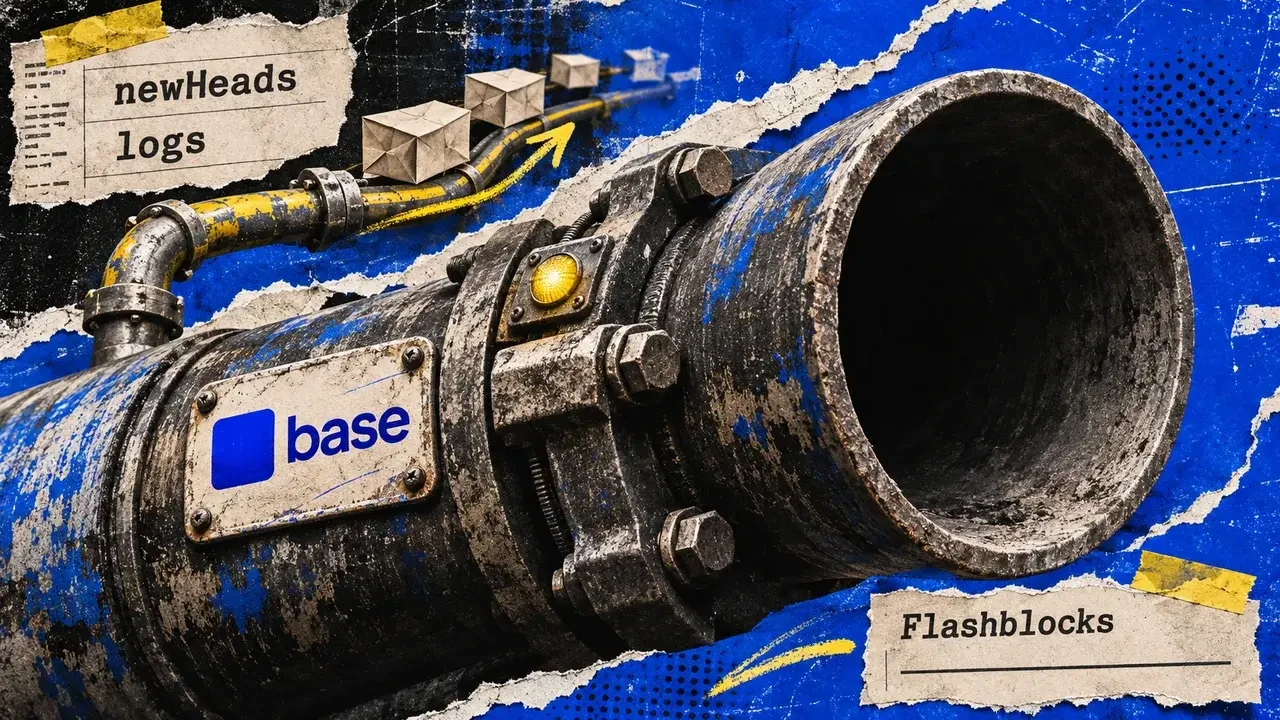
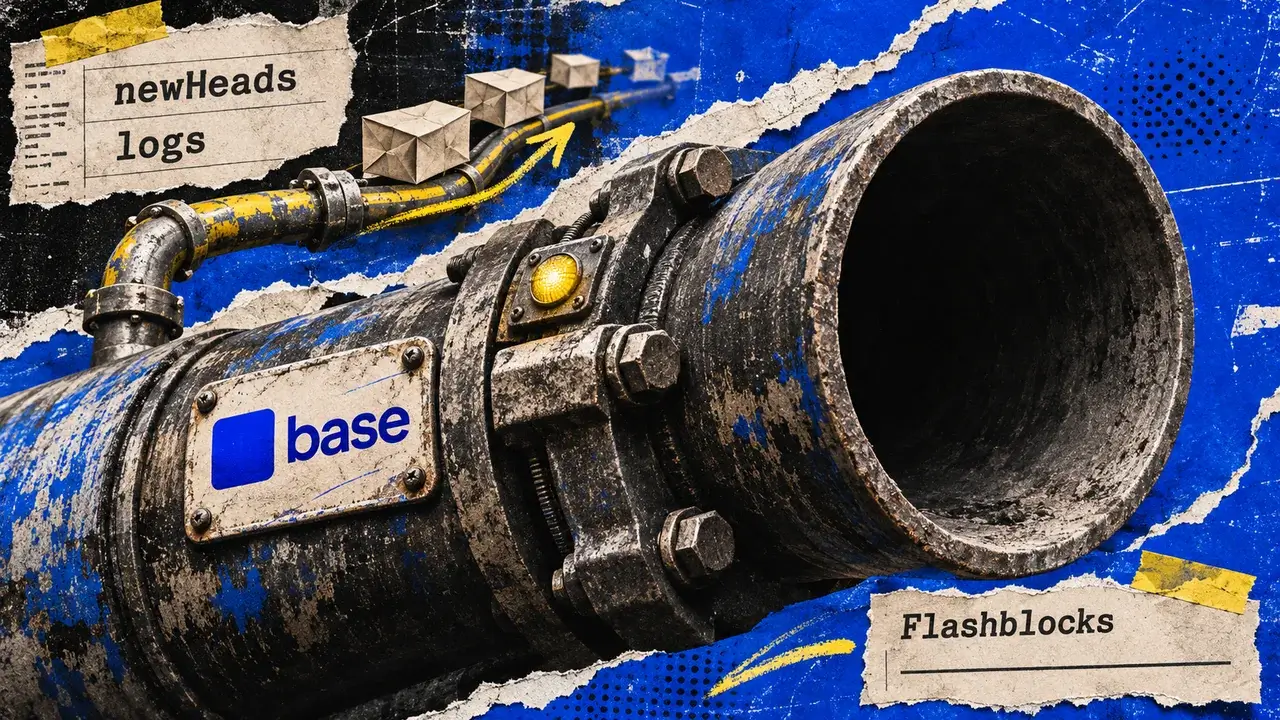
Coinbase’s layer-2 blockchain, Base, has officially retired its legacy Flashblocks data feeds following the implementation of the Denim upgrade on November 5. While the network’s major architectural evolution aims to deliver a faster and more streamlined user experience, it has introduced a silent operational hurdle for developers whose applications continue to rely on obsolete data pathways. According to migration documentation issued by Base, legacy WebSocket endpoints associated with the retired feeds continue to accept incoming connections from developers’ applications, but they no longer transmit any underlying data updates, creating a deceptive state of connectivity that requires an immediate and deliberate routing fix rather than a simple system reboot.
The Denim upgrade officially activated on the mainnet at 18:00 UTC on November 5, ushering in an architecture designed to generate complete canonical blocks every 200 milliseconds. Unlike earlier preview configurations, each of these rapid blocks features its own distinct hash, state root, and transaction receipts, representing the definitive state of the chain rather than a speculative preview of a block currently under construction. However, this shift has caught several decentralized applications off guard. The core compatibility trap facing developers lies in the illusion of an active link: the fact that an application successfully establishes an open connection to an endpoint no longer guarantees that it is receiving live network updates. Reconnecting to a retired Flashblocks endpoint fails to solve the underlying integration failure, leaving developers wondering why their interfaces have frozen despite seemingly stable socket connections.
To resolve these connectivity issues, Base is directing developers to systematically replace their deprecated Flashblocks connections with direct subscriptions managed through a WebSocket-capable Remote Procedure Call (RPC) provider or via their own dedicated nodes. This transition requires significant adjustments to how applications interact with blockchain state and subscription models. Beyond altering data routes, development teams must carefully re-evaluate how their applications process requests involving the pending block tag. While Base continues to accept the pending block tag within queries, the network now resolves this tag directly to the latest canonical block rather than exposing the historical Flashblocks preconfirmation state. Because there is no direct equivalent for that former preview mechanism, applications built on older assumptions risk misinterpreting an accepted response as a real-time preview when it is actually reading finalized canonical state.
This structural evolution similarly transforms transaction handling across the network. While applications retain the ability to poll standard endpoints for transaction receipts, a valid receipt only becomes accessible once a transaction is officially included within a canonical 200-millisecond block. Preconfirmed receipts and preconfirmed transaction outcomes are no longer supported by the network architecture. To navigate these changes safely, Base has recommended that development teams conduct comprehensive inventories of their existing Flashblocks subscriptions, active WebSocket connections, and pending-tag queries, alongside checks for any residual usage of the flashblock_index parameter and specific node flags. Furthermore, the network advises engineers to thoroughly test all migrated integrations within staging environments like Base Sepolia or Vibenet before deploying changes to production systems.
Operational monitoring following the rollout of the Denim upgrade has also highlighted ongoing investigations into network performance. Base’s official Denim upgrade status notice, which remained marked as verifying days after the initial activation, documented a series of early operational hurdles on November 5. Specifically, network administrators reported investigating periodic transaction inclusion delays alongside a higher-than-expected frequency of empty blocks being proposed across the network. While the 200-millisecond block cadence dictates how frequently new blocks arrive, network maintainers have emphasized that this rapid cadence does not guarantee that every submitted transaction will automatically secure a place in the immediate next block.
Furthermore, the mechanics of rapid block inclusion remain distinct from traditional Ethereum finality. In its primary Denim announcement, Base outlined that an individual block only achieves a secure status once its corresponding batch of transactions is successfully posted to the Ethereum mainnet, and it reaches true finality only when Ethereum itself finalizes that settlement batch. Applications and institutional platforms requiring these higher levels of cryptographic security must continue to carefully distinguish them from the rapid arrival of a standard canonical block on Base. As developers continue to adapt their infrastructure to the post-Denim environment, the focus remains on closing out legacy connections and ensuring that applications are aligned with the network’s current canonical data routes.