of how the technology will function and distinguish itself from conventional chatbots.
The announcement was made on Thursday alongside the release of the company’s strong third-quarter shareholder letter and earnings report, which detailed how the upcoming AI feature is designed to operate. Rather than functioning as a standard text-heavy chatbot, Airbnb’s leadership envisions a specialized, AI-native interface tailored specifically to the nuances of travel planning.
In prior interviews and ongoing discussions about the company’s approach to artificial intelligence, CEO Brian Chesky has consistently argued that general-purpose chatbots are fundamentally ill-suited for travel. While acknowledging that existing AI tools like Muse and Instinct excel at routine, transactional tasks—such as making a restaurant reservation or scheduling a basic appointment—Chesky emphasized that planning a trip is an entirely different kind of endeavor.
During Thursday’s earnings call with analysts, Chesky elaborated on this perspective, pointing out that travel is deeply aspirational. According to company research cited by leadership, roughly 80% of travelers actively enjoy spending time researching their trips. For most people, the process of discovering where to go, browsing through property photos, comparing different homes, and collaborating with travel companions is an integral and pleasurable part of the overall experience. Because generic AI agents tend to flatten this discovery phase into a wall of text, Chesky believes they strip away the inspiration and anticipation that make travel planning enjoyable.
To address this gap, Airbnb is developing an agent driven by a personalized interface built explicitly for travel. Instead of simply generating text responses, the platform will dynamically construct an interface tailored to a user’s specific questions in real time.
Chesky described the technology as feeling akin to "generative UI," designed to deliver the right interface at the exact moment a traveler needs it. Rather than relying on traditional chat alone, the agent will draw from a comprehensive library consisting of hundreds of travel-specific interface components. These elements include interactive maps, high-resolution photo galleries, side-by-side property comparisons, customized calendars, and flexible itineraries, all of which will be composed on the fly to match the user’s explicit intent and queries.
Underpinning this development is Airbnb’s nearly two decades of operational experience connecting hosts and guests across the globe. The company noted that its deep institutional knowledge regarding how people search, book, and host on the platform is directly informing the architecture of the AI agent.
Furthermore, the utility of the agent is designed to extend far beyond the initial booking phase. Airbnb emphasized that the tool will provide comprehensive support throughout the entire lifecycle of a trip. This includes assisting guests with modifying reservations, resolving payment complications, navigating refunds, handling rebooking procedures, and accessing round-the-clock safety support. Company executives pointed out that these end-to-end operational capabilities are precisely what external, general-purpose third-party agents would struggle to execute independently.
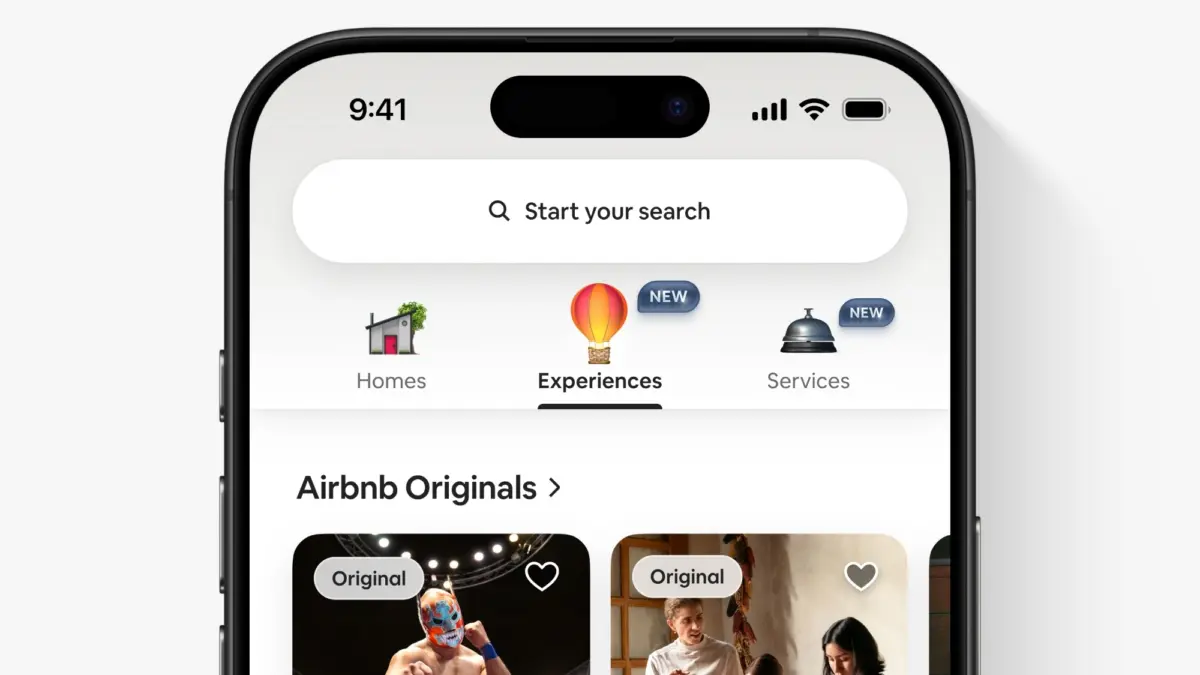
Looking further ahead, Airbnb expects that the agent’s scope will eventually expand to assist travelers with other vital pillars of their journeys, encompassing not just homes and hotels, but also local services and curated experiences. Services and experiences have emerged as a major strategic priority for the platform following a major company redesign rolled out last year, positioning the upcoming AI agent to serve as a comprehensive coordinator for an entire trip rather than just lodging alone.
While previous communications suggested that consumers could expect the AI agent to debut sometime within the next year, Thursday’s formal announcement narrows that timeline, committing to a consumer rollout in the first half of 2027.
The unveiling of the AI strategy coincided with robust financial results for the third quarter. Airbnb reported a 19% increase in revenue, bringing total quarterly revenue to $4.87 billion and beating expectations set by Wall Street analysts. Buoyed by this momentum, the company also revised its full-year revenue growth forecast for 2026 upward, now anticipating growth in the high teens rather than the mid-teens.
Addressing analysts on the earnings call, Chesky framed the financial performance as a clear indicator of the company’s renewed trajectory. He noted that it is rare for a marketplace of Airbnb’s scale to successfully reaccelerate its growth, highlighting that the third quarter marked the company’s fastest revenue growth rate recorded in more than three years.